Okanagan Chief inspired by community’s ‘strength and resilience’ in face of wildfire
Chief Byron Louis of the Okanagan Indian Band says with devastating losses comes the chance to reclaim traditional land practices.
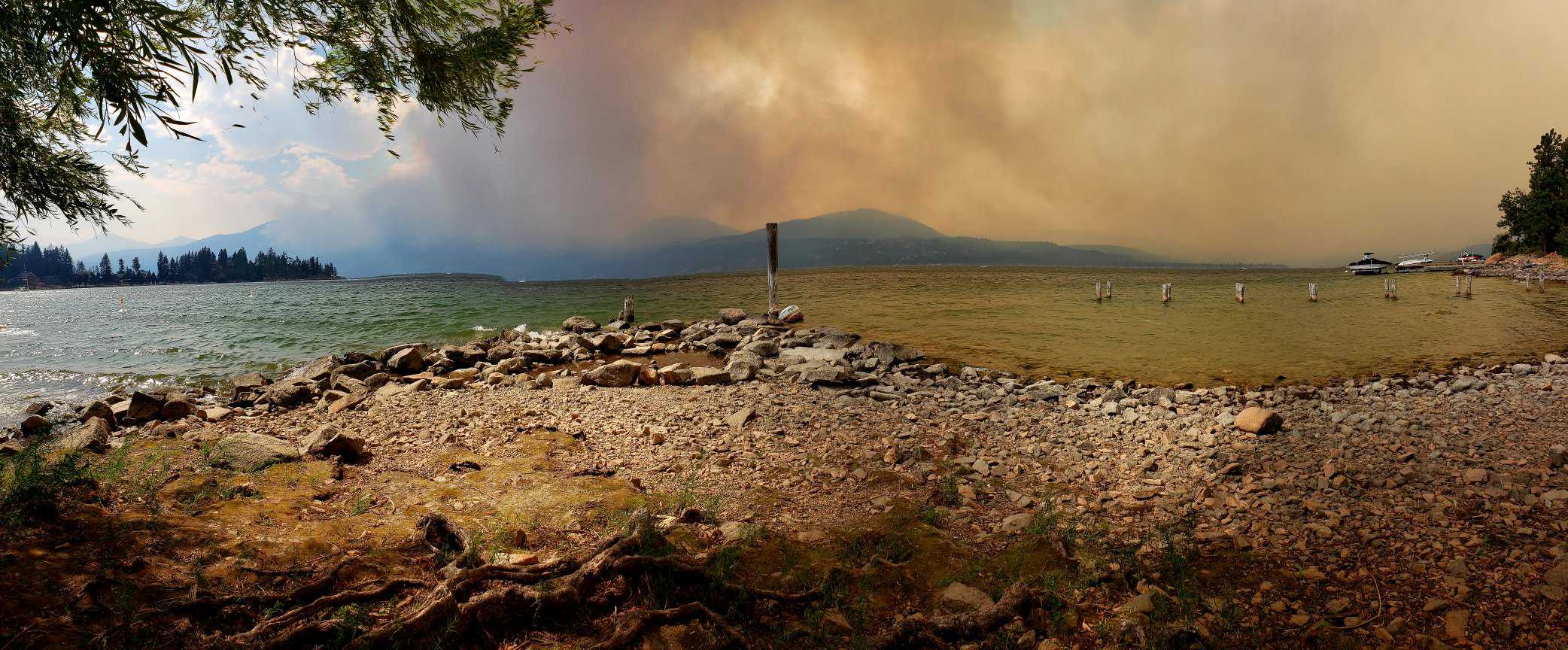
The White Rock Lake wildfire has burned through berry patches, hunting grounds and ceremonial sites, destroying many beloved homes where sqilxw families have raised up several generations.
People living in Okanagan Indian Band IR #1 have been under an evacuation order since Aug 1, and that order was expanded on Sunday to include the northern end of the OKIB community. Today the order was partially rescinded for the Head of the Lake and Round Lake areas.
Byron Louis is Chief of the Okanagan Indian Band (OKIB), which includes over 2,000 members.
Louis confirms ten homes and a locally-owned business have perished in this fire, which was first discovered on July 13 and is one of 262 wildfires currently burning in B.C.
“We’re still dealing with the actual fire, but we also have to deal with the process of recovery and we can’t stop one to start with the other, because you can’t operate like that.”
OKIB leadership has been working to keep community members informed and to ensure mental health supports are available to all evacuees.
Ceremonies began immediately following the devastating losses on Sunday, and on Monday evening, OKIB hosted a community meeting via Zoom which was attended by over 160 people.
During the meeting, community leadership shared heartbreaking news of the losses sustained by the community while workers from the band’s Emergency Operations Centre made themselves available for questions.
Louis says while the situation remains “volatile,” he appreciates how community members have stepped up to support each other.
“I’m [also] affected,” says the Chief, who’s been working from a hotel room in Vernon, on his syilx home territory.
“I’m sitting here and the home that we had and raised our children in is in the path of a fire — along with everyone else.”
Inspired by OKIB’s ‘strength and resilience’
Louis says they are now working diligently to look ahead at what’s to come.
“We have so much to do after this,” he says.
“[We have] our watersheds that have been drastically impacted. We have wildlife that is now displaced. It’s not just us — it’s also them that we’re dependent on. They have to go through a winter where their area and sustenance has all been destroyed, so how do we ensure they are also taken care of?
“We have to look at the mitigation of flood, flood damage,” he says, adding that this crisis comes with an opportunity for Indigenous leadership to apply traditional knowledge to restore and rehabilitate the land.
“We want to actually practice our past practices,” he says. For example, “If we have berry grounds, then don’t plant trees in there.
“We have the ability to improve moose habitat and also ensure that elk are allowed to recover. We also have the ability to reintroduce animals [like beavers] that were in that particular area, but [have] now been displaced.”
As ceremonies and prayers continue to strengthen the community, and support services do their best to control the fires, Louis says OKIB leadership is committed to getting people back home.
Asked what he admires most about his community, the chief says it’s their “strength and resilience.”
The fire has been “very devastating to our people, but we’ve stayed calm when orders were given,” he says.
“They knew this was in the best interest in their family.”
Author
We live in a media ecosystem that thrives on misinformation. Big Tech and AI companies are consuming the work of real human beings and Canadian news has been banned on Facebook and Instagram.
And yet, I have hope for journalism because of the work we’re doing at IndigiNews.
At IndigiNews, we embody tâpwêwin — the Cree value of integrity and responsibility in truth-telling. We are committed to our independent, Indigenous-led newsroom rooted in community, accountability, and relationality. We believe storytelling is a sacred fire that connects our pasts, presents, and futures through the storytellers in our Storytelling Lodge. IndigiNews creates space for Indigenous journalists, storytellers, Knowledge Keepers, and communities to gather, learn, and share stories that matter.
As a registered charity, we are building a fire that allows our work not just to ignite but to thrive. Rather than relying on advertising or corporate acquisition, IndigiNews is sustained by people like you who believe Indigenous stories are important for the future of our communities.
Your support is making a real difference.
Our community of supporters, our Firekeepers, make it possible to grow our newsroom, publish award-winning journalism, train emerging Indigenous journalists through initiatives like the ReFocus Photojournalism Fellowship, and publish trustworthy stories that serve our communities across the country. Every story we publish helps fill in gaps left by mainstream media and ensures Indigenous perspectives are represented with care, accuracy and respect.
But there is still more work to do.
As the media landscape becomes more and more uncertain, community support is as necessary and essential as it’s ever been. Every new Firekeeper helps protect the independence of our newsroom and strengthens journalism that is accountable to our many and varied communities over corporations.
That’s why we’re inviting you to become a Firekeeper.
Firekeepers tend to and protect the sacred fire. Your monthly contributions directly support IndigiNews’s Storytelling Lodge, helps sustain our independent, Indigenous-led newsroom, and ensures future generations of Indigenous storytellers have the resources they need to do the work.
As a registered Canadian charity, all eligible donations receive a charitable tax receipt.
If you believe Indigenous stories matter, if you value independent journalism, and if you want to help build a strong future for Indigenous media, we invite you to join our circle of Firekeepers today.
Together, we can keep the fire burning.
— Eden Fineday, Publisher, IndigiNews
Support us nowLatest Stories
-
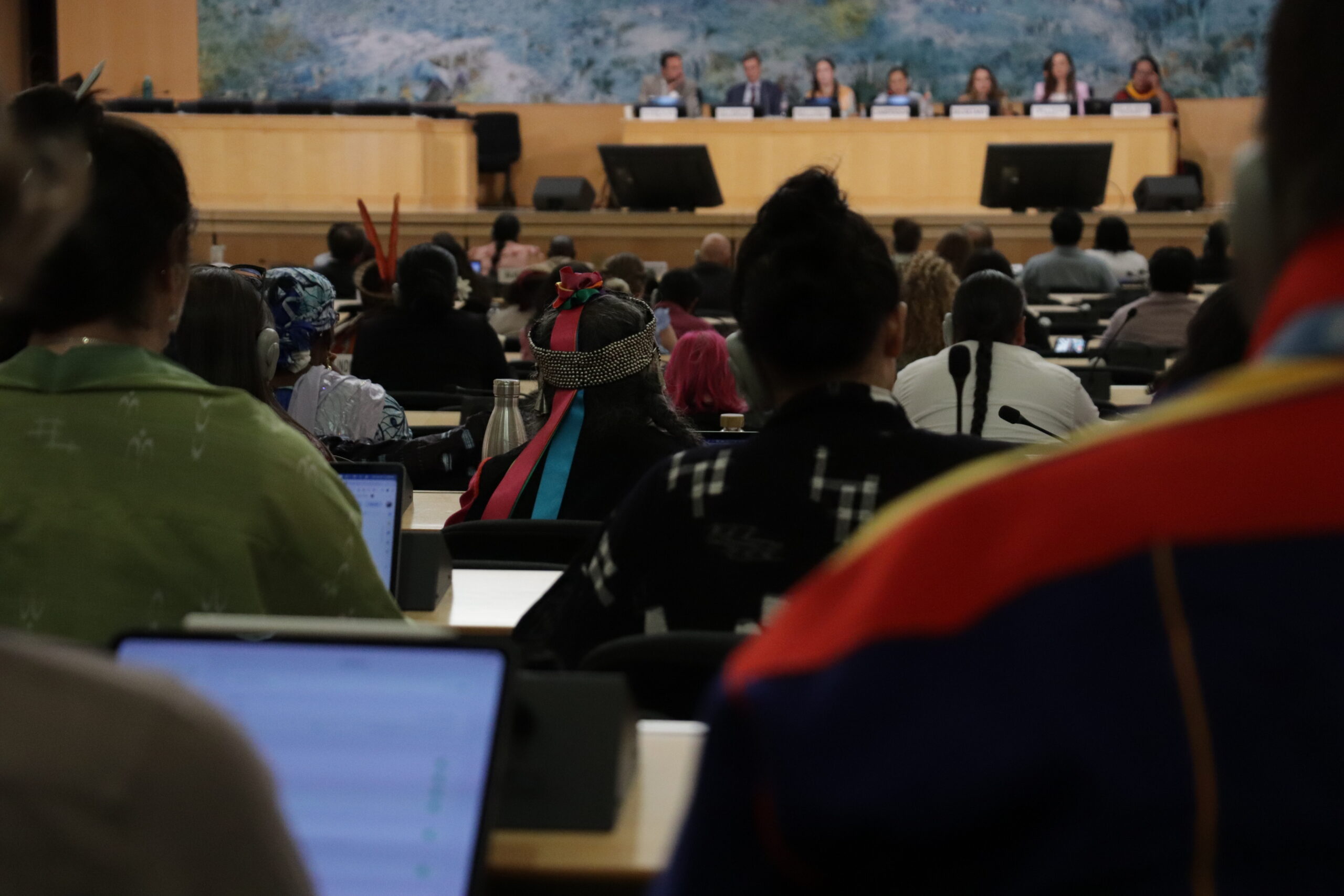
Indigenous leaders give the UN a roadmap for protecting their peoples
Amidst prayers and vows of solidarity, UN Expert Mechanism on the Rights of Indigenous Peoples ends annual meetings with demands for ‘action we’re not seeing globally’
-
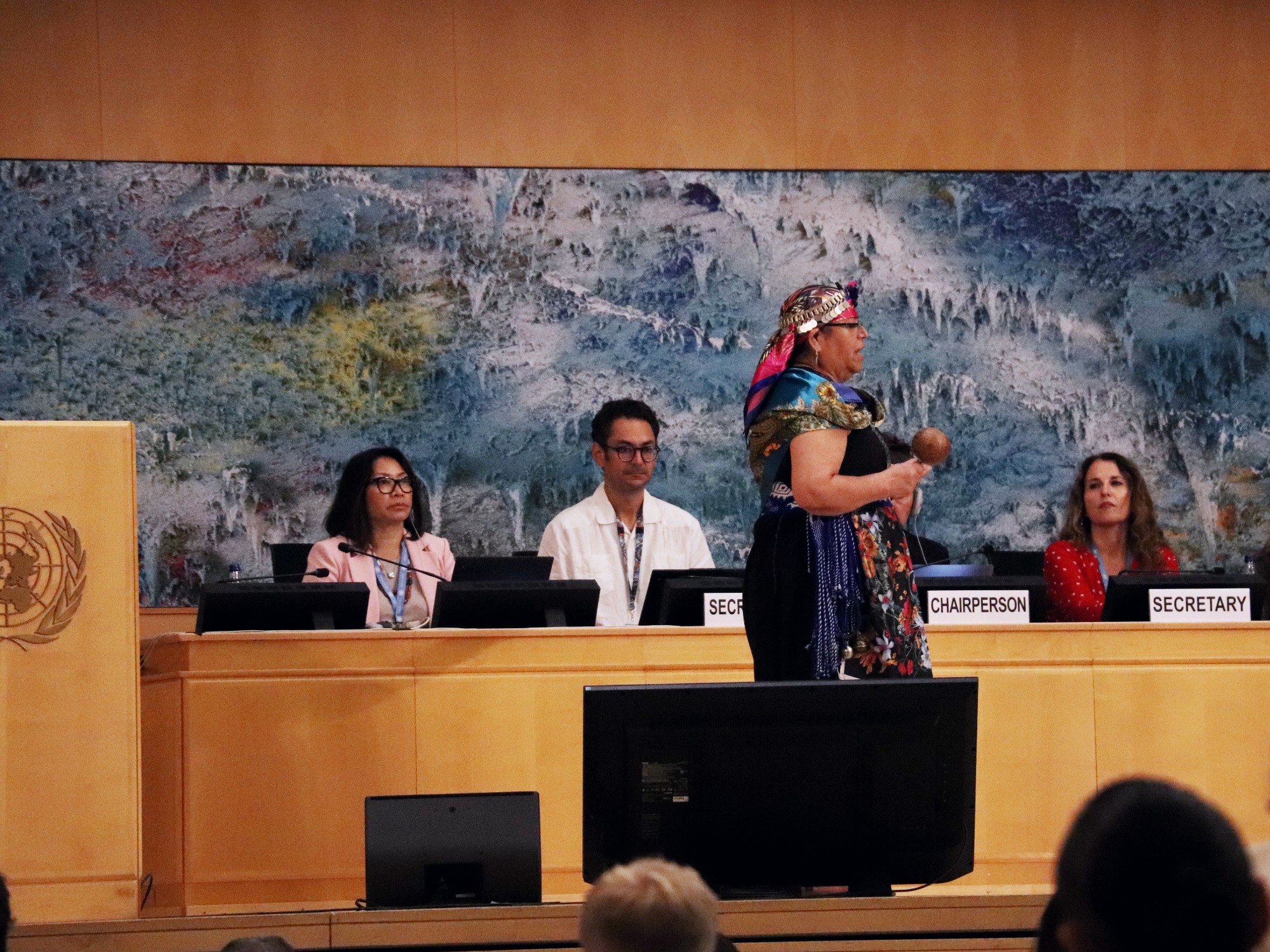
Indigenous people demand more say at the UN, as new crises hit their homelands
Indigenous nations live ‘on the frontlines’ of climate, conflict and new tech. But their voices remain sidelined in the global halls of power.