Interior Salish culture camps create ‘a safe haven’ during provincial wildfires
Organizers move ahead with caution, connecting young people with land-based teachings, healing and kinship
This article has been co-published with The Narwhal as part of their 2026 Indigenous journalism fellowship.
For 10 days in July, Qaqaqam Chris Wells spent time on the land camping with Líl̓wat Youth, teaching Lil̓wat7úl cultural protocols, songs and stories. The Kwáozán̓tsut Cultural Summer Camps have been “a long time coming,” he said.
“Bringing our children back onto the land is teaching them land based healing and learning,” Wells said. “It was really awesome to bring back our culture.”
Hosted at Klháka7min, previously known as the Coast Mountain Outdoor School, two separate age groups camped for five days each between July 6th and July 17th.
Though the Youth were a bit shy at first, Wells and fellow camp leaders Ánwasúlmec Brett Wallace and Sík Sík Joshua Anderson say that by the end of each cohort, seeing how the participants had come out of their shells was a highlight.
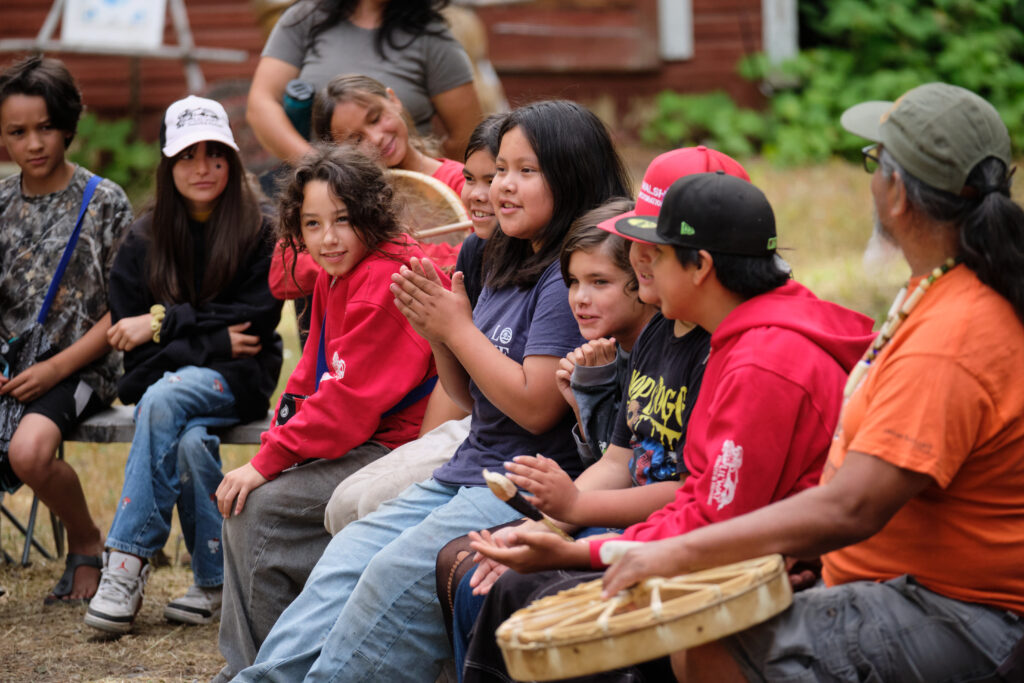
“It was extra special for me: I had two of my daughters there, one in each age group,” Anderson said. “It was an opportunity to spend more time with them during the busy summer.”
During this year’s culture camp, a wildfire prompted evacuations in Pemberton, located approximately 25 kilometres down the road. Despite the nearby fire, the culture camp was a success — connecting youth with tradition, the land and culture.
“We were pretty safe from all the fires happening around us,” Wells said. He’s stewarded the territory since he was a youth.
Land based learning, education and connection
Between the two age groups — 9 to 12-year-olds, and teens — 30 Youth attended the camps.
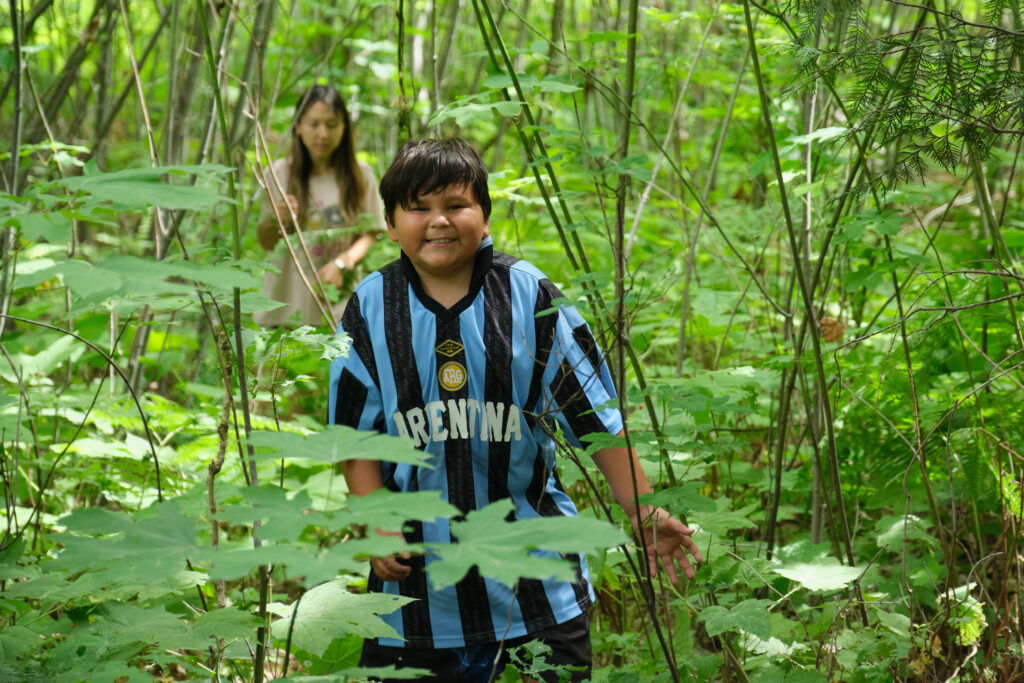
Líl̓wat Elders took Youth out onto the land, teaching them about edible berries and teas that grow in the area during that time of year.
“Every evening we had singing and drumming, and talked about cultural protocols. We talked about the origin of the songs. We talked about our ceremonies,” Wells said.
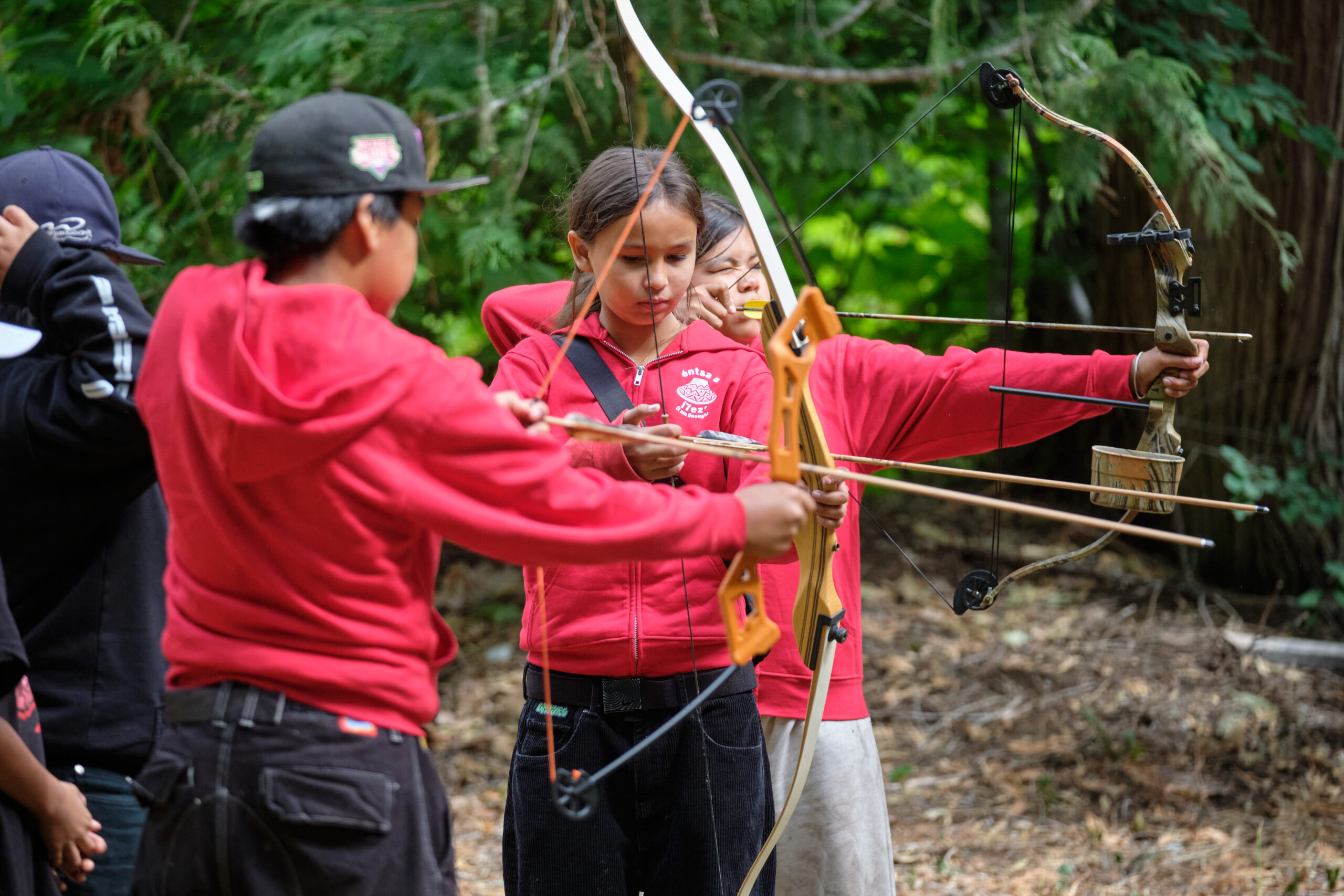
Archery, axe throwing and rifle shooting with the older age group all took place with laughter and storytelling throughout.
Youth had the opportunity to make traditional rattles and smudge bowls, ceremonial items that can be hard to access for a young person. Anderson said that numerous parents reached out to him after the camp, sharing how their child went home wanting to practice their culture more through smudging.
The Youth even made a swimming hole to jump into cold glacier water, adding some casual fun into the mix, and relief from the hot summer days.
“You can’t forget the fun part of it. We had the opportunity to play bone game in the evening time,” Anderson said, which showed the youth “how disputes were settled in a traditional manner.”
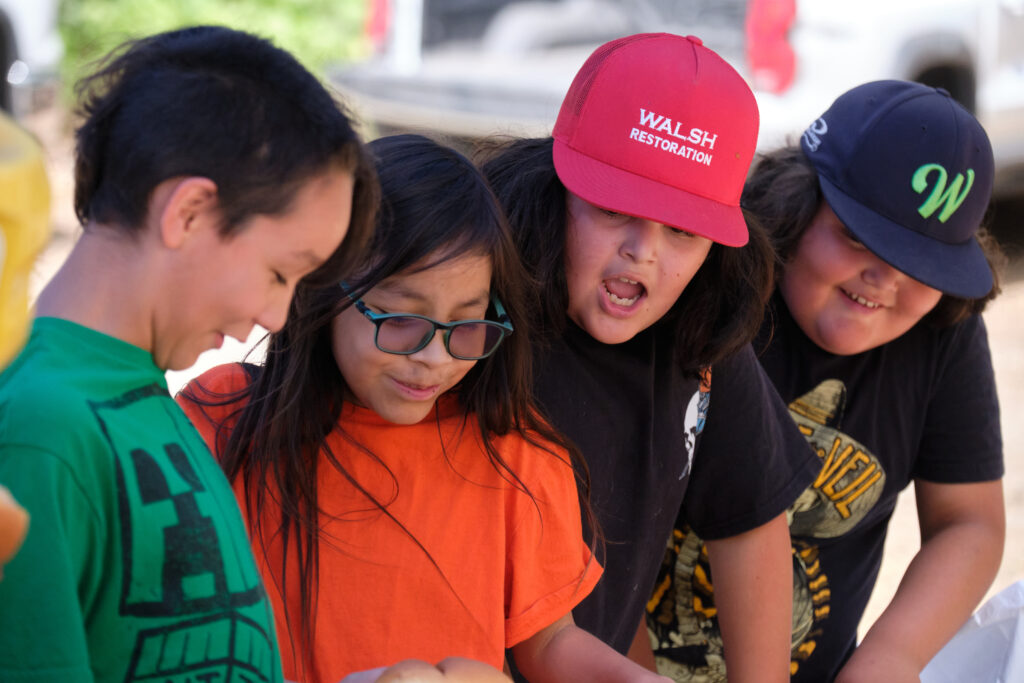
The bone game is a traditional game used historically as an alternative to war by nations along the Salish Sea, and has other names such as “stick game” or “hand game” in other areas of Western “Canada.”
Youth were also split into three groups and tasked with helping in the kitchen. Local Lil̓wat7úl chef Casey Gabriel taught them how to cook for the group and clean up afterwards.
The Kwáozán̓tsut Cultural Summer Camps were championed by the organizing trio of Anderson, Wells and Wallace, who are no strangers to hosting culture camps. But despite hosting camps in St’át’imc Nation communities for years, it took some time to prepare and build the trust required to host youth camps in their own nation.
Now the Líl̓wat Nation wants to host another culture camp this fall. Wells, Wallace and Anderson are all looking forward to sharing their knowledge and helping out.
Annual culture camp is a ‘safe haven’
Excitement for future camps is a sentiment shared by Michelle Isaac, who always lends a helping hand at an annual Nlaka’pamux culture camp hosted at Pasulko Lake, located in “B.C.’s” Southern Interior.
“My stepmom at the time, Amy Chapman, brought me up to what used to be called the healing gathering. All I remember from there was how much of a difference it made in my life,” Isaac said to the Narwhal.
She attended the healing gathering after surviving a severe car accident, but over the years, the annual gathering lost volunteers and resources.
Having experienced the healing energy of gathering herself, and meeting with the service agency about how to support community members, Isaac and a group of ladies working for Nlha’7kapmx Child and Family Services decided to spearhead a community based culture camp.
Now in its 15th year, people in the area look forward to gathering at Pasulko Lake each summer, practicing culture and being together on the land.
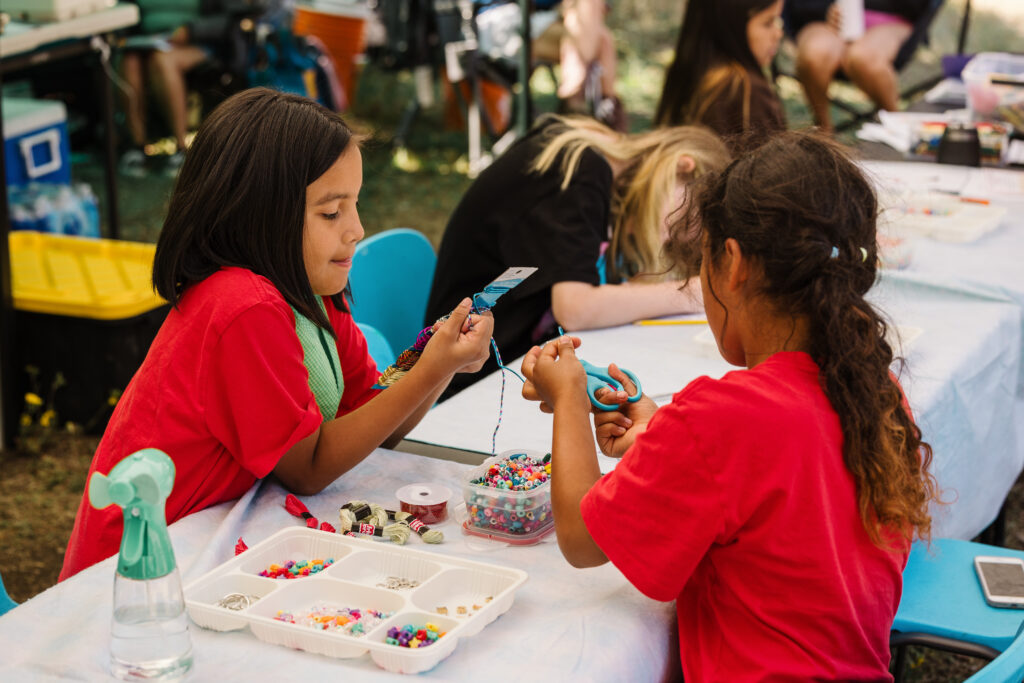
This year, a mix of cultural activities, including drum making, cedar weaving and language friendship bracelet making took place, along with activities such as a tug-of-war game between youth and the local firefighting group, the Lytton Rattlers, and local musician Ritchie and the Fenderman performing.
Isaac attends camp each year with her children, who are part of the Lower Nicola Indian Band community. While Isaac is not Indigenous herself, she still attends with an open heart and mind, supporting in any way she can. When wildfires are burning, she sees the camps as an especially important place for youth.
“They’re able to come up there and do the activities, do the crafts, I find it takes a lot of stress and fear from the fire away from them,” Isaac said. This year, it’s also been an important refuge for her as well, after she was evacuated in July due to the nearby Brunswick Creek wildfire.
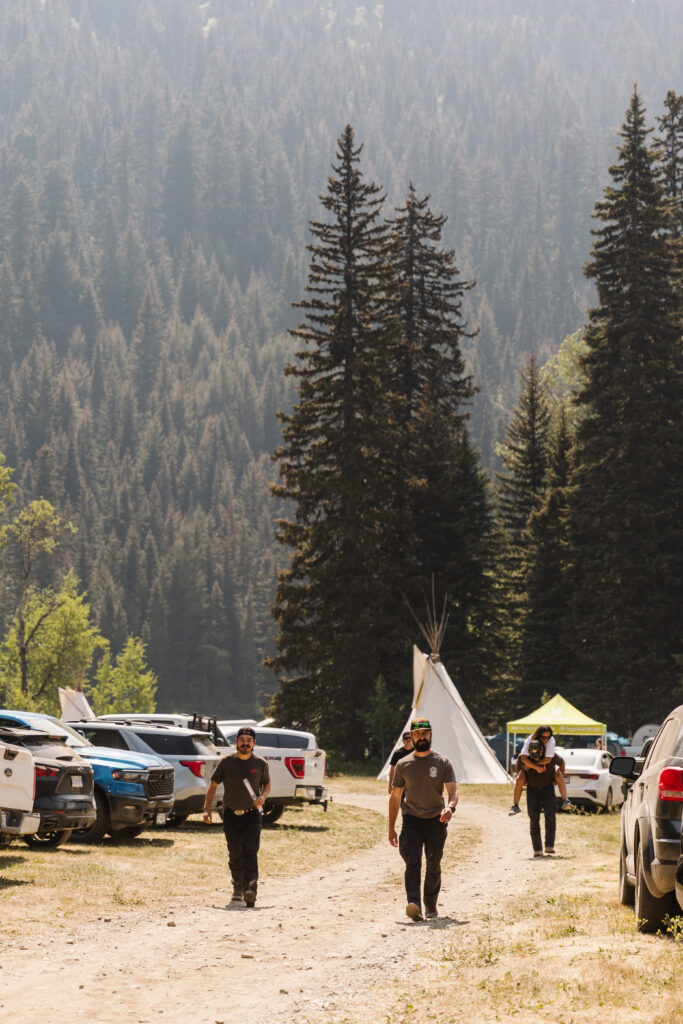
“Fire-wise, for me it was a safe haven. My one daughter came up as well, who was also evacuated, and hung out all week there. It gave me a safe place,” she said.
Across “B.C.” and “Canada,” wildfires disproportionately impact First Nations communities. Though they represent only five per cent of the population, it’s estimated that First Nations are 42 per cent of all wildfire evacuations.
As wildfires blaze all around the Interior, the camp offered a break from smoke for those in attendance. On event posters this year, air quality warnings were addressed, with evacuation routes marked along the way to camp as a precaution.
People who attended camp were asked to register at the sign in desk daily, to track who was there, and were informed about a muster point in the event of evacuation.
The decision to continue on with both culture camps was deliberated by organizers carefully, with designated people monitoring surrounding wildfires.
Renegerating the land through fire
“B.C.” was the first province or territory in the country to ban cultural burning in 1874, prohibiting generations of Indigenous people from stewarding their territories with fire. In 2024, 150 years later, the province officially amended wildfire regulations to support cultural burns. Today, many nations are in the process of reclaiming this practice, including Líl̓wat.
“We can’t look at fire as dangerous all of the time. We gotta look at it as an element that helps us regenerate, and help us repurpose the land,” Wallace added.
An example of fire regenerating the land was visible to those at Líl̓wat’s culture camp through an abundance of berries, following a cultural burn several years before.
“That specific area was culturally burnt seven or eight years ago and now finally it’s starting to reproduce huckleberries,” Wallace said. “It’s not just a small piece of land, it’s a really big area, and the whole area was covered in huckleberries and raspberries because of these cultural burns that happened.”
Youth were able to harvest these berries, and surrounding wildlife have a tasty treat.
And in the era of technology, culture camps give youth the opportunity to disconnect from the internet, and to connect with the natural world.
“Back in our time, we didn’t have technology to hold us back from being out on the land,” Wells said. “It’s important to return to land-based healing … to be Stʼatʼimc, and to do Stʼatʼimc things.”
Author
We live in a media ecosystem that thrives on misinformation. Big Tech and AI companies are consuming the work of real human beings and Canadian news has been banned on Facebook and Instagram.
And yet, I have hope for journalism because of the work we’re doing at IndigiNews.
At IndigiNews, we embody tâpwêwin — the Cree value of integrity and responsibility in truth-telling. We are committed to our independent, Indigenous-led newsroom rooted in community, accountability, and relationality. We believe storytelling is a sacred fire that connects our pasts, presents, and futures through the storytellers in our Storytelling Lodge. IndigiNews creates space for Indigenous journalists, storytellers, Knowledge Keepers, and communities to gather, learn, and share stories that matter.
As a registered charity, we are building a fire that allows our work not just to ignite but to thrive. Rather than relying on advertising or corporate acquisition, IndigiNews is sustained by people like you who believe Indigenous stories are important for the future of our communities.
Your support is making a real difference.
Our community of supporters, our Firekeepers, make it possible to grow our newsroom, publish award-winning journalism, train emerging Indigenous journalists through initiatives like the ReFocus Photojournalism Fellowship, and publish trustworthy stories that serve our communities across the country. Every story we publish helps fill in gaps left by mainstream media and ensures Indigenous perspectives are represented with care, accuracy and respect.
But there is still more work to do.
As the media landscape becomes more and more uncertain, community support is as necessary and essential as it’s ever been. Every new Firekeeper helps protect the independence of our newsroom and strengthens journalism that is accountable to our many and varied communities over corporations.
That’s why we’re inviting you to become a Firekeeper.
Firekeepers tend to and protect the sacred fire. Your monthly contributions directly support IndigiNews’s Storytelling Lodge, helps sustain our independent, Indigenous-led newsroom, and ensures future generations of Indigenous storytellers have the resources they need to do the work.
As a registered Canadian charity, all eligible donations receive a charitable tax receipt.
If you believe Indigenous stories matter, if you value independent journalism, and if you want to help build a strong future for Indigenous media, we invite you to join our circle of Firekeepers today.
Together, we can keep the fire burning.
— Eden Fineday, Publisher, IndigiNews
Support us nowLatest Stories
-
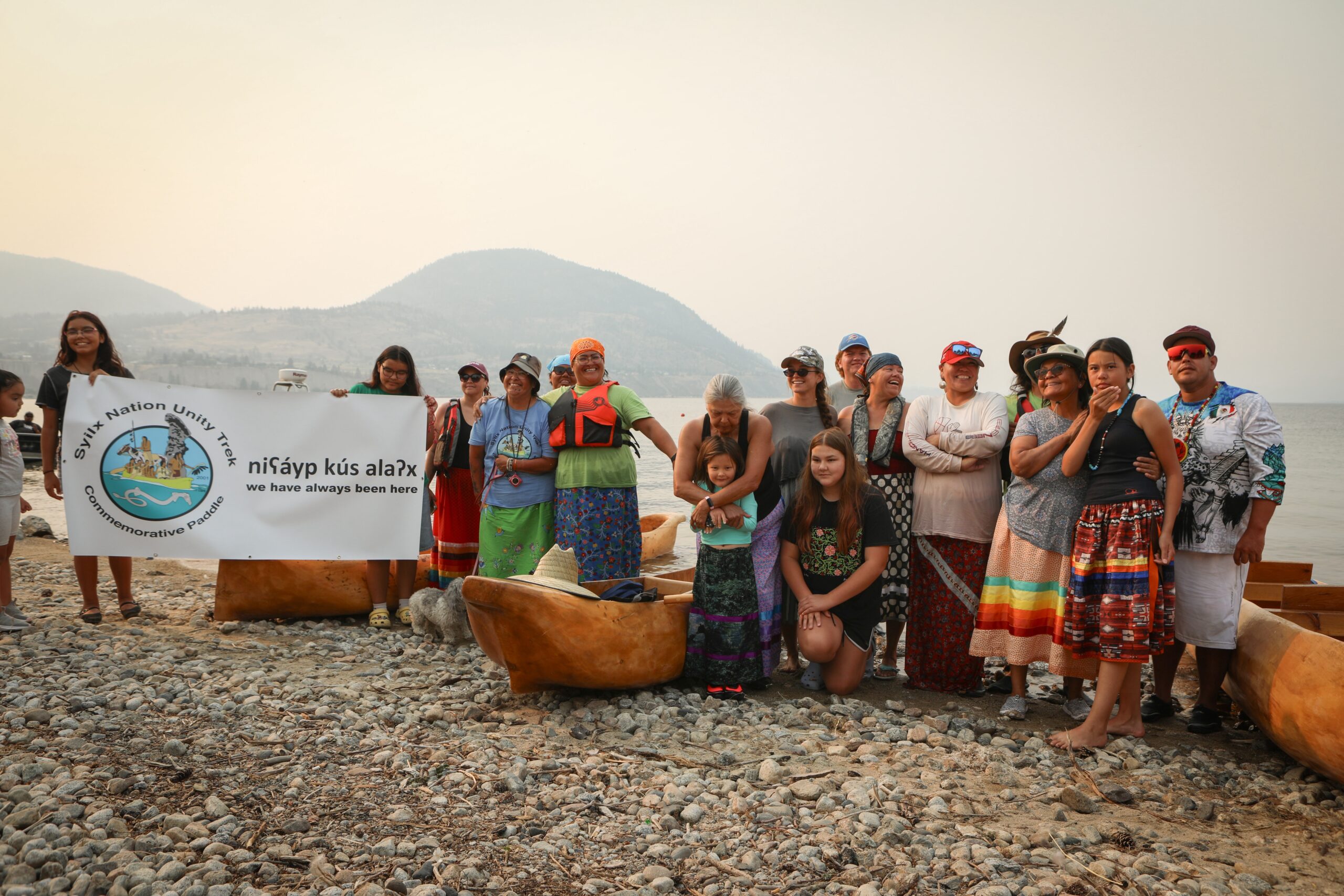
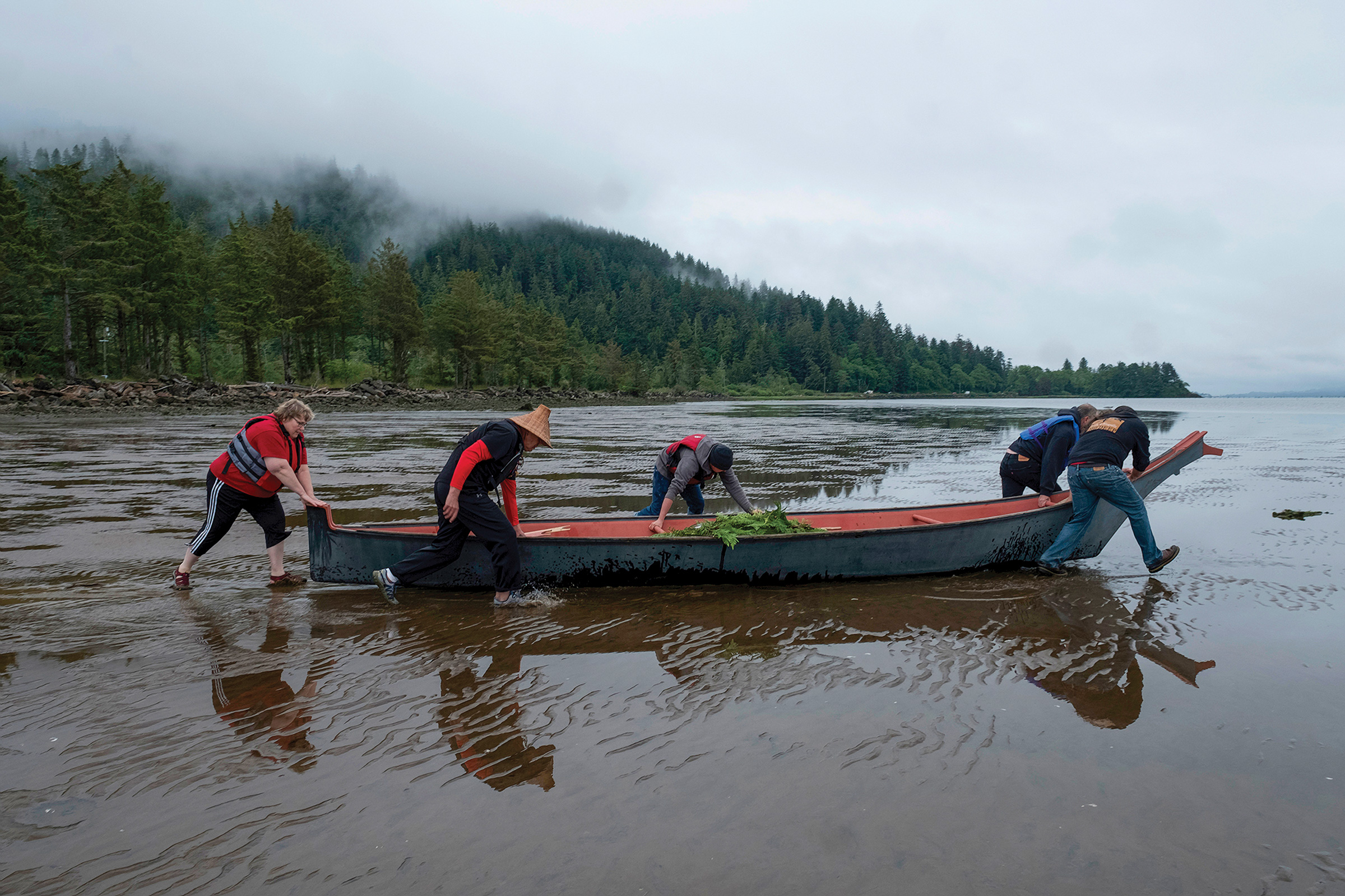
Travelling in dugout canoes, syilx Okanagan paddlers complete weeklong Unity Trek
‘Unity is connecting the people to each other, and connecting ourselves to the land,’ said one participant about the commemorative journey that wrapped up on Aug. 1
-
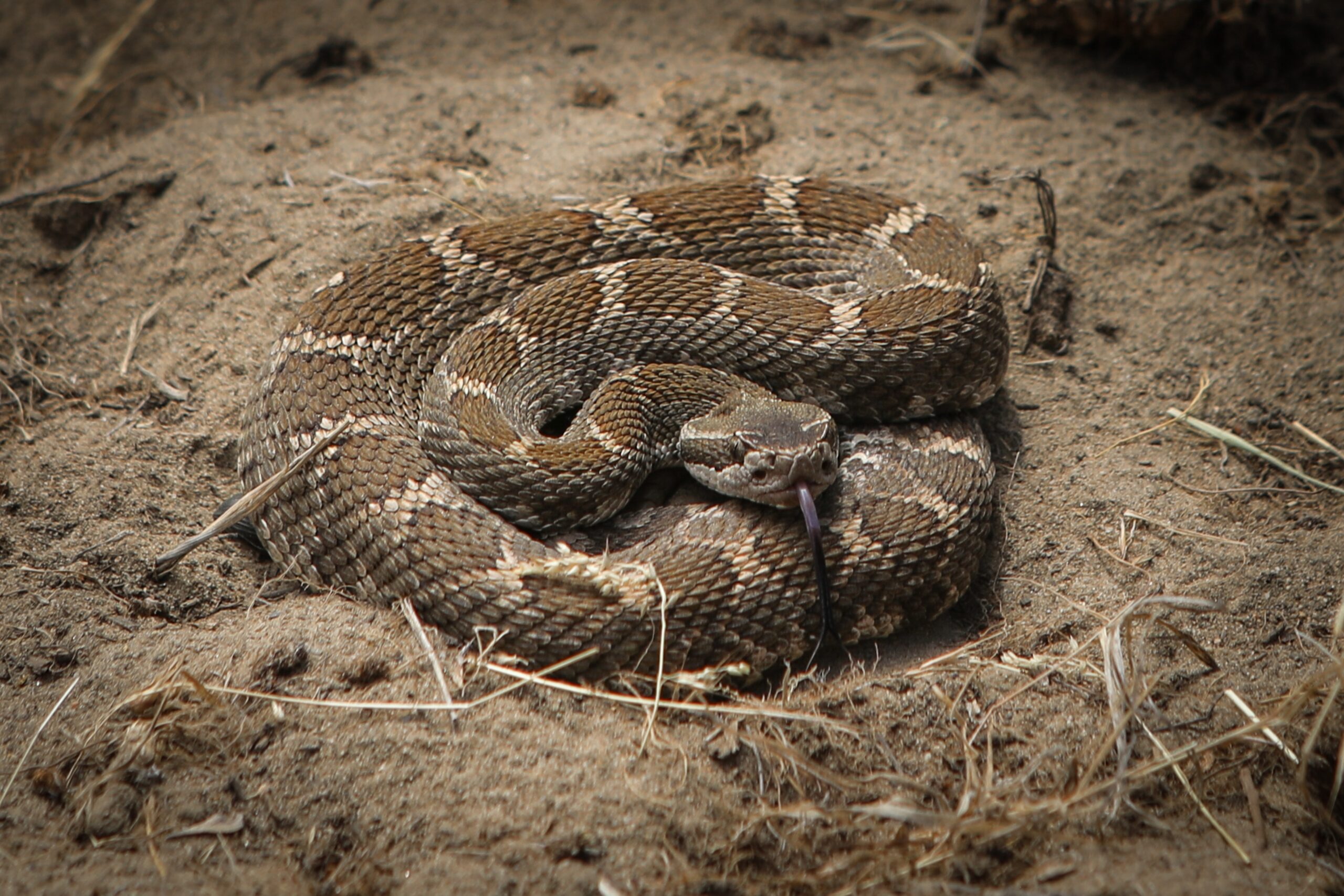
In the Okanagan desert, snakes offer lessons on protecting a fragile ecosystem
For two decades, researchers at the Nk’Mip Desert Cultural Centre have tracked snakes across syilx homelands — while helping people appreciate the often-feared creatures