Sockeye salmon predicted to return in record numbers to Okanagan rivers and lakes
An inside look at the efforts made to bring salmon back to the Okanagan.
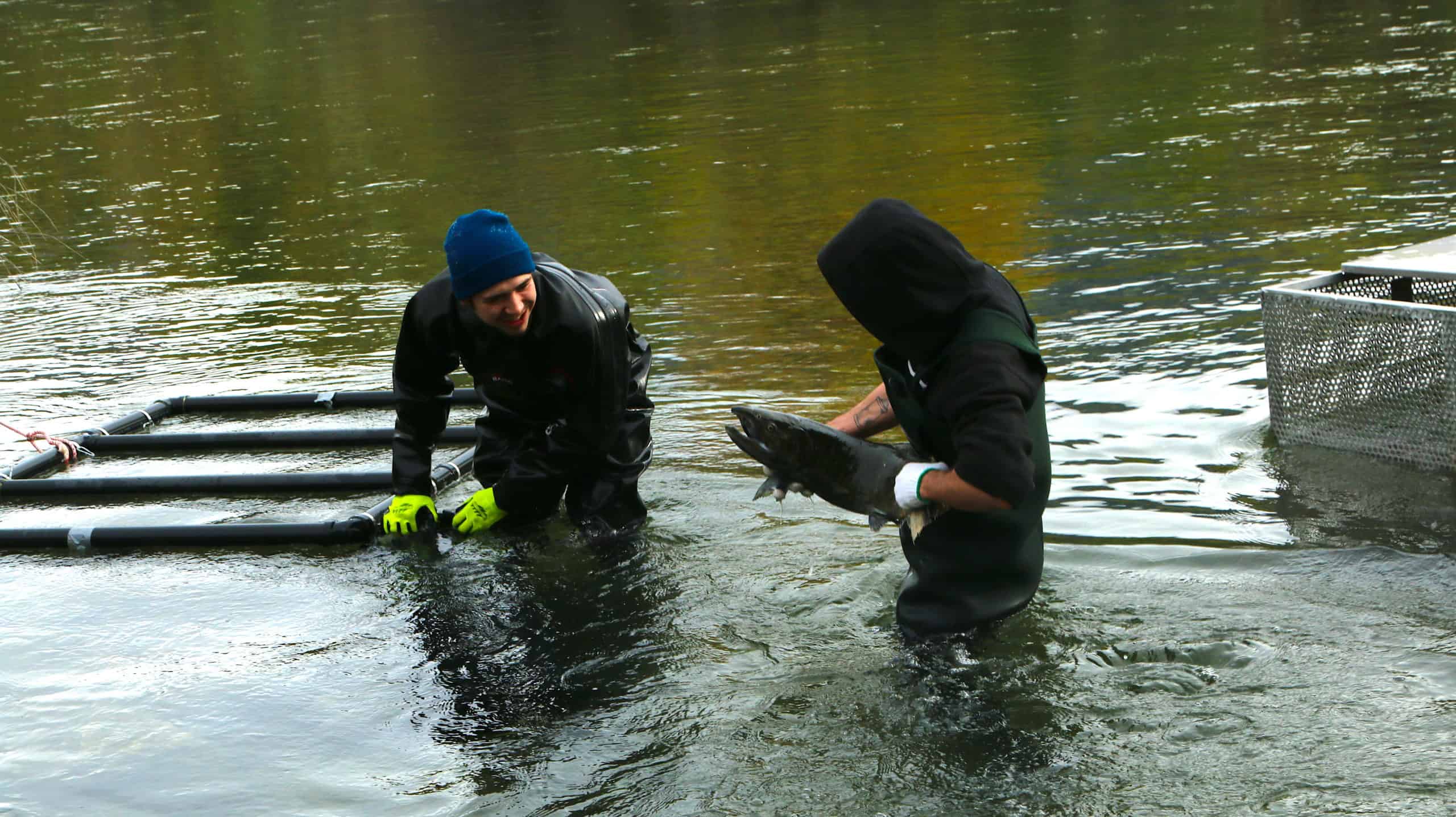
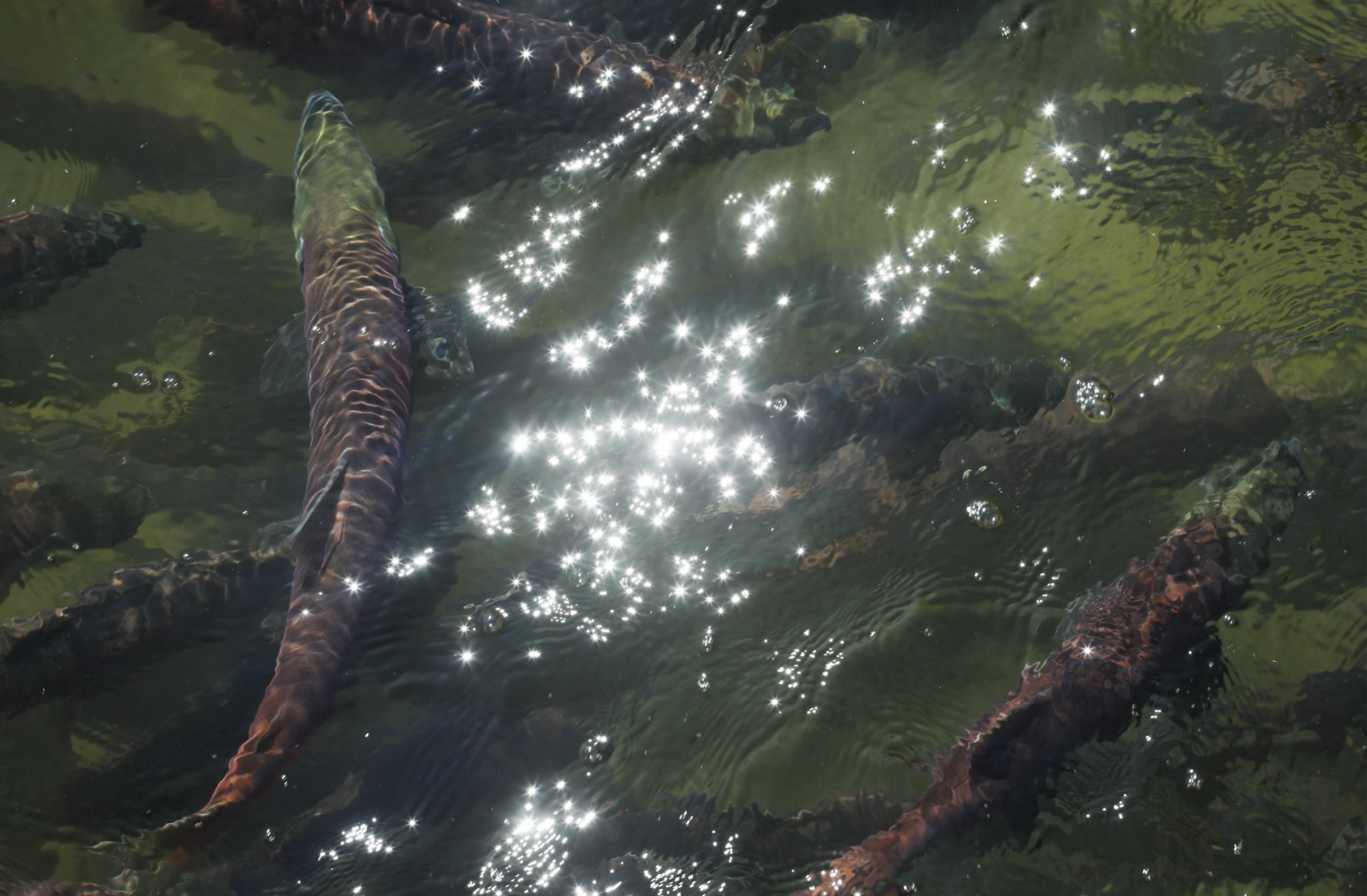
The first day that sockeye salmon were reintroduced into the Penticton Channel was a “really good day,” explains Herb Alec, the Penticton Indian Band hatchery building operator.
“People were crying and it was a really emotional day.”
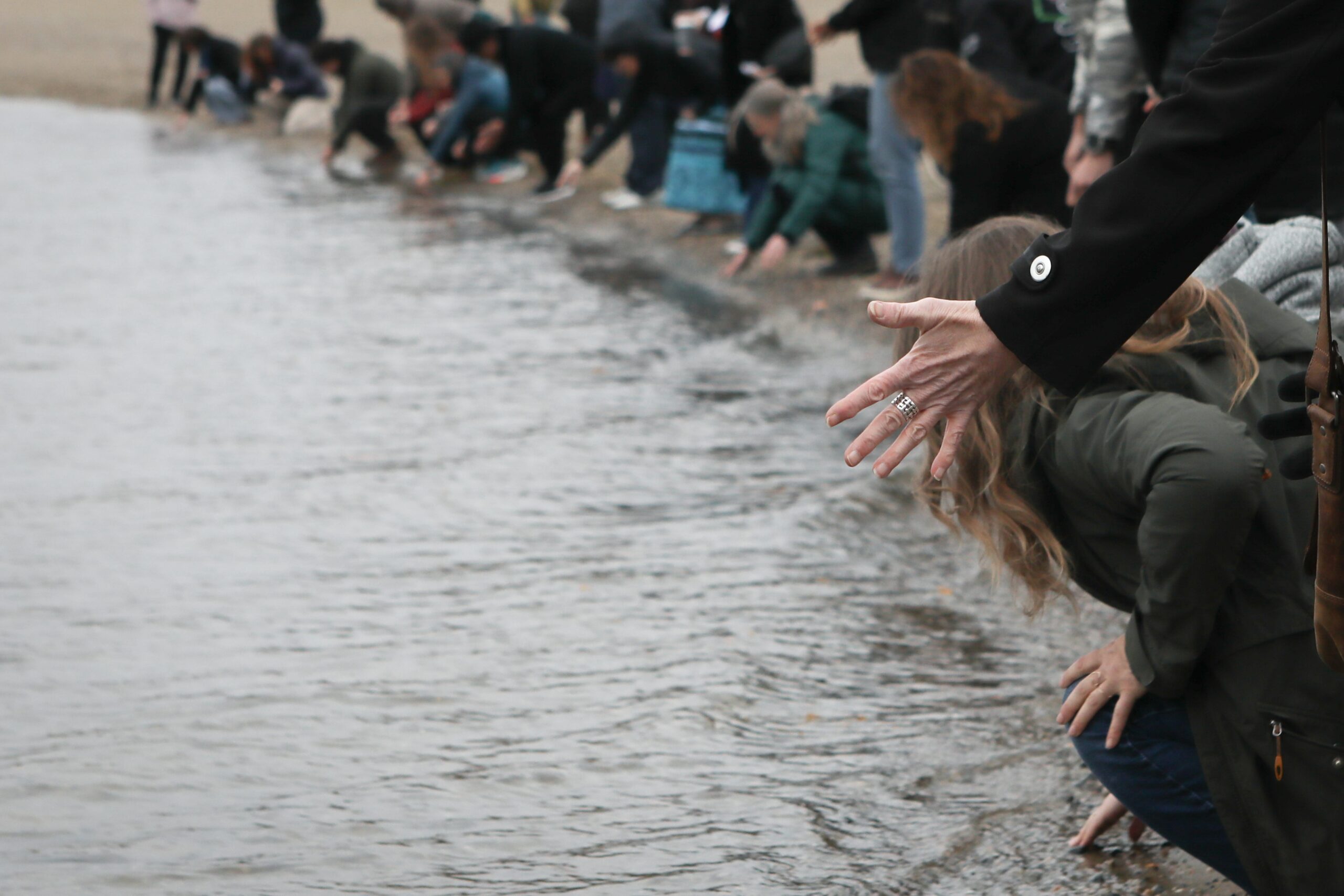
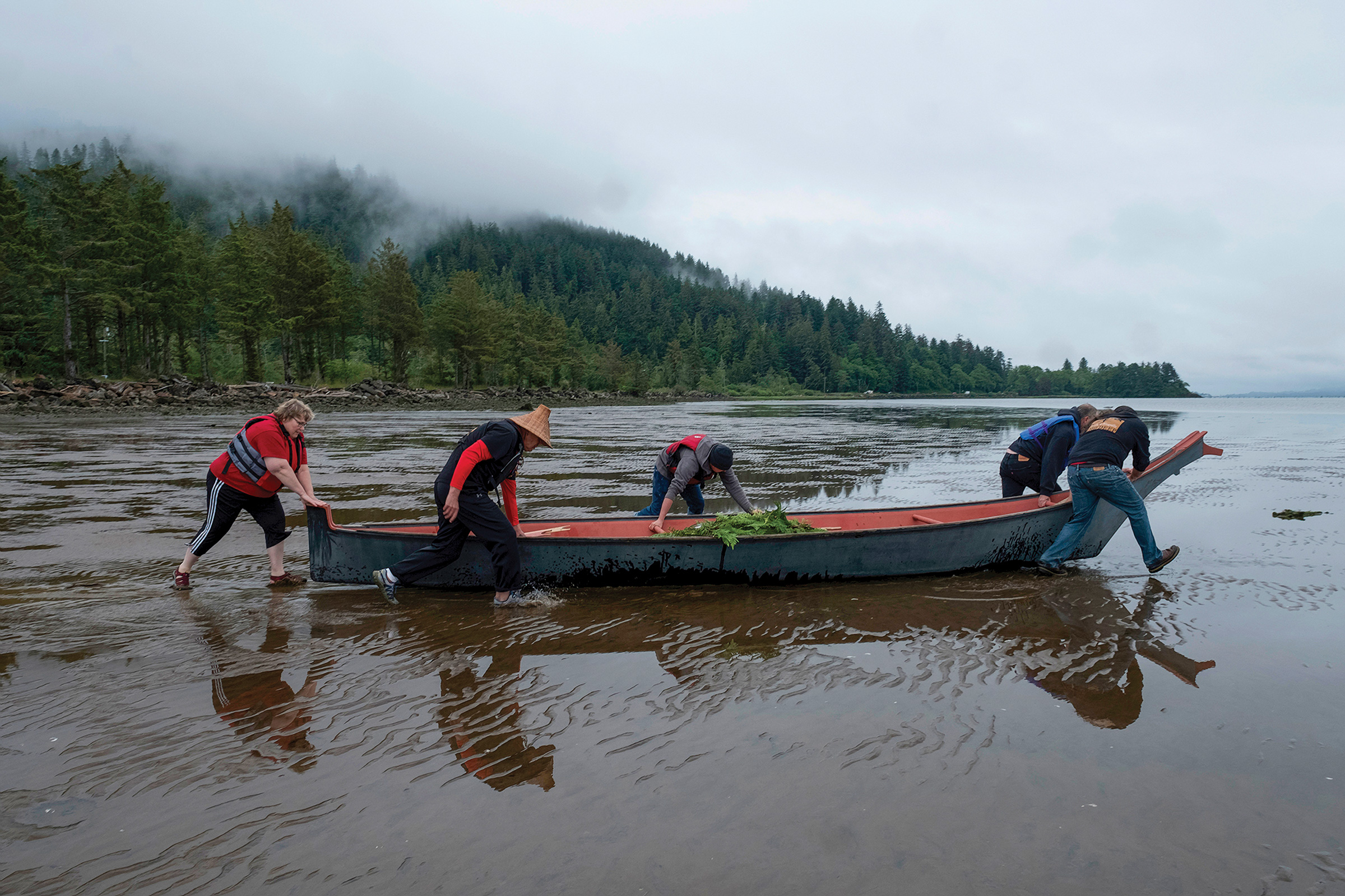
Since May 2004, the Okanagan National Alliance (ONA) has been releasing salmon back into Okanagan rivers and lakes to replenish the salmon population.
ONA’s first release was in the range of 350,000 sockeye salmon and more recently, it’s been as high as 4.2 million sockeye salmon.
This year is on track to be the best return yet.
“The current run forecast estimates that we could see one of the highest returns of sockeye since the reintroduction program began in 2004,” states a press release from ONA.
“We’re estimating about 125,000 to 150,000 [salmon returning] in the Oliver area and between 5,000 and 15,000 in the Penticton channel area,” says Howie Wright, ONA Fisheries Program Manager.
However, with some of the more recent walks that ONA has done, it might be higher in the Penticton area, he says.
ONA will then take no more than 10 per cent of sockeye salmon returning to fertilize for the following year.
How they do it
The ONA — which represents Okanagan Indian Band, Upper Nicola Band, Westbank First Nation, Penticton Indian Band, Osoyoos Indian Band and Lower and Upper Similkameen Indian Bands and the Colville Confederated Tribes — has been working specifically on salmon restoration since 2004.
Today, the work is done through their broodstock and hatchery programs.
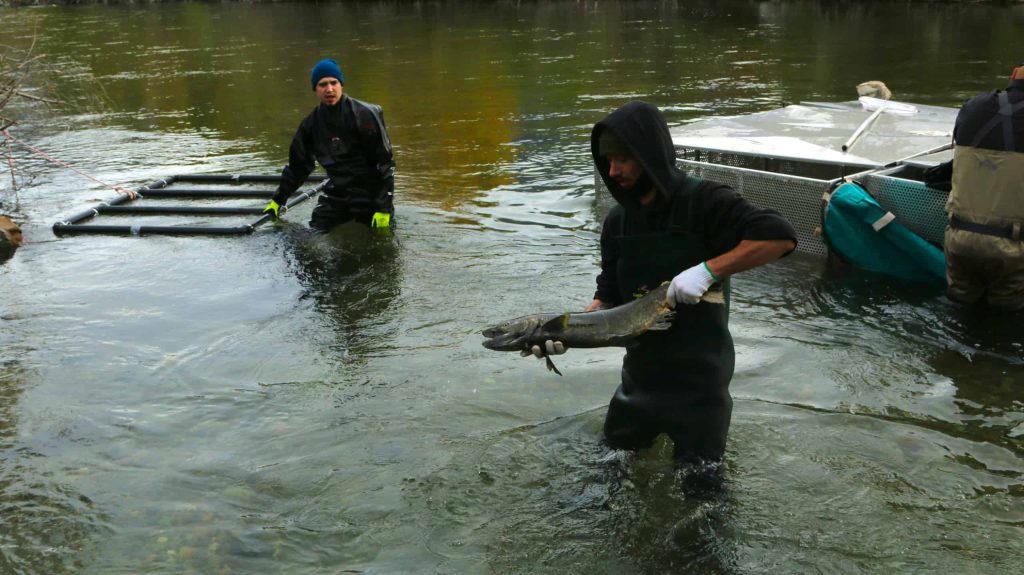
The technicians catch salmon through a netting system and then transfer them into a holding cage for bio-sampling and milt (the semen of a male fish) collection.

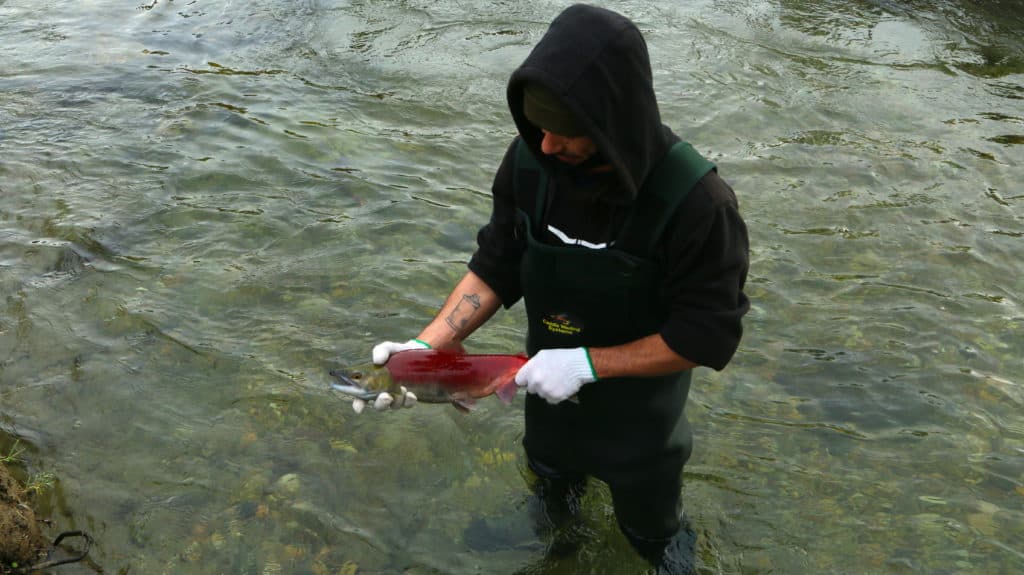
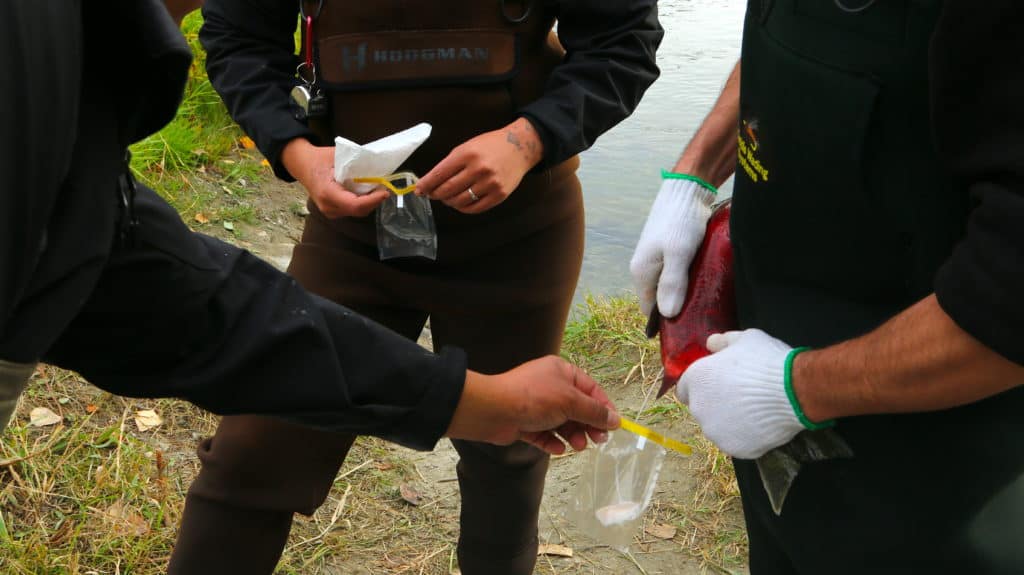
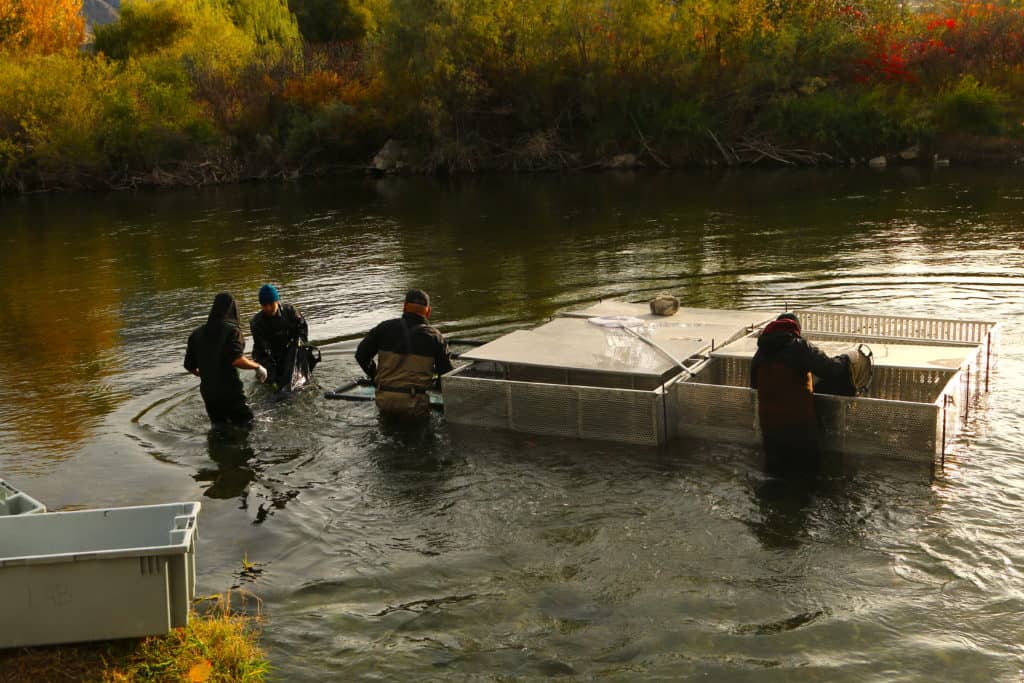
“Broodstock’s purpose is to regenerate the fish population. We’re harvesting all the Sockeye males and females for fertilization at our hatchery,” says Alfred Snow, ONA fishery technician.
Snow has been working in salmon restoration programs for 19 years. This year the ONA has set it up differently, he explains.
“We’re taking all the females live to our hatchery, and they get processed out at the hatchery.”
The kł cp̓əlk̓ stim̓ Hatchery is located on Penticton Indian Band, it opened in 2014. The facility is 25,000 square feet and has the capacity to rear 8 million eggs.

The broodstock collection sticks to a small section of river in Oliver B.C.
“There’s a huge amount of spawning habitat in this part of the river; we only impact [one] area, and the rest is pretty much untouched for spawning,” Snow says.
In their natural habitat, the egg survival rate is low. Naturally it’s four per cent or six per cent “if they’re really lucky,” says Snow. But for fish that are created through the broodstock program and then hatched at the hatchery the success rate is about 30 per cent at minimum, he says.
“The survival rate is excellent cause they’re bigger, stronger when they’re released and so it helps increase their population,” Snow says. “In the hatchery, they don’t have to struggle for food, they feed well, so they get bigger faster.”
Once ONA releases salmon into the Okanagan channel, in Penticton. The salmon will migrate down into Shaka Lake for one year, in their nursery. After a year, they swim down to the Columbia river, and then to the ocean where they will live for three years. From that time they’ll start migration, traveling all the way up to Alaska, heading out towards Japan. Afterwards, they will migrate their way back to the Okanagan, according to Wright.
The program revolves mostly around sockeye salmon. But in 2016, they began collecting chinook eggs from the Chief Joseph hatchery from the Colville Tribe, in Malott Washington and releasing them in the Okanagan, as a ceremonial release.
That changed this year when they collected three wild chinook salmon. This will be the first time the hatchery will be fertilizing and hatching chinook eggs harvested from the Okanagan River. They will be releasing them in the coming year.
Why it matters
Before the hatchery’s opening, the numbers of sockeye salmon decreased; they did not have the habitat needed for survival due to the massive channelization says Alec.
“There was no way for us to get them back,” he explains.
The ONA believes it is essential to replenish the stock of salmon, so Okanagan Nation members will have salmon to eat for future generations.
“When the fish comes back, the culture comes back,” says Alec.
Restoring salmon is particularly important because “the Okanagan Nation has never signed treaties, nor relinquished our right to harvest and manage the fishery,” the ONA website explains.
“Some of the people call it a responsibility for the Okanagan [people] to [bring the salmon back], and we are helping move forward that responsibility,” says Wright.
Author
We live in a media ecosystem that thrives on misinformation. Big Tech and AI companies are consuming the work of real human beings and Canadian news has been banned on Facebook and Instagram.
And yet, I have hope for journalism because of the work we’re doing at IndigiNews.
At IndigiNews, we embody tâpwêwin — the Cree value of integrity and responsibility in truth-telling. We are committed to our independent, Indigenous-led newsroom rooted in community, accountability, and relationality. We believe storytelling is a sacred fire that connects our pasts, presents, and futures through the storytellers in our Storytelling Lodge. IndigiNews creates space for Indigenous journalists, storytellers, Knowledge Keepers, and communities to gather, learn, and share stories that matter.
As a registered charity, we are building a fire that allows our work not just to ignite but to thrive. Rather than relying on advertising or corporate acquisition, IndigiNews is sustained by people like you who believe Indigenous stories are important for the future of our communities.
Your support is making a real difference.
Our community of supporters, our Firekeepers, make it possible to grow our newsroom, publish award-winning journalism, train emerging Indigenous journalists through initiatives like the ReFocus Photojournalism Fellowship, and publish trustworthy stories that serve our communities across the country. Every story we publish helps fill in gaps left by mainstream media and ensures Indigenous perspectives are represented with care, accuracy and respect.
But there is still more work to do.
As the media landscape becomes more and more uncertain, community support is as necessary and essential as it’s ever been. Every new Firekeeper helps protect the independence of our newsroom and strengthens journalism that is accountable to our many and varied communities over corporations.
That’s why we’re inviting you to become a Firekeeper.
Firekeepers tend to and protect the sacred fire. Your monthly contributions directly support IndigiNews’s Storytelling Lodge, helps sustain our independent, Indigenous-led newsroom, and ensures future generations of Indigenous storytellers have the resources they need to do the work.
As a registered Canadian charity, all eligible donations receive a charitable tax receipt.
If you believe Indigenous stories matter, if you value independent journalism, and if you want to help build a strong future for Indigenous media, we invite you to join our circle of Firekeepers today.
Together, we can keep the fire burning.
— Eden Fineday, Publisher, IndigiNews
Support us nowLatest Stories
-
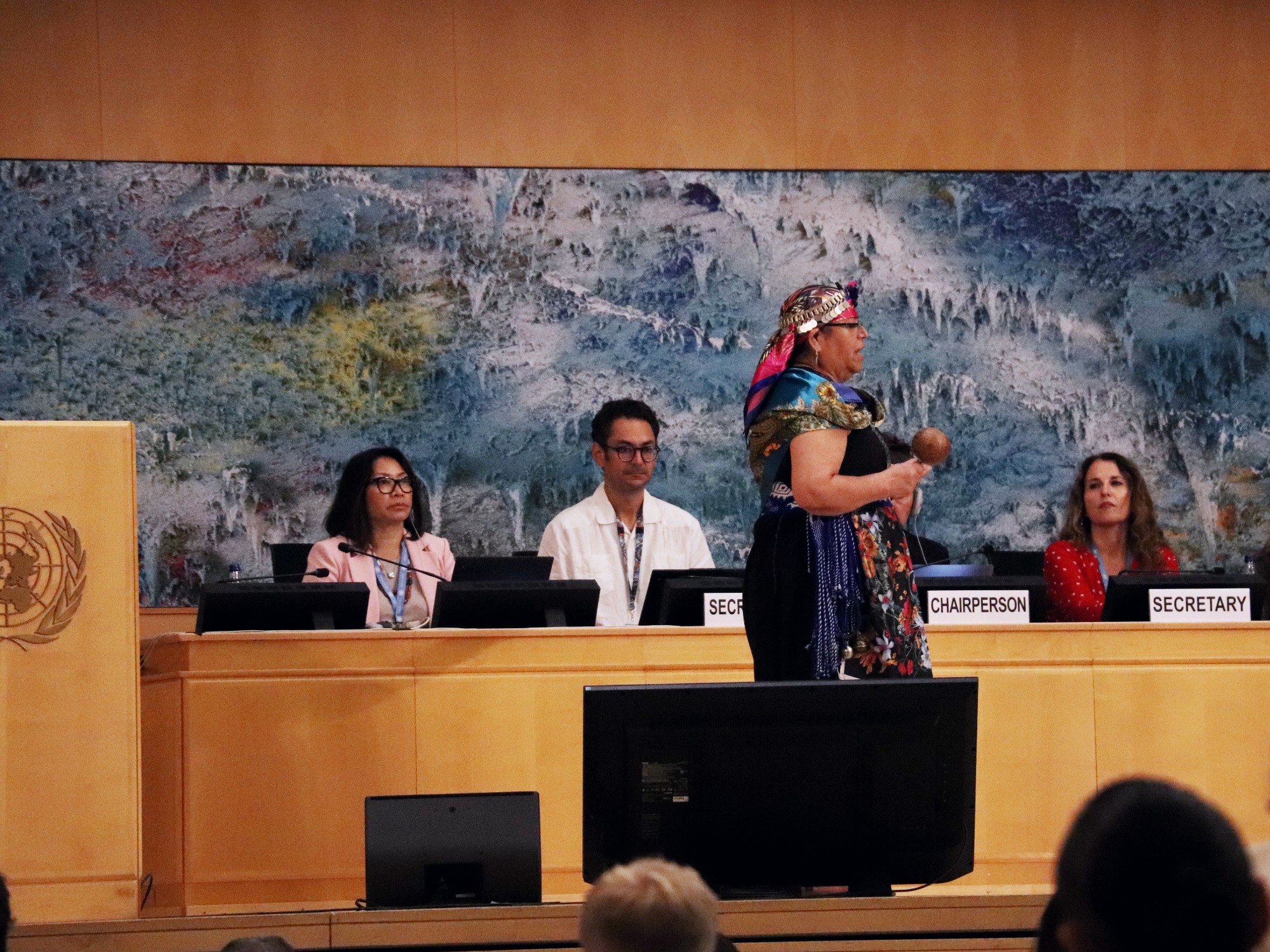
Indigenous people demand more say at the UN, as new crises hit their homelands
Indigenous nations live ‘on the frontlines’ of climate, conflict and new tech. But their voices remain sidelined in the global halls of power.
-
Through their lenses: Showcasing the work of our 2026 ReFocus fellows
Get to know our photojournalism training cohort through a series of portraits shot during a week in Kjipuktuk (Halifax)