Columbia River dams harmed salmon — now governments must invest in bringing them home
It will take a river of people to restore salmon populations, write Secwépemc, syilx and Ktunaxa leaders from the Bringing the Salmon Home Initiative

This op-ed was submitted by members of the Bringing the Salmon Home initiative’s executive working group from the Secwépemc, syilx Okanagan and Ktunaxa Nations.
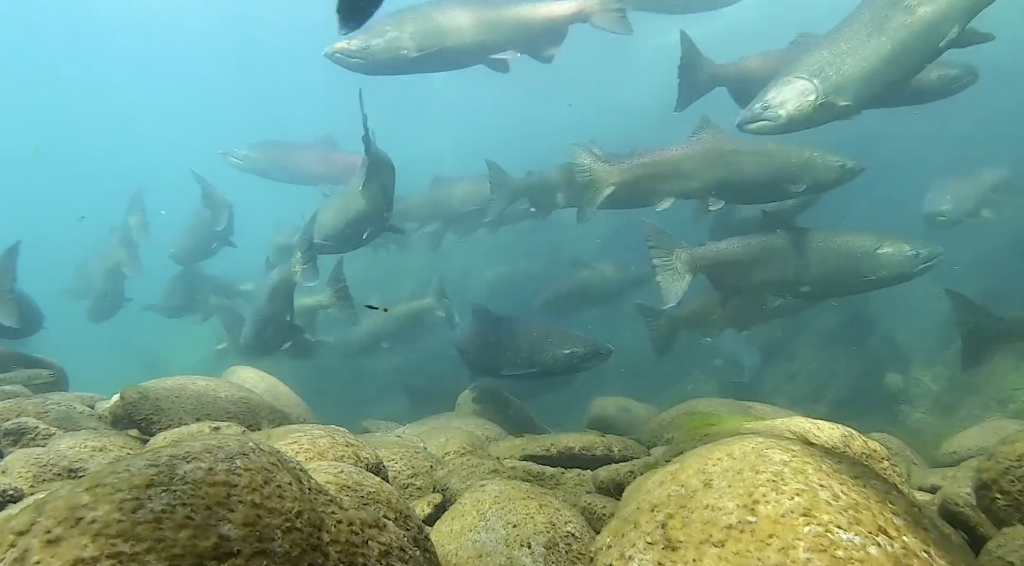
The Columbia River was once the source of the greatest salmon runs in the world. Millions of life-giving sockeye and giant chinook swam upriver to spawn each year.
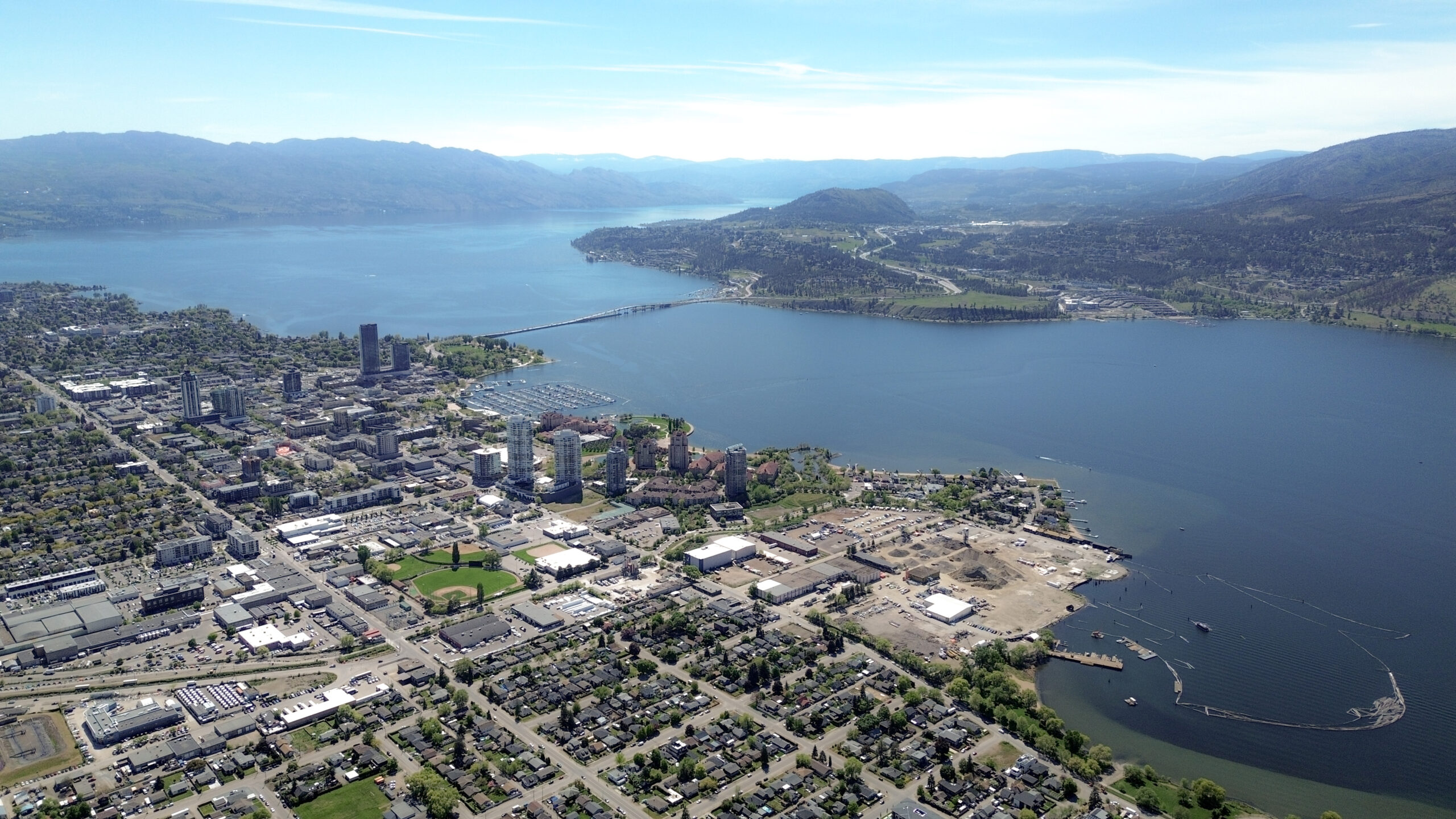
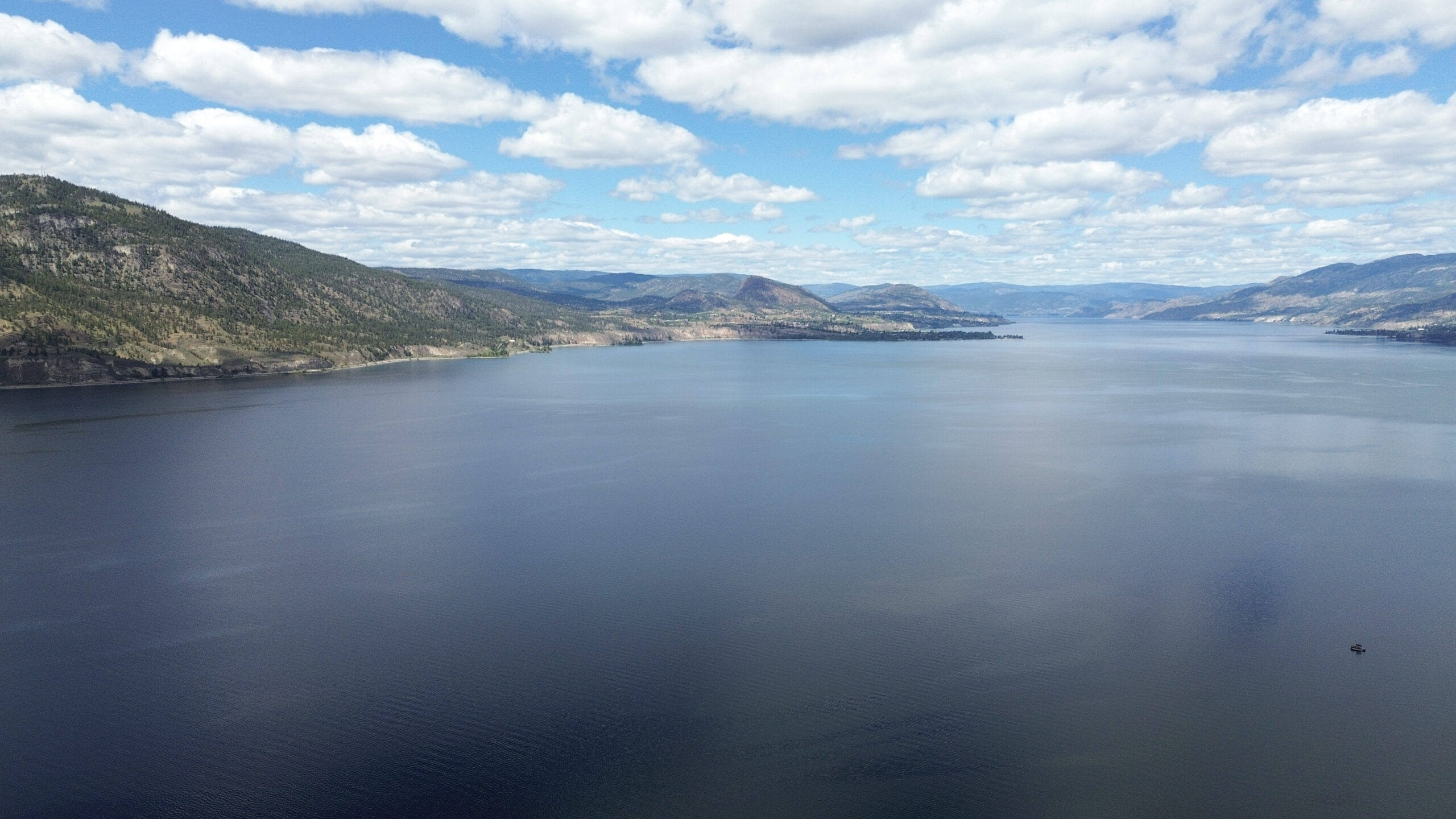
The waterway’s headwaters are in British Columbia. The upper 40 per cent of the river winds through the province before entering the U.S. in Washington State, then emptying into the Pacific Ocean in Oregon.
An epic 2,000-kilometre journey.
But massive dams — beginning with Grand Coulee in Washington — have blocked salmon from returning to the headwaters of the Columbia River for almost a century. In the 1960s, under the Columbia River Treaty, governments built more dams without consultation with Indigenous nations on their unceded territories in B.C.
The dams and the hydroelectric power they created lit up the west, and made governments and utility companies rich. But the ongoing losses to Indigenous nations, tribes and ecosystems on both sides of the border are immense.
After years of negotiation to modernize the Columbia River Treaty, governments announced they’d reached an agreement in principle on July 11.
This time, the syilx Okanagan, Secwépemc and Ktunaxa asserted their rights to be at the negotiating table. Canada and the U.S. agreed to incorporate new provisions including to support salmon restoration and ecosystem health.
Yet, recognition of the “one river” approach — including more consistent flows for salmon — rings hollow without continued investment in salmon reintroduction by Canada and B.C.
‘The salmon know no borders’
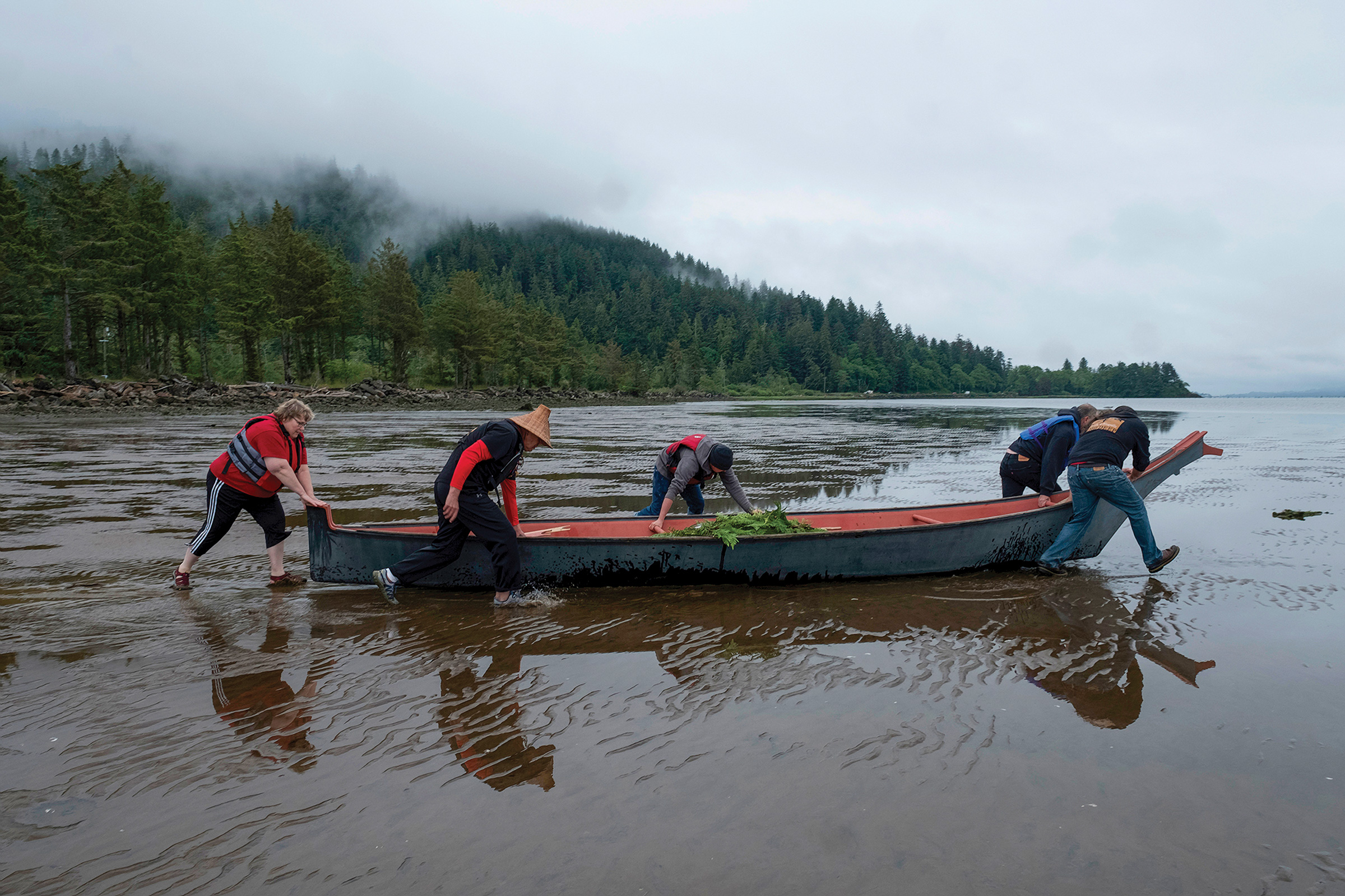
Bringing the Salmon Home: The Columbia River Salmon Reintroduction Initiative, established in 2019, continues the longstanding collaborative work of the Syilx Okanagan, Secwépemc, and Ktunaxa Nations to restore salmon to the upper Columbia.
Though our peoples have been divided by colonial boundaries, the salmon know no borders.
This is a continuation of our work through the decades, along with U.S. tribes, in a “one river” cultural process to return the salmon.
It is our sacred responsibility.
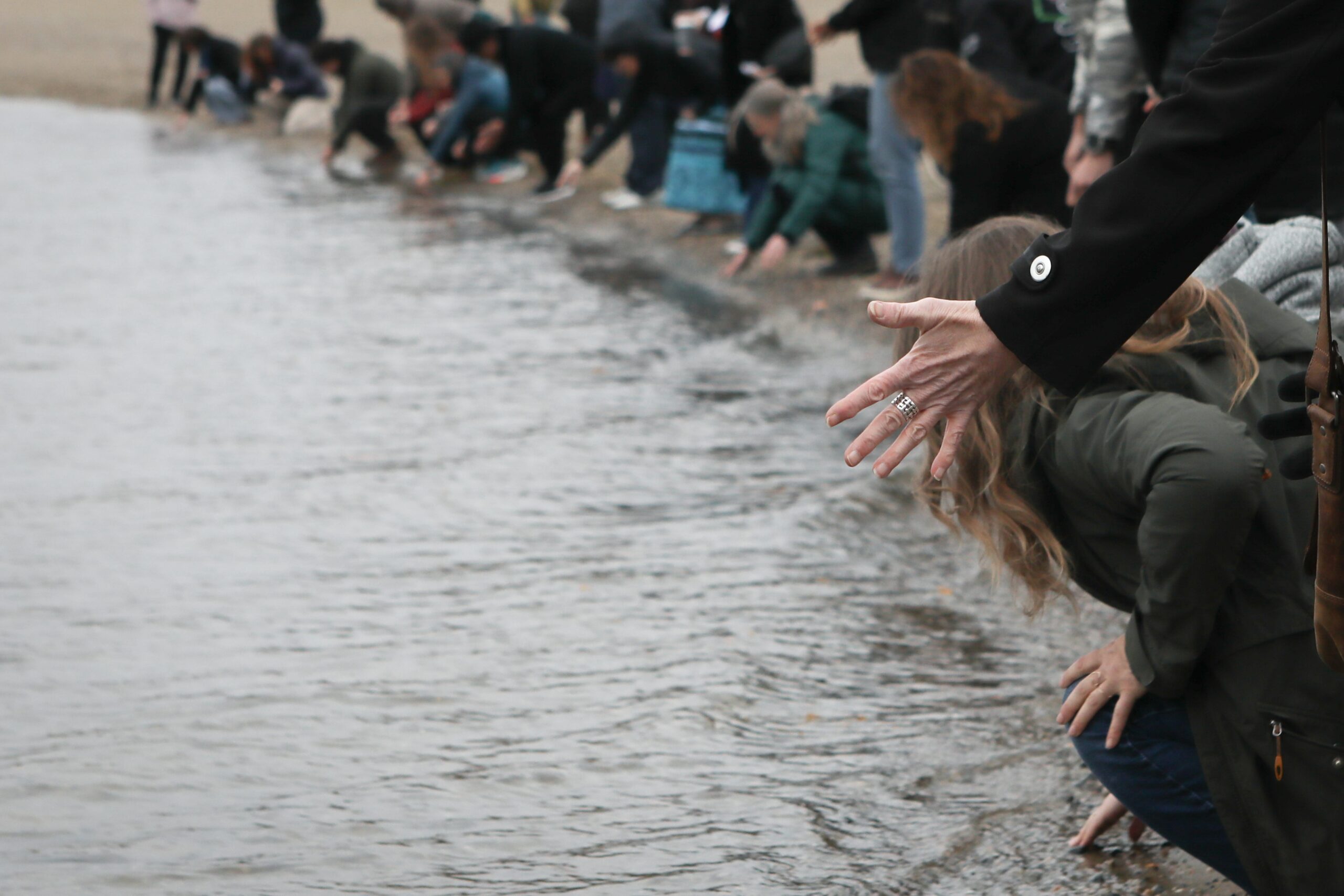
Every year since the salmon stopped returning, we’ve gathered on the banks of the Columbia River in ceremonies to call the salmon home.
Our work combines Indigenous knowledge, western science and a strong cultural foundation. The Bringing the Salmon Home Initiative stands as a model of success for Indigenous-led ecosystem stewardship.
We have the track record, and the technology is available to deliver fish passage both down and upriver. Through our combined efforts, salmon are swimming today in the upper Columbia system in Canada.
The fish are coming home.
In July 2024, over 800,000 adult sockeye salmon were recorded in the biggest return to the Columbia River in recent years. Some three-quarters of all sockeye entering the Columbia originate from the Syilx Okanagan Nation’s conservation fisheries program — the largest run in the whole system.
The work is paying off. Tagged salmon fry, released from the Okanagan hatchery into the upper Columbia River five years ago, made it downriver through the gauntlet of dams. After maturing in the ocean, several adults were detected returning to the Columbia last summer.
These are phenomenal outcomes — compelling proof that we can bring the salmon back.
Yet, government funding for our initiative’s work runs out next March.
Restoring the salmon will take more than project funding that lasts just a single salmon’s life cycle. This is generational work that requires sustaining funding for decades to come.
The rewards will be great
The U.S. government recently committed over $1.2 billion over the next 20 years to tribal-led salmon reintroduction on the American side of the Columbia River. But re-introducing salmon to this river system can’t be accomplished by one country alone.
It’s time for the governments of B.C. and Canada to step up with substantial contributions to support our initiative’s long-term efforts.
We must do equal work in parallel on our end of the river, not decades after the U.S. does its part.
We’re all already invested in — and must continue building — partnerships with tribes south of the border and governments alike, including through the Columbia River Treaty. That will help ensure successful salmon reintroduction, water flow management, and fish passage.
We call on B.C. and Canada to provide the Bringing the Salmon Home Initiative with the sustaining core funding required to support the Indigenous-led reintroduction work to ensure adequate salmon stocks return to the Canadian portion of the Columbia River system.
We propose a phased funding commitment for a minimum of 20 years, to maintain work alongside U.S. tribal-led salmon reintroduction programs.
Investing in the Indigenous-led Bringing the Salmon Home Initiative for salmon reintroduction and ecosystem restoration in the upper Columbia will provide improved food security, social, cultural, and economic benefits for everyone.
It benefits the entire Pacific salmon ecosystem, fisheries, and communities.
Author
We live in a media ecosystem that thrives on misinformation. Big Tech and AI companies are consuming the work of real human beings and Canadian news has been banned on Facebook and Instagram.
And yet, I have hope for journalism because of the work we’re doing at IndigiNews.
At IndigiNews, we embody tâpwêwin — the Cree value of integrity and responsibility in truth-telling. We are committed to our independent, Indigenous-led newsroom rooted in community, accountability, and relationality. We believe storytelling is a sacred fire that connects our pasts, presents, and futures through the storytellers in our Storytelling Lodge. IndigiNews creates space for Indigenous journalists, storytellers, Knowledge Keepers, and communities to gather, learn, and share stories that matter.
As a registered charity, we are building a fire that allows our work not just to ignite but to thrive. Rather than relying on advertising or corporate acquisition, IndigiNews is sustained by people like you who believe Indigenous stories are important for the future of our communities.
Your support is making a real difference.
Our community of supporters, our Firekeepers, make it possible to grow our newsroom, publish award-winning journalism, train emerging Indigenous journalists through initiatives like the ReFocus Photojournalism Fellowship, and publish trustworthy stories that serve our communities across the country. Every story we publish helps fill in gaps left by mainstream media and ensures Indigenous perspectives are represented with care, accuracy and respect.
But there is still more work to do.
As the media landscape becomes more and more uncertain, community support is as necessary and essential as it’s ever been. Every new Firekeeper helps protect the independence of our newsroom and strengthens journalism that is accountable to our many and varied communities over corporations.
That’s why we’re inviting you to become a Firekeeper.
Firekeepers tend to and protect the sacred fire. Your monthly contributions directly support IndigiNews’s Storytelling Lodge, helps sustain our independent, Indigenous-led newsroom, and ensures future generations of Indigenous storytellers have the resources they need to do the work.
As a registered Canadian charity, all eligible donations receive a charitable tax receipt.
If you believe Indigenous stories matter, if you value independent journalism, and if you want to help build a strong future for Indigenous media, we invite you to join our circle of Firekeepers today.
Together, we can keep the fire burning.
— Eden Fineday, Publisher, IndigiNews
Support us nowLatest Stories
-

‘Rhythm crafted for the human voice’: Poet kit-xgwélemc kennedy wins an Indigenous Voices Award
Member of St’uxwtéws Secwépemc Nation recognized in unpublished poetry category — following in his wordsmith mom’s footsteps
-
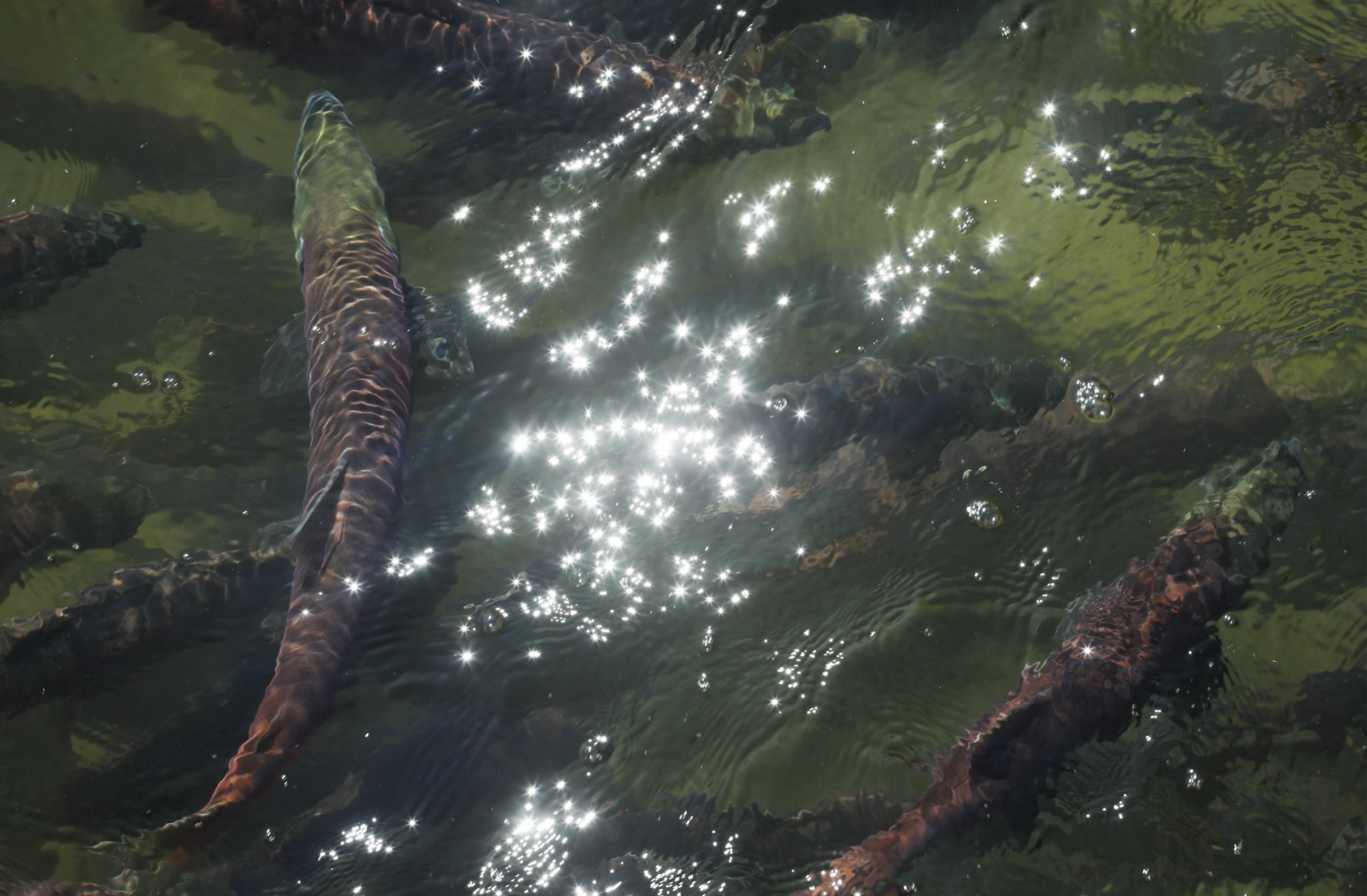
Low sockeye salmon numbers expected in the Okanagan as waters warm: ONA
syilx Nation members are being asked to ‘take only what they need’ as ‘difficult’ environmental conditions create challenges for the important fish