National Nursing Week: Taaʔisimqa Leona Smith teaches cultural safety to next generation of nurses
Guided by her grandfather, this Nuu-chah-nulth nurse is finding balance between her own Indigenous teachings and academia

After Taaʔisimqa Leona Smith graduated from high school, it was her grandfather who encouraged her to pursue a career in nursing.
Taaʔisimqa’s grandfather Cecil Smith, of the Ehattesaht First Nation, wanted her to be able to take care of herself, she says, and helped to guide her career.
“He kept reminding me that I needed to continue on with my education,” she says. “A high school diploma was not going to be enough. I was a janitor at the time and 19 years old.”
Taaʔisimqa has been working as a nurse for the past 22 years, with a master’s degree of science in nursing. She became a residential care aide when she was 20, and has since taught at three universities.
As a Registered Nurse, her current role is as a professional practice leader, supporting nurses with their educational needs. She works under the Office of the Chief Nursing Officer at First Nations Health Authority (FNHA).
This past year’s ongoing pandemic has been especially difficult for frontline workers, bearing the impacts of COVID-19. Taaʔisimqa shares her respect to other healthcare workers.
“I really hold my hands up to colleagues at FNHA, and to those on the ground, especially in this past year,” she says. “We’re working at full capacity — and still whole-heartedly.”

Taaʔisimqa is Nuu-chah-nulth (from Ehattesaht and Ahousaht) on her mother’s side and Chinese through her father. She grew up in the Ahousaht community with a strong sense of identity, she says.
Growing up in the ‘70s, she faced racism on both sides of her heritage. In light of increased anti-Asian discrimination during COVID-19, she has been especially moved to stand proud in who she is.
“In our pandemic world, I wanted to honour that piece, stand in my strength as an Indigenous and a Chinese woman,” she says.
When the Truth and Reconciliation Commission of Canada (TRC) released its final report and Calls to Action in 2015, Taaʔisimqa was working on FNHA’s agreements with nursing programs. She took the moment as an opportunity to advocate for cultural safety training in nursing programs.
She has since been involved with various working groups and steering committees to integrate the TRC recommendations, specially calls to action 18-24 regarding health, into the nursing curriculum.
In 2019, she was the only Indigenous nurse in a working group with the BC College of Nurses and Midwives — the licensing and regulatory body for nurses and midwives in B.C.
The group has worked to introduce cultural safety, humility and trauma-informed practice as an entry-level competency for all nurses in the province, she says. Taaʔisimqa says because Indigenous Peoples are overrepresented in the healthcare system, it’s especially important for nurses to have cultural competency.
“[Nurses] need that minimum knowledge of history of First Nations people: residential schools, Indian hospitals, ‘60s Scoop, missing and murdered Indigenous women, the In Plain Sight report,” she says.
“It’s slow momentum, like watching a slow train, but it’s getting there.”
Her work includes bringing lived experience and Indigenous knowledge and wellness perspectives into balance with academia. It’s a dynamic she struggles with personally, and in her work to seek an equal balance.
“I really struggle between the two worlds of academia and lived experience, because that’s not how our people work,” she says. “We don’t have to reference everything or look it up. Our research is our knowledge keepers. So I’m trying to find balance with those two worlds.”
Taaʔisimqa takes her role sitting at these “larger tables” seriously, and although she doesn’t presume to speak for all Indigenous people, she can use her experience to advise on cultural safety training for nurses.
“My dream is in five years cultural safety and trauma informed training are not elective or optional — they would be mandatory. Right now only a handful of nursing programs now do mandate,” she says.
“It’s a matter of that slow train. Trying to get people on board, and knowing this is what is going to work.”
May 10 to 16 is National Nursing Week in Canada, which recognizes the courage and commitment that nurses bring to their work. For Indigenous nurses, this commitment is twofold, as they are also leaders in navigating and transforming colonial systems.
Throughout the week, IndigiNews will feature Indigenous nurses across generations and celebrate the many intersections of diversity that they bring to the healthcare system.
Author
We live in a media ecosystem that thrives on misinformation. Big Tech and AI companies are consuming the work of real human beings and Canadian news has been banned on Facebook and Instagram.
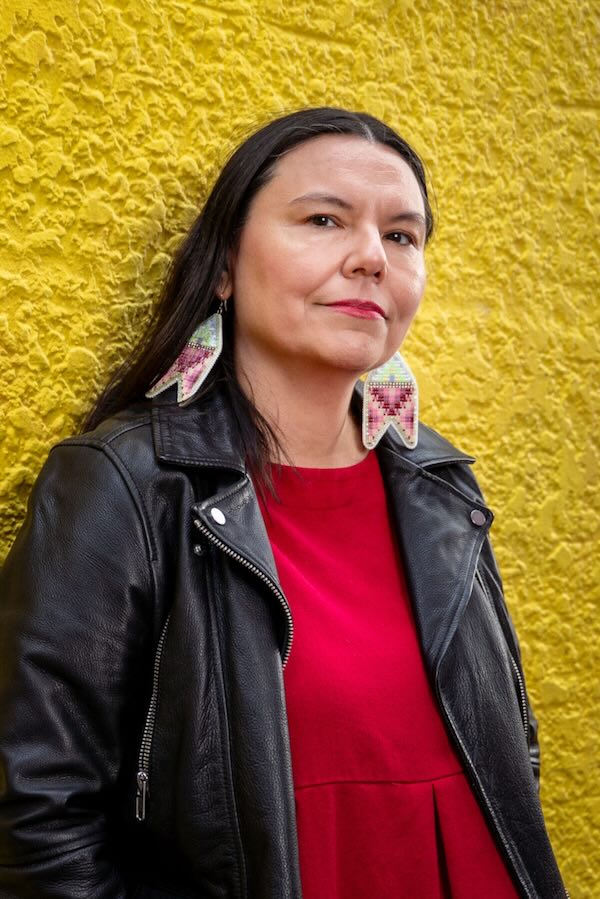
And yet, I have hope for journalism because of the work we’re doing at IndigiNews.
At IndigiNews, we embody tâpwêwin — the Cree value of integrity and responsibility in truth-telling. We are committed to our independent, Indigenous-led newsroom rooted in community, accountability, and relationality. We believe storytelling is a sacred fire that connects our pasts, presents, and futures through the storytellers in our Storytelling Lodge. IndigiNews creates space for Indigenous journalists, storytellers, Knowledge Keepers, and communities to gather, learn, and share stories that matter.
As a registered charity, we are building a fire that allows our work not just to ignite but to thrive. Rather than relying on advertising or corporate acquisition, IndigiNews is sustained by people like you who believe Indigenous stories are important for the future of our communities.
Your support is making a real difference.
Our community of supporters, our Firekeepers, make it possible to grow our newsroom, publish award-winning journalism, train emerging Indigenous journalists through initiatives like the ReFocus Photojournalism Fellowship, and publish trustworthy stories that serve our communities across the country. Every story we publish helps fill in gaps left by mainstream media and ensures Indigenous perspectives are represented with care, accuracy and respect.
But there is still more work to do.
As the media landscape becomes more and more uncertain, community support is as necessary and essential as it’s ever been. Every new Firekeeper helps protect the independence of our newsroom and strengthens journalism that is accountable to our many and varied communities over corporations.
That’s why we’re inviting you to become a Firekeeper.
Firekeepers tend to and protect the sacred fire. Your monthly contributions directly support IndigiNews’s Storytelling Lodge, helps sustain our independent, Indigenous-led newsroom, and ensures future generations of Indigenous storytellers have the resources they need to do the work.
As a registered Canadian charity, all eligible donations receive a charitable tax receipt.
If you believe Indigenous stories matter, if you value independent journalism, and if you want to help build a strong future for Indigenous media, we invite you to join our circle of Firekeepers today.
Together, we can keep the fire burning.
— Eden Fineday, Publisher, IndigiNews
Support us nowLatest Stories
-
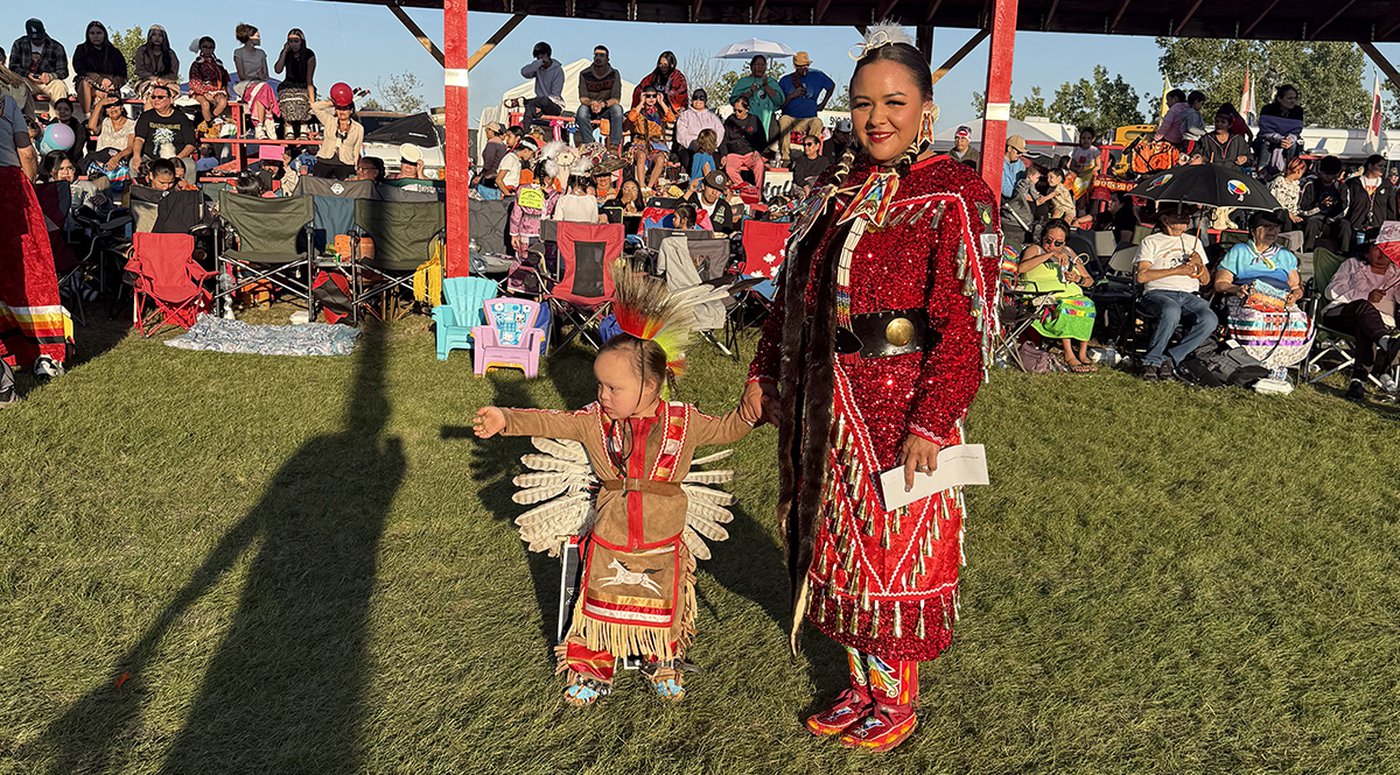
Beloved on the powwow circuit, young boy’s connection to the drum inspires
Now four, Waseskwan Redcrow was dancing ‘before he could even fully walk’ — his family says participating in powwows has brought them joy and belonging
-
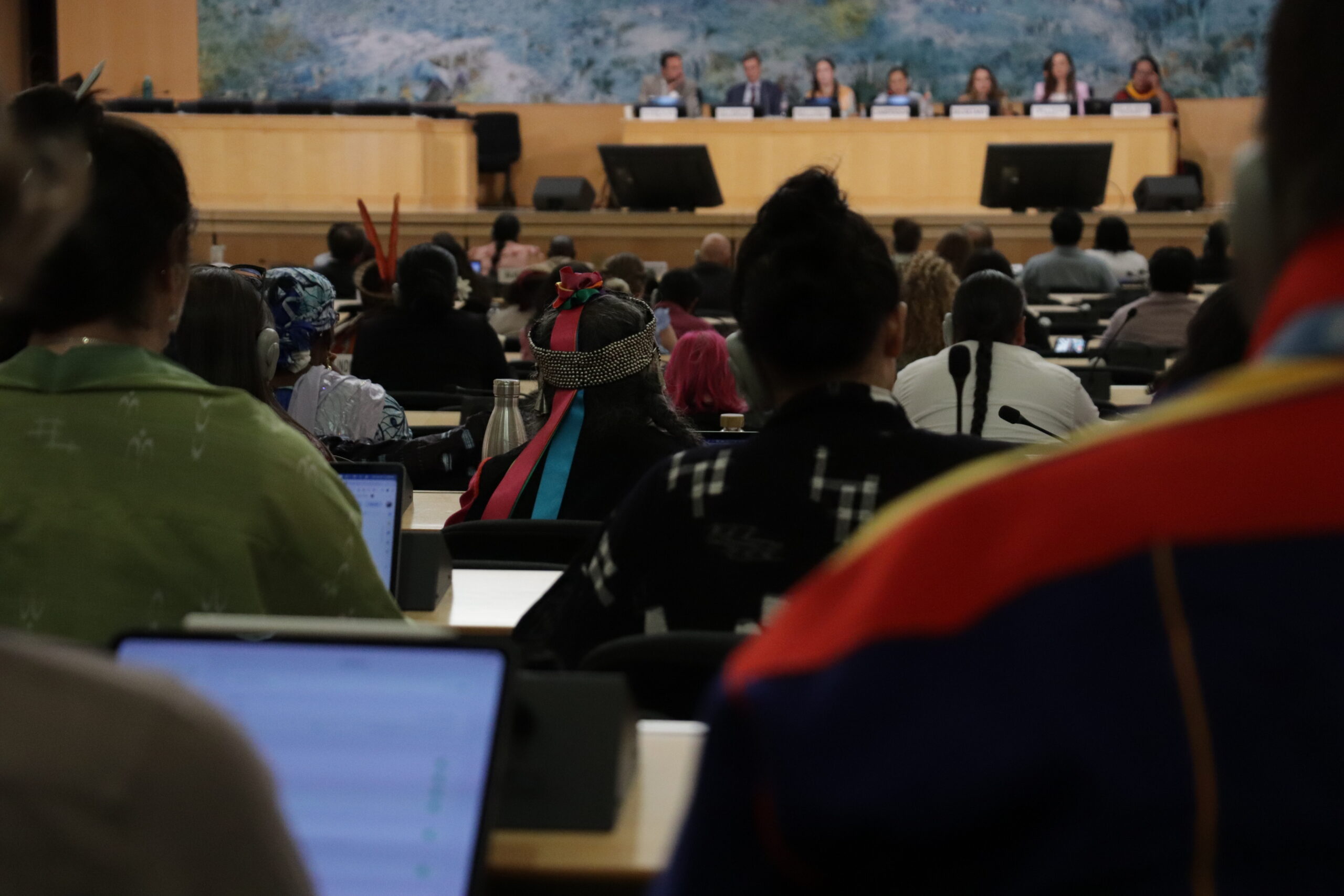
Indigenous leaders give the UN a roadmap for protecting their peoples
Amidst prayers and vows of solidarity, UN Expert Mechanism on the Rights of Indigenous Peoples ends annual meetings with demands for ‘action we’re not seeing globally’