National Nursing Week: Laurie Dokis is making healthcare safer for Indigenous patients in B.C.
Anishinaabe nurse led the development of a complaints process for Indigenous patients who faced discrimination while seeking care

Since Laurie Dokis became a nurse in 1994, she has made it her mission to ensure that Indigenous Peoples have access to culturally-safe care.
“That’s why I became a nurse practitioner, because I wanted First Nations people to have access to a primary care provider that was going to give them respectful care,” she says.
“Because I experienced and witnessed so much in my practice and my clinical practice.”
Dokis is Anishinaabe from Dokis First Nation in Ontario, and she is a Registered Nurse and nurse practitioner . She currently workings with First Nations Health Authority (FNHA) as a manager for quality and feedback.
Her work comes from a trauma-informed and culturally-humble approach, she says, that’s inspired by caring women in her own life. To ensure she is grounded in her work, she starts each day by smudging and praying, then meditation and yoga.
“I equate nursing with caring,” she says. “My grandmothers, my mother, my aunt, sisters — those people that cared for me when I was not feeling well or cared for my spirit.”
For the past fifteen years, she has embodied this practice, and worked to support nurses working in Indigenous communities to meet professional practice standards.
She says being an intermediary and an educator to her colleagues is something most Indigenous nurses are familiar with.
Her work has evolved over the years. In recent years with FNHA, she led the development of a culturally-safe complaints process for Indigenous patients in B.C
“We wanted to create a safe place for B.C. First Nations to get assistance, to help navigate the provincial health services complaints processes,” says Dokis.
Now, she says, if an Indigenous person experiences racism while trying to get treatment, they can call FNHA’s client complaints and quality office and get help with how to navigate it.
She gives an example of an Indigenous person being treated as drug-seeking while coming in with a health problem, and being sent home without treatment.
Client complaints would help the person unpack their experience, “feeling that they were discriminated against, possibly racialized, but definitely the standards of care were not as they should be,” Dokis says.
The next steps would depend on what the person wanted — a formal complaint or assurance it is documented.
“We could walk the journey with the client,” says Dokis. “Oftentimes people want to remain anonymous. We can help move the issue forward and maintain their anonymity.”
Dokis says the Truth and Reconciliation Commission of Canada’s 94 calls to action included recommendations for all healthcare professionals to take Indigenous cultural competency courses, and that’s happening, “but It’s not necessarily being mandated through each of the health authorities.”
“I’m still involved in advancing that agenda, that the regulatory colleges have a standard for cultural safety and humility,” she says.
Although there are many areas where change is still needed, Dokis says she has seen many changes since she completed her master’s degree — focused on culturally-competent care for nurses — two decades ago.
“It’s changed so much. [Nursing students] are being educated in social justice, critical race theory. [Curriculum] is very much grounded in understanding the determinants of health,” she says.
“And it’s up to this generation of nurses, moving forward, to disrupt and replace these policies and practices, so that we have equitable services for the original First Nations people of this land.”
Author
We live in a media ecosystem that thrives on misinformation. Big Tech and AI companies are consuming the work of real human beings and Canadian news has been banned on Facebook and Instagram.
And yet, I have hope for journalism because of the work we’re doing at IndigiNews.
At IndigiNews, we embody tâpwêwin — the Cree value of integrity and responsibility in truth-telling. We are committed to our independent, Indigenous-led newsroom rooted in community, accountability, and relationality. We believe storytelling is a sacred fire that connects our pasts, presents, and futures through the storytellers in our Storytelling Lodge. IndigiNews creates space for Indigenous journalists, storytellers, Knowledge Keepers, and communities to gather, learn, and share stories that matter.
As a registered charity, we are building a fire that allows our work not just to ignite but to thrive. Rather than relying on advertising or corporate acquisition, IndigiNews is sustained by people like you who believe Indigenous stories are important for the future of our communities.
Your support is making a real difference.
Our community of supporters, our Firekeepers, make it possible to grow our newsroom, publish award-winning journalism, train emerging Indigenous journalists through initiatives like the ReFocus Photojournalism Fellowship, and publish trustworthy stories that serve our communities across the country. Every story we publish helps fill in gaps left by mainstream media and ensures Indigenous perspectives are represented with care, accuracy and respect.
But there is still more work to do.
As the media landscape becomes more and more uncertain, community support is as necessary and essential as it’s ever been. Every new Firekeeper helps protect the independence of our newsroom and strengthens journalism that is accountable to our many and varied communities over corporations.
That’s why we’re inviting you to become a Firekeeper.
Firekeepers tend to and protect the sacred fire. Your monthly contributions directly support IndigiNews’s Storytelling Lodge, helps sustain our independent, Indigenous-led newsroom, and ensures future generations of Indigenous storytellers have the resources they need to do the work.
As a registered Canadian charity, all eligible donations receive a charitable tax receipt.
If you believe Indigenous stories matter, if you value independent journalism, and if you want to help build a strong future for Indigenous media, we invite you to join our circle of Firekeepers today.
Together, we can keep the fire burning.
— Eden Fineday, Publisher, IndigiNews
Support us nowLatest Stories
-
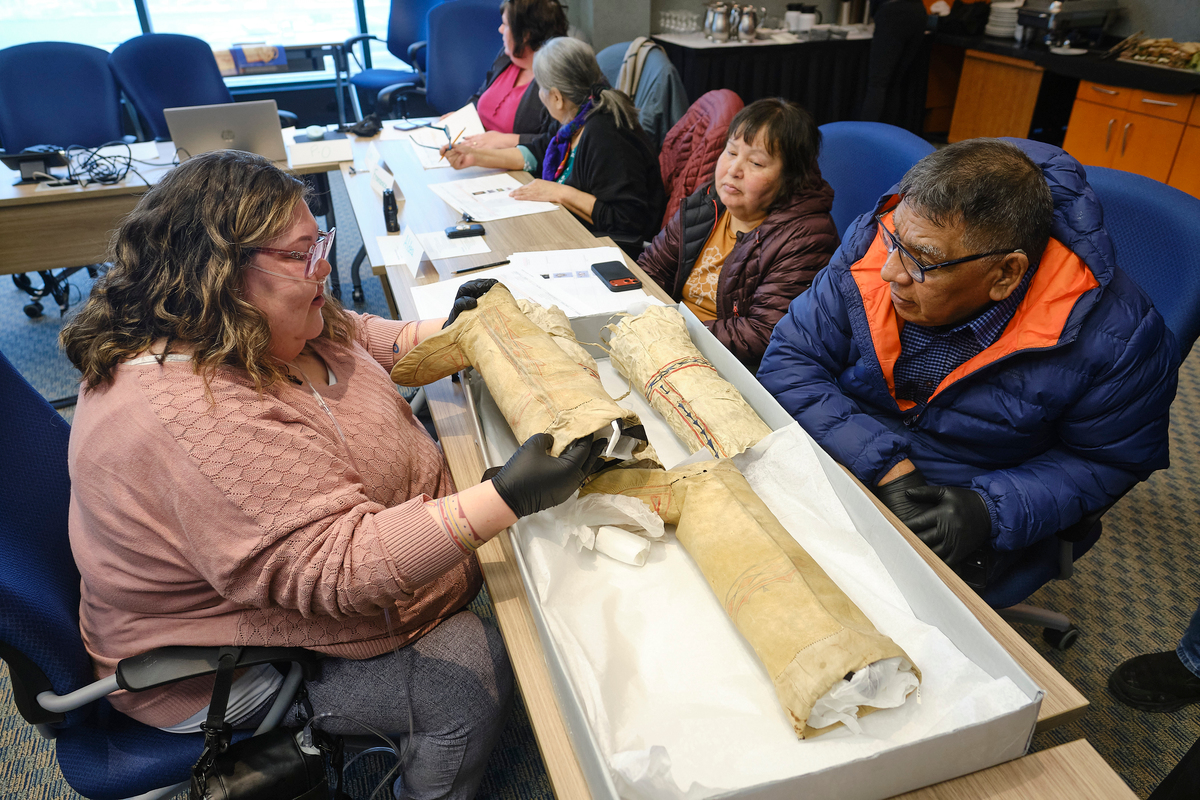
‘Newfoundland’ claims Europeans arrived before the Innu. ‘People don’t disappear,’ counters archeologist
Smithsonian archeologist Stephen Loring’s research is being disputed by the province’s own Archeology Office. He fears the government’s censorship of Innu history is being used ‘to promote a political agenda like land claims’
-
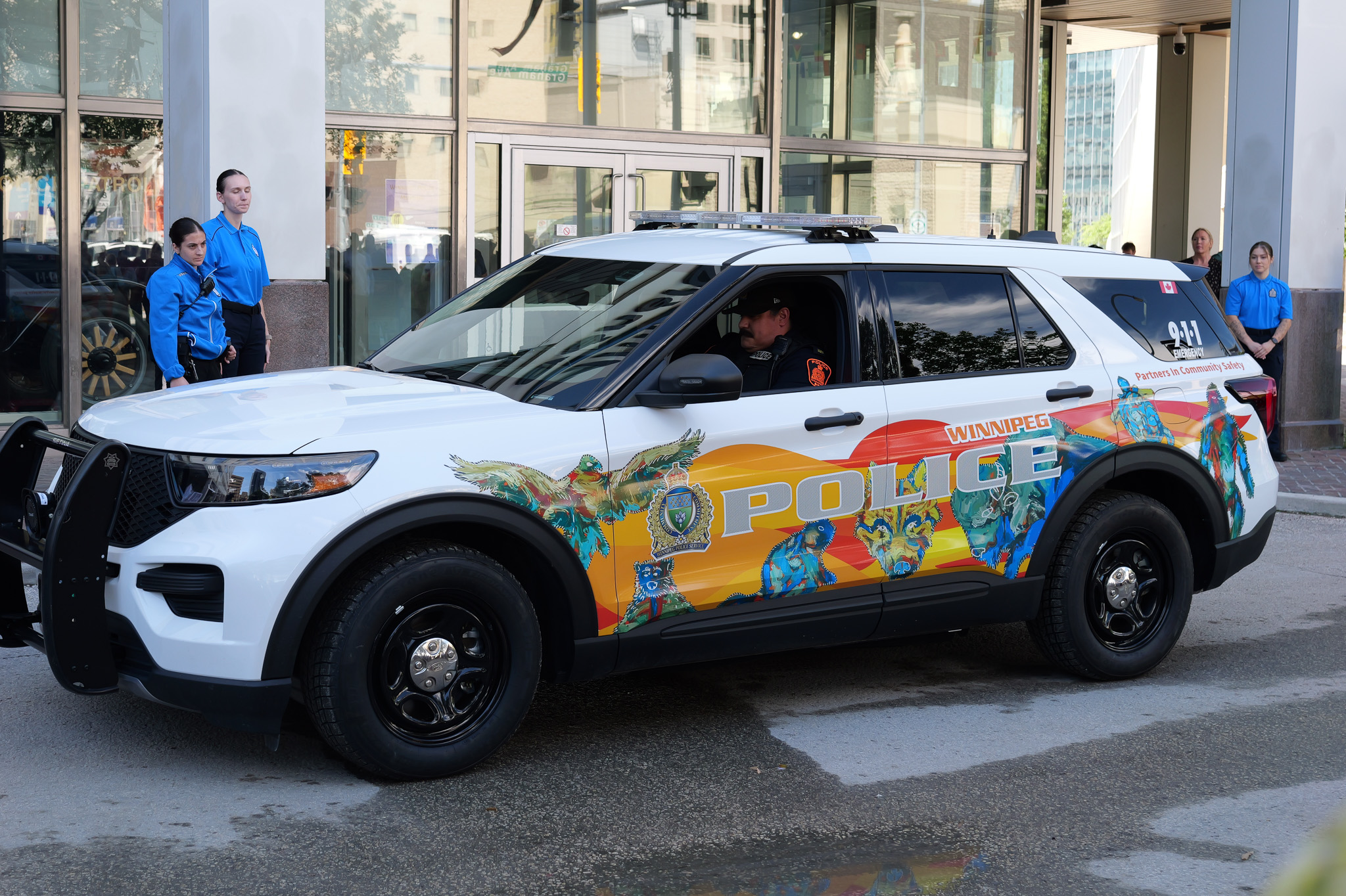
Winnipeg cops unveil ‘reconciliation’ cruiser — but critics are unimpressed
Force says the police car emblazoned with Indigenous art not for enforcement but education. Advocates say the gesture is ‘uncomfortable’ and ‘unsettling’ — especially amidst a drug-use crackdown they say targets Indigenous people