In Fort Anne, Mi’kmaq people mark 300 years of treaty — and broken promises
Three centuries after their ancestors signed a treaty with the British Crown, Indigenous people returned to the same grounds, finding joy, grief, pride, and an urgent question: when does a promise finally get kept?
This story is a collaboration between IndigiNews and The Narwhal.
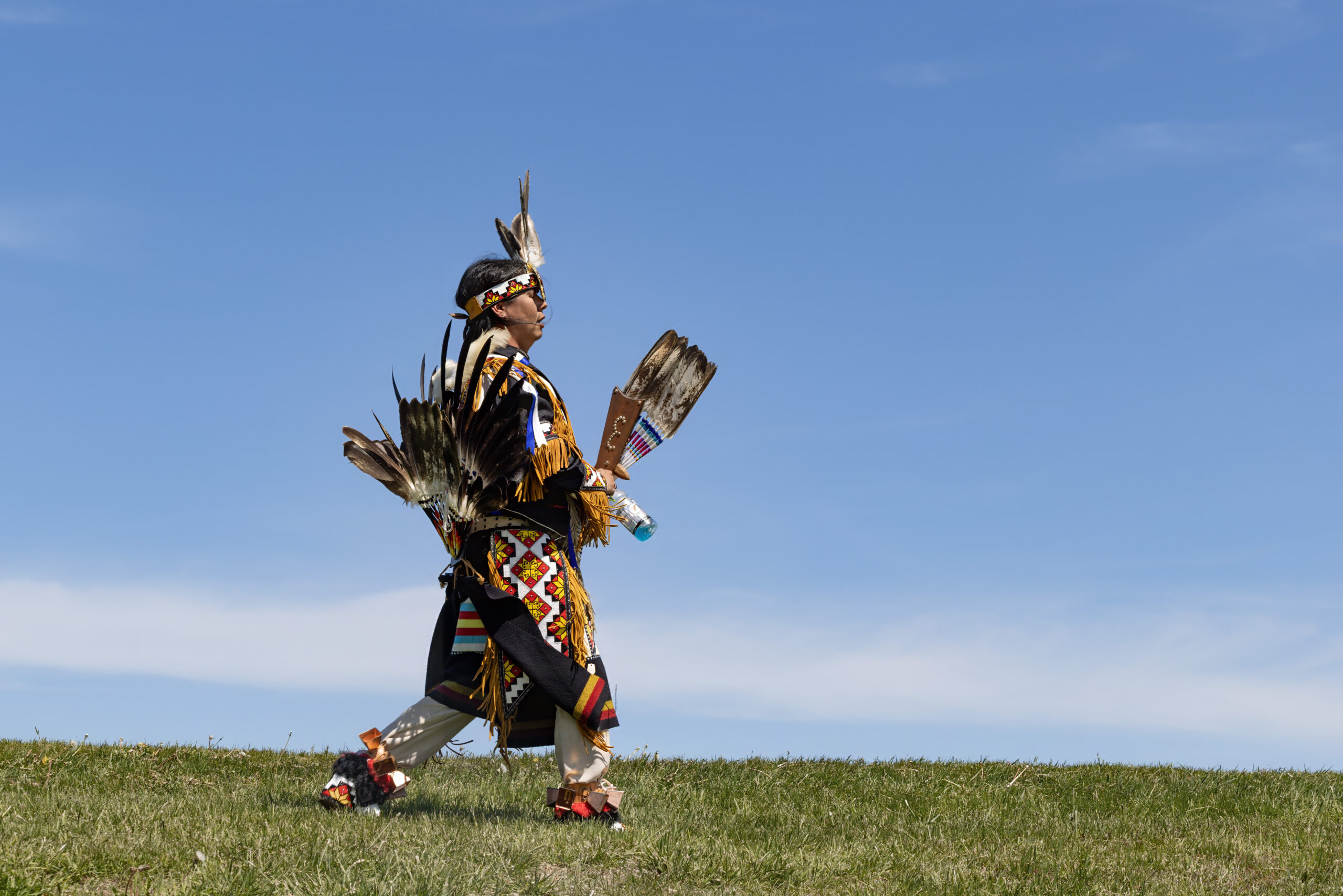
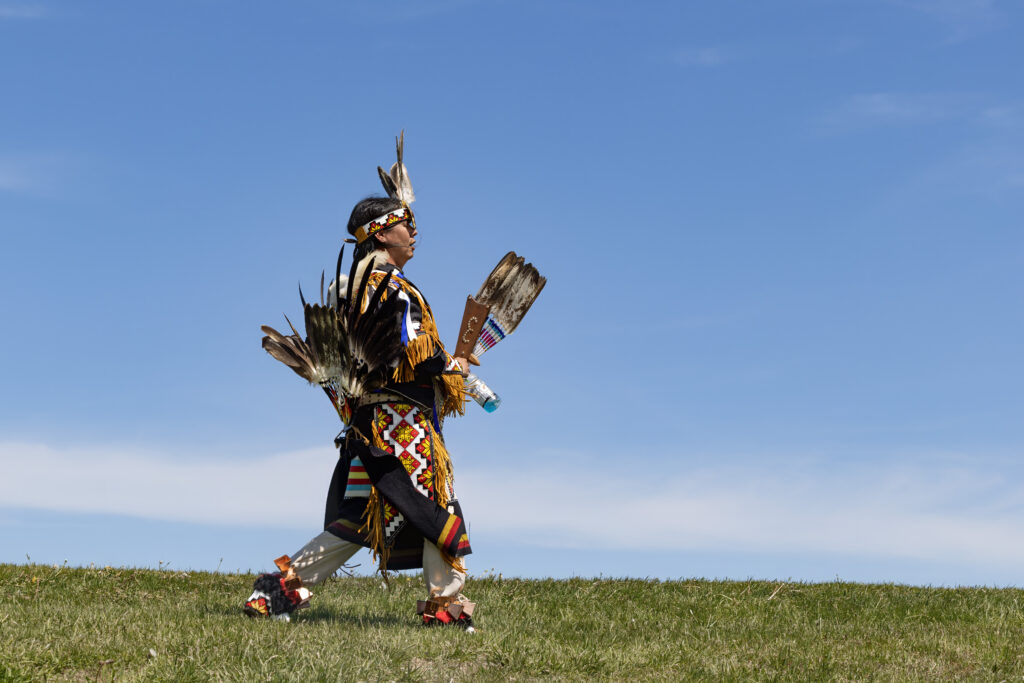
Three hundred years after their ancestors chose peace on the same ground, the Mi’kmaq people returned to the Fort Anne National Historic Site in Mi’kma’ki.
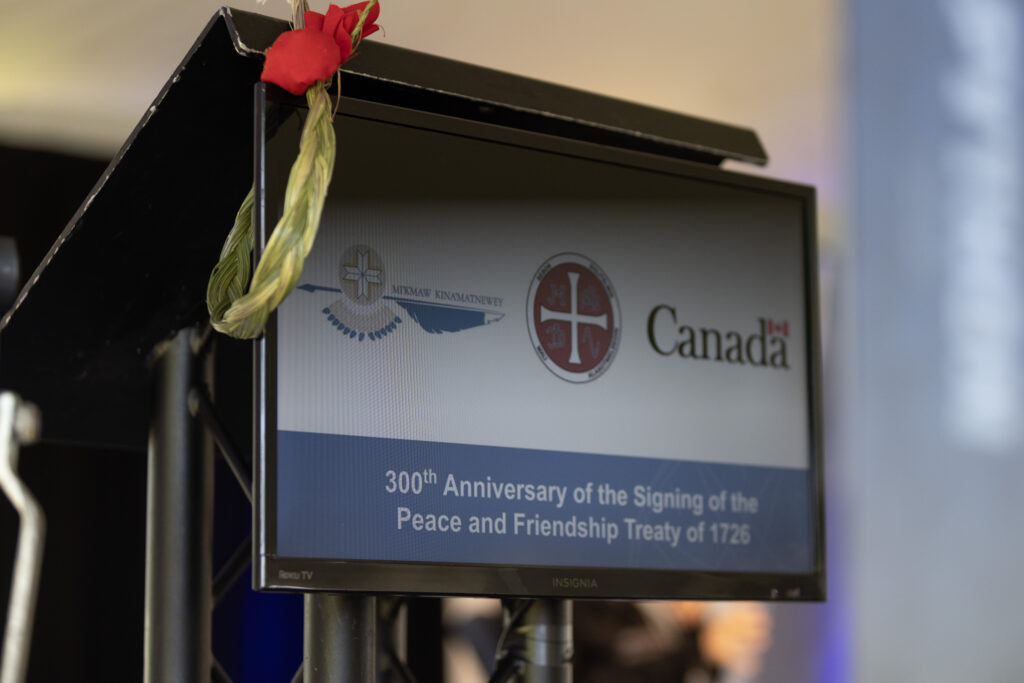
Mi’kmaq leaders and community members gathered at what was then called Port Royal when their ancestors signed a Peace and Friendship Treaty with the British Crown on June 4, 1726.
Under a bright “Nova Scotia” sky, they came back to the same ground to celebrate, to grieve, to demand, and to hope.
Chief Leroy Denny of Eskasoni First Nation, co-chair of the Assembly of Nova Scotia Mi’kmaw Chiefs, said he could feel the weight and power of what happened on the same grounds so long ago.
“This 300th anniversary is a reminder that these were never land-surrender treaties; they were sacred agreements of peace, coexistence, and nation-to-nation relationship building,” Denny said.
“Our ancestors envisioned a future of mutual respect, and 300 years later, these living treaties continue to guide us as we protect our rights and carry their legacy forward for future generations.”
The Peace and Friendship Treaty of 1726 outlined how Indigenous and European people could establish peaceful co-existence in the Maritime region.
It was signed by Mi’kmaw, Wəlastəkokewiyik, and Peskətəmohkatewey leaders amid rising conflicts as the British pushed to colonize the area and were concerned about relationships between local Indigenous peoples and the French Crown.
The 1726 treaty was part of a series of agreements made with the British Crown between 1725 and 1779.
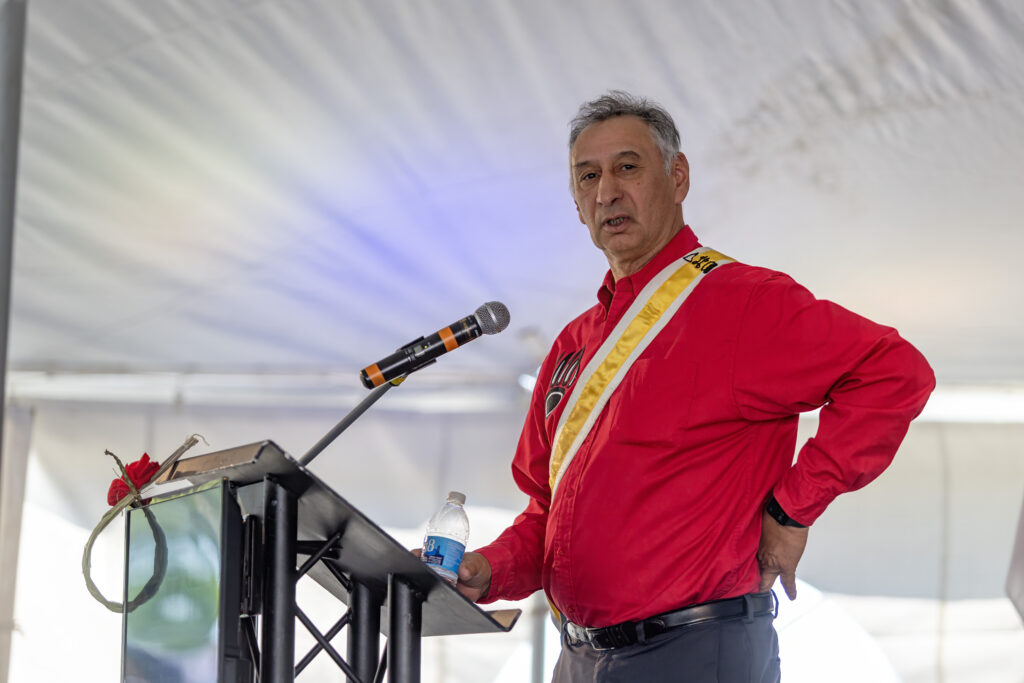
But Mi’kmaq Grand Council Kji-Keptin (Grand Captain) Antle Denny came to speak plainly about what 300 years of a treaty relationship has delivered, and what it has not.
The relationship between Mi’kmaq nations and the provincial government has deteriorated sharply in the last year, in the wake of raids on Mi’kmaw cannabis dispensaries and the recent criminalization of logging protests.
Tensions were underscored by the notable absence of Nova Scotia Premier Tim Houston from the Fort Anne celebration. Many in attendance felt that absence was not simply a scheduling matter. It was a statement.
The treaty signed on this ground 300 years ago was supposed to be a living commitment. What they were watching, many felt, was a provincial government treating it as a historical footnote.
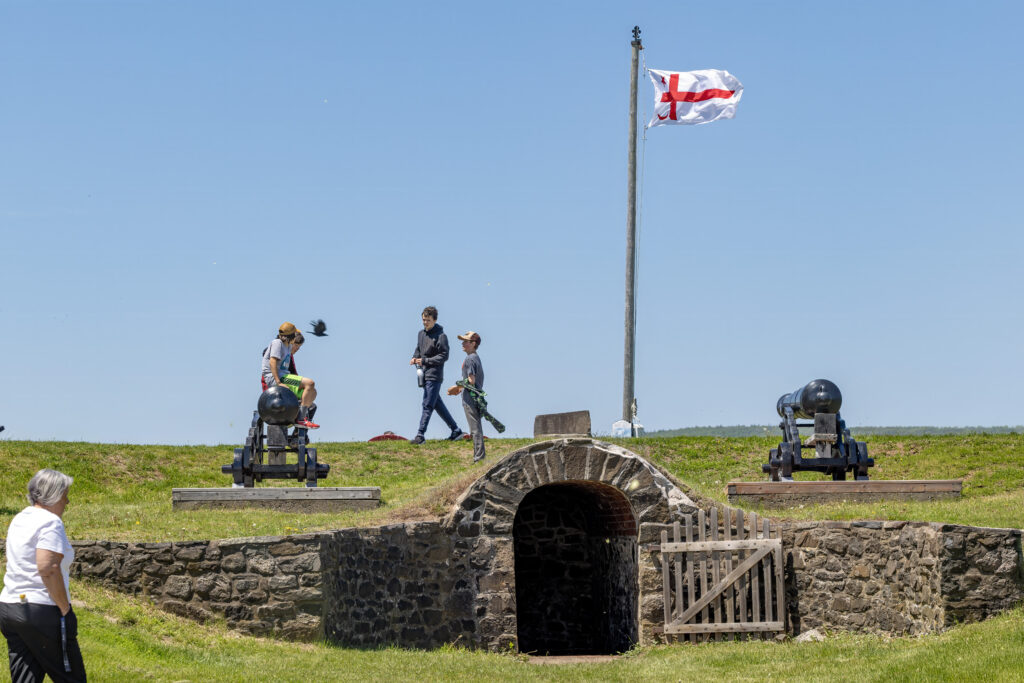
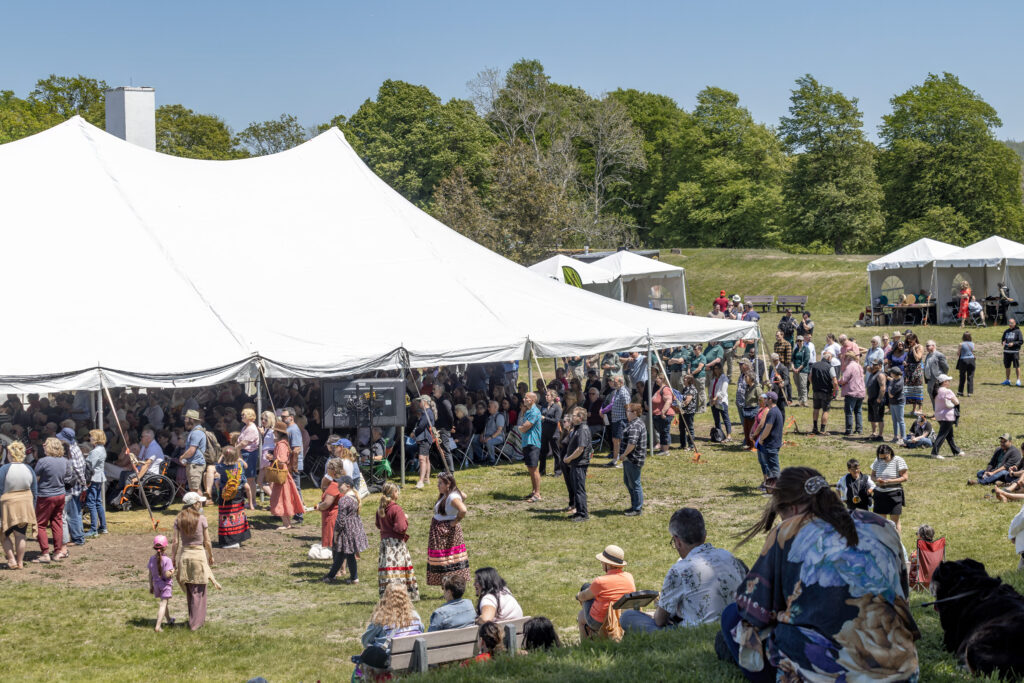
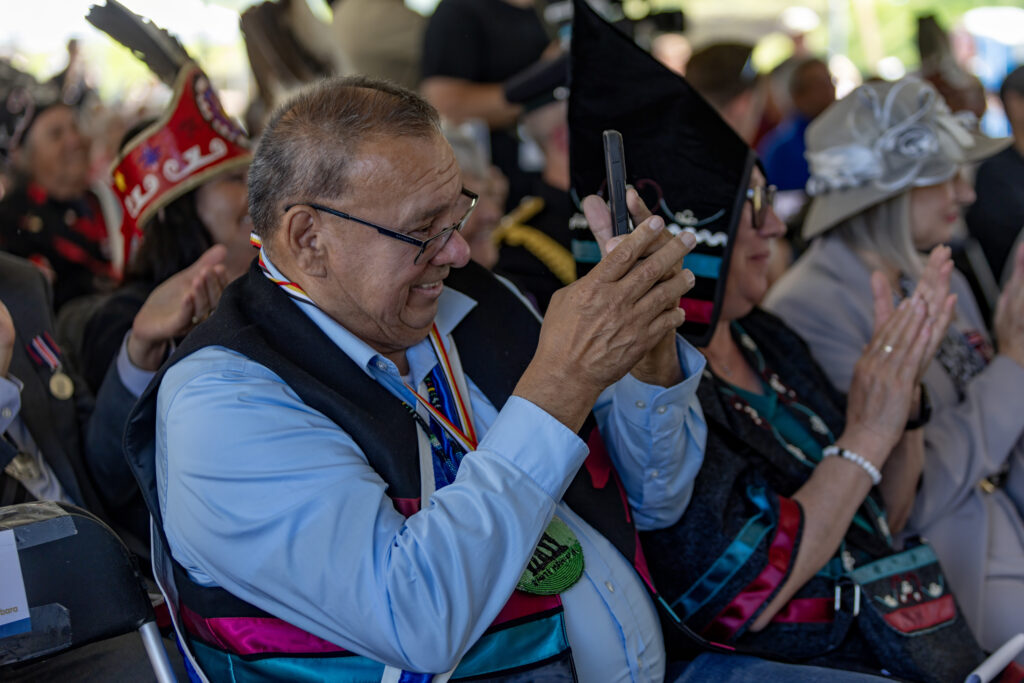
This month’s commemoration at Fort Anne National Historic Site drew Mi’kmaq leaders, community members, federal officials, and allies for a day of ceremony, cultural performance, and the unveiling of a national historic plaque.
Youth turned out in force. Elders undertook journeys that were not easy to make. And on the sun-warmed grass of the oldest administered national historic site in the country, Mi’kmaq people held a tenacity that textbooks have never quite managed to convey.
Under a tent, Eliza Gould, Eskasoni Youth Council president, spoke quietly about Mi’kmaq history as other young people listened intently.
Outside, the voice of Kalolin Johnson, a young vocalist and musician from Eskasoni First Nation, carried across the grass of the old fort. Beyond it, the Annapolis Basin shimmered in the heat. It was the kind of day that made the past feel very close.
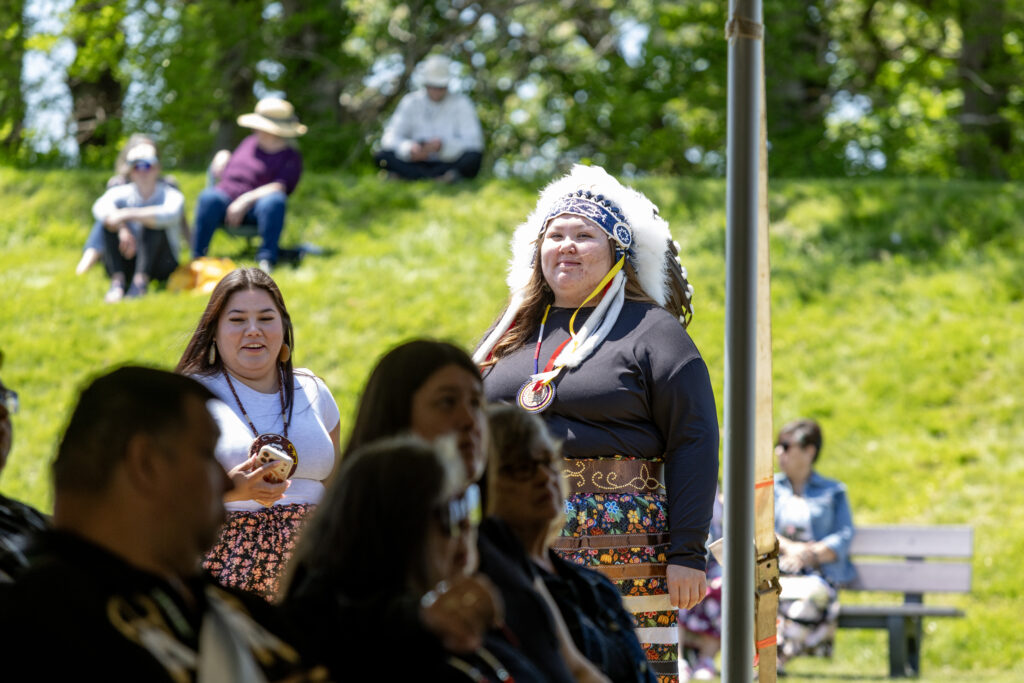
Gould had learned about the treaties in school, almost every grade, she said. But learning about something and feeling it are different things.
“I’ve heard it so much I kind of became numb,” she said.
“But being here, seeing all the chiefs, all the people that actually care. I kind of wish more people came. Because this is our history. This is very much our history.”
The fisheries question, for Gould, was the sharpest example of how old agreements
play out in present-day conflict. As part of the treaty, the British agreed not to interfere with Indigenous fishing rights — however, those rights are something that Mik’maq people have continued to fight to uphold.
“The fisheries, we take only as much as we need, but also respecting everything around us,” she said. “For others it’s greed, it’s money, it’s power.”
She described watching the same arguments repeat, year after year, the treaty invoked and
dismissed in the same breath. “There’s no evenness,” she said. “It’s so back-and-forth.”
But as she looked out at the crowd filling the sunny grounds, Gould also felt the living impact of the agreement from hundreds of years ago.
“It’s nice to see everyone here, not just Mi’kmaq people but others. You know, just like 300 years ago, it’s not just us and the French anymore,” she said. “There’s a better understanding.”
Assembly of First Nations Nova Scotia Regional Chief Andrea Paul brought that meaning into focus.
“As we celebrate 300 years of treaty, we honour the wisdom of those who came before us, who chose peace and friendship as the foundation of our relationship,” she said.
“Their teachings continue to guide us today, reminding us that treaties are not relics of the past, but living commitments that shape our future together.”
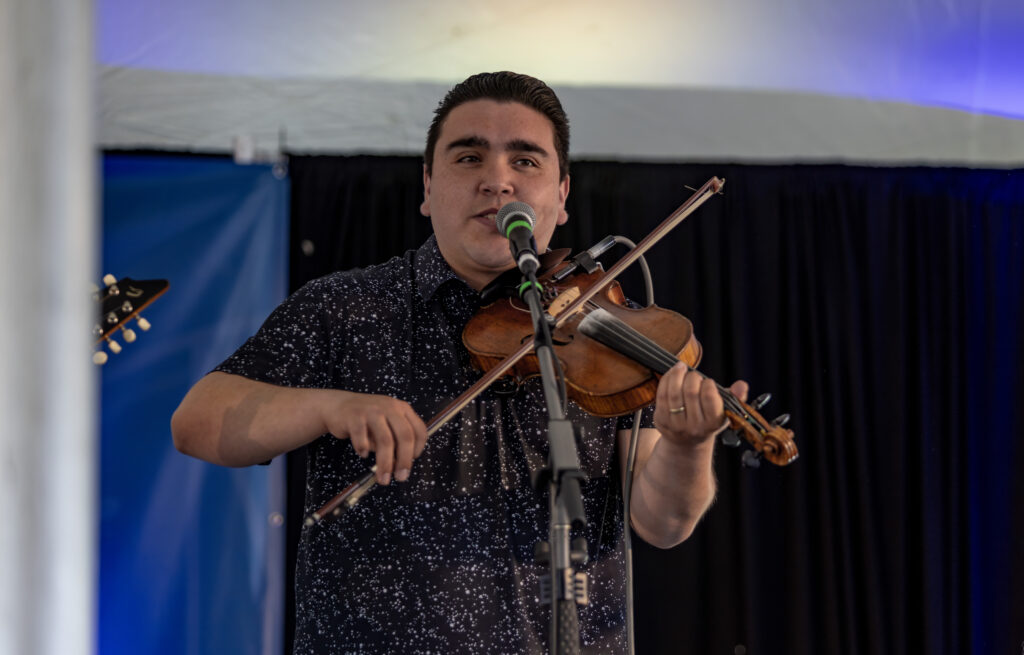
For Juno Award-nominated Mi’kmaq musician Morgan Toney, the reality of that history did not fully land until he walked the grounds that morning.
He had read about the treaty, he said. But standing on the actual earth where it was signed was something else entirely.
“I never actually got to go on the grounds until earlier this morning,” he said. “And I was
like, I have to tell my bandmates. This is where that treaty was signed. It was here, in this location, where you’re standing right now.”
He shook his head slowly. “That’s crazy. That’s beautiful. That’s powerful.”
In a statement, federal Minister of Crown-Indigenous Relations Rebecca Alty said the Peace and Friendship Treaty “is one of the foundational agreements in the history of Crown-Indigenous Relations in this country.”
In honour of the celebration, the federal government declared the signing of the treaty was officially designated as an event of national historic significance, and unveiled a commemorative plaque at the site.
“Three hundred years later to the day, and on the site of its signing, we honour the leaders of the Wabanaki Confederacy who negotiated this treaty and reaffirm our commitment to the relationship it represents,” she said.
“Designating this treaty as an event of national historic significance is a recognition of its enduring importance to the Mi’kmaq Nation and to all Canadians.”
Kji-Keptin Denny spoke about sovereignty. About his father going before the United Nations in the 1980s to seek recognition of the Mi’kmaq Nation, and foreign ambassadors telling his father privately that he was right, but that they could not move against “Canada.”
He spoke about the cod fishery collapse, watching non-Indigenous fishermen exhaust the resource while Mi’kmaq were never compensated. He called for a Mi’kmaw treaty commissioner to hold Atlantic provinces, federal fisheries departments, and police forces accountable.
“We’ve protected you for over 300 years,” he said. “You never protected us once.”
He called for Mi’kmaq Youth to be supported into every professional field, including medicine, law and sport. He described a heart surgeon who had recently saved his life.
He spoke of wanting Mi’kmaq athletes at the Olympics, Mi’kmaq professionals in every sector.
“We need our Youth to be working together with organizations and companies. Teach them. Instead of holding them down, we should be lifting them up.”
He ended by looking ahead.
“It’s only been 300 years. But you have to learn our ways of protecting the environment, of taking what’s needed, of working together and helping each other,” he said.
“We’re human beings. Let’s look at the next 300 years and make sure all leadership helps one another. It does not matter what the colour of your skin is.”
Relationships between Mi’kmaq people and colonial governments have been strained at times, including in recent history. In December 2025, the Nova Scotia government issued a province-wide directive ordering police to raid illegal cannabis operations, which Mi’kmaq leaders have long asserted are protected under their treaty right to trade.
Premier Houston claimed the unregulated cannabis was laced with fentanyl. Both the Nova Scotia RCMP and Halifax Regional Police said that claim was false. Mi’kmaq chiefs called for an apology. None came.
Raids followed across multiple communities, including Eskasoni, shattering relationships between Mi’kmaq communities and police that had taken years to build.
Sipekne’katik First Nation passed a resolution banning Houston and two of his ministers from reserve lands, calling them “undesirables.”
Chief Leroy Denny, speaking for the Assembly of Nova Scotia Mi’kmaw Chiefs, said the raids “only further deteriorate our relationships with these Crown entities.”
Then came Hunters Mountain. Mi’kmaq land protectors established a checkpoint in September 2025 to oppose clear-cutting in Unama’ki, Cape Breton, gathering in what they described as an educational mawiomi to protect moose habitat and forest their ancestors depended on.
Two weeks after the checkpoint was established, Houston’s government introduced Bill 127.
On Oct. 3, 2025, two days after Atlantic Canada’s Treaty Day, it passed. The law criminalized blocking forest access roads on Crown land, with fines of up to $50,000 or six months in jail. Mi’kmaq leaders said they had not been consulted.
Former mayor of Annapolis Royal William MacDonald, who attended the commemoration, acknowledged the weight of the moment from the other side of the treaty relationship.
“This is a live issue,” he said. “As a former mayor of this town, it’s been really important to me that we do everything we can to advance reconciliation. I’m happy to be here to support it.”
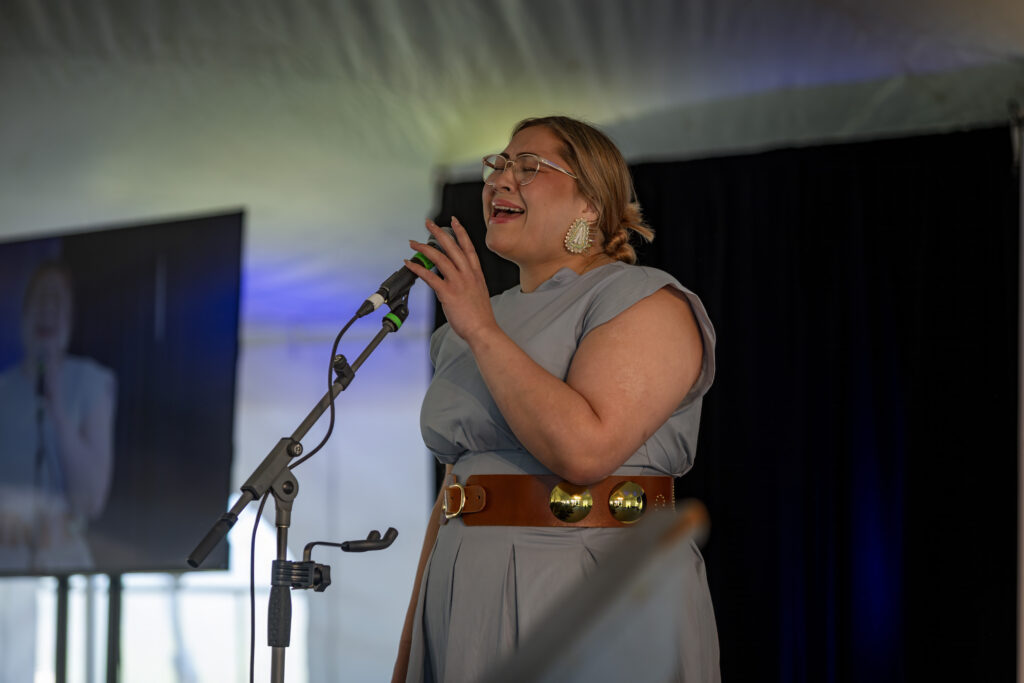
Back in the Youth tent, as Kalolin Johnson’s voice carried across the grounds outside, the conversation returned to where it began. The Youth. The next generation. The ones who will inherit this relationship and all of its weight.
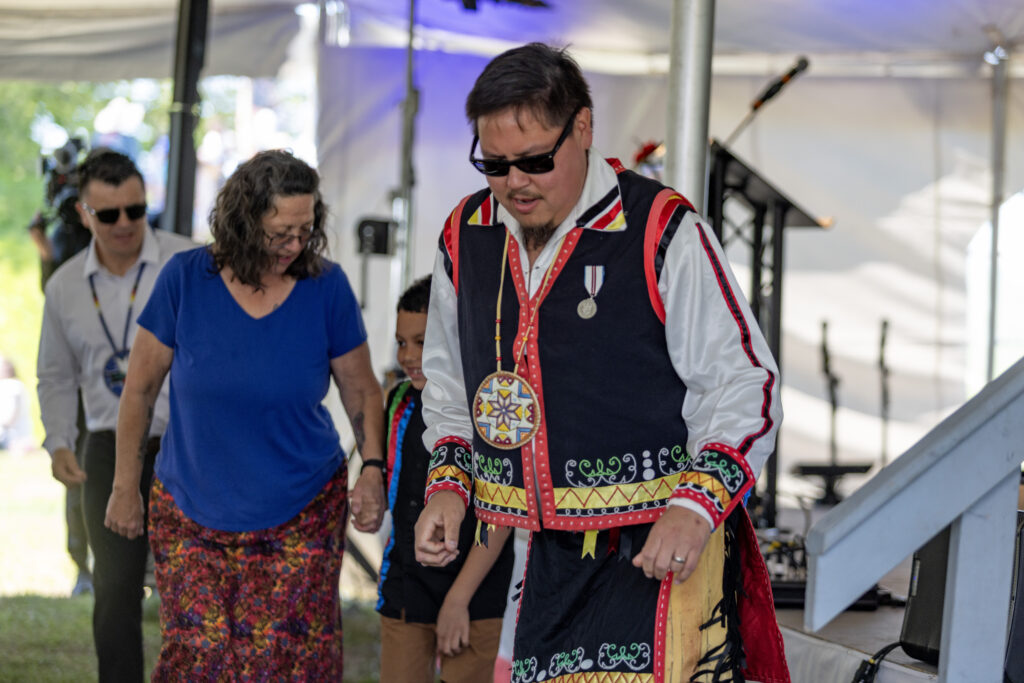
Near the close of the ceremony, four Mi’kmaq Youth representatives were called to the stage alongside the assembled leaders for the presentation of treaty medals.
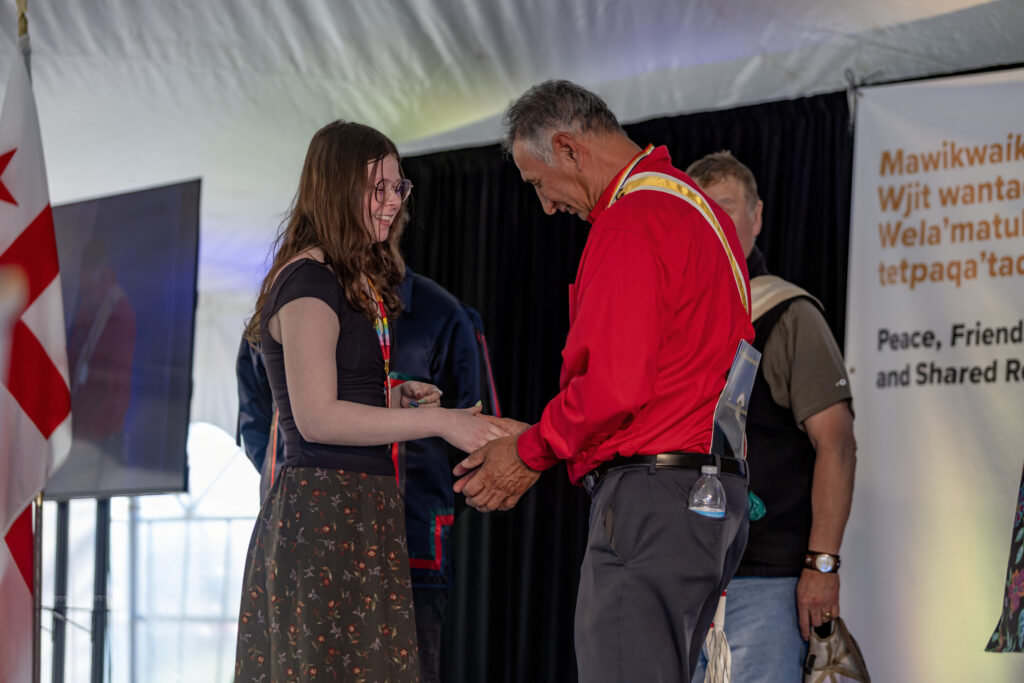
Retired Canadian senator Daniel Christmas, from Membertou First Nation, said the presentation to young Mi’kmaq people and Crown representatives alike “demonstrates the timeliness, the enduring nature of the treaty relationship.”
“It also seeks to look forward to the future and the obligation that we all have as treaty partners,” he said.
Christmas said that, in current times, there’s a very high awareness of the treaty relationship.
“People are taking the time to come and actually trying to understand what it means. How did this happen, and why did it happen. An event like today begins to answer some of those questions.”
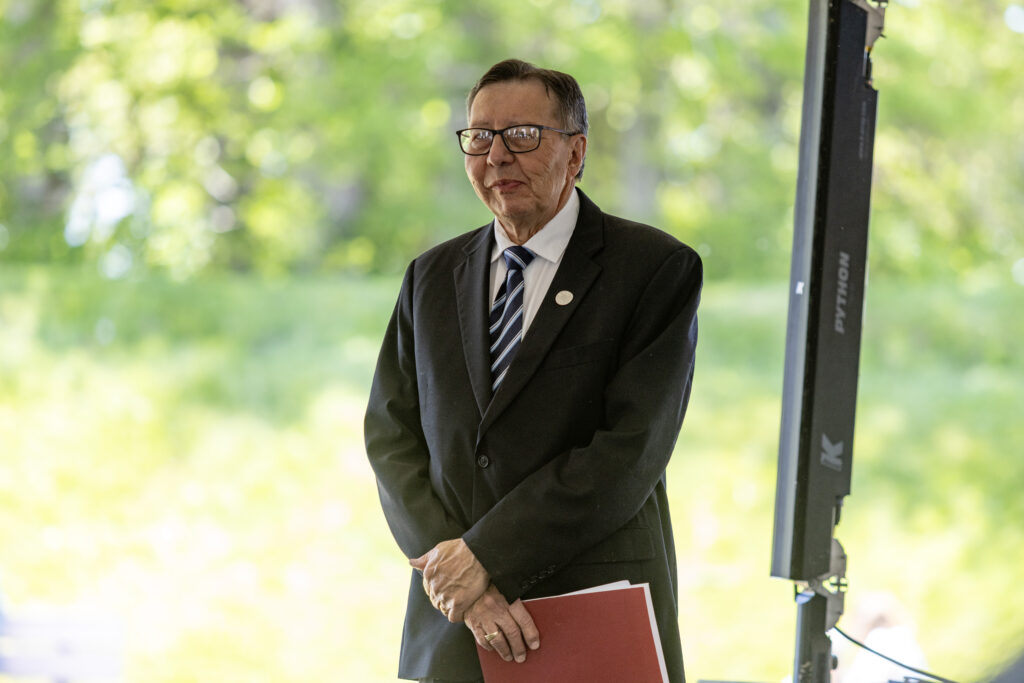
Gould looked around at the crowd gathered in the June sunshine on the oldest treaty ground in what would become “Canada,” at the Elders who had traveled far to be here, at the chiefs who had stood and spoken difficult truths, at the young people sitting quietly in the tent around her, listening.
“I think the generation coming up now,” she said quietly. “I think they’re going to be the balance.”
Author
Latest Stories
-
syilx leaders, allies envision watershed stewardship for the next 250 years
From drought planning to salmon restoration, syilx leaders say water management must be guided by long-term ecological relationships, not short-term political cycles
-
A river robbed of sediment: Columbia River dredging harms Indigenous and aquatic communities
Over a century, the U.S. Army Corps of Engineers has transformed the estuary and stripped the river — which spans the ‘Canada-U.S.’ border — of vital materials