Indigenous Writers’ Circle supports next wave of emerging Indigenous writers
We need more people writing and sharing their stories from their own particular nation but also we need our communities to see ourselves represented accurately,’ says program mentor Chelsea Vowel

Audible, an online audio book and podcast service, has kicked off a new mentorship program for emerging First Nations, Inuit and Métis writers.
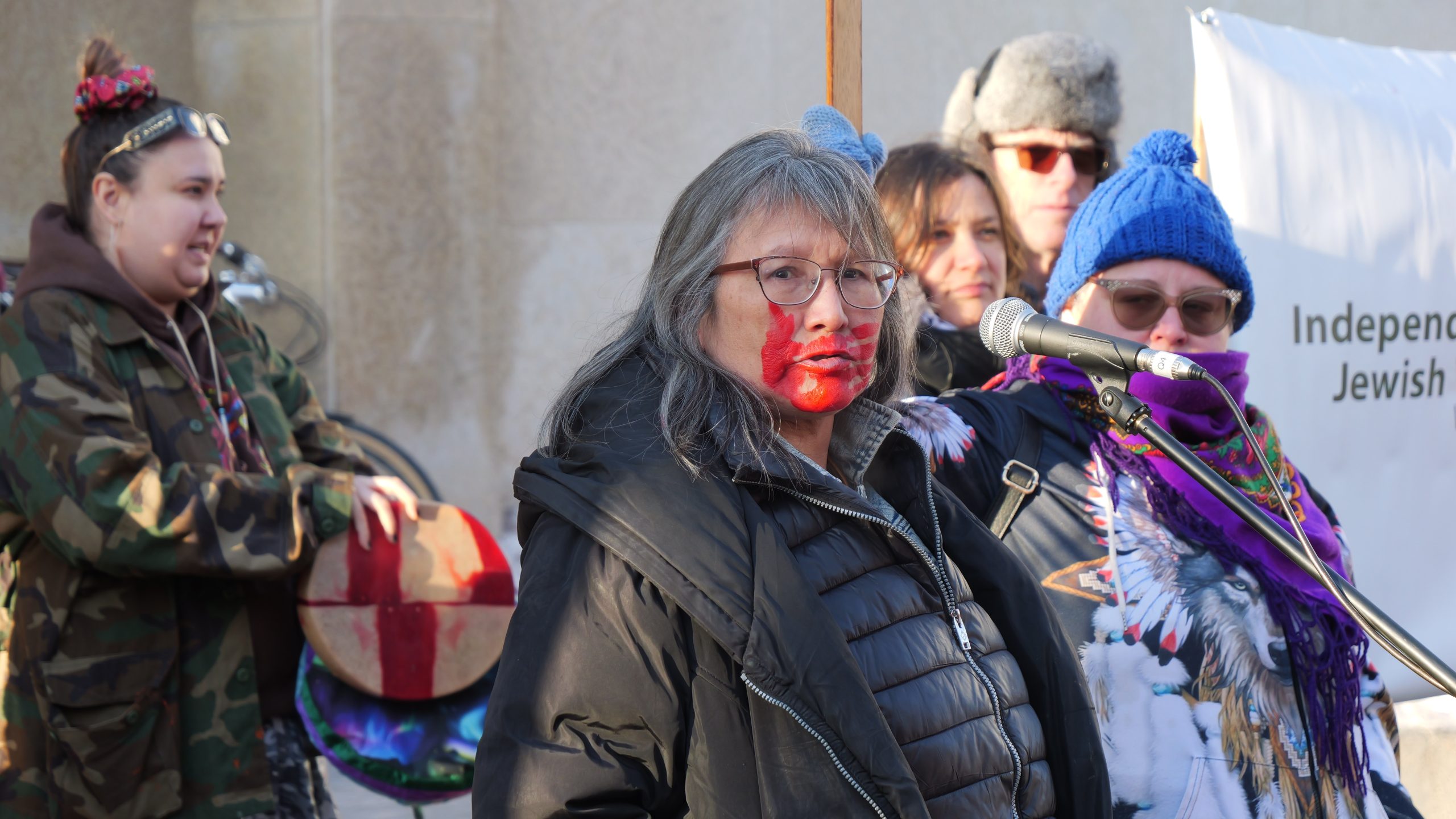
Métis educator Chelsea Vowel is one of the mentors in the Audible Indigenous Writers’ Circle program, alongside other notable Indigenous writers like Norma Dunning, Tanya Talaga, Richard Van Camp, and Kim Wheeler.
“I joined as a mentor because I want to share the experience that I have gained through trial and error,” says Vowel, who’s from manitow-sâkahikan (Lac Ste. Anne) Alberta, and currently living in amiskwacîwâskahikan (Edmonton).
She says the idea behind this six-month mentorship is “to get more Indigenous authors from diverse backgrounds to start publishing and to get into the industry because every Indigneous person comes from a different community and those stories are important.”
“We need more representation,” says Vowel, who’s the mother of six girls. “We need more people writing and sharing their stories from their own particular nation, but also we need our communities to see ourselves represented accurately.”
Vowel is the author of Indigenous Writes: A Guide to First Nations, Métis & Inuit Issues in Canada and she and her co-host Molly Swain produce the Indigenous feminist sci-fi podcast Métis in Space, and co-founded the Métis in Space Land Trust. Vowel has a BEd, LLB, and MA and is a Cree language instructor at the Faculty of Native studies at the University of Alberta.
“I thought it would be really cool to have an opportunity to work with people over a longer period of time and see the progression of their work as they go,” she tells IndigiNews.
The 15 emerging writers were selected in May 2021. The participants are in the midst of training — submitting writing to the mentors who then provide feedback and set a deadline for the next submission.
Over the next six months, Vowel and the other mentors will draw on their expertise to support 15 emerging writers and entrepreneurs through a series of virtual workshops.
They’ll be exploring themes such as Indigenous identity, mental health, Cree stories, healing and the Sixties Scoop experience, says Vowel.
Vowel, who has been passionate about writing from an early age, says it’s important for Indigenous people to have space where they can enhance their writing abilities while having someone there to support them.
As a mentor, Vowel focused on creating lasting change across the publishing industry that will serve current and future Indigenous writers.
“I want to see Native people writing in every conceivable genre. I want to see Native horror. I want to see Native young adult fiction, mystery — and to have so much that we can never possibly read it.”
Author
We live in a media ecosystem that thrives on misinformation. Big Tech and AI companies are consuming the work of real human beings and Canadian news has been banned on Facebook and Instagram.
And yet, I have hope for journalism because of the work we’re doing at IndigiNews.
At IndigiNews, we embody tâpwêwin — the Cree value of integrity and responsibility in truth-telling. We are committed to our independent, Indigenous-led newsroom rooted in community, accountability, and relationality. We believe storytelling is a sacred fire that connects our pasts, presents, and futures through the storytellers in our Storytelling Lodge. IndigiNews creates space for Indigenous journalists, storytellers, Knowledge Keepers, and communities to gather, learn, and share stories that matter.
As a registered charity, we are building a fire that allows our work not just to ignite but to thrive. Rather than relying on advertising or corporate acquisition, IndigiNews is sustained by people like you who believe Indigenous stories are important for the future of our communities.
Your support is making a real difference.
Our community of supporters, our Firekeepers, make it possible to grow our newsroom, publish award-winning journalism, train emerging Indigenous journalists through initiatives like the ReFocus Photojournalism Fellowship, and publish trustworthy stories that serve our communities across the country. Every story we publish helps fill in gaps left by mainstream media and ensures Indigenous perspectives are represented with care, accuracy and respect.
But there is still more work to do.
As the media landscape becomes more and more uncertain, community support is as necessary and essential as it’s ever been. Every new Firekeeper helps protect the independence of our newsroom and strengthens journalism that is accountable to our many and varied communities over corporations.
That’s why we’re inviting you to become a Firekeeper.
Firekeepers tend to and protect the sacred fire. Your monthly contributions directly support IndigiNews’s Storytelling Lodge, helps sustain our independent, Indigenous-led newsroom, and ensures future generations of Indigenous storytellers have the resources they need to do the work.
As a registered Canadian charity, all eligible donations receive a charitable tax receipt.
If you believe Indigenous stories matter, if you value independent journalism, and if you want to help build a strong future for Indigenous media, we invite you to join our circle of Firekeepers today.
Together, we can keep the fire burning.
— Eden Fineday, Publisher, IndigiNews
Support us nowLatest Stories
-
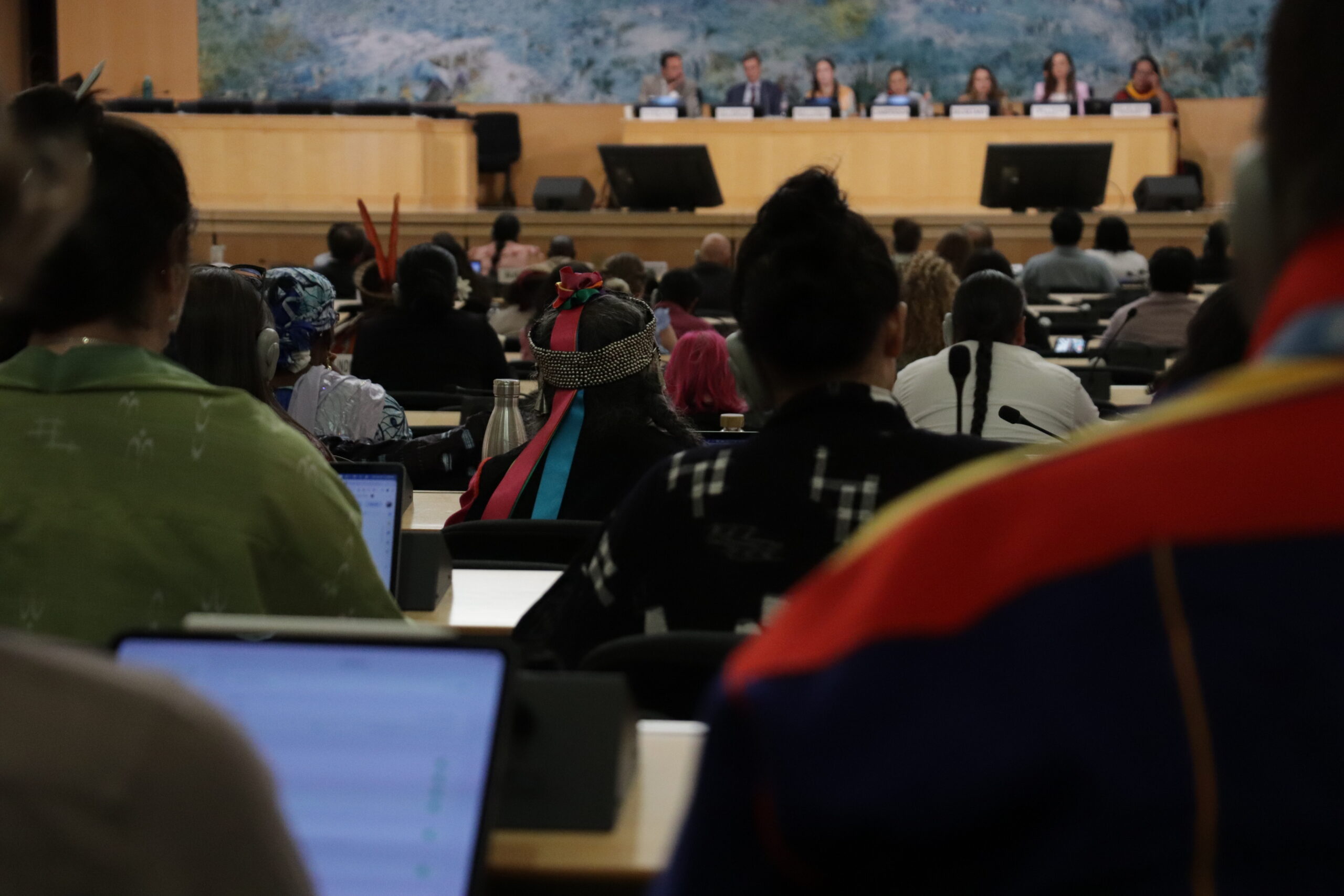
Indigenous leaders give the UN a roadmap for protecting their peoples
Amidst prayers and vows of solidarity, UN Expert Mechanism on the Rights of Indigenous Peoples ends annual meetings with demands for ‘action we’re not seeing globally’
-
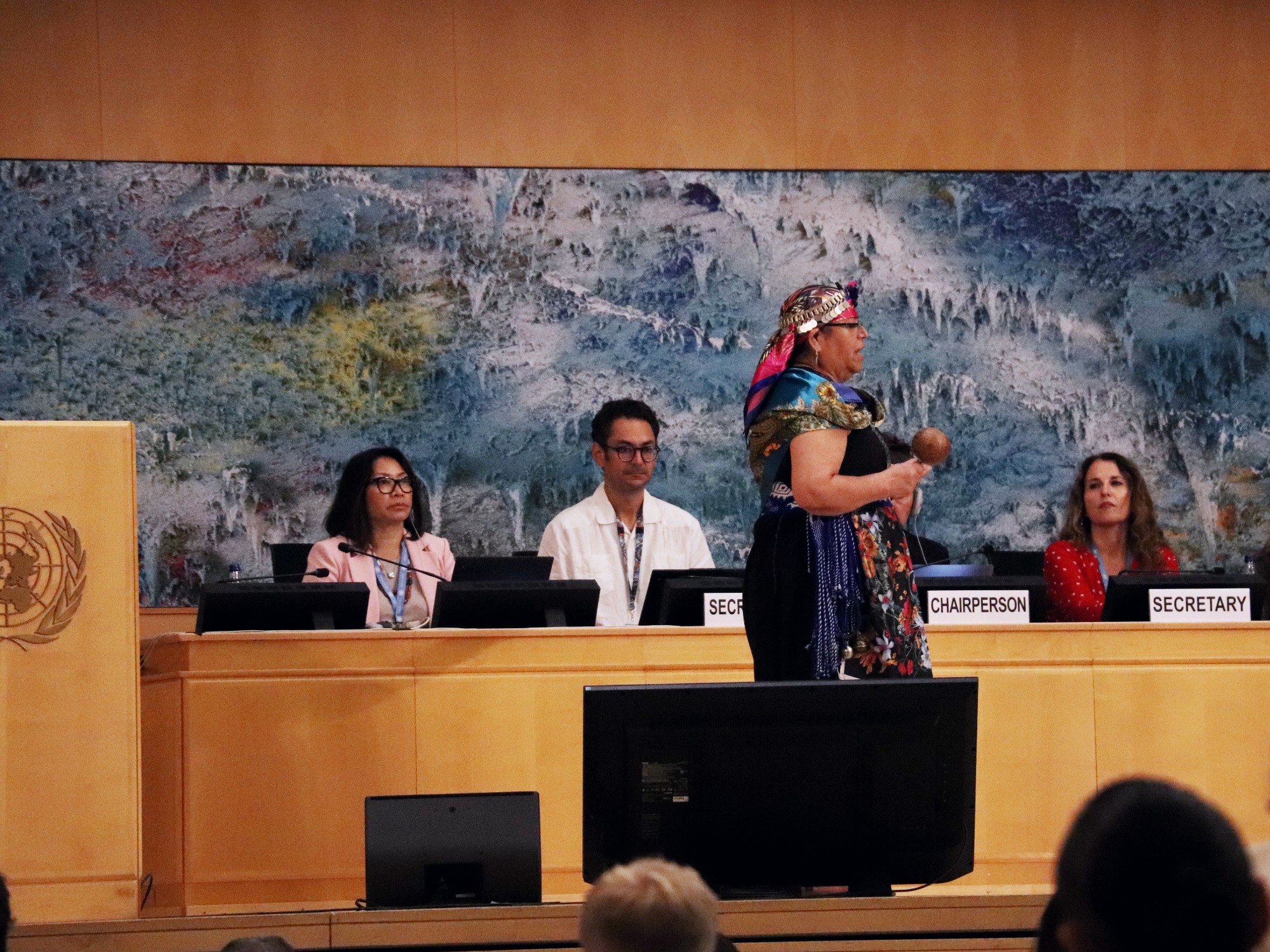
Indigenous people demand more say at the UN, as new crises hit their homelands
Indigenous nations live ‘on the frontlines’ of climate, conflict and new tech. But their voices remain sidelined in the global halls of power.