Tla’amin choreographer brings ‘Wild Man of the Woods’ ballet home to the West Coast
Cameron sinkʷə Fraser-Monroe is debuting his piece around ‘B.C.’ — but his sold-out show in his home territories feels particularly special


When choreographer Cameron sinkʷə Fraser-Monroe was asked to create a piece for the Royal Winnipeg Ballet, he knew he wanted to tell a story from his home community of Tla’amin Nation.
He chose to feature a traditional oral tale about T’əl, a sinister figure who steals children during the night. In the story, a young woman ventures into the unknown to save her sister from the mythical beast.
Fraser-Monroe’s ballet interpretation of the story — “T’əl: The Wild Man of the Woods” — is now making its West Coast debut in locations across “B.C.” from Jan. 27 to Feb. 10.
“The story of T’əl is shared to keep children well-behaved, to keep children home before dark,” Fraser-Monroe told IndigiNews.
“It’s culturally specific to our nation, but — you know, whether it’s the Sasquatch or the Yeti — there are hairy men in the woods all over the world. So it was something that had a universal appeal and access.”

“T’əl: The Wild Man of the Woods” originally had its world premiere back in 2024, and received “enthusiastic praise from critics and audiences alike,” said Royal Winnipeg Ballet artistic director Christopher Stowell.
The tour program will open with the piece “Carmina Burana,” a contemporary ballet that first premiered more than two decades ago.
Notably, this is the first time “T’əl: The Wild Man of the Woods” will be seen in Fraser-Monroe’s home community of Tla’amin — located in qathet (Powell River) on the upper Sunshine Coast.
For the piece, the tale is narrated by Tla’amin Elder Elsie Paul in both English and ʔayʔaǰuθəm, the nation’s language.
“I started with the oral history from Elsie and looking at the recordings and different versions of the story that exists for us and our sister nations, K’ómoks, Klahoose, Xwémalhkwu (Homalco),” Fraser-Monroe explained.
“They all have the same story, but slightly different variations to it.”
He said at the first stop on the tour on Jan. 27, the Elder will get to see the performance live for the first time.
“We’ll have brought it to her, it makes me well up to think about that moment,” he said.
“It can be incredibly emotional to remember that this piece of oral history was illegal under the Potlatch ban, and it’s through Elsie Paul’s commitment to keeping it alive that this whole ballet production exists.”
Along with Paul’s narration, the performance features an original score by JUNO-nominated, Two-Spirit composer Cris Derksen, and costumes by Navajo designer Asa Benally.

Going into the 2026 tour, Fraser-Monroe said there was a lot of energy in the studios – he explained the Royal Winnipeg Ballet was rehearsing with several different casts and different versions of “T’əl: The Wild Man of the Woods” because not all the theatres in the eight stops are as big as the Centennial Concert Hall in “Winnipeg” where the piece originally premiered. The stops include “Chilliwack,” “Vernon,” “Nanaimo,” and “Salt Spring Island,” among others.
“That was really core to the work; making sure that it could be toured, that it could be accessible, and especially that the Tla’amin community could see it,” he said.
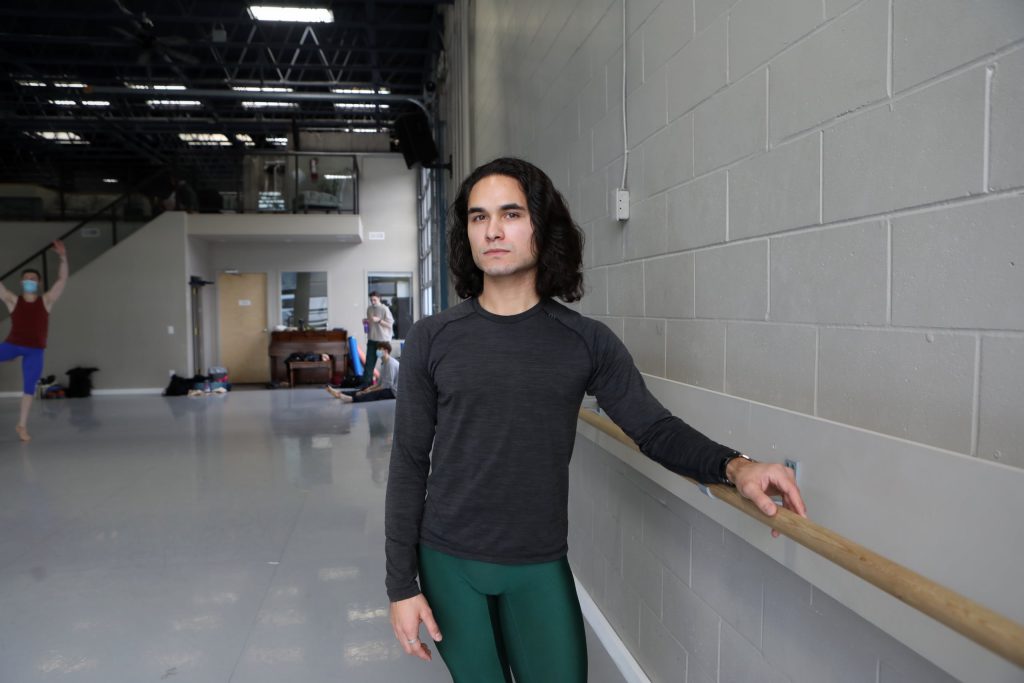
When he was just 15 years old, Fraser-Monroe said he moved away from home to attend the Royal Winnipeg Ballet School’s professional division, where he trained in classical ballet. After graduation, he worked as a professional contemporary dancer, ballet dancer, and a Coast Salish dancer with the Dancers of Damelahamid.
“So my choreographic voice is braiding all three of these distinct styles, ballet, contemporary and traditional First Nations dance, that was kind of my pathway to being a choreographer,” he said.
He shared it was a huge endeavour to present “T’əl: The Wild Man of the Woods” on the main stage, and he was overwhelmed by the support of “all types of artists from all walks of life coming together behind this story.”
Fraser-Monroe said the qathet showing was sold out by mid-January.
“I’m really excited to pack that house and receive their energy for a story that so many of them will know,” he said.
“It really is to celebrate Elsie Paul and Tla’amin’s rich history of art and creation and so that, for me, is a completely different feeling that I’m really looking forward to.”
The full tour schedule, along with ticket information, is available here.
Author
We live in a media ecosystem that thrives on misinformation. Big Tech and AI companies are consuming the work of real human beings and Canadian news has been banned on Facebook and Instagram.
And yet, I have hope for journalism because of the work we’re doing at IndigiNews.
At IndigiNews, we embody tâpwêwin — the Cree value of integrity and responsibility in truth-telling. We are committed to our independent, Indigenous-led newsroom rooted in community, accountability, and relationality. We believe storytelling is a sacred fire that connects our pasts, presents, and futures through the storytellers in our Storytelling Lodge. IndigiNews creates space for Indigenous journalists, storytellers, Knowledge Keepers, and communities to gather, learn, and share stories that matter.
As a registered charity, we are building a fire that allows our work not just to ignite but to thrive. Rather than relying on advertising or corporate acquisition, IndigiNews is sustained by people like you who believe Indigenous stories are important for the future of our communities.
Your support is making a real difference.
Our community of supporters, our Firekeepers, make it possible to grow our newsroom, publish award-winning journalism, train emerging Indigenous journalists through initiatives like the ReFocus Photojournalism Fellowship, and publish trustworthy stories that serve our communities across the country. Every story we publish helps fill in gaps left by mainstream media and ensures Indigenous perspectives are represented with care, accuracy and respect.
But there is still more work to do.
As the media landscape becomes more and more uncertain, community support is as necessary and essential as it’s ever been. Every new Firekeeper helps protect the independence of our newsroom and strengthens journalism that is accountable to our many and varied communities over corporations.
That’s why we’re inviting you to become a Firekeeper.
Firekeepers tend to and protect the sacred fire. Your monthly contributions directly support IndigiNews’s Storytelling Lodge, helps sustain our independent, Indigenous-led newsroom, and ensures future generations of Indigenous storytellers have the resources they need to do the work.
As a registered Canadian charity, all eligible donations receive a charitable tax receipt.
If you believe Indigenous stories matter, if you value independent journalism, and if you want to help build a strong future for Indigenous media, we invite you to join our circle of Firekeepers today.
Together, we can keep the fire burning.
— Eden Fineday, Publisher, IndigiNews
Support us nowLatest Stories
-
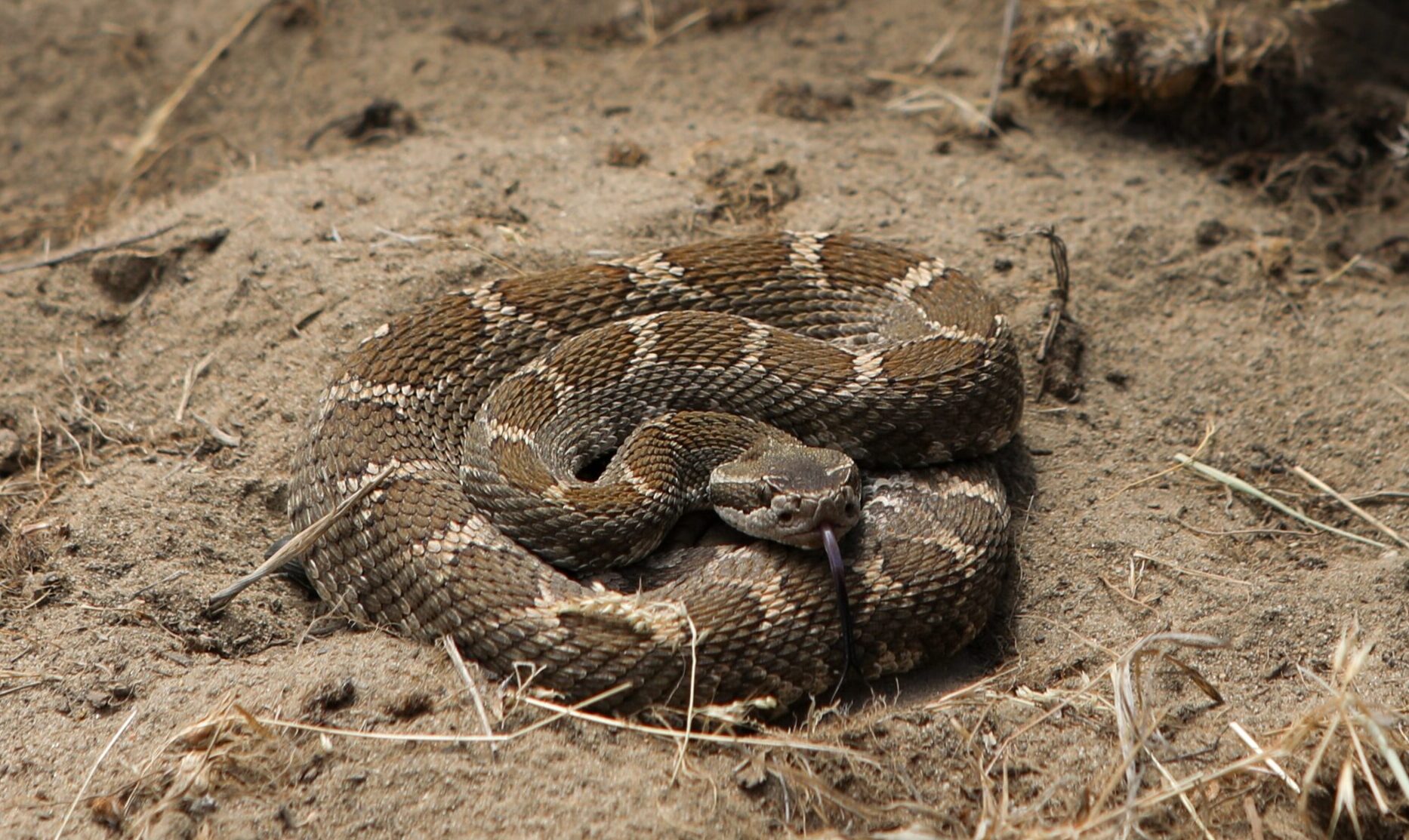
In the Okanagan desert, snakes offer lessons on protecting a fragile ecosystem
For two decades, researchers at the Nk’Mip Desert Cultural Centre have tracked snakes across syilx homelands — while helping people appreciate the often-feared creatures
-
Beloved on the powwow circuit, young boy’s connection to the drum inspires
Now four, Waseskwan Redcrow was dancing ‘before he could even fully walk’ — his family says participating in powwows has brought them joy and belonging