Songhees mother reflects on difficult journey through the education system and her desire for change
As an education advocate, Florence Dick strives to ensure her family has access to resources that help to support their learning.

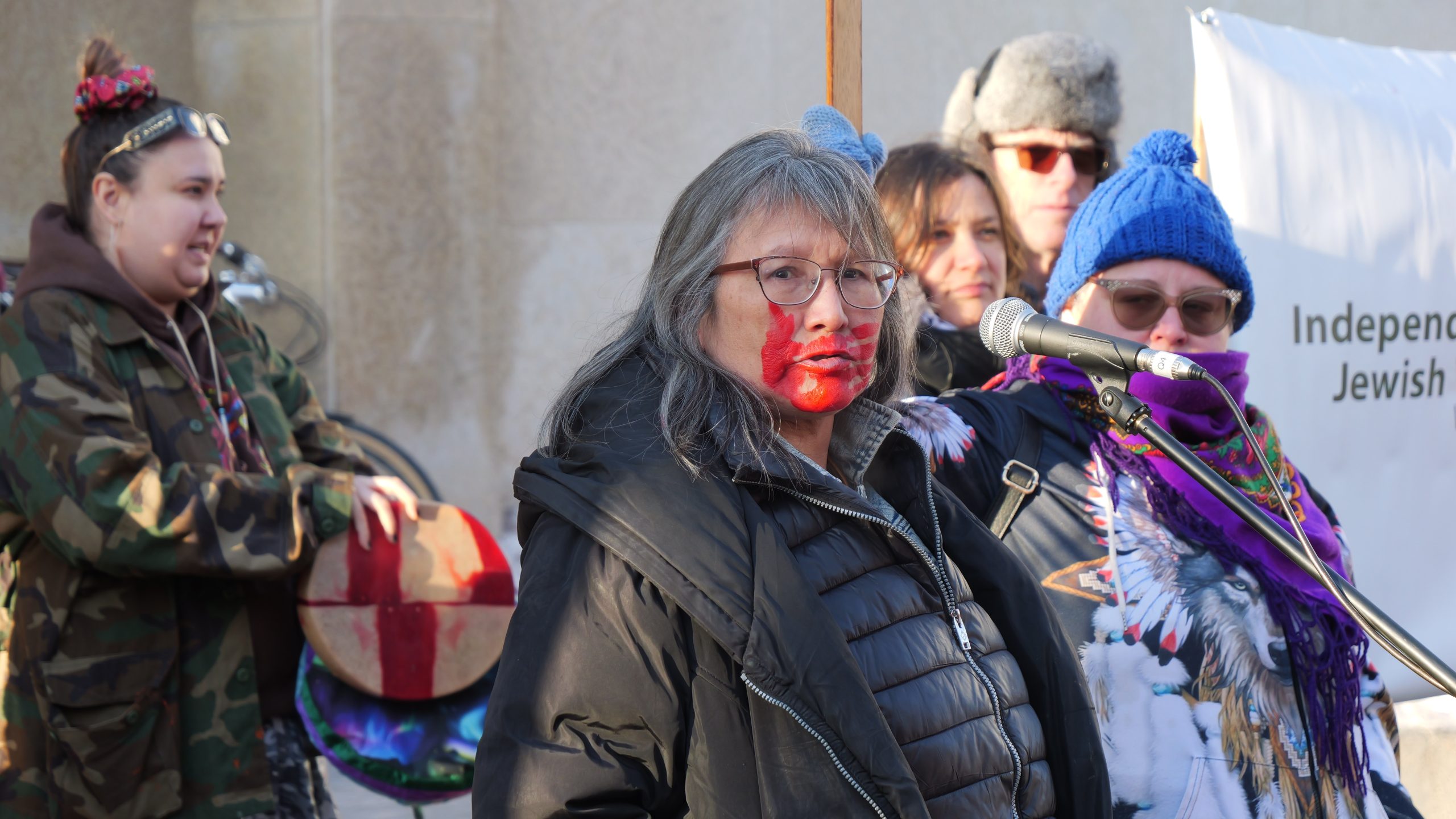
Florence Dick, a Songhees woman who grew up on the Songhees Reserve, is passionate about Indigenous education.
“The system is not working for our people,” says Dick, who is a mother and a grandmother. “We are all struggling with education.”
As schools begin to reopen, Dick is reflecting on her own experiences in the school system and wants to make sure that Indigenous students’ needs are prioritized.
The B.C. Ministry of Education’s back to school plan states that, this fall, support will focus on full-time instruction for students with disabilities and/or diverse abilities and students requiring additional support. For those Indigenous students who attend public schools, school districts will engage with First Nations and Indigenous Peoples as a part of their planning process, the plan states.
Dick’s goal is to continue to spread the word to Songhees leadership about how the education system can still be improved – not just for her own family but the entire community.
“Our future leaders should be thinking about advanced education goals so they don’t lose their interest in school,” she says.
What motivates her
When asked if she thinks that the education system had the same support for her growing up as it offers students today, Dick is quick to respond, shaking her head no.
“We were going to school with nothing,” says Dick. “No breakfast. No lunch. How do you learn on an empty stomach?”
For students soon heading back to B.C. public schools, lunch program funding will be provided through a funding stream called CommunityLINK (Learning Includes Nutrition and Knowledge). In the 2020/21 school year, School District 61 (Greater Victoria including Esquilmalt) will receive $3.9 million, and School District 63 (Saanich) will receive just over $400,000.
CommunityLINK covers not only meal programs, but also academic supports, counselling, youth workers and after-school programs. CommunityLINK funds are set aside from Indigenous-funded programs. However, its funding supports both on-reserve and off-reserve First Nations students who attend public schools.
Beyond access to meal programs, Dick says she faced many barriers to her learning early on that continued through to post-secondary education. This included challenges with literacy due to what she says was a lack of support in the classroom and at home when it came to her education.
She grew up in an impoverished environment, living on reserve in a colonial system that was forced on her family and community. The youngest of eight siblings, Dick says she knows what it’s like to have difficulty focusing at school for these reasons.
The turning point
After graduating high school in 1987, Dick did several years of Adult Basic Education on the reserve, which she refers to as “upgrading.” The program she was enrolled in was facilitated by Camosun College. Looking back, she says she wonders how she was able to repeat herself year after year, but still she never gave up.
“They just continuously let me register and let me sit there the whole time and not move nowhere. Not knowing how to write a paragraph and essay.”
In what she recalls was her 10th year, she decided to try something different and went into Camosun’s College Preparation Program.
Dick says she didn’t know it at the time, but her difficulty in learning wasn’t only related to a lack of nutrition, but to her inability to read and write. When she found a literacy program called Project Literacy Victoria, since revamped as Literacy Victoria: Empowering Adult Learners, it was a turning point.
“I was able to come off the reserve, be part of something that was free, and they wouldn’t turn me away. It was a new challenge every day.”
Dick says that the program helped her to improve her reading and writing skills so much so that she received Literacy Victoria’s annual Co-operator’s Learner Achievement Award in 2007 for her progress.
The program offers marginalized adults free support with reading, writing, math and computer skills. Trained literacy volunteers work with clients to help them set and reach their own learning goals. Outreach programs include a mobile computer lab, bookmobile and a prison literacy program. Literacy tutors are located at the following sites: Seven Oaks, Mustard Seed, AIDS Vancouver Island, Victoria Immigrant and Refugee Centre Society, Capital Mental Health, Access Health Centre and the Victoria Native Friendship Centre.
Today, Dick is a First Nations Liaison Officer for Songhees Nation. In this role, she does territorial acknowledgements throughout Victoria, Saanich, Oak Bay and Colwood. She says this is an important way to educate people that are new to her territory on why territorial acknowledgements are important and why they are done.
She’s also been recognized for her efforts to make change. Her portrait was painted as one of many admired women leaders in her community, alongside Dr. Bonnie Henry, in a unique Our Place Society project in April 2020.
The project’s website states that Dick was the founding member of the community-led committee that imagined and built the Songhees Wellness Centre. Hailed as a “fierce advocate and tireless promoter of the Songhees peoples,” Dick has served as a liaison in many roles that present a “bridge between cultures [and] helps foster stronger government-to-government relations.”
Changing the narrative
Dick leads as an example to her children, one of whom is an adult now, while the other – who she adopted when he was a baby – is currently in high school.
“The first thing I had to change was stop drinking,” says Dick, explaining how she wanted to provide a better life for her children and change her family’s narrative. Dick has been on the “red road” of sobriety for 26 years, and says, “I know my boundaries and I like to keep them healthy.”
Now a grandmother, she says she hopes her grandson will have a good experience in preschool and “a good life.” She says she wonders how many generations it’s going to take for the “curse” to be broken in her family.
Dick adds that a pattern began and was rooted in her mother’s experience “not having a healthy life, being malnourished in school when they were supposed to be feeding her and they didn’t.”
She says her mother is a residential school survivor who was forced to attend Kuper Island residential school, and was later transferred to Nanaimo General Hospital, where she spent eight years of her life. Dick says this impacted her own time in school, as her mother did not want to be a part of any activities there.
“She refused any time there was any teacher-parent interviews.”
However, Dick adds, now when she is asked to have a meeting with her son’s school, the teachers always know she’s coming “101 per cent.”
The realization of what her mother went through and that she did her best at raising her children is something that Dick says she carries with her.
“As much as she neglected us, I’m actually here surviving and carrying on where I could have been gone because of what I went through.”
Author
We live in a media ecosystem that thrives on misinformation. Big Tech and AI companies are consuming the work of real human beings and Canadian news has been banned on Facebook and Instagram.
And yet, I have hope for journalism because of the work we’re doing at IndigiNews.
At IndigiNews, we embody tâpwêwin — the Cree value of integrity and responsibility in truth-telling. We are committed to our independent, Indigenous-led newsroom rooted in community, accountability, and relationality. We believe storytelling is a sacred fire that connects our pasts, presents, and futures through the storytellers in our Storytelling Lodge. IndigiNews creates space for Indigenous journalists, storytellers, Knowledge Keepers, and communities to gather, learn, and share stories that matter.
As a registered charity, we are building a fire that allows our work not just to ignite but to thrive. Rather than relying on advertising or corporate acquisition, IndigiNews is sustained by people like you who believe Indigenous stories are important for the future of our communities.
Your support is making a real difference.
Our community of supporters, our Firekeepers, make it possible to grow our newsroom, publish award-winning journalism, train emerging Indigenous journalists through initiatives like the ReFocus Photojournalism Fellowship, and publish trustworthy stories that serve our communities across the country. Every story we publish helps fill in gaps left by mainstream media and ensures Indigenous perspectives are represented with care, accuracy and respect.
But there is still more work to do.
As the media landscape becomes more and more uncertain, community support is as necessary and essential as it’s ever been. Every new Firekeeper helps protect the independence of our newsroom and strengthens journalism that is accountable to our many and varied communities over corporations.
That’s why we’re inviting you to become a Firekeeper.
Firekeepers tend to and protect the sacred fire. Your monthly contributions directly support IndigiNews’s Storytelling Lodge, helps sustain our independent, Indigenous-led newsroom, and ensures future generations of Indigenous storytellers have the resources they need to do the work.
As a registered Canadian charity, all eligible donations receive a charitable tax receipt.
If you believe Indigenous stories matter, if you value independent journalism, and if you want to help build a strong future for Indigenous media, we invite you to join our circle of Firekeepers today.
Together, we can keep the fire burning.
— Eden Fineday, Publisher, IndigiNews
Support us nowLatest Stories
-
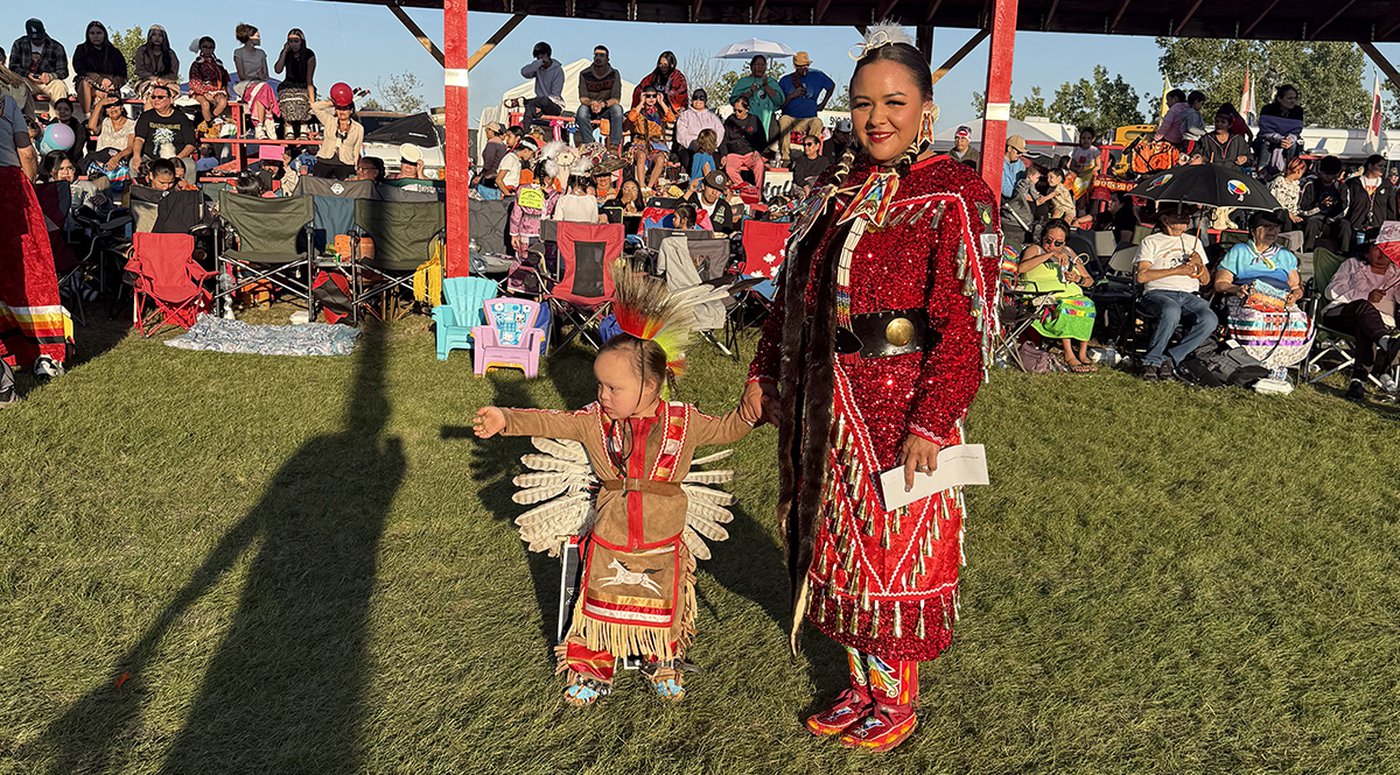
Beloved on the powwow circuit, young boy’s connection to the drum inspires
Now four, Waseskwan Redcrow was dancing ‘before he could even fully walk’ — his family says participating in powwows has brought them joy and belonging
-
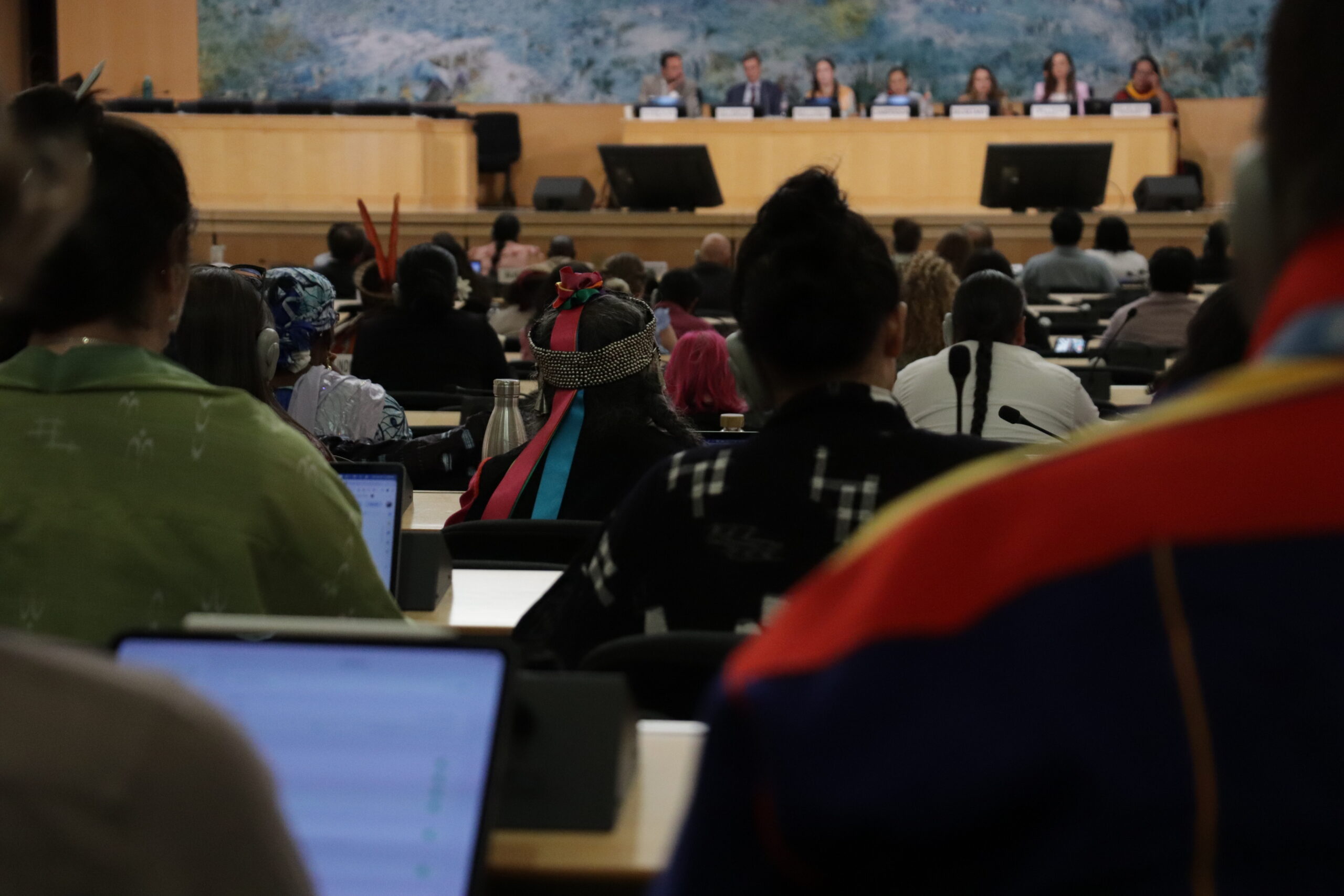
Indigenous leaders give the UN a roadmap for protecting their peoples
Amidst prayers and vows of solidarity, UN Expert Mechanism on the Rights of Indigenous Peoples ends annual meetings with demands for ‘action we’re not seeing globally’