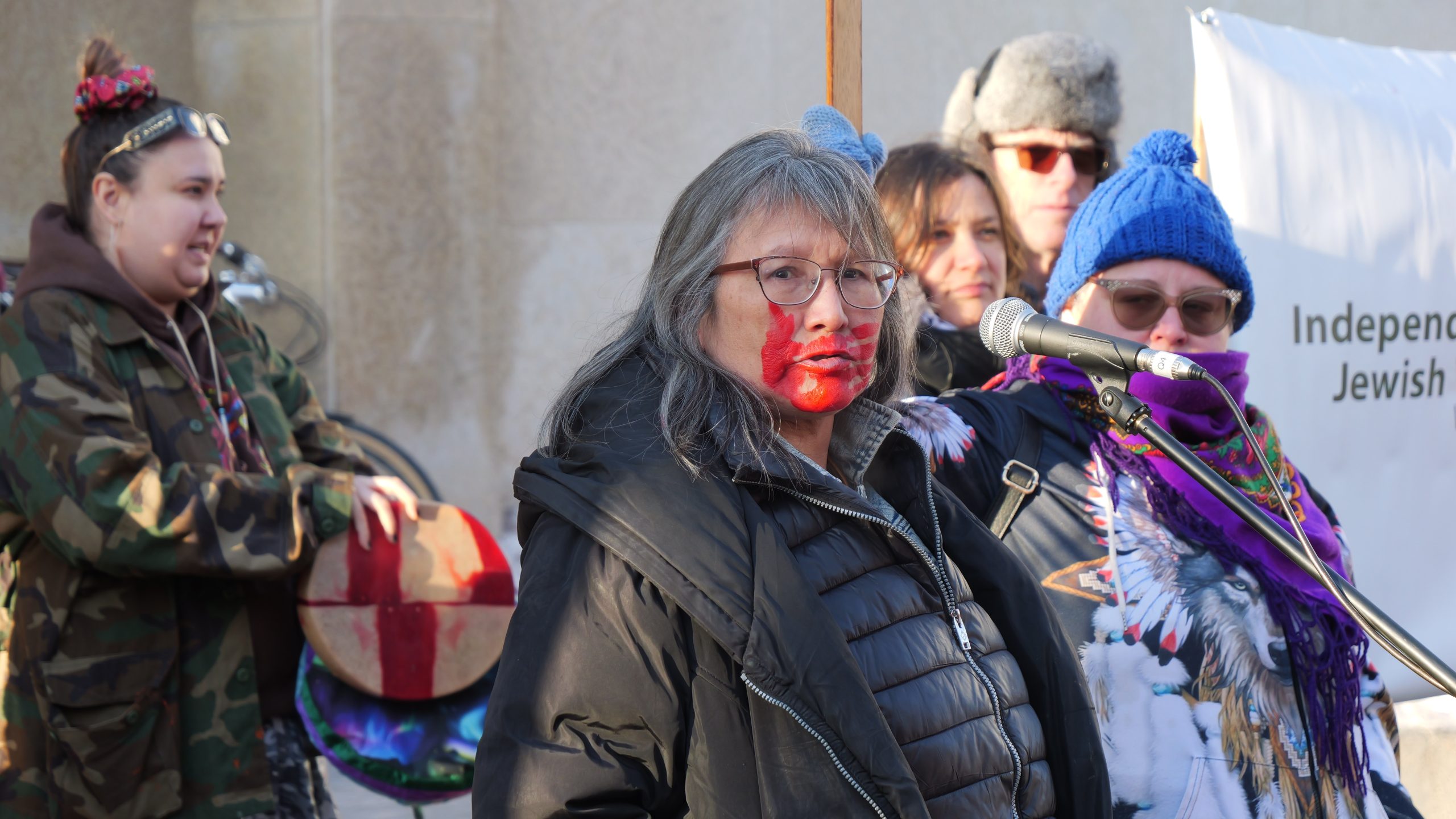
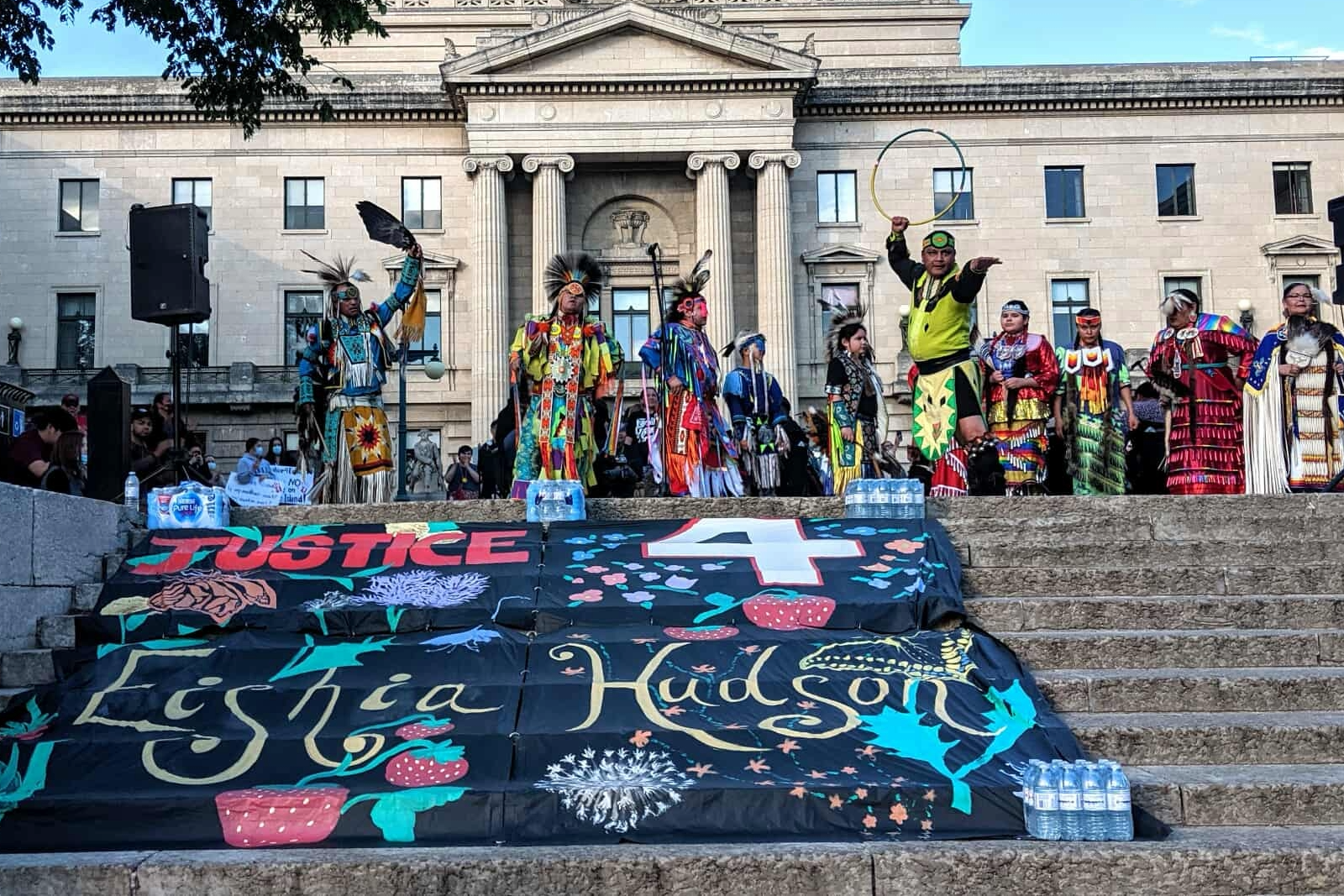
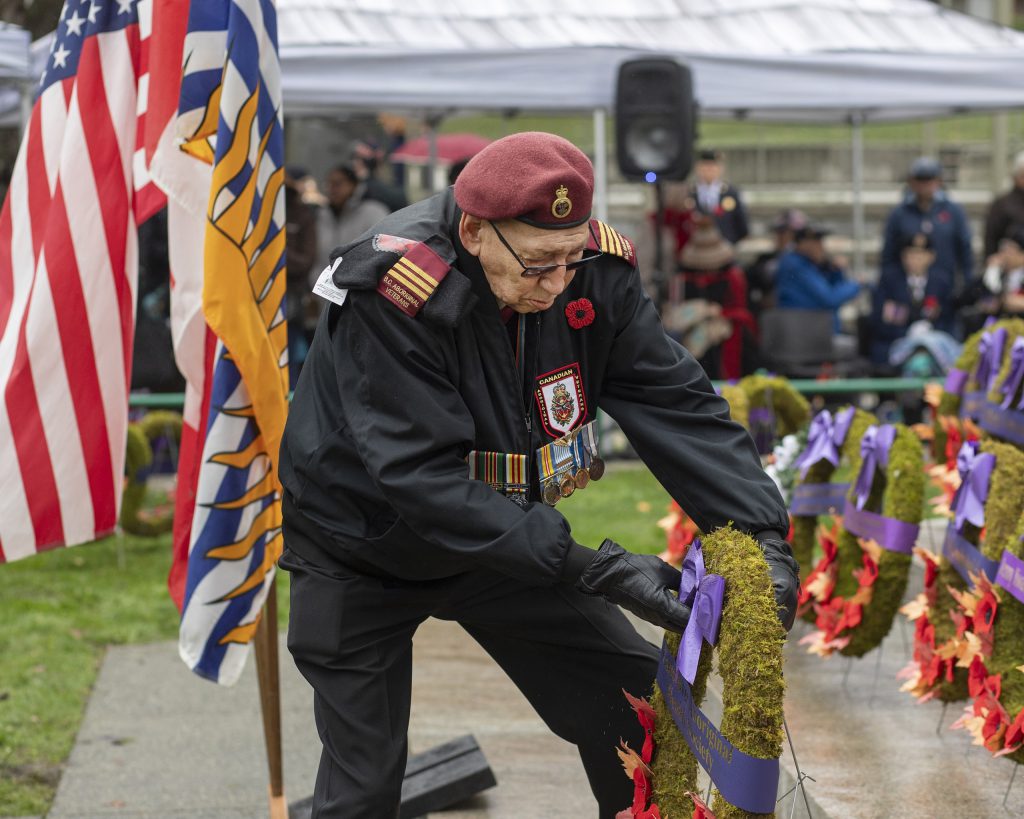
In photos: Indigenous veterans honoured during event in xʷməθkʷəy̓əm, Sḵwx̱wú7mesh, səlilwətaɬ territories
Hundreds gathered in downtown ‘Vancouver’ as part of country-wide events on National Indigenous Veterans Day

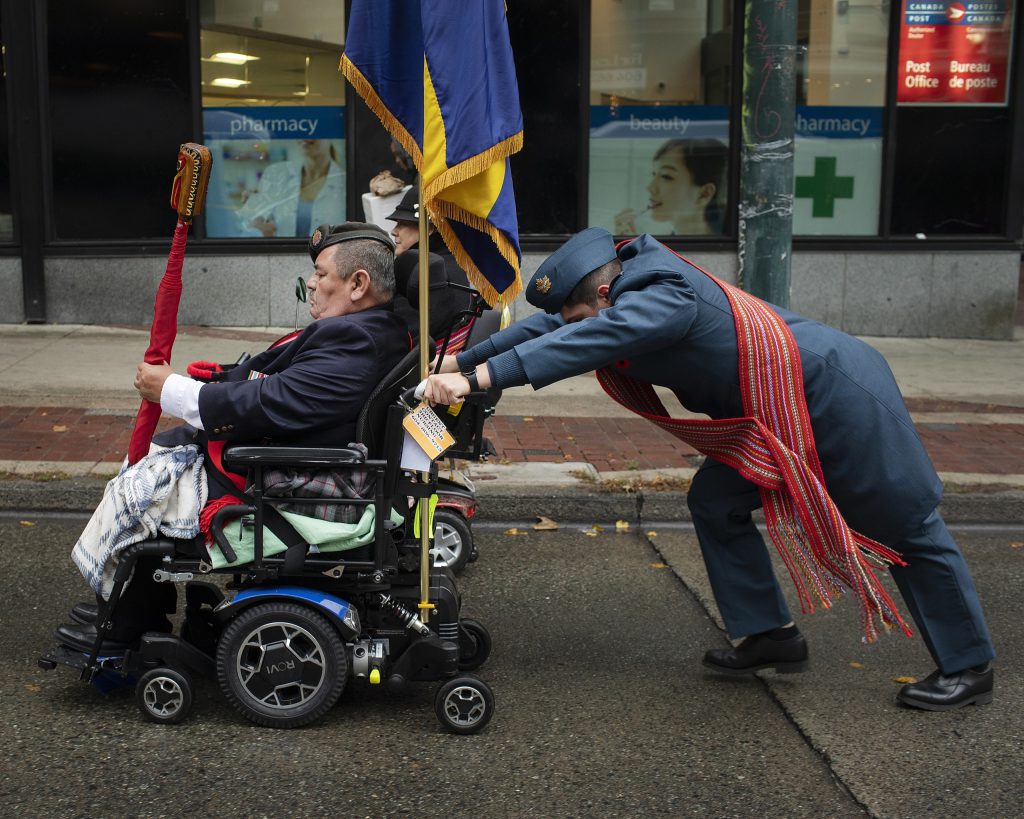
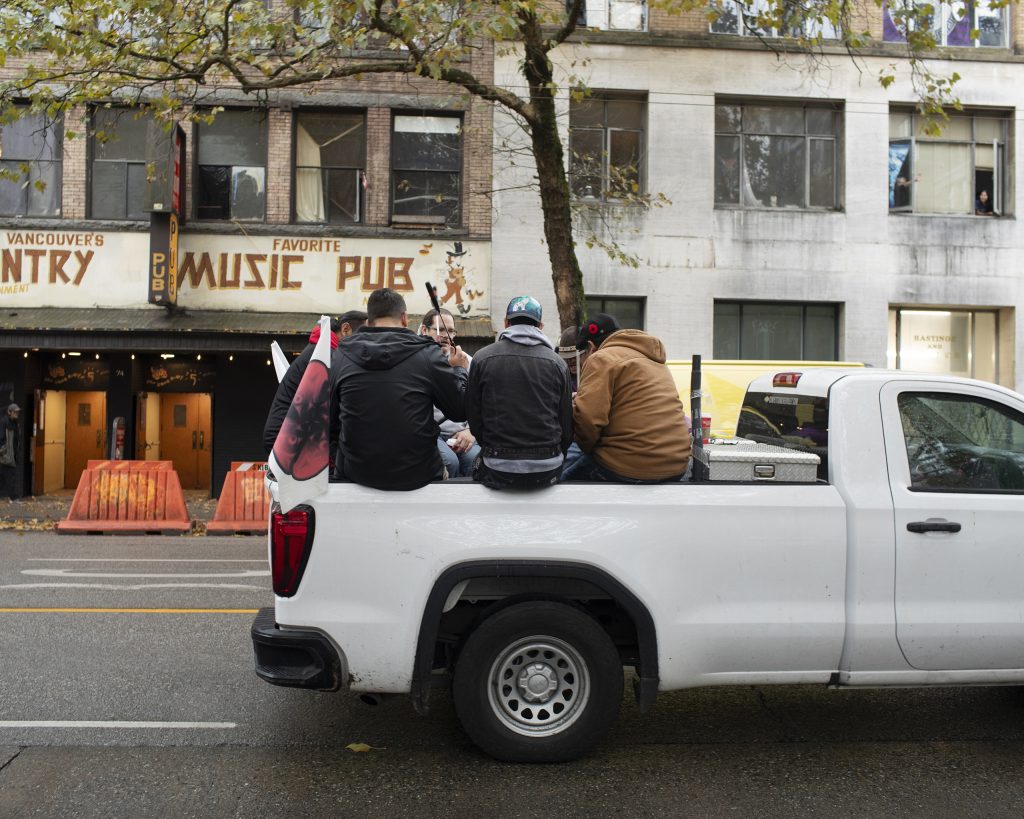
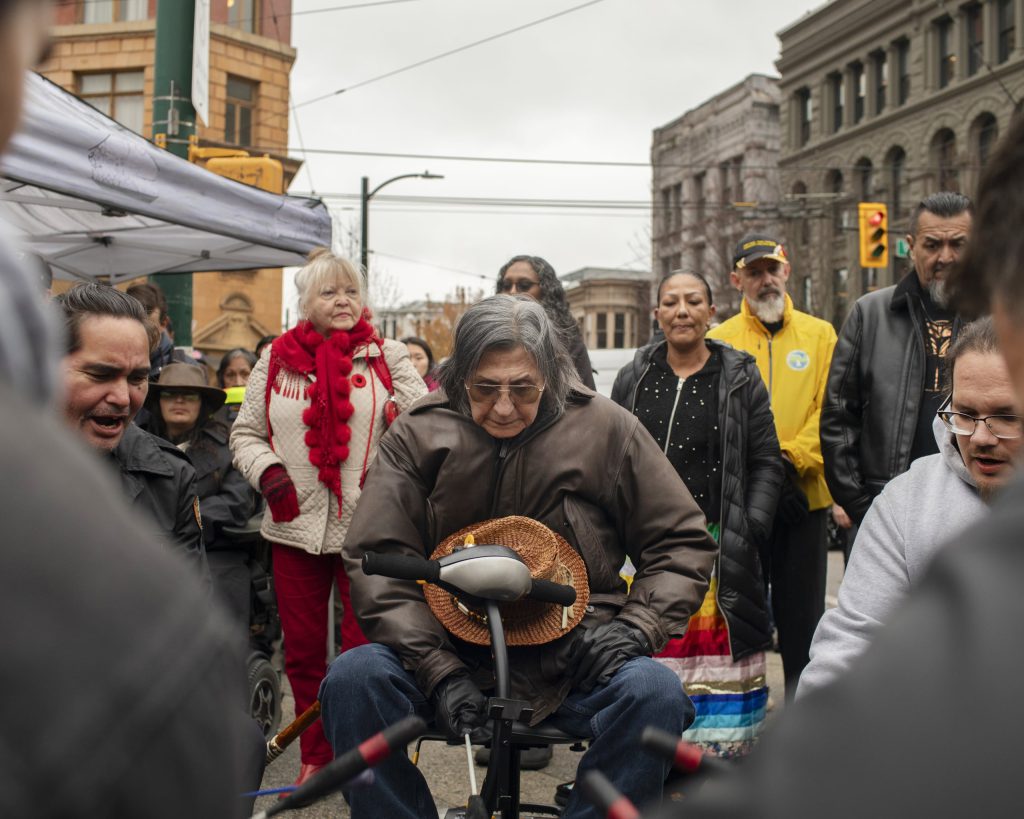
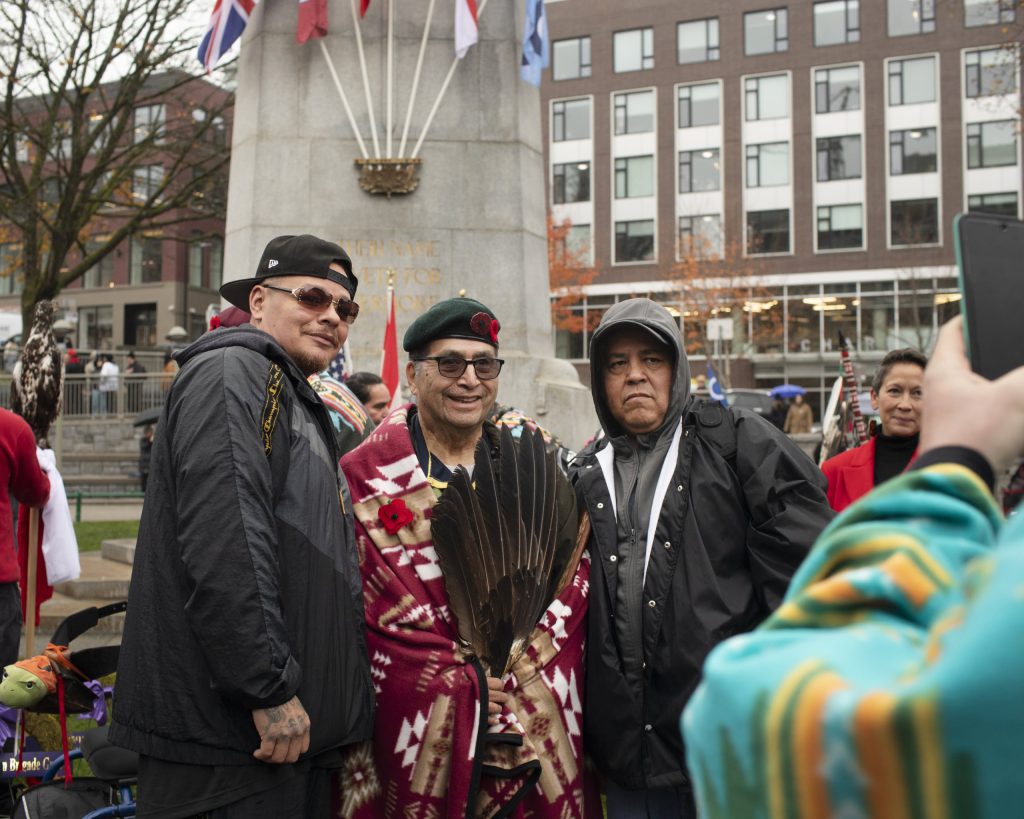
Amid the backdrop of the Downtown Eastside where many veterans have lived, people marched in honour of First Nations, Inuit and Métis veterans through xʷməθkʷəy̓əm, Sḵwx̱wú7mesh and səlilwətaɬ territories on Wednesday.
To the sound of drumming, veterans, community members and other supporters marched together to remember those who served as part of country-wide events for National Indigenous Veterans Day.
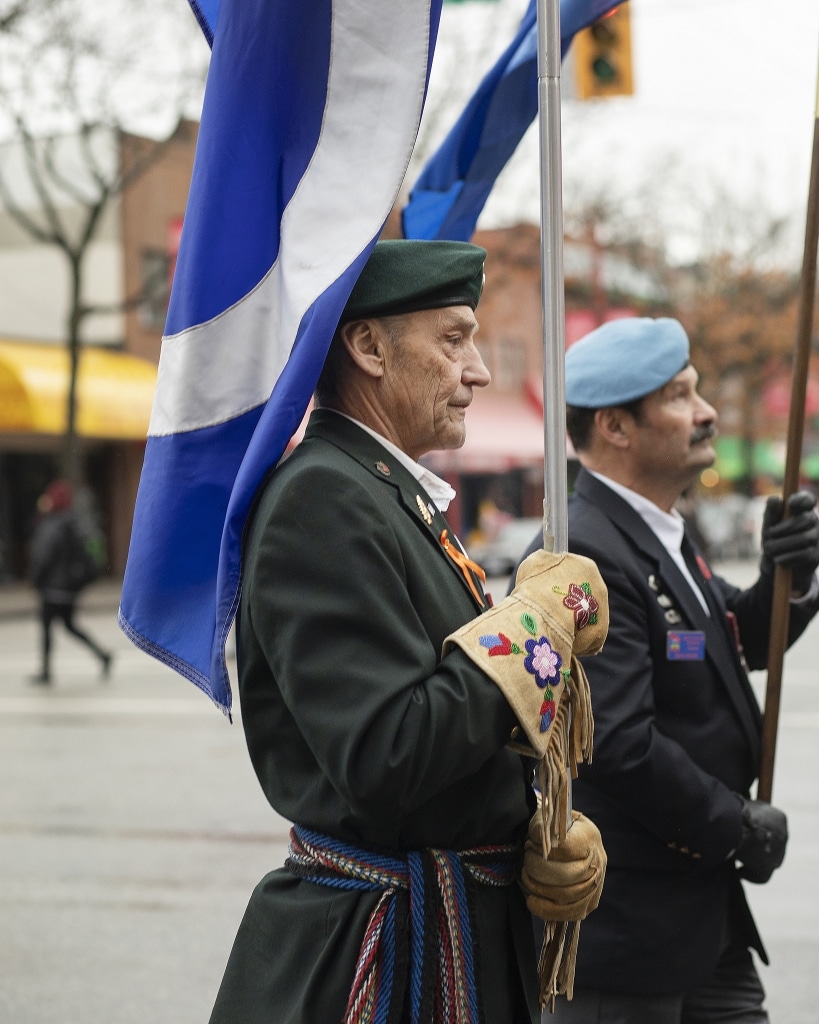
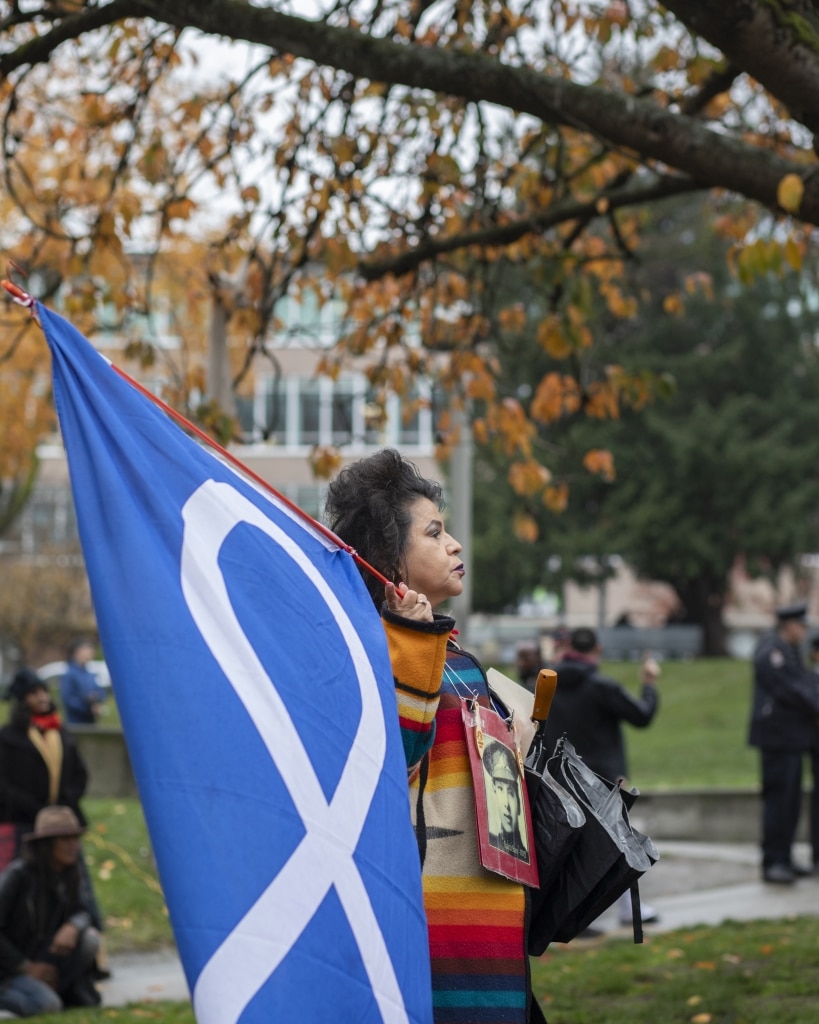
According to the Government of Canada, more than 7,000 Indigenous peoples served in the First and Second World Wars, and several hundred served in the Korean War. The actual number is higher — thousands deployed did not hold government-issued status, and record-keepers did not include Métis people.
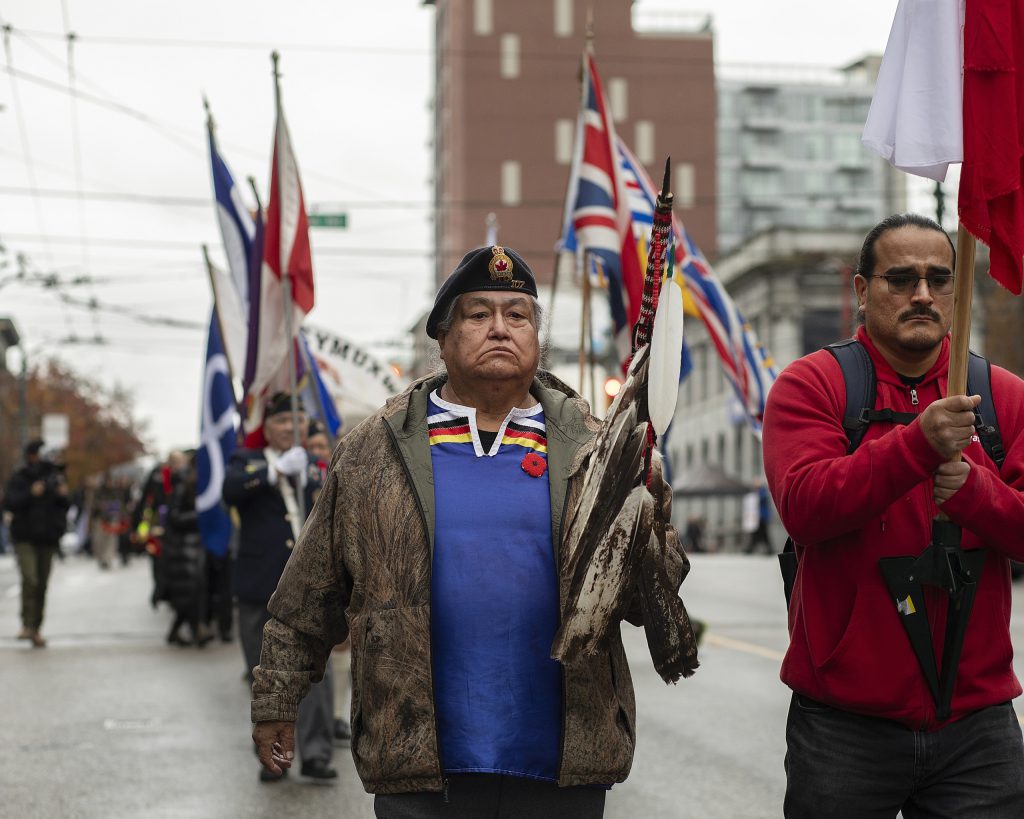
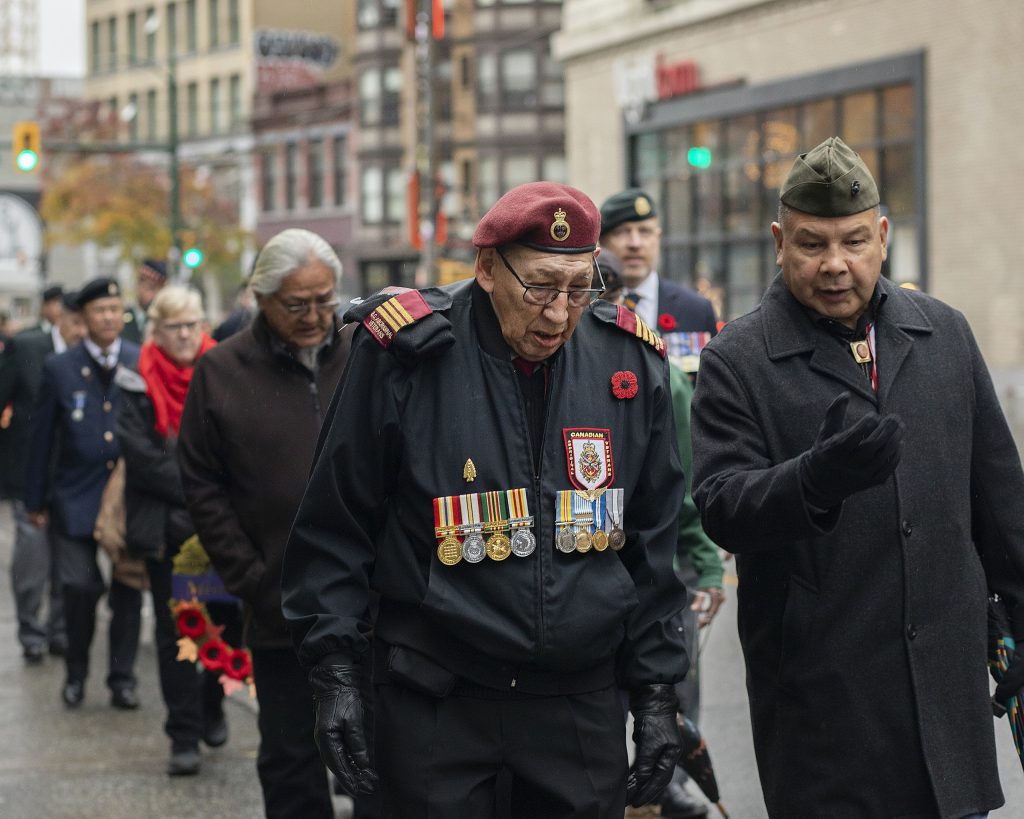
Indigenous peoples brought invaluable skills to the military, including expert marksmanship and their languages, which were used to protect secret messages against interception. Despite their talents, Indigenous service members faced challenges beyond the horrors of combat. Racism, language barriers, and cultural assimilation were par for the course in the “Canadian” military.
When they returned home, Indigenous veterans who were forced to give up their Indian status when joining the military, received none of the benefits afforded to other veterans, such as access to loans or free farmland for resettling. They were denied basic civil rights, and after the First World War, the federal government took between 35,000 and 75,000 hectares of Indigenous lands to give to non-Indigenous veterans.
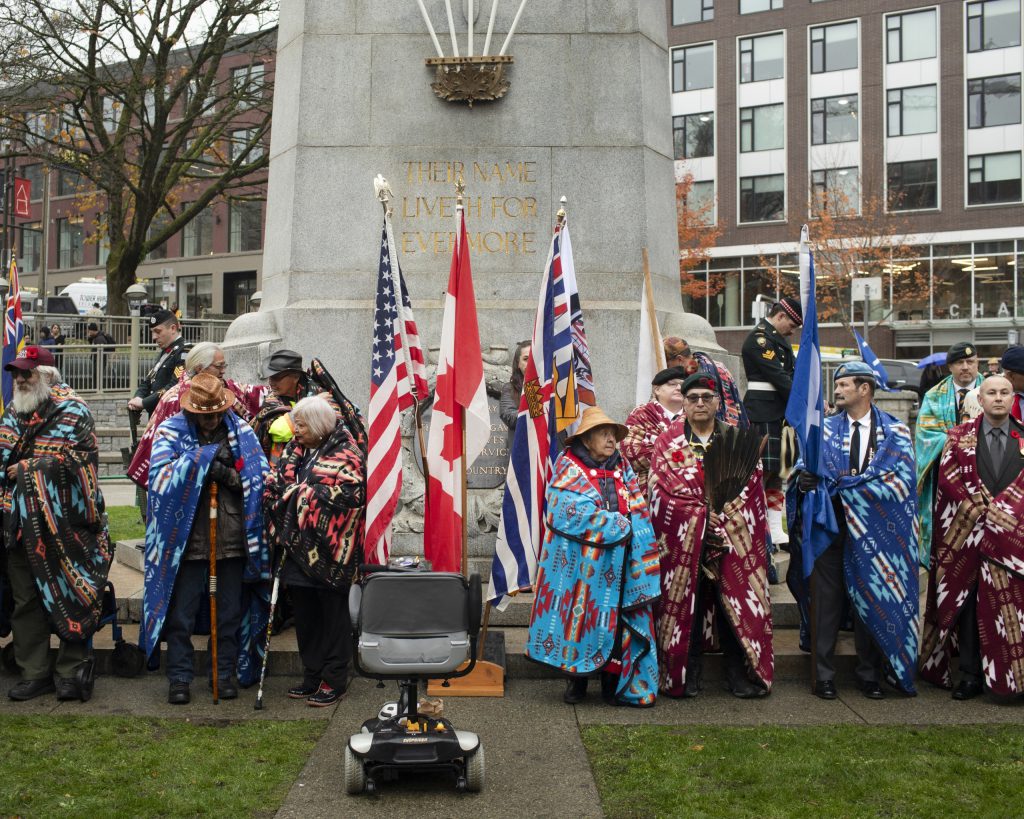
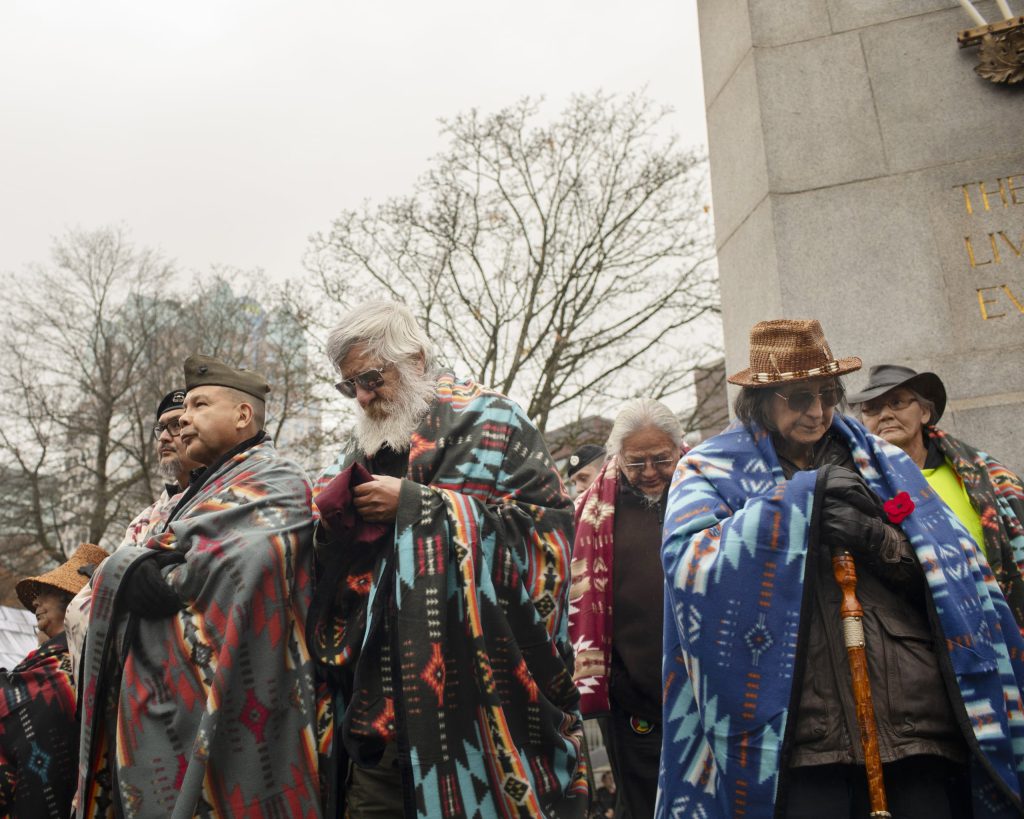
Before 1994, when “Manitoba” first recognized November 8th as Aboriginal Veterans Day, Indigenous veterans weren’t allowed to participate in Remembrance Day ceremonies, or lay wreaths at National War Memorials. Now, the day is marked nationwide each year.
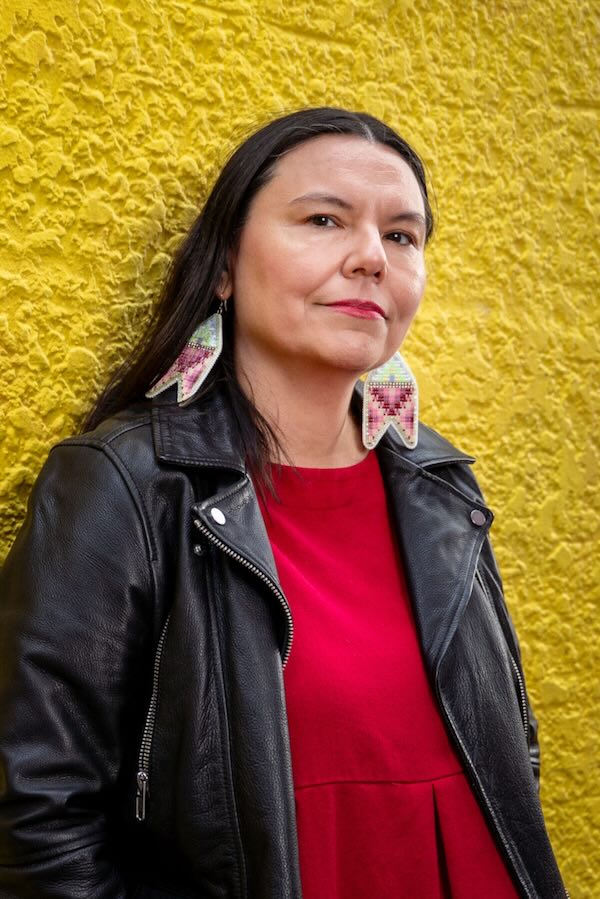
Author
We live in a media ecosystem that thrives on misinformation. Big Tech and AI companies are consuming the work of real human beings and Canadian news has been banned on Facebook and Instagram.
And yet, I have hope for journalism because of the work we’re doing at IndigiNews.
At IndigiNews, we embody tâpwêwin — the Cree value of integrity and responsibility in truth-telling. We are committed to our independent, Indigenous-led newsroom rooted in community, accountability, and relationality. We believe storytelling is a sacred fire that connects our pasts, presents, and futures through the storytellers in our Storytelling Lodge. IndigiNews creates space for Indigenous journalists, storytellers, Knowledge Keepers, and communities to gather, learn, and share stories that matter.
As a registered charity, we are building a fire that allows our work not just to ignite but to thrive. Rather than relying on advertising or corporate acquisition, IndigiNews is sustained by people like you who believe Indigenous stories are important for the future of our communities.
Your support is making a real difference.
Our community of supporters, our Firekeepers, make it possible to grow our newsroom, publish award-winning journalism, train emerging Indigenous journalists through initiatives like the ReFocus Photojournalism Fellowship, and publish trustworthy stories that serve our communities across the country. Every story we publish helps fill in gaps left by mainstream media and ensures Indigenous perspectives are represented with care, accuracy and respect.
But there is still more work to do.
As the media landscape becomes more and more uncertain, community support is as necessary and essential as it’s ever been. Every new Firekeeper helps protect the independence of our newsroom and strengthens journalism that is accountable to our many and varied communities over corporations.
That’s why we’re inviting you to become a Firekeeper.
Firekeepers tend to and protect the sacred fire. Your monthly contributions directly support IndigiNews’s Storytelling Lodge, helps sustain our independent, Indigenous-led newsroom, and ensures future generations of Indigenous storytellers have the resources they need to do the work.
As a registered Canadian charity, all eligible donations receive a charitable tax receipt.
If you believe Indigenous stories matter, if you value independent journalism, and if you want to help build a strong future for Indigenous media, we invite you to join our circle of Firekeepers today.
Together, we can keep the fire burning.
— Eden Fineday, Publisher, IndigiNews
Support us nowLatest Stories
-
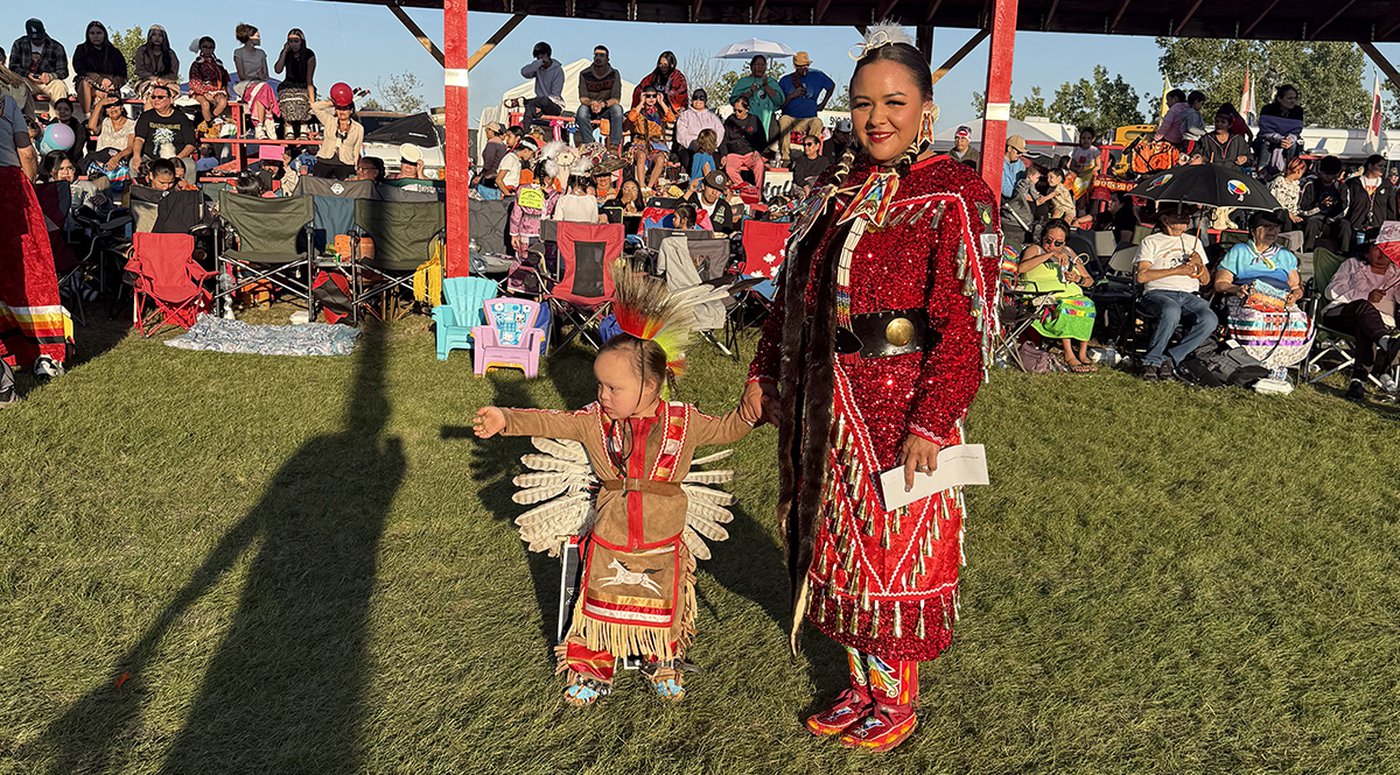
Beloved on the powwow circuit, young boy’s connection to the drum inspires
Now four, Waseskwan Redcrow was dancing ‘before he could even fully walk’ — his family says participating in powwows has brought them joy and belonging
-
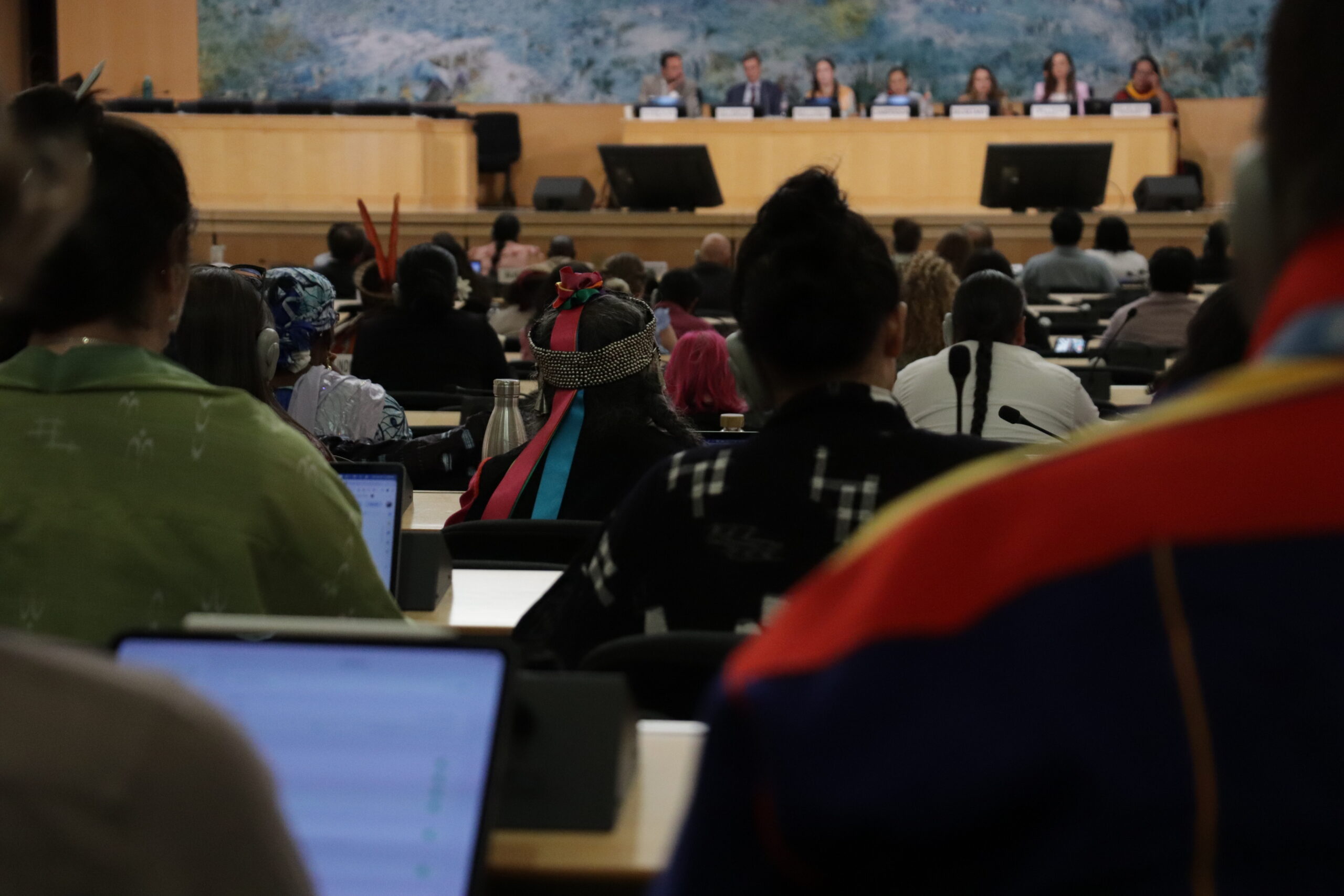
Indigenous leaders give the UN a roadmap for protecting their peoples
Amidst prayers and vows of solidarity, UN Expert Mechanism on the Rights of Indigenous Peoples ends annual meetings with demands for ‘action we’re not seeing globally’