Indigenous nurse and birth worker advocate for more access to traditional birth support.
‘Birth should be sacred,’ Lucy Barney says. ‘But right now it’s medical and we need more traditional midwives.’
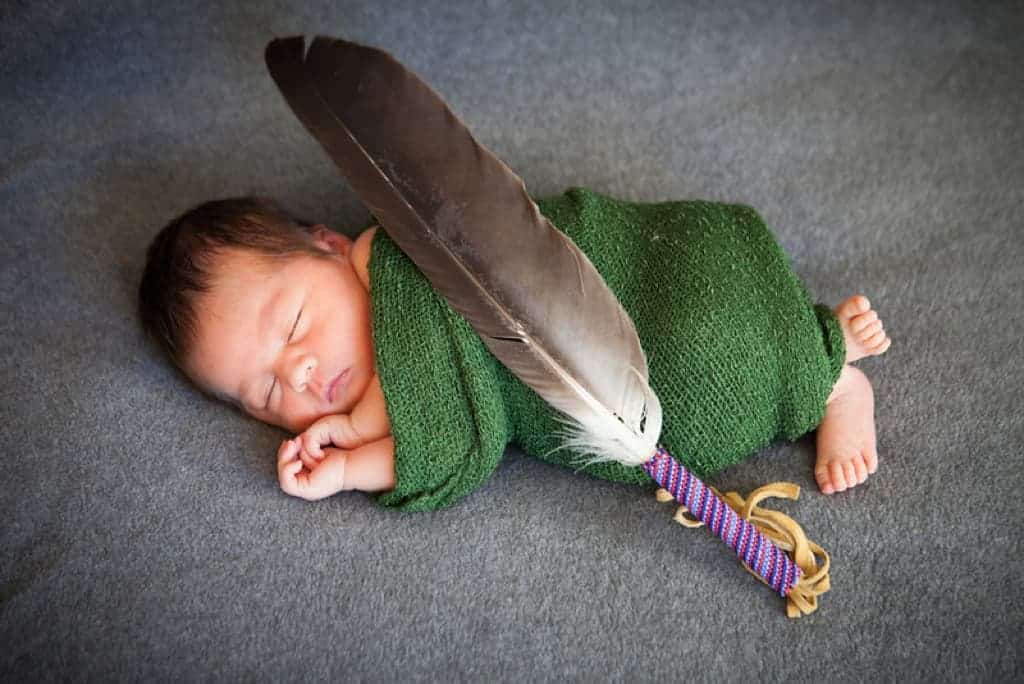
Sage Thomas recalls the first birth she witnessed as a doula in training, using the traditional ways of her people.
“When I walked into the room, they had some juniper burning on the stove and they had the lights low and it was just really quiet and calm,” she says.
This is what birth can look like, Thomas says, when it is supported with culture and traditional knowledge. Thomas speaks of the importance, and necessity of reclaiming Indigenous birth practices.
“I went and stood beside her and put my hand on her shoulder,” Thomas says.
”She just had this look of relief. She just sunk more into the bed. Like, it’s somebody I know, and I trust, that I can relate to.”
Thomas is an Indigenous birth worker. She is a professionally trained doula, which means she provides emotional, physical and informational support during pregnancy, birth, and in postpartum.
In Thomas’ case, she also provides prenatal support which includes pregnancy education and birth planning. She works in her traditional unceded territory of Tk’emlúps te Secwépemc (Kamloops, B.C.). She is also a mother, artist, and student.
Thomas is one of four panelists sharing their experiences about Reclaiming and Revitalizing Traditional Approaches to birthing, in a webinar on Nov. 16.
Lucy Barney is another speaker in the webinar. She is a Statimc nurse, from Tetquet First Nation.
“Because everything is sacred, birth should be sacred,” Barney says. “But right now it’s medical and we need more traditional midwives. They were respected for the ability to bring new life into the world.”
Residential schools removed learning about birth as a natural process, Barney explains. She also speaks of other contributing factors: the 60s Scoop, Indian hospitals, and other systems built to remove people from their Indigenous ways of being.
Birthing has become medicalized
“Now birthing has become medicalized,” says Barney.
“Women in the past were respected as the foundation, the backbone of our community… and were respected as such. Also, they were respected for the ability to bring new life into the world.”
In the healthcare system, medicalized birth means a change from pregnant people being supported at home to hospital births. In a hospital environment there is a reliance on medical supports such as forceps, epidurals, caesarean sections, says Barney.
She has a clear idea of what needs to change.
“Healthcare doesn’t need to be something that you go in… and you’re finished in 10 minutes,” she explains. “It takes time to build a relationship with their client, listen to their story.”
“Take that time to fully understand your client, then make sure they understand what you’re providing them. That’s informed consent. Many of our women have had C-sections not knowing why they had a C-section.”
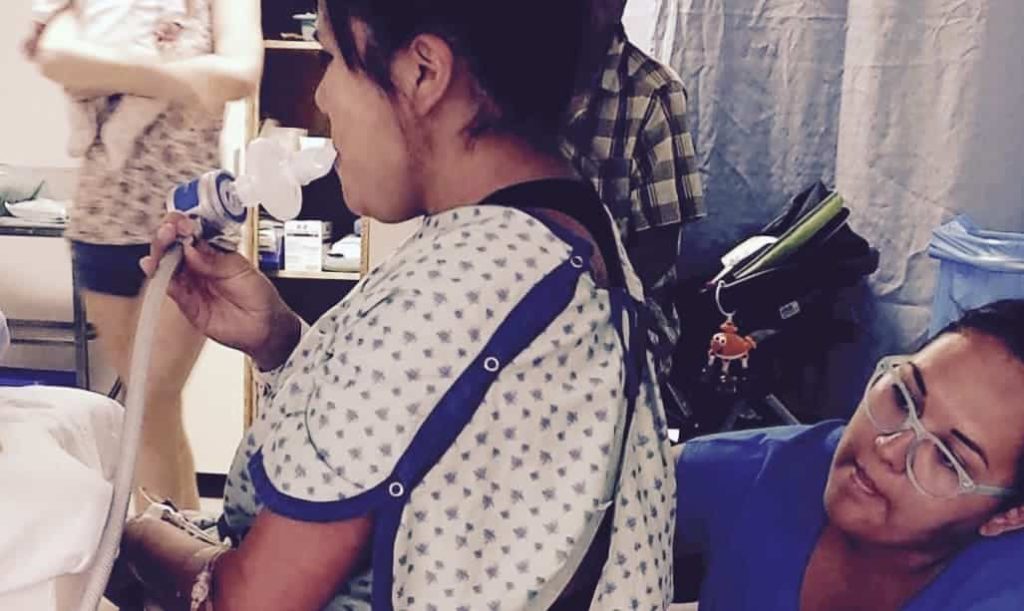
Thomas agrees there is a need for Indigenization of birthing ways.
“[With] an institutionalized birth,” she says, “we’re set by a certain structure, and policy really limits access to support families can receive.”
She gives examples such as smudging in the birthing room, and “having medicines in your birth or possibly having any singing.”
Thomas explains the number of family members in attendance will be different than a traditional birth.
“There’s going to be aunties there and grandmas and cousins and sister, uncles leaving,” she says.
While public health nurses understand the benefits of young women in care having a doula, or an Indigenous advocate with them at the hospital, hurdles exist.
“These organizations that are essentially managing these young people in care, don’t know the benefit of that either,” she says. “Not understanding harm that can be done or the systemic racism that happens in the hospital.”
Thomas says she supports a lot of low-income high-risk young families.
“I’m a visibly young Indigenous woman as a doula. So for me to go in and support these young women,” Thomas says, they can “look at me as their cousin or their sister or their auntie. Not like this random person that works for some organization that doesn’t really care about them.”
It is critical that young Indigenous moms receive all the recommended perinatal care, too, Thomas says. “These are the ones that are at most high risk of apprehension, high risk of infant mortalities.”
Indigenous birth workers are at the forefront in seeing how communities and culture are impacted by the removal, or inclusion of birthing ways.
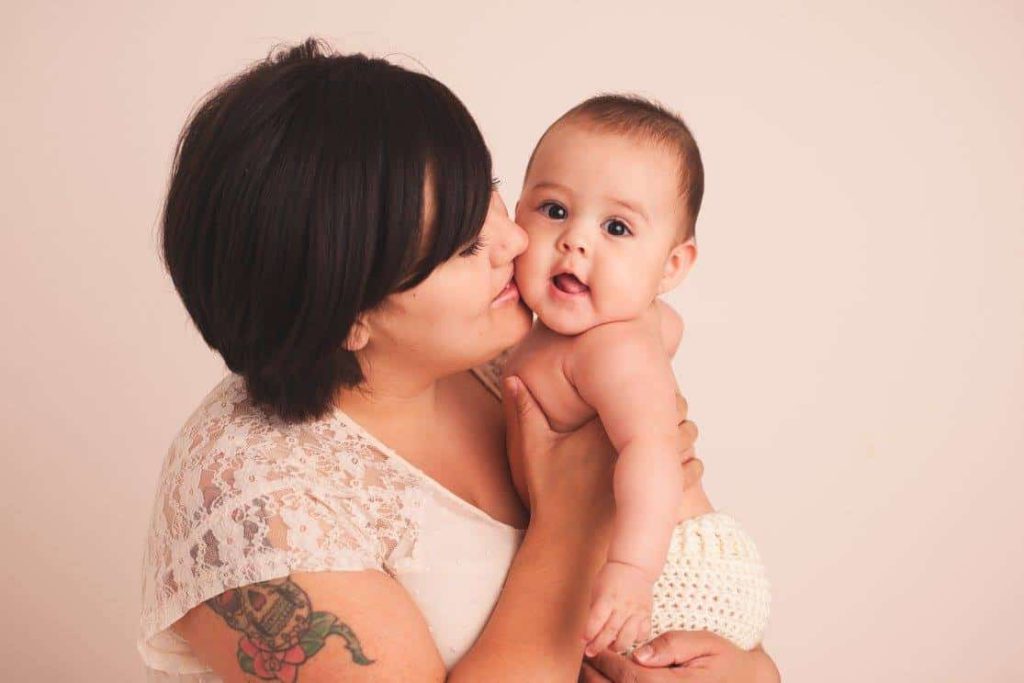
The bridge to reclaiming
Thomas found her place in birth work through her own journey in becoming a mother.
“Once I understood what midwives were… then I realized that it was a part of our everyday society as Indigenous people prior to colonization,” she says.
Thomas describes how one tradition has some hospitals rethinking their policy to accommodate culture.
“One thing that I was taught was not to do a first bath right away, and to incorporate some cedar tea into the baby’s bath.”
Maternity wards do have first baths at hospital as a policy, and Thomas has seen some opening up around the bath.
“Since I’ve been doing this work, certain hospitals I know have changed their policy a few times,” she says. “They wait, or you can even ask not to do that.”
A doula focuses on the needs of the mother, whether that is physical, emotional or mental. Working as a team with medically trained midwives or doctors, they support the mother. During the birth process, midwives focus on delivering a healthy baby.
There are barriers for Indigenous people entering this field, including the financial barriers associated with training, certification, Thomas explains. “And then not everyone has access to be able to travel to training.
“And then you also come with barriers of being able to set up your business and become visible.”
This is before birth workers even begin to outreach Indigenous communities to offer their support services.
Barney emphasizes the need for more Indigenous practitioners in all health care roles.
Indigenous perspectives are important to create inclusion in the healthcare system, she says.
“When we were allowed to practice our culture, our beliefs and values and our practices…that’s what sustained us.”
Revitalizing old ways creates hope
Spontaneous singing has happened at births Thomas has been involved in, and she circles back to the memory of the first birth she attended as doula.
“The dad was singing when the baby was born,” she says. “They only wanted to speak their language to the baby and they ended up having a naming ceremony.”
Doulas rely on creating relationships with the families they support, and this is a key component of real community. When this connection is made using an Indigenous knowledge as a lens, everyone is learning and reconnecting to culture Thomas says.
“I always ask, ‘do you have any plans for the placenta? Is this something you want to take home?’ Some people aren’t aware of this tradition,”
“And so I’m able to give them that teaching… this is what we do in my culture, or this is what we do locally here.”
Thomas invites the people she’s working with to “reach out to some of your elders, and ask what they do with the placenta, because you are able to take it home.”
Saving the umbilical cord and burying the placenta is a tradition that Thomas practices.
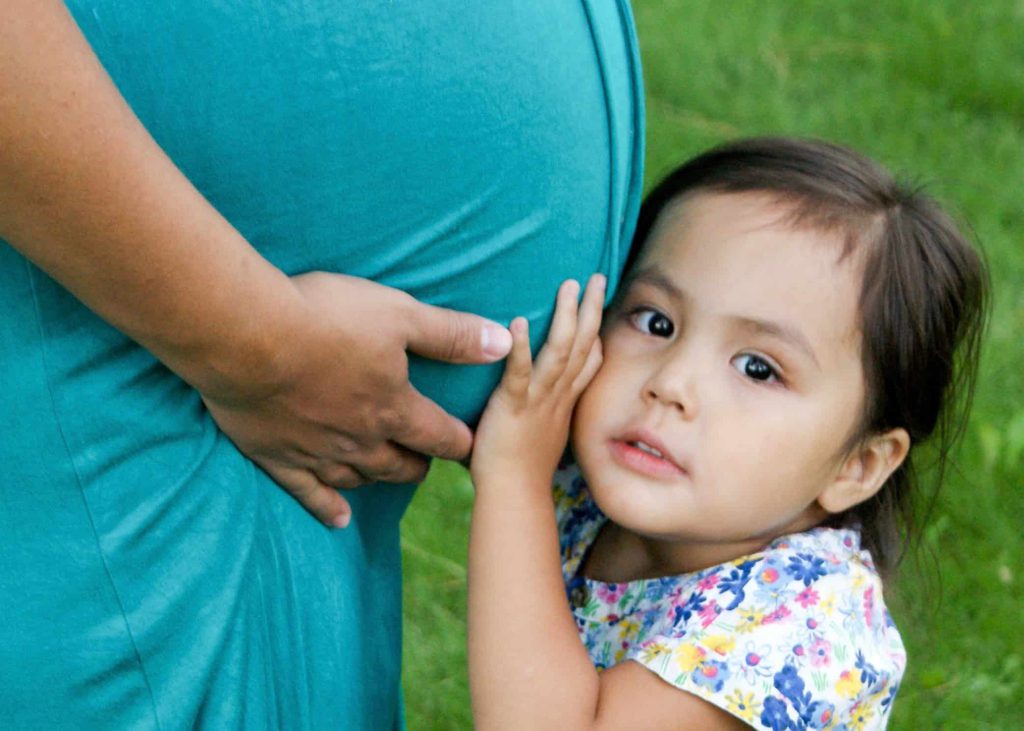
It was important to Thomas for her daughter to see birth as a normal part of their community, with family and friends.
“I wanted her to be there, like as long as she was comfortable being there just cause for me…It doesn’t have to be this big, scary medical thing,” she says.
“I had an Indigenous midwife, Evelyn George, who is also my close friend… so it wasn’t some strange medical person coming into the house, it was ‘Auntie’s here to help mom have the baby’.
Thomas has a hope for families to have culturally safe care.
“My vision is to go into midwifery and then come back to my home community and have a space that is specific to Indigenous families. So that all families that are traveling in can have a space that they can stay and birth, and, and be able to utilize our medicines and our food.”
For Sage Thomas, reclaiming traditional birth ways is a step in sovereignty.
“Indigenous midwifery and birth work is my act of resistance. Is my fight of decolonizing. Is my hope in reclamation.”
Our series on reproductive health access is made possible in part with funding from First Nations Health Authority (FNHA) and Thunderbird Partnership Foundation. Their support does not imply endorsement of or influence over the content produced.
Author
We live in a media ecosystem that thrives on misinformation. Big Tech and AI companies are consuming the work of real human beings and Canadian news has been banned on Facebook and Instagram.
And yet, I have hope for journalism because of the work we’re doing at IndigiNews.
At IndigiNews, we embody tâpwêwin — the Cree value of integrity and responsibility in truth-telling. We are committed to our independent, Indigenous-led newsroom rooted in community, accountability, and relationality. We believe storytelling is a sacred fire that connects our pasts, presents, and futures through the storytellers in our Storytelling Lodge. IndigiNews creates space for Indigenous journalists, storytellers, Knowledge Keepers, and communities to gather, learn, and share stories that matter.
As a registered charity, we are building a fire that allows our work not just to ignite but to thrive. Rather than relying on advertising or corporate acquisition, IndigiNews is sustained by people like you who believe Indigenous stories are important for the future of our communities.
Your support is making a real difference.
Our community of supporters, our Firekeepers, make it possible to grow our newsroom, publish award-winning journalism, train emerging Indigenous journalists through initiatives like the ReFocus Photojournalism Fellowship, and publish trustworthy stories that serve our communities across the country. Every story we publish helps fill in gaps left by mainstream media and ensures Indigenous perspectives are represented with care, accuracy and respect.
But there is still more work to do.
As the media landscape becomes more and more uncertain, community support is as necessary and essential as it’s ever been. Every new Firekeeper helps protect the independence of our newsroom and strengthens journalism that is accountable to our many and varied communities over corporations.
That’s why we’re inviting you to become a Firekeeper.
Firekeepers tend to and protect the sacred fire. Your monthly contributions directly support IndigiNews’s Storytelling Lodge, helps sustain our independent, Indigenous-led newsroom, and ensures future generations of Indigenous storytellers have the resources they need to do the work.
As a registered Canadian charity, all eligible donations receive a charitable tax receipt.
If you believe Indigenous stories matter, if you value independent journalism, and if you want to help build a strong future for Indigenous media, we invite you to join our circle of Firekeepers today.
Together, we can keep the fire burning.
— Eden Fineday, Publisher, IndigiNews
Support us nowLatest Stories
-
Indigenous leaders give the UN a roadmap for protecting their peoples
Amidst prayers and vows of solidarity, UN Expert Mechanism on the Rights of Indigenous Peoples ends annual meetings with demands for ‘action we’re not seeing globally’
-
Indigenous people demand more say at the UN, as new crises hit their homelands
Indigenous nations live ‘on the frontlines’ of climate, conflict and new tech. But their voices remain sidelined in the global halls of power.