Tattoo medicine: Indigenous-owned shop celebrates two years in ‘Victoria’
Mason Larose talks about opening Mahihkan Tattoo and why the experience of getting tattooed is just as important as the end result


In 2021, Mason Larose opened his own tattoo shop in “Victoria B.C.” — taking a risk by starting a new business at a time many others were shutting down because of the COVID-19 pandemic.
Located on unceded lək̓ʷəŋən territories, Larose opened Mahihkan Tattoo, which stands out among other shops in “Victoria” as an Indigenous-owned and operated tattoo studio.
The shop celebrated its two-year anniversary this March — a milestone Larose is proud of after putting so much of himself into the business.
Larose says that opening the shop during the pandemic was a stressful experience, particularly because institutional support was difficult to come by.
“I had to travel back home in a borrowed car during a winter storm just so I could have some stuff to put on the walls, says Larose, a Métis man of néhiyaw descent.
He laughs about it now: “It felt like a weird dream.”
Larose was able to get his shop finished on time thanks to the support of friends who helped with the renovations.

Honouring a name
Nestled behind a small patio on the corner of Quadra Street and North Park, Mahihkan Tattoo is now bustling with clients.
Inside is a calm, clean, and cosy space with plentiful plants and artwork on the walls, the Mahihkan sign proudly displayed on the window. The logo design is a split wolf face that speaks to the duality of Larose’s mixed heritage, something that others of mixed heritage can understand comes with difficulties.
Mahihkan (ᒪᐦᐃᐦᑲᐣ) means wolf in Cree, and has personal significance to Larose, but he wrestled with the name for some time before deciding.
“I just want to honour that side of me that I’ve felt I’ve had to repress most of my life,” he said. “I just want to shout it out loud and not be so quiet about it anymore.”
In the end he says he’s glad that he chose a name and design for the shop that is meaningful to him and provides representation for others.
Tattoo medicine
Mahihkan Tattoo has had a big turnover with people from all over “Canada” coming in to visit the resident artists and rotating guest tattooers.
Larose says that when it comes to tattooing, the energy of getting a tattoo is just as important as the end result. He says the experience of receiving a tattoo is like medicine.
“In my experience, it’s like therapy. That’s why I also believe the experience of the tattoo itself is almost as important as the work you’re getting,” he said.
“The environment you’re getting it in, that’s all going to be stuck to that memory that you’re trying to make.”

Larose, who is also involved in local activism, has gifted several tattoos to folks involved in land defence projects around “British Columbia.” Mahihkan Tattoo also supports land defenders by raising money through Raven Trust, a legal defence fund for Indigenous peoples in “Canada”.
Looking to the future, Larose would love to expand Mahihkan and help foster a space for more Indigenous and other underrepresented artists to learn and grow as creatives in their own right.
“This is something that I’ve wanted to do for a really long time, but life just always happened,” he said. “I just kind of needed a push.”

Author
We live in a media ecosystem that thrives on misinformation. Big Tech and AI companies are consuming the work of real human beings and Canadian news has been banned on Facebook and Instagram.
And yet, I have hope for journalism because of the work we’re doing at IndigiNews.
At IndigiNews, we embody tâpwêwin — the Cree value of integrity and responsibility in truth-telling. We are committed to our independent, Indigenous-led newsroom rooted in community, accountability, and relationality. We believe storytelling is a sacred fire that connects our pasts, presents, and futures through the storytellers in our Storytelling Lodge. IndigiNews creates space for Indigenous journalists, storytellers, Knowledge Keepers, and communities to gather, learn, and share stories that matter.
As a registered charity, we are building a fire that allows our work not just to ignite but to thrive. Rather than relying on advertising or corporate acquisition, IndigiNews is sustained by people like you who believe Indigenous stories are important for the future of our communities.
Your support is making a real difference.
Our community of supporters, our Firekeepers, make it possible to grow our newsroom, publish award-winning journalism, train emerging Indigenous journalists through initiatives like the ReFocus Photojournalism Fellowship, and publish trustworthy stories that serve our communities across the country. Every story we publish helps fill in gaps left by mainstream media and ensures Indigenous perspectives are represented with care, accuracy and respect.
But there is still more work to do.
As the media landscape becomes more and more uncertain, community support is as necessary and essential as it’s ever been. Every new Firekeeper helps protect the independence of our newsroom and strengthens journalism that is accountable to our many and varied communities over corporations.
That’s why we’re inviting you to become a Firekeeper.
Firekeepers tend to and protect the sacred fire. Your monthly contributions directly support IndigiNews’s Storytelling Lodge, helps sustain our independent, Indigenous-led newsroom, and ensures future generations of Indigenous storytellers have the resources they need to do the work.
As a registered Canadian charity, all eligible donations receive a charitable tax receipt.
If you believe Indigenous stories matter, if you value independent journalism, and if you want to help build a strong future for Indigenous media, we invite you to join our circle of Firekeepers today.
Together, we can keep the fire burning.
— Eden Fineday, Publisher, IndigiNews
Support us nowLatest Stories
-
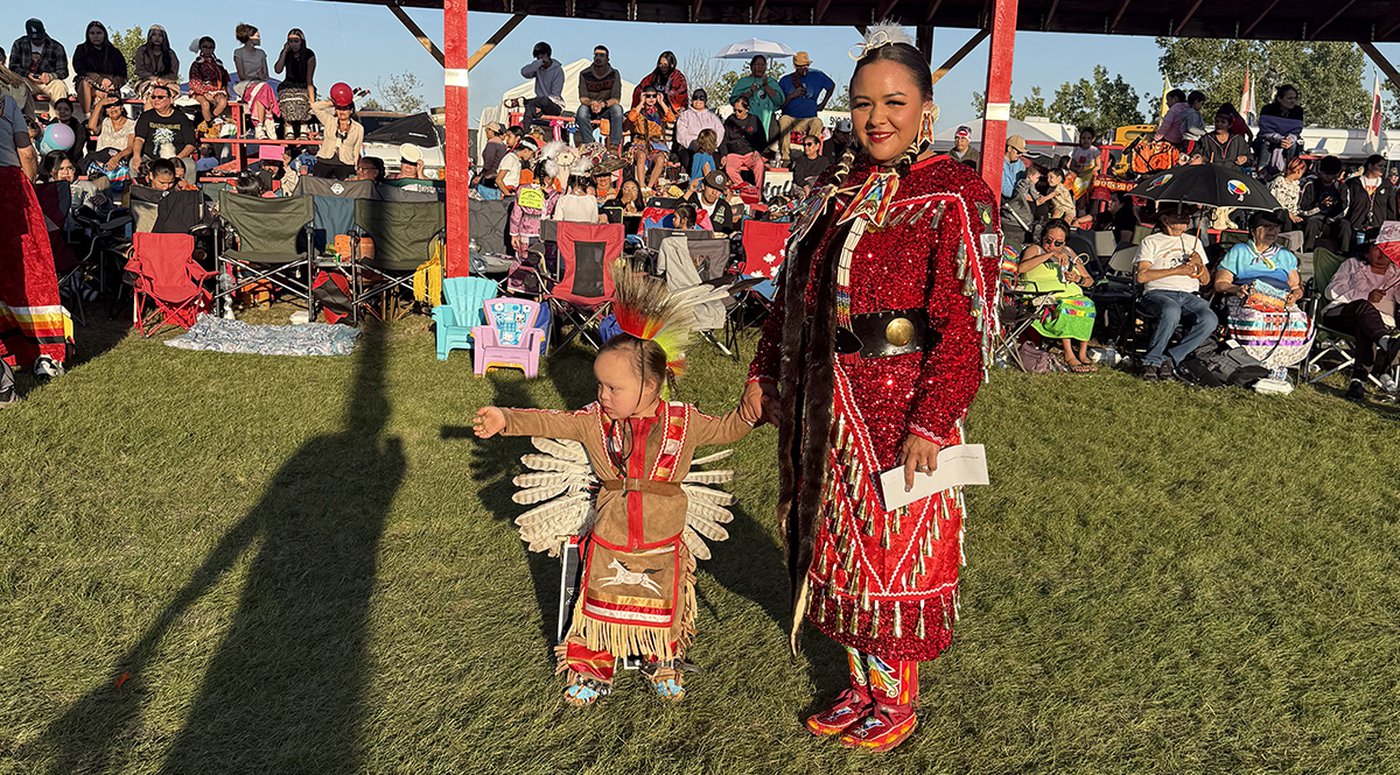
Beloved on the powwow circuit, young boy’s connection to the drum inspires
Now four, Waseskwan Redcrow was dancing ‘before he could even fully walk’ — his family says participating in powwows has brought them joy and belonging
-
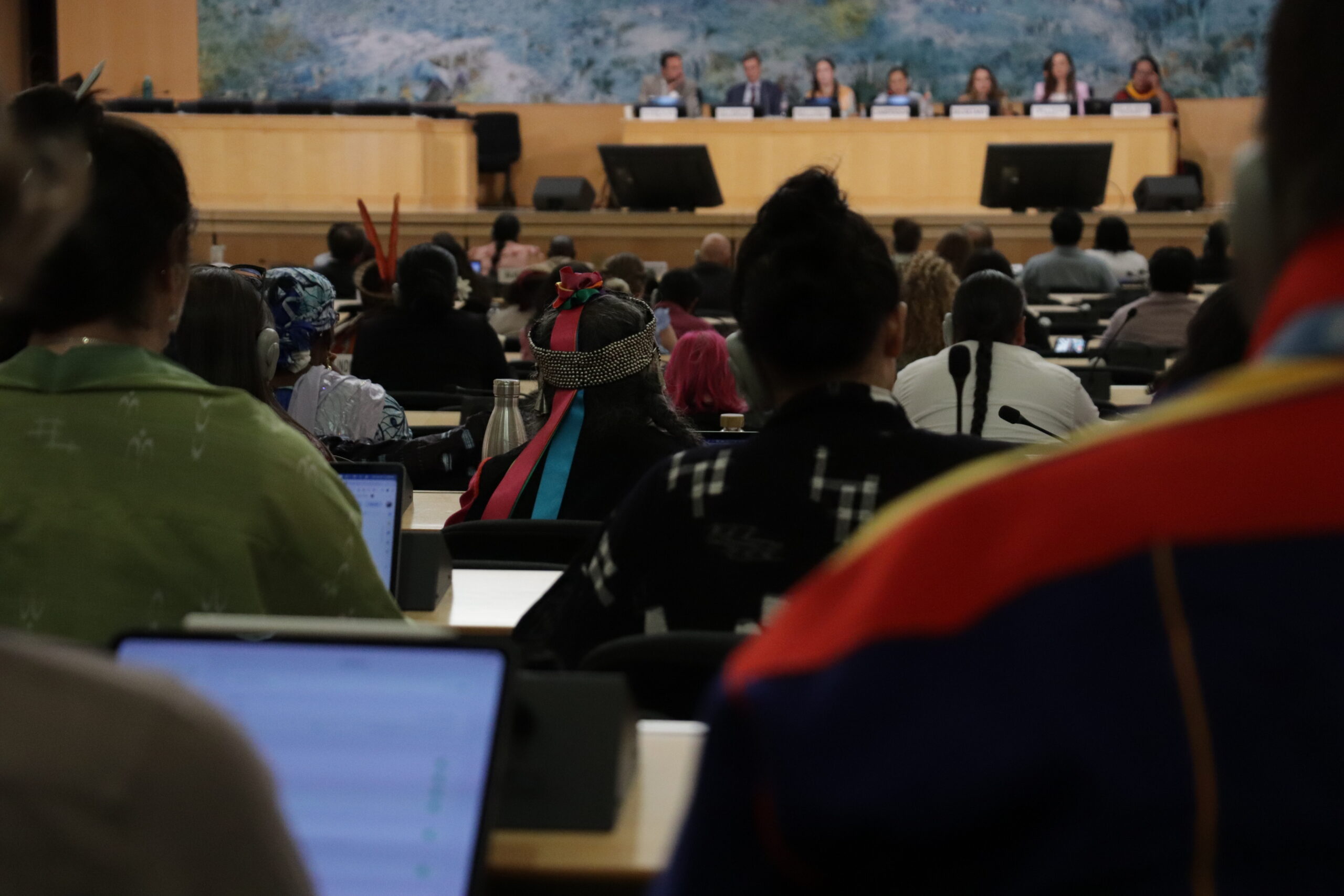
Indigenous leaders give the UN a roadmap for protecting their peoples
Amidst prayers and vows of solidarity, UN Expert Mechanism on the Rights of Indigenous Peoples ends annual meetings with demands for ‘action we’re not seeing globally’