Meet our first operations manager, Thi Dao
A Q&A about relationship-building, navigating growth, and the importance of curiosity
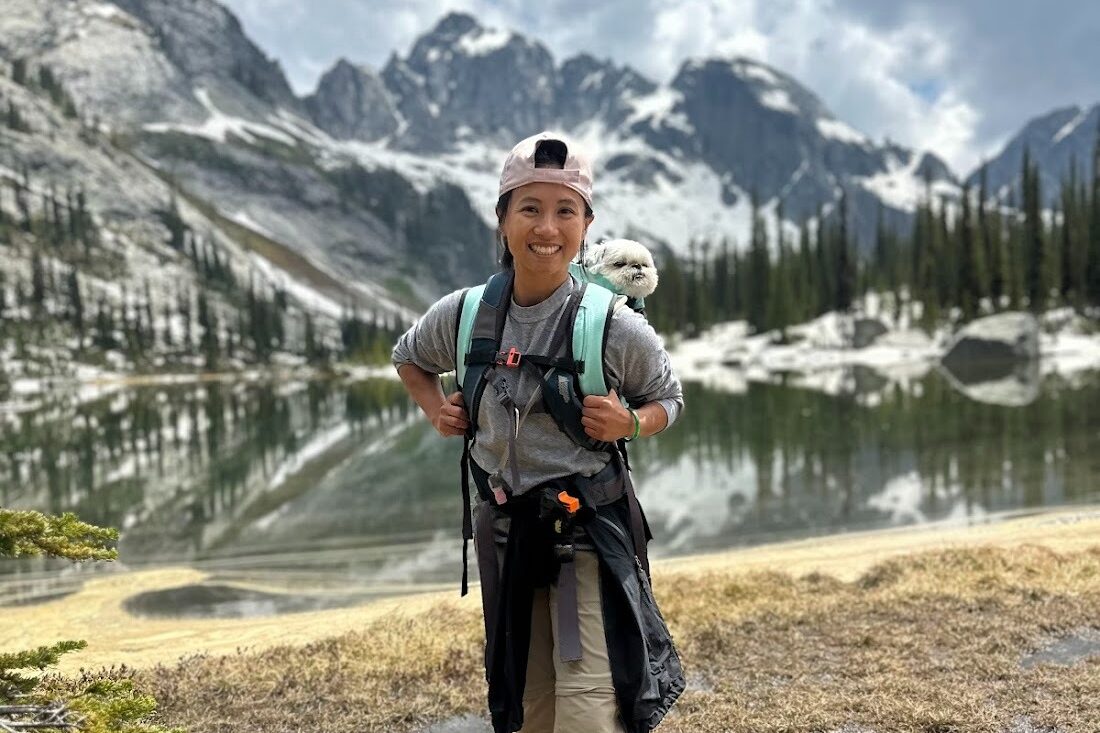
IndigiNews is thrilled to introduce our new — and very first — operations manager, Thi Dao!
Thi is based on syilx Okanagan homelands, and brings a wealth of experience from the social impact sector. In this new role, she will be helping IndigiNews structure our financial and organizational processes as our reach grows — a crucial position for our expanding newsroom.
Read on to hear more about what drew Thi to the journalism world, as well as her philosophy for working at an Indigenous organization as a “Canadian” of Vietnamese heritage.
And — learn about her love of the perfect cup of coffee and hiking “the hidden kind [of trails] where you don’t quite know what’s around the next corner.”
IndigiNews: Welcome to the team, Thi! Introductions can feel intimidating but I truly believe they’re necessary for working in a good and relational way. How would you like to introduce yourself?
Thi: Hi everyone! I’m Thi — and I’ll be honest, I always feel a little flutter of vulnerability when I’m asked to introduce myself, so I appreciate that this space was created with kindness in mind. It speaks to the kind of team this is, and I’m already grateful for it.
I’m an impact leader currently based on the unceded territory of the syilx Okanagan Nation. I care deeply about relationships — the trust-based, show-up-for-each-other kind. No transaction, no motive. The ones led with heart and empathy.
I come to this work with a background in storytelling, partnerships, strategy, and stakeholder engagement — mostly within small, social impact organizations navigating exciting stages of growth — and a genuine belief that small wins spark big change.
I’m so honoured to be stepping into this role alongside such dedicated truth-tellers.

What are some projects you’re hoping to achieve as our first operations manager? What are you excited about?
Being IndigiNews’s first Operations Manager is something I hold with a lot of intention.
At the centre of this role is my partnership with Eden Fineday, our publisher and CEO. The way I think about it: Eden is out in the world — visioning, leading, lighting the way.
My job is to be the tether to meet her there. We balance each other in the most natural way, and I think that’s rare and it’s why I’m excited.
I’m also excited to help create people-systems from the ground up. I want to manage financial processes that create real stability and become the bones of IndigiNews. Financial processes are there to protect the heart of our work rather than a burden to it.
I want the truth-tellers at IndigiNews to know that the behind-the-scenes operations are working for them so they can focus on the stories that need to be told.
I also can’t wait to bring us together in person. We’re planning a team retreat in the fall where we’ll have the space and time to have intentional and purposeful conversations. That kind of connection can only happen face-to-face and it’s important.
Tell me a little about the journey you took to get to where you are in your professional career today? How did those experiences influence your ethos on storytelling?
I think I took the long way around — and I think that’s exactly what shaped me.
I worked in the private and public sectors for a stretch and felt like a square peg. There was no relevance, no spark in my work.
The turning point came in my mid-twenties when I quit my job to volunteer with a humanitarian organization in Vietnam. Since then I knew that whatever I did next had to have purpose woven into it.

My education and early years in the tech sector gave me a strong business foundation, but my heart kept pulling me elsewhere. I found my way to Future of Good, another social-impact journalism organization, in its early days and spent over five years growing alongside an incredible team.
I facilitated more than 100 partnerships with organizations across Canada, moderated conversations on everything from Authentic Leadership as a BIPOC woman to impact investing and financing trends.
I think that’s probably where I learned firsthand that storytelling isn’t separate from strategy — it is the strategy.
What those years taught me is that the most powerful stories centre people, not programs. Real impact begins when we listen before we speak.
I approach everything, I mean everything, with curiosity and a stance of non-judgement. It’s an ethos that lives in everything I do now — including how I think about operations.
Systems should tell a story too, and that story should be one that centres dignity and care.
What are some of your hobbies and interests outside of work?
I love this question, because I think my answer will make people wonder if I’m a committed outdoor enthusiast or a dedicated homebody. Truly, I’m both, and I refuse to choose.
If I’m not at my desk, there’s a good chance I’m on a mountain somewhere.
Snowboarding is my happy place, partly because learning to ski and snowboard with my parents are some of my earliest memories. My parents were completely fascinated by the snow when they first came to Canada as refugees from Vietnam as teenagers in 1975.
I love exploring trails, the hidden kind where you don’t quite know what’s around the next corner. I also love camping when I’m feeling spontaneous on the weekend.
Coffee is another serious pursuit and probably my love language. Finding a perfect cup in a new city is one of my favourite things, but so is extracting the perfect pull at home in my sweatpants first thing in the morning.
My current favourite is a V60 pour-over of Diego Bermudez’s Buttercream, a thermal-shock processed Castillo from Colombia.
Lately I’ve also been very into paint-by-number sets while listening to podcasts, getting lost in fiction books mostly borrowed from the local library, learning new songs on the piano (Coldplay’s “Fix You” is currently on the bench), and taking acro-yoga lessons.
So yes — both the outdoors and the couch. Happily.
Is there anything else you’d like to share?
I’m a BIPOC woman, a daughter of Vietnamese refugees, and someone who has spent her career trying to understand what it means to show up with integrity in work that isn’t always about her community, but is always for communities who have been pushed to the margins.
I don’t take lightly what IndigiNews represents. This is Indigenous-led journalism built on truth and trust, and I understand that showing up well here means more than doing a job — it means being a decent human, a careful listener, and a consistent presence.
I’m here to support this team and this mission, take health very seriously, and take showing up seriously.
All in all — I’m so glad to be here. Let’s do good work together. 🌿
Author
We live in a media ecosystem that thrives on misinformation. Big Tech and AI companies are consuming the work of real human beings and Canadian news has been banned on Facebook and Instagram.
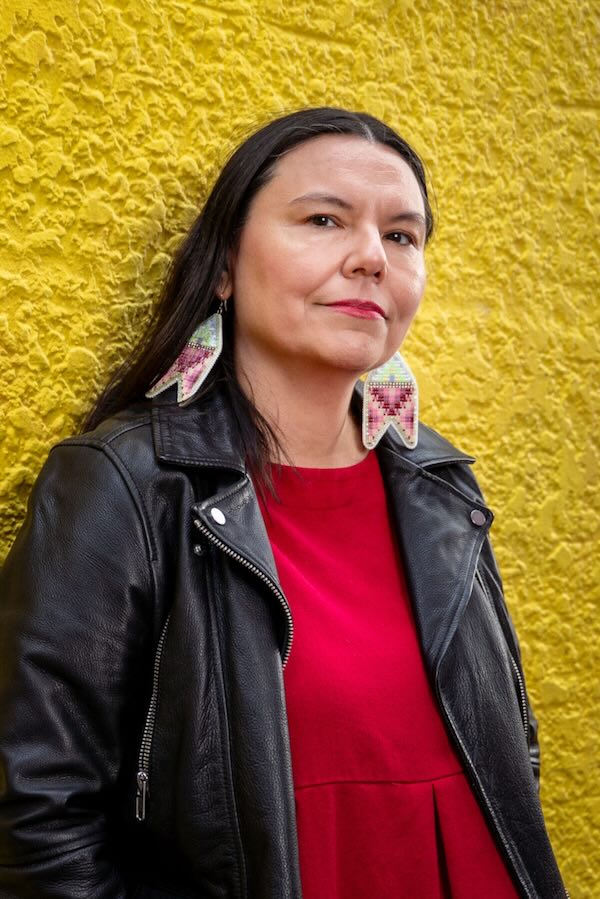
And yet, I have hope for journalism because of the work we’re doing at IndigiNews.
At IndigiNews, we embody tâpwêwin — the Cree value of integrity and responsibility in truth-telling. We are committed to our independent, Indigenous-led newsroom rooted in community, accountability, and relationality. We believe storytelling is a sacred fire that connects our pasts, presents, and futures through the storytellers in our Storytelling Lodge. IndigiNews creates space for Indigenous journalists, storytellers, Knowledge Keepers, and communities to gather, learn, and share stories that matter.
As a registered charity, we are building a fire that allows our work not just to ignite but to thrive. Rather than relying on advertising or corporate acquisition, IndigiNews is sustained by people like you who believe Indigenous stories are important for the future of our communities.
Your support is making a real difference.
Our community of supporters, our Firekeepers, make it possible to grow our newsroom, publish award-winning journalism, train emerging Indigenous journalists through initiatives like the ReFocus Photojournalism Fellowship, and publish trustworthy stories that serve our communities across the country. Every story we publish helps fill in gaps left by mainstream media and ensures Indigenous perspectives are represented with care, accuracy and respect.
But there is still more work to do.
As the media landscape becomes more and more uncertain, community support is as necessary and essential as it’s ever been. Every new Firekeeper helps protect the independence of our newsroom and strengthens journalism that is accountable to our many and varied communities over corporations.
That’s why we’re inviting you to become a Firekeeper.
Firekeepers tend to and protect the sacred fire. Your monthly contributions directly support IndigiNews’s Storytelling Lodge, helps sustain our independent, Indigenous-led newsroom, and ensures future generations of Indigenous storytellers have the resources they need to do the work.
As a registered Canadian charity, all eligible donations receive a charitable tax receipt.
If you believe Indigenous stories matter, if you value independent journalism, and if you want to help build a strong future for Indigenous media, we invite you to join our circle of Firekeepers today.
Together, we can keep the fire burning.
— Eden Fineday, Publisher, IndigiNews
Support us nowLatest Stories
-
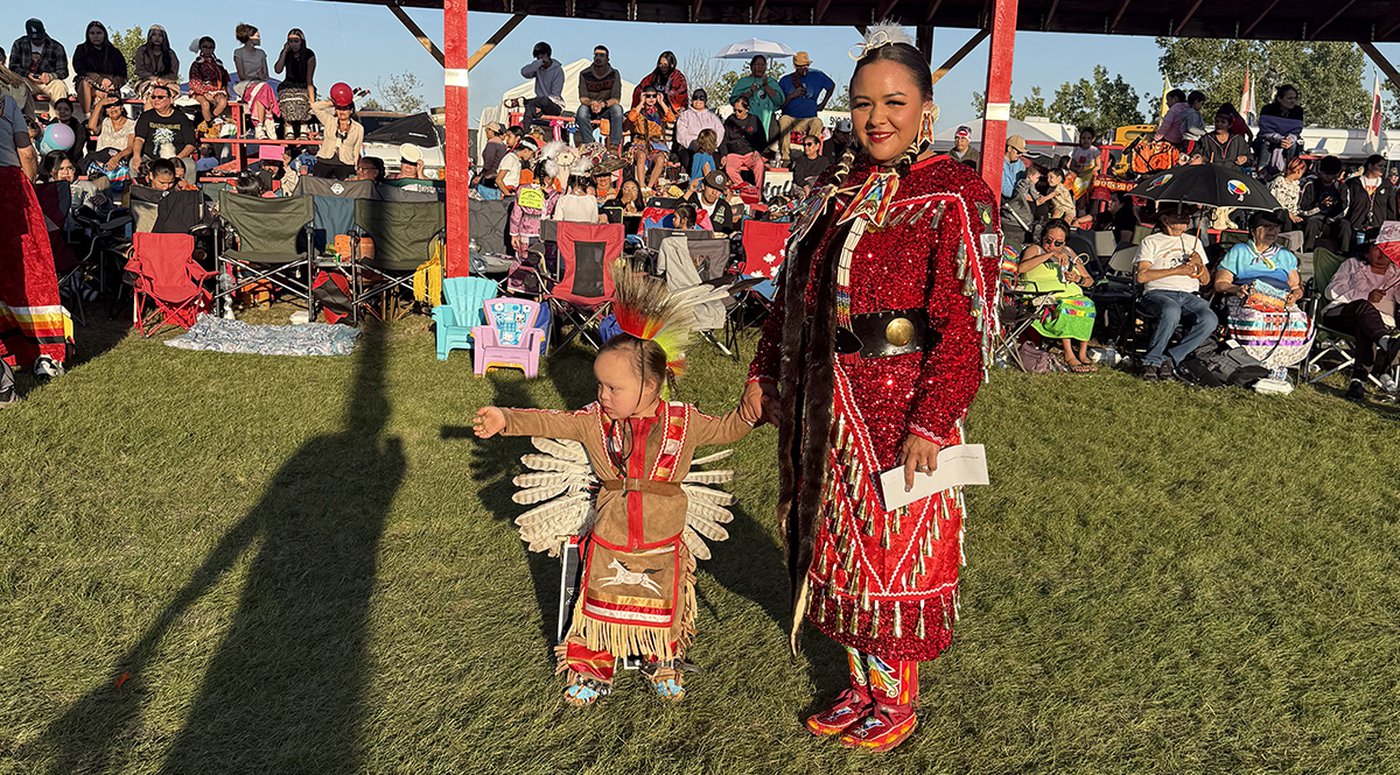
Beloved on the powwow circuit, young boy’s connection to the drum inspires
Now four, Waseskwan Redcrow was dancing ‘before he could even fully walk’ — his family says participating in powwows has brought them joy and belonging
-
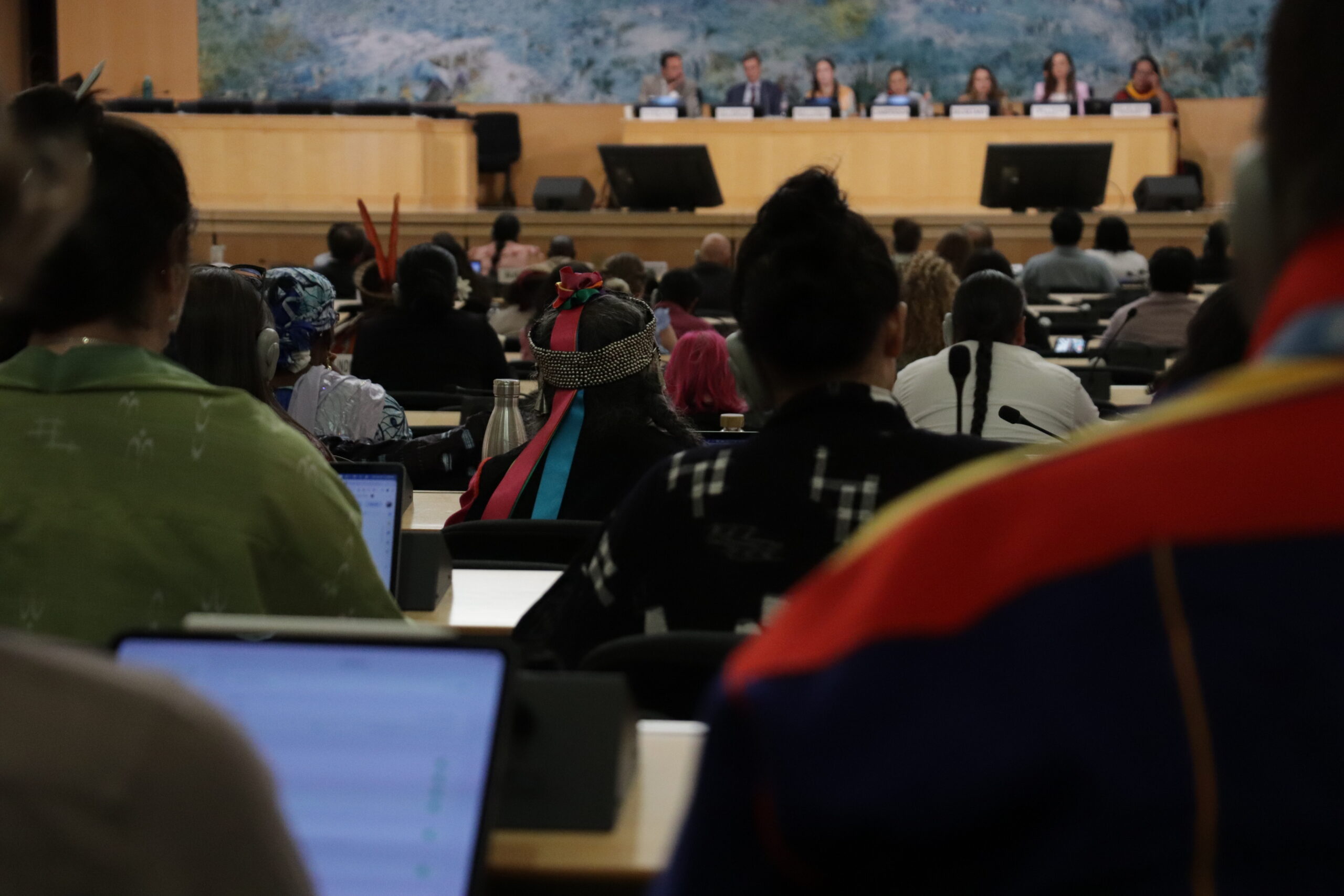
Indigenous leaders give the UN a roadmap for protecting their peoples
Amidst prayers and vows of solidarity, UN Expert Mechanism on the Rights of Indigenous Peoples ends annual meetings with demands for ‘action we’re not seeing globally’