How her name came to be: A Syilx naming ceremony
Sarah Alexis and Brian Muselle on why they chose to follow traditional practices in their journey of becoming parents

As soon as Sara Alexis and Brian Muselle found out they were expecting they “both cried for a few days,” says Alexis.
“We had wanted to expand our family beyond us and our dog for so long.”
Alexis, Syilx and Carrier, and Muselle, a non-Indigenous man, live in Alexis’ home community on the Okanagan Indian Band.
After finding out the news, the couple jumped into preparing for the new arrival. Right away, Muselle, a beginner speaker, enrolled in further Nsyilxcn, Syilx language, classes.
“I wanted to be as respectful as possible, and I wanted to make sure that our little one grew up with her culture as much as possible and provide that opportunity,” says Muselle. Alexis is an intermediate Nsyilxcen speaker.
A big part of any parents’ journey is choosing a name for their child, but in Syilx culture, this process is especially important. According to Syilx C’aptikwl (oral stories), names carry purpose and responsibility, they outline one’s life work through the name given by Kwulencuten (Creator).
“There’s a deep spiritual connection too, our names tie us to the physical landscape or timxw (life force),” Alexis adds.
How Her Name Came to Be

As an overcast sky shines dim into the living room bay window of their new home, Alexis speaks about how their daughter’s names came to be.
“I don’t think we picked her name,” she says. When Alexis was six months pregnant, their newborn presented her name to them for the first time in a dream, she says.
“I had this very vivid dream about being in labour and it was very similar to what labour felt like,” she explains. “It had to do with a spider talking to me, I remember it so vividly whispering. I remember in my dream I was trying to listen but I didn’t know how.”
She remembers finding spiders throughout her pregnancy, multiple times a day, so she told her husband “‘I think it has something to do with her name,’” she says.
“Her name was really there the whole time and we had to uncover what it was.”
The name that revealed itself to them was Stemaliaica, which translates to ‘Daddy Long Leg Blanket.’
Alexis believes that the spider “has to do with the tiny Timxw [life force]. It has to do with the ones that people don’t generally think about, or don’t generally care about, or are freaked out about. I think that’s just one angle of it” she explains.
While spiders have special significance for Alexis, she says it’s the responsibility of each person to find their purpose of coming into the world with the name they brought.
Naming ceremony
Once Alexis and Muselle knew their daughter’s name, they presented it to their family through a naming ceremony in the Kekuli, an underground pit house used often as a winter dwelling.
“It’s the first time where everyone else will know her name and get to greet her by that name,” explains Alexis.

Having a traditional naming ceremony was important to her, Muselle, and her family because “we all see the value in the name for the newborns,” she says.
Alexis and Muselle want their daughter to “grow up in the language,”
“To grow up with her parents and grandparents, in the community, to be involved in and around the good work that happens,” Alexis says.
Our series on reproductive health access is made possible in part with funding from First Nations Health Authority (FNHA) and Thunderbird Partnership Foundation. Their support does not imply endorsement of or influence over the content produced.
Author
We live in a media ecosystem that thrives on misinformation. Big Tech and AI companies are consuming the work of real human beings and Canadian news has been banned on Facebook and Instagram.
And yet, I have hope for journalism because of the work we’re doing at IndigiNews.
At IndigiNews, we embody tâpwêwin — the Cree value of integrity and responsibility in truth-telling. We are committed to our independent, Indigenous-led newsroom rooted in community, accountability, and relationality. We believe storytelling is a sacred fire that connects our pasts, presents, and futures through the storytellers in our Storytelling Lodge. IndigiNews creates space for Indigenous journalists, storytellers, Knowledge Keepers, and communities to gather, learn, and share stories that matter.
As a registered charity, we are building a fire that allows our work not just to ignite but to thrive. Rather than relying on advertising or corporate acquisition, IndigiNews is sustained by people like you who believe Indigenous stories are important for the future of our communities.
Your support is making a real difference.
Our community of supporters, our Firekeepers, make it possible to grow our newsroom, publish award-winning journalism, train emerging Indigenous journalists through initiatives like the ReFocus Photojournalism Fellowship, and publish trustworthy stories that serve our communities across the country. Every story we publish helps fill in gaps left by mainstream media and ensures Indigenous perspectives are represented with care, accuracy and respect.
But there is still more work to do.
As the media landscape becomes more and more uncertain, community support is as necessary and essential as it’s ever been. Every new Firekeeper helps protect the independence of our newsroom and strengthens journalism that is accountable to our many and varied communities over corporations.
That’s why we’re inviting you to become a Firekeeper.
Firekeepers tend to and protect the sacred fire. Your monthly contributions directly support IndigiNews’s Storytelling Lodge, helps sustain our independent, Indigenous-led newsroom, and ensures future generations of Indigenous storytellers have the resources they need to do the work.
As a registered Canadian charity, all eligible donations receive a charitable tax receipt.
If you believe Indigenous stories matter, if you value independent journalism, and if you want to help build a strong future for Indigenous media, we invite you to join our circle of Firekeepers today.
Together, we can keep the fire burning.
— Eden Fineday, Publisher, IndigiNews
Support us nowLatest Stories
-
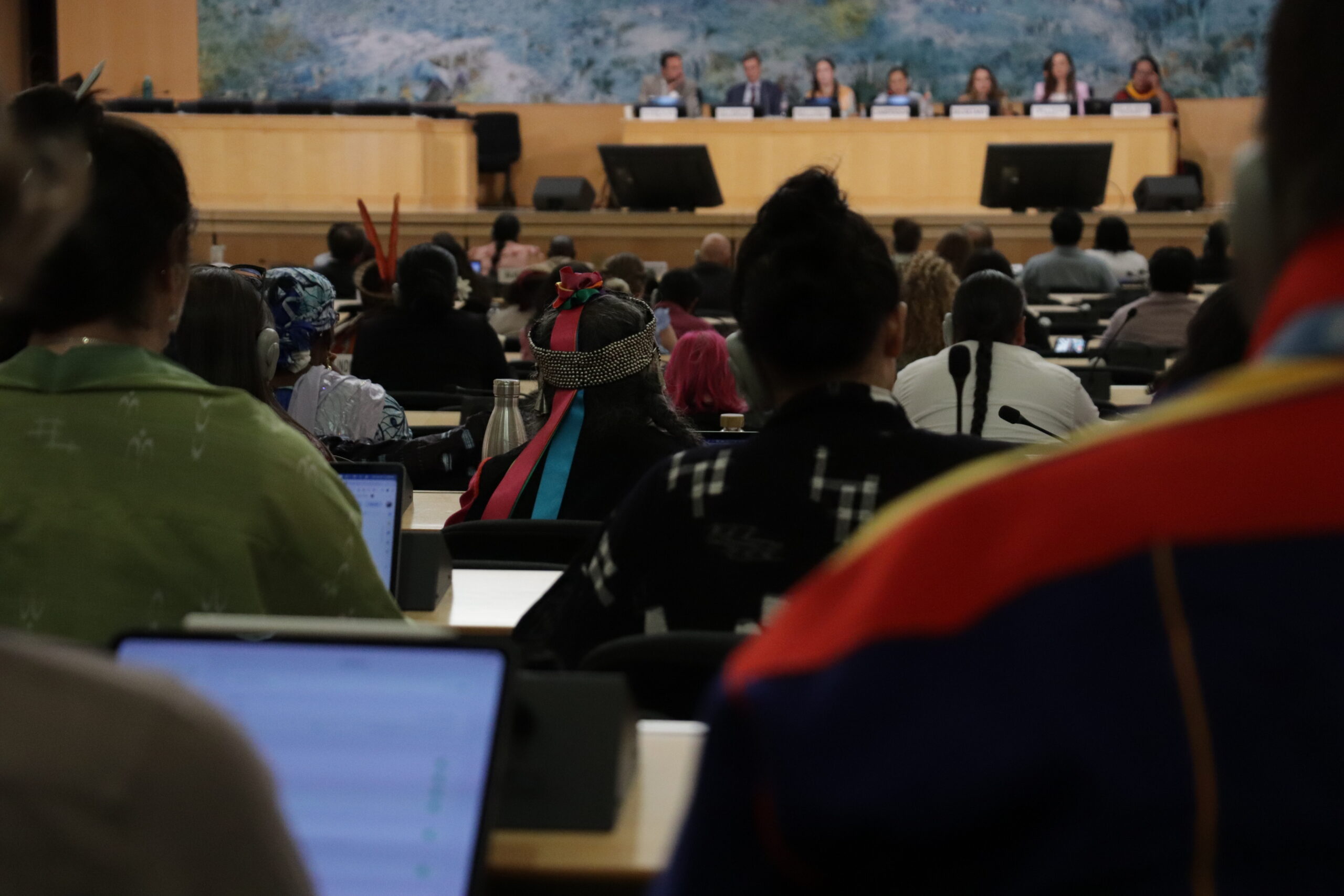
Indigenous leaders give the UN a roadmap for protecting their peoples
Amidst prayers and vows of solidarity, UN Expert Mechanism on the Rights of Indigenous Peoples ends annual meetings with demands for ‘action we’re not seeing globally’
-
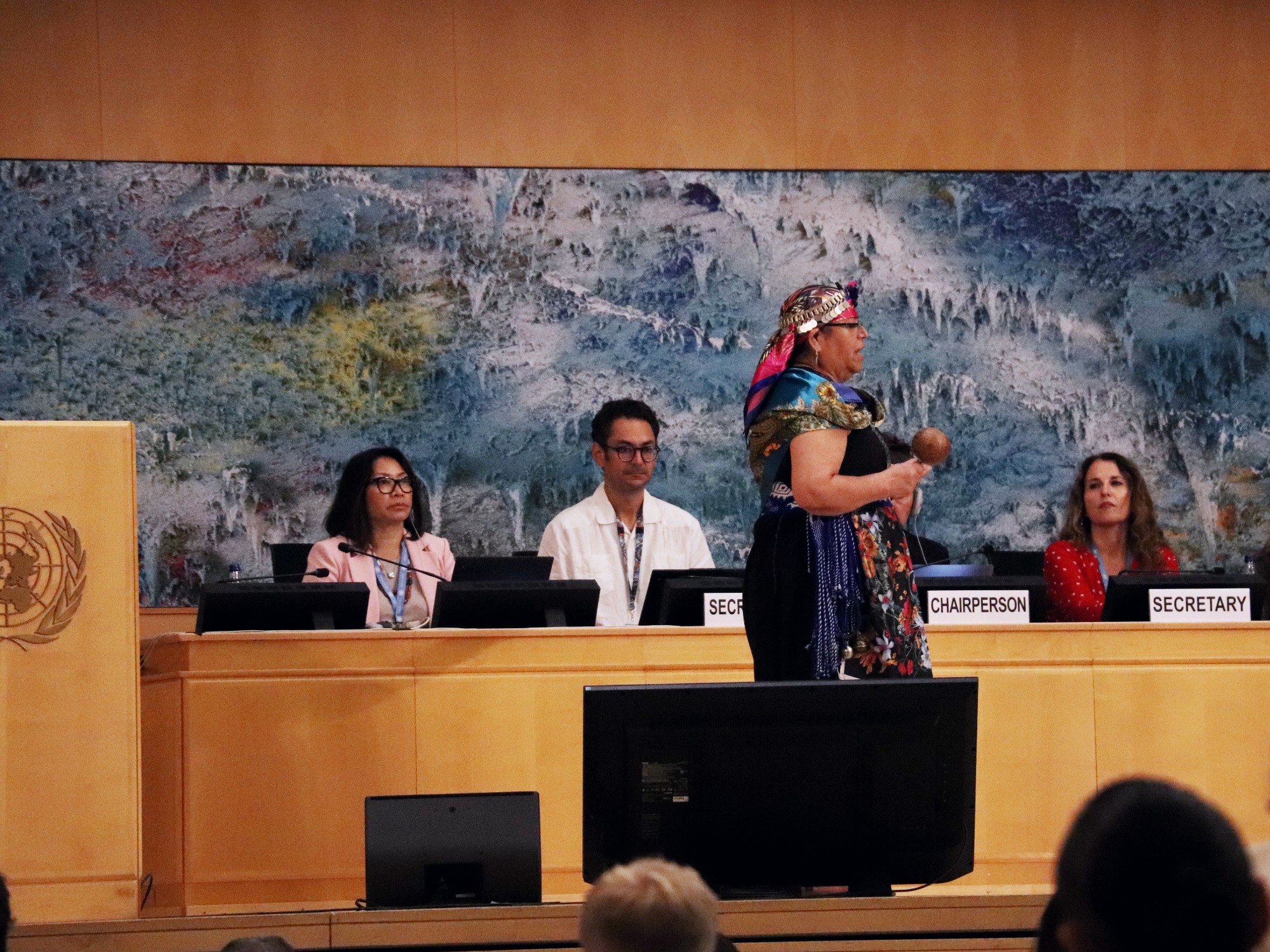
Indigenous people demand more say at the UN, as new crises hit their homelands
Indigenous nations live ‘on the frontlines’ of climate, conflict and new tech. But their voices remain sidelined in the global halls of power.