Across a colonial border, First Nations share salmon eggs to bypass dams
This year marks a decade of the partnership between the Confederated Tribes of the Colville Reservation, in ‘Washington,’ and a syilx hatchery upriver

First Nations fish hatcheries on both sides of the “Canada-U.S.” border are celebrating 10 years of a collaboration to help salmon blocked from migrating by dams and other threats.
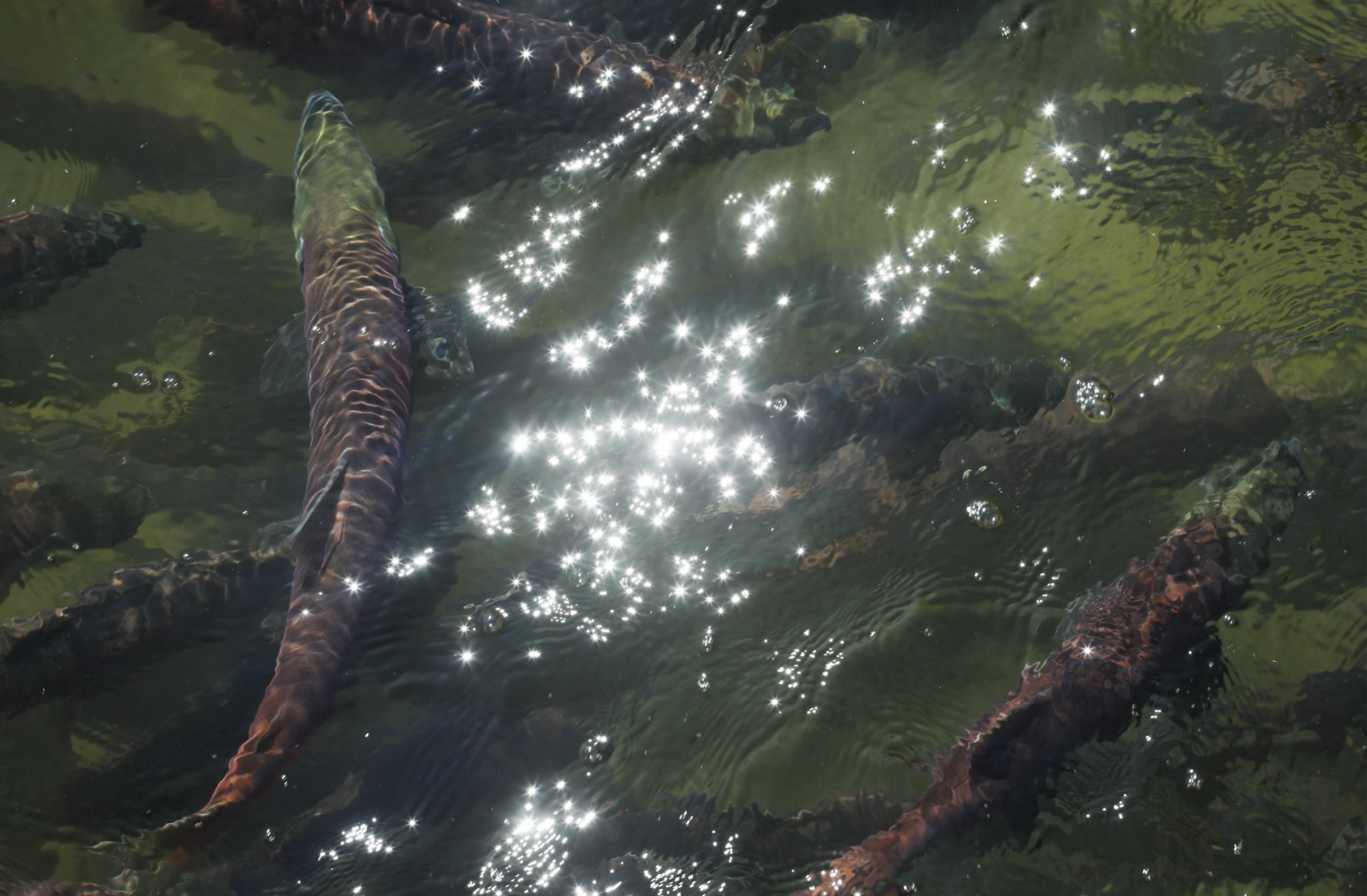
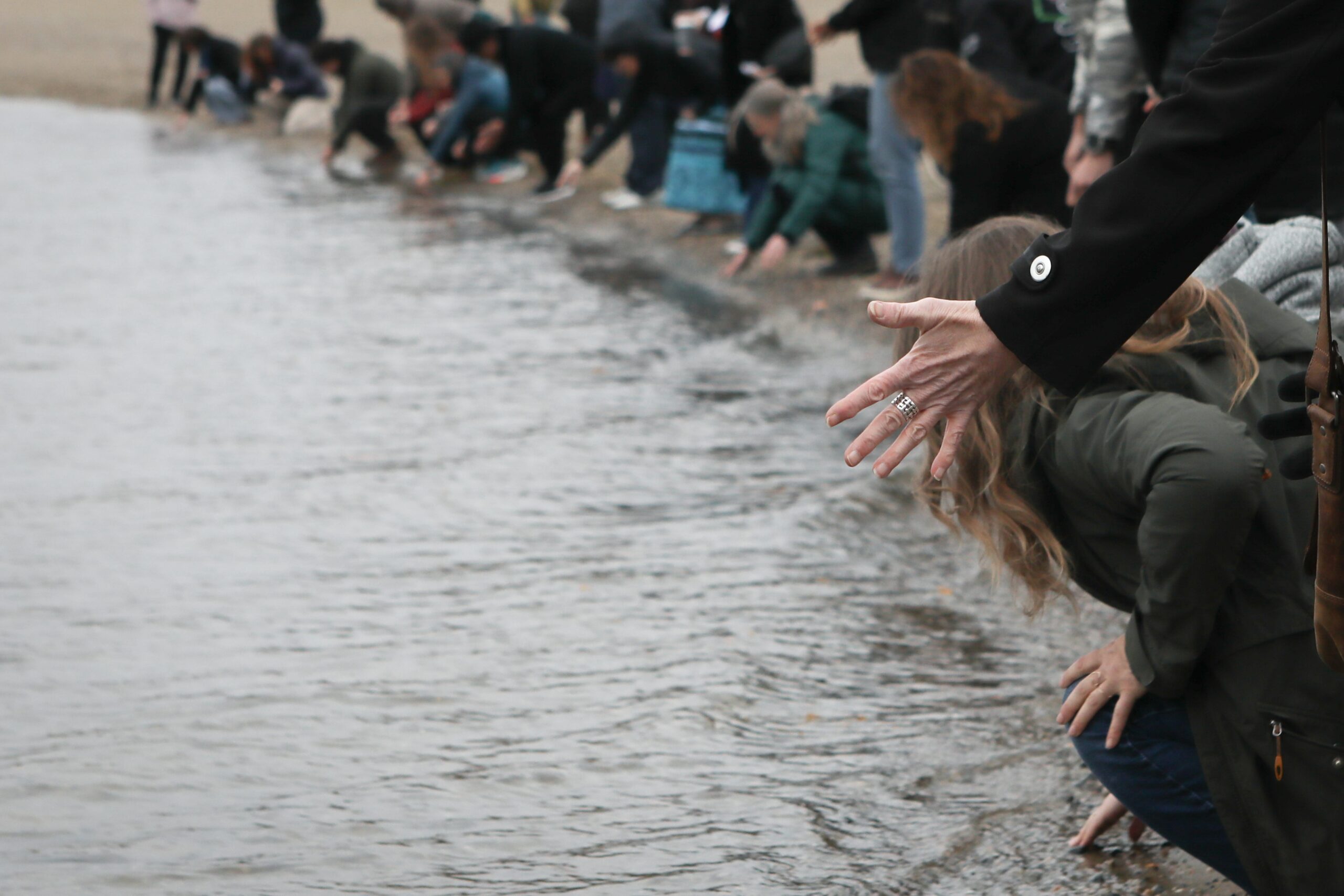
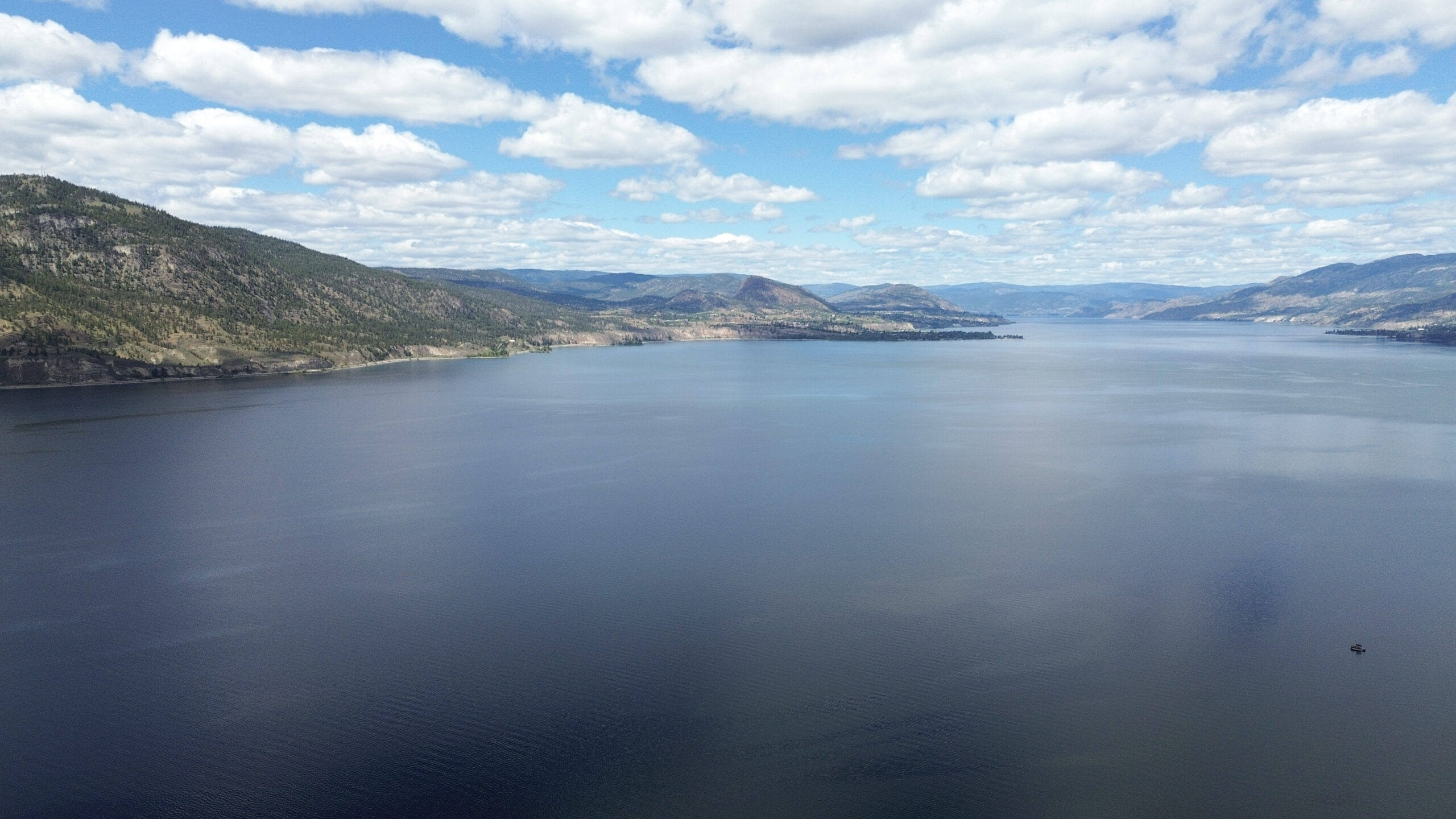
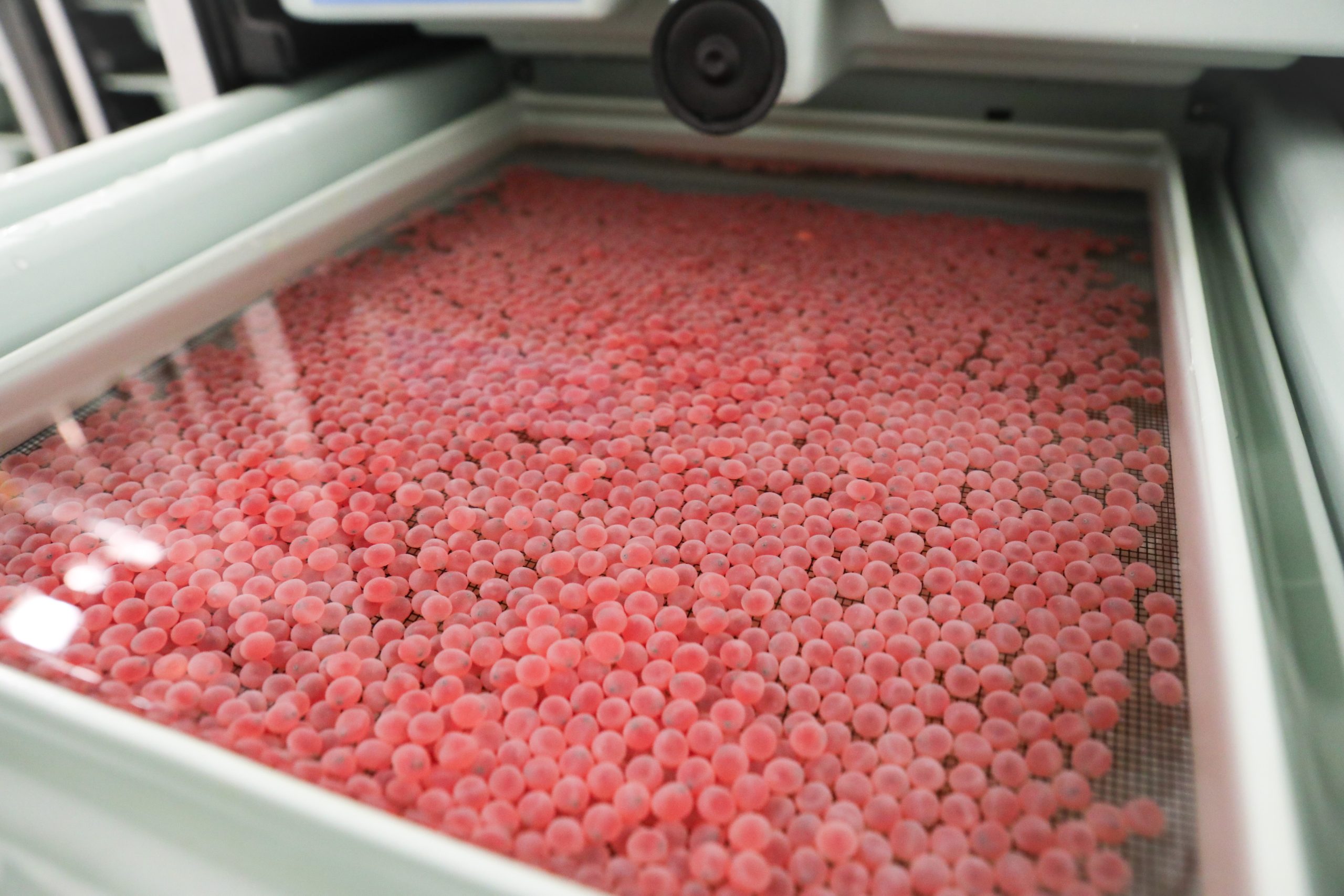
Earlier this month, the Confederated Tribes of the Colville Reservation in “Washington” transferred more than 6,200 chinook salmon eggs from their Chief Joseph Hatchery to the Okanagan Nation Alliance’s (ONA) kł cp̓əlk̓ stim̓ Hatchery in snpink’tn (Penticton), nearly 200 kilometres north.
This year marks one decade since the two tribal hatcheries started working together to restore the fish’s population throughout the Columbia River Basin.
The partnership has seen Colville Tribes send more than 115,000 eyed chinook eggs to the ONA over the past 10 years. One year alone, 2019, saw 40 per cent of those eggs transferred north.
“They don’t have to do that; they don’t have to give us anything,” said Tyson Marsel, a biologist at kł cp̓əlk̓ stim̓ hatchery and member of Lower Similkameen Indian Band.
“But for them to recognize that this is for the betterment of the environment and conservation, it’s not only helping us, but it’s also helping them.”

As salmon grow in their eggs, the dark spots of their eyes become visible through its shell – a stage early in their development known as the “eyed eggs” period.
Salmon have been a vital source of sustenance for Pacific Northwest Indigenous nations for thousands of years.
But several salmon species, particularly sockeye and chinook, have seen their runs and populations severely depleted across the Columbia River Basin in the last century.
As settlers built numerous dams along the waterway, they effectively blocked the fish from migrating up-river and into its tributaries.
Salmon populations have also been impacted by habitat loss, overfishing, and warming water temperatures linked to climate change.
Whether it’s sk’lwist (summer-run chinook) or ntitiyx (spring-run chinook), the fish have for decades become stuck at the Chief Joseph Dam on the Columbia River in “Washington,” which lacks a fish passage route.
Opened downstream to the dam in 2013, the Chief Joseph Hatchery catches adult fish blocked by the dam to collect their eggs. It’s part of a broodstock, or fish-breeding, program that spawns nearly three million young chinook each year.
“They’ll be collecting millions of chinook eggs in a year,” Marsel said. “Versus us, our best year is 10,000 that we’ve collected from the Okanagan River here.”

The salmon eggs sent from the Colville Tribes’ hatchery roughly doubled the ONA hatchery’s chinook population compared to last year, when it had just 6,500.
kł cp̓əlk̓ stim̓ Hatchery stores the transferred roe in an incubator, where water temperatures are gradually increased from 3 C to 10 C over the course of a few weeks, to help support their development.
The fish are expected to hatch around the end of this month, and will remain housed at the hatchery until June. Once they weigh between three to five grams, the ONA plans to release them into suwiw̓s (Osoyoos Lake).
The adult fish are expected to return between 2029-31.
Although much of the Okanagan River has been channelized — engineered to straighten the waterway — there’s a more naturally flowing portion north of Osoyoos Lake, in the town of “Oliver.”
It’s there that Marsel said the fish like to spawn.
Even if the fish can make it upriver past Osoyoos Lake, they’ll still reach the Chief Joseph Dam and Colville hatchery downriver.
“Some of our fish that we’ve released from our facility have gone into Chief Joseph Hatchery’s program,” Marsel said.

He added that “every fish counts,” especially when it comes to chinook. The species is a key cultural figure for the syilx Okanagan Nation, being ntytyix (Chief Salmon) of the Four Food Chiefs.
“People don’t realize how rare they are, and a lot of people don’t even know that there’s chinook in the system,” he explained.
While much attention has been paid to sockeye salmon restoration efforts, Marsel said chinook hold a particularly important place in the culture.
“For the syilx Nation and all the people here, it means so much more,” he explained. “Not that sockeye aren’t important, but ntytyix holds a lot more meaning.”
The partnership to help chinook recover by sharing eggs hasn’t just transcended the border, however. It might also be helping transcend some political divisions between First Nations.
In recent years, the newly established Sinixt Confederacy — under the Confederated Tribes of the Colville Reservation — has at times been at odds with ONA, over legal and territorial claims related to the historically displaced Sinixt people, and which tribal council represents their descendants. The ONA has asserted that the Sinixt people have always existed as part of the larger syilx Nation rather than as its own entity.
During the hatchery partnership’s decade, the tensions have resulted in chinook egg transfers being withheld, Marsel said — but he firmly believes the two tribal governments realize working together for salmon outweighs their inter-governmental disagreements.
“We have this same common goal,” he said. “Working together is what’s going to make it better.
“To have the collaboration is extremely important, not only for the people but definitely the environment, the salmon [and] everything that thrives off the salmon.”
But long before the two modern-day tribal organizations were formed, Marsel said Indigenous communities in the region always supported and traded with one another.
“We have family down in Colville Confederated Tribes,” he said. “There was trading constantly across that imaginary line that’s now put up.
“It’s not like this is a new thing where we’re working with Colville Confederated Tribes — but it’s exciting that now we’re working together for a common goal, and that’s conservation.”
Editor’s note: This story was updated on Feb. 12, 2026.
Author
We live in a media ecosystem that thrives on misinformation. Big Tech and AI companies are consuming the work of real human beings and Canadian news has been banned on Facebook and Instagram.
And yet, I have hope for journalism because of the work we’re doing at IndigiNews.
At IndigiNews, we embody tâpwêwin — the Cree value of integrity and responsibility in truth-telling. We are committed to our independent, Indigenous-led newsroom rooted in community, accountability, and relationality. We believe storytelling is a sacred fire that connects our pasts, presents, and futures through the storytellers in our Storytelling Lodge. IndigiNews creates space for Indigenous journalists, storytellers, Knowledge Keepers, and communities to gather, learn, and share stories that matter.
As a registered charity, we are building a fire that allows our work not just to ignite but to thrive. Rather than relying on advertising or corporate acquisition, IndigiNews is sustained by people like you who believe Indigenous stories are important for the future of our communities.
Your support is making a real difference.
Our community of supporters, our Firekeepers, make it possible to grow our newsroom, publish award-winning journalism, train emerging Indigenous journalists through initiatives like the ReFocus Photojournalism Fellowship, and publish trustworthy stories that serve our communities across the country. Every story we publish helps fill in gaps left by mainstream media and ensures Indigenous perspectives are represented with care, accuracy and respect.
But there is still more work to do.
As the media landscape becomes more and more uncertain, community support is as necessary and essential as it’s ever been. Every new Firekeeper helps protect the independence of our newsroom and strengthens journalism that is accountable to our many and varied communities over corporations.
That’s why we’re inviting you to become a Firekeeper.
Firekeepers tend to and protect the sacred fire. Your monthly contributions directly support IndigiNews’s Storytelling Lodge, helps sustain our independent, Indigenous-led newsroom, and ensures future generations of Indigenous storytellers have the resources they need to do the work.
As a registered Canadian charity, all eligible donations receive a charitable tax receipt.
If you believe Indigenous stories matter, if you value independent journalism, and if you want to help build a strong future for Indigenous media, we invite you to join our circle of Firekeepers today.
Together, we can keep the fire burning.
— Eden Fineday, Publisher, IndigiNews
Support us nowLatest Stories
-
Beloved on the powwow circuit, young boy’s connection to the drum inspires
Now four, Waseskwan Redcrow was dancing ‘before he could even fully walk’ — his family says participating in powwows has brought them joy and belonging
-
Indigenous leaders give the UN a roadmap for protecting their peoples
Amidst prayers and vows of solidarity, UN Expert Mechanism on the Rights of Indigenous Peoples ends annual meetings with demands for ‘action we’re not seeing globally’