‘Action is better than words’: syilx Elder calls for better protection of water and land
K̓ninm̓tm̓ taʔ n̓q̓ʷic̓tn̓s Wilfred ‘Grouse’ Barnes led a water ceremony during a World Rivers Day community cleanup event

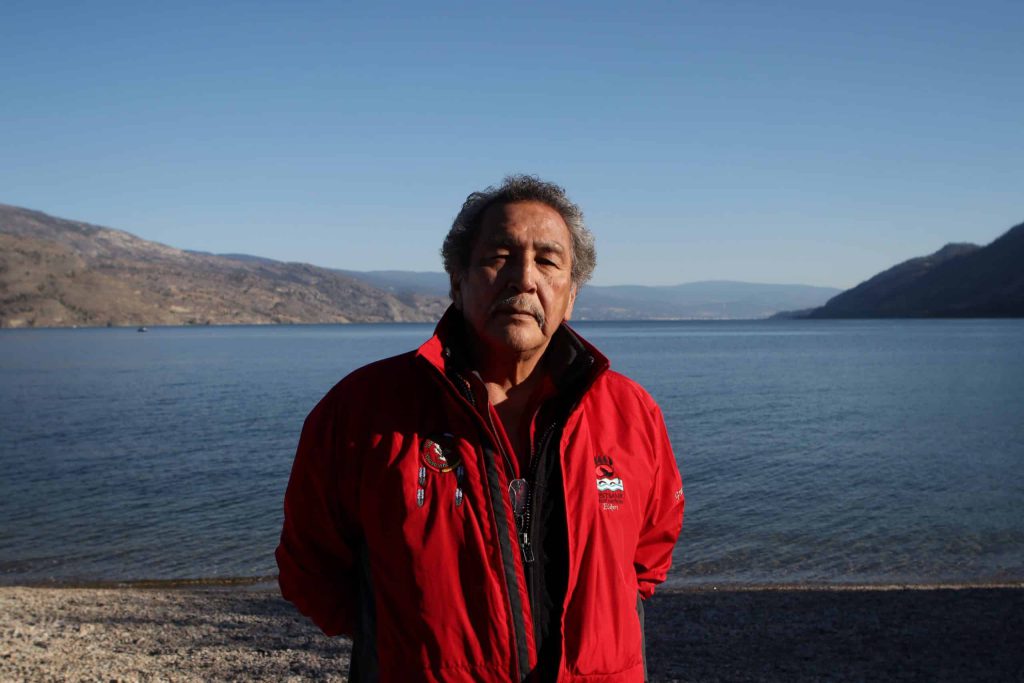
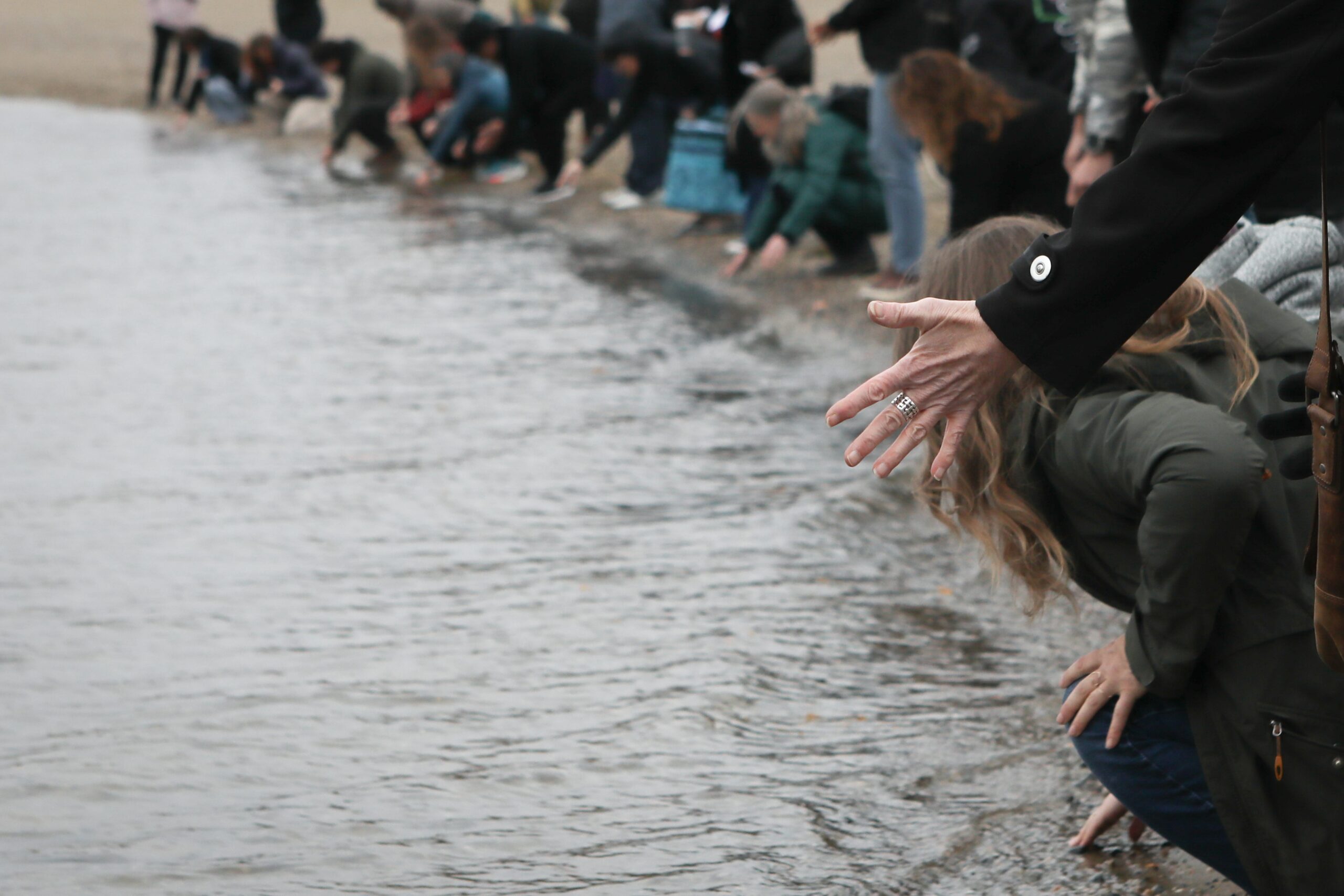
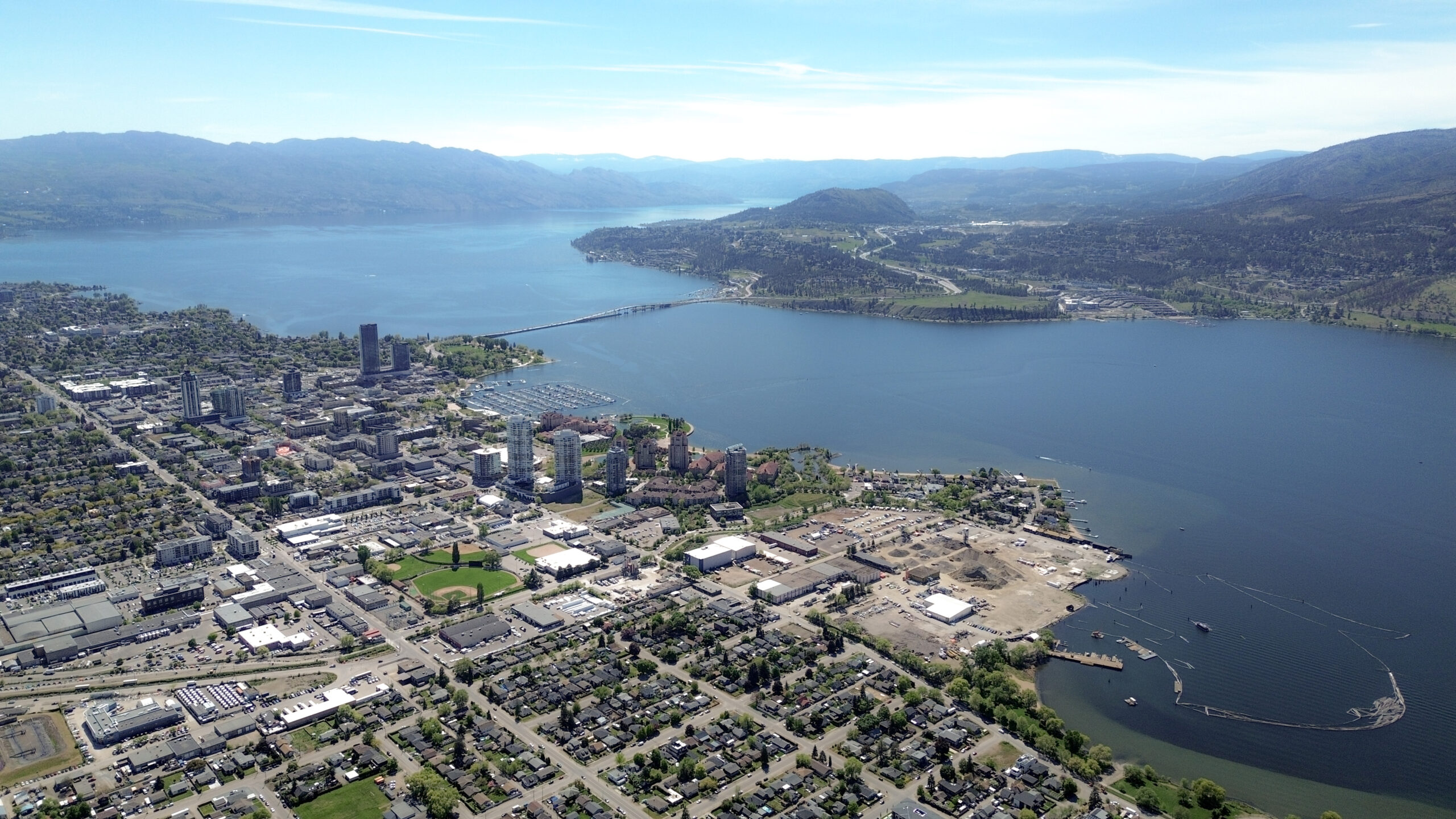
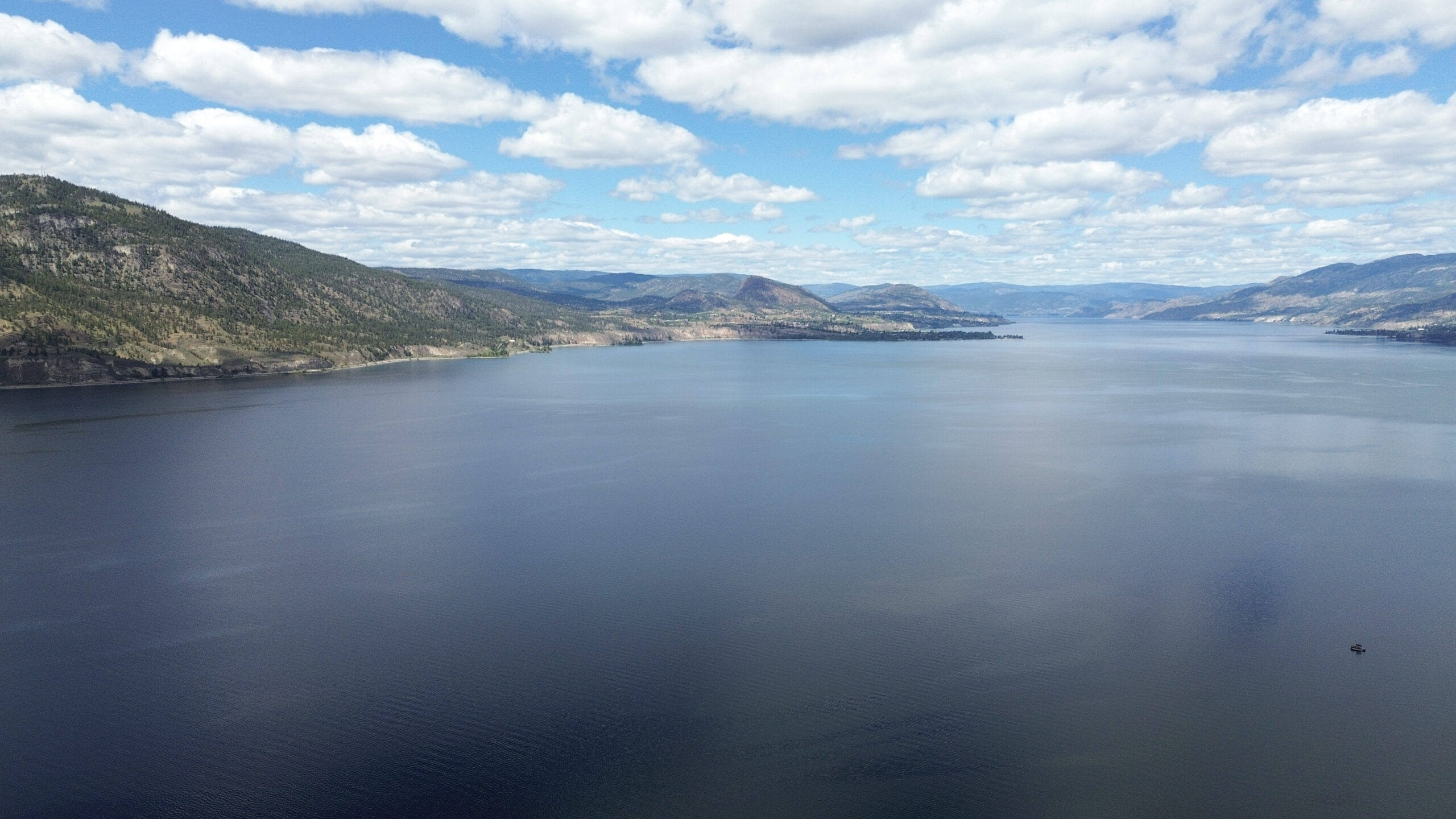
Following a water ceremony at the shore of kɬúsx̌nítkʷ (Okanagan Lake), a syilx Elder and knowledge keeper calls for more action to be taken when it comes to addressing pollution and illegal dumpings across the region.
“All I can say is action is better than words,” said K̓ninm̓tm̓ taʔ n̓q̓ʷic̓tn̓s Wilfred “Grouse” Barnes of Westbank First Nation. “To take action, to really just get out on the land, get your hands dirty picking up stuff — walk and talk.”
Ahead of the ceremony on Sunday, Barnes and his wife, Pamela, were invited to attend the Peachland Watershed Protection Alliance (PWPA)’s community cleanup event in honour of World Rivers Day, which saw dozens of “Peachland” residents come together to pick up garbage in and around the “Hardy Falls” area.
During the water ceremony, Barnes read from the syilx Nation’s siwɬkʷ (water) Declaration, which is a living document created in 2014 by Elders and knowledge keepers that outlines the Nation’s commitment to honouring and protecting siwɬkʷ.
Afterwards, he smudged people in attendance and invited them to make a tobacco offering to the water.
“Us Elders, us syilx people, this is our land. This is our water. For us to help protect it, to help keep it clean, is far better than just talking about it,” he said.
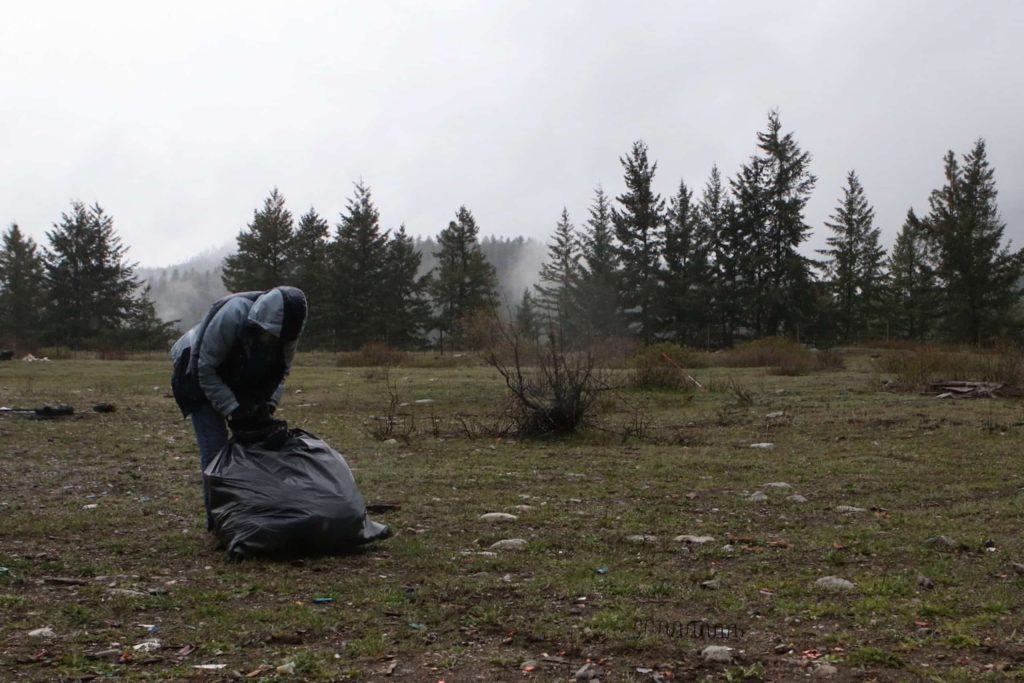
Every year, PWPA partners with community members and organizations such as Okanagan Forestry Task Force to clean up illegal dumpsites and abandoned vehicles left within the “Peachland” watershed, which spans about 124 square km west of “Okanagan Lake” and provides drinking water to the community.
While the community cleanup around “Hardy Falls” on Sept. 25 saw only a handful of garbage bags filled with litter along creeks and streams, industrial garbage bins were packed with garbage collected during the “Peachland” watershed cleanup on April 30.
The latter cleanup event saw residents haul away everything from abandoned vehicles, furniture, shotgun shells, used needles, household appliances and more.
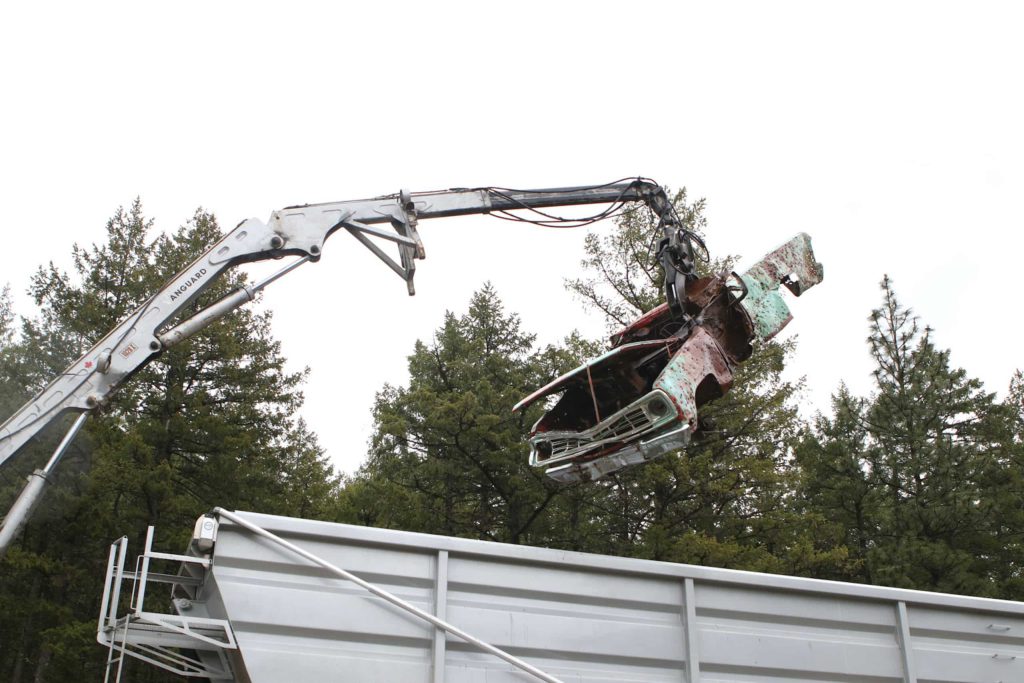
Kane Blake of the Okanagan Forest Task Force said that since the organization’s founding in 2016, they’ve cleaned up over 400,000 pounds — about the size of a passenger jet plane — of illegal dumpings from across the “Okanagan.”
Barnes praised PWPA for the work that they do in protecting and cleaning up the water and the land.
“What I see is there’s a lot of respect. A lot of respect for the syilx people, and a lot of respect for the water and the land,” he said.
Author
We live in a media ecosystem that thrives on misinformation. Big Tech and AI companies are consuming the work of real human beings and Canadian news has been banned on Facebook and Instagram.
And yet, I have hope for journalism because of the work we’re doing at IndigiNews.
At IndigiNews, we embody tâpwêwin — the Cree value of integrity and responsibility in truth-telling. We are committed to our independent, Indigenous-led newsroom rooted in community, accountability, and relationality. We believe storytelling is a sacred fire that connects our pasts, presents, and futures through the storytellers in our Storytelling Lodge. IndigiNews creates space for Indigenous journalists, storytellers, Knowledge Keepers, and communities to gather, learn, and share stories that matter.
As a registered charity, we are building a fire that allows our work not just to ignite but to thrive. Rather than relying on advertising or corporate acquisition, IndigiNews is sustained by people like you who believe Indigenous stories are important for the future of our communities.
Your support is making a real difference.
Our community of supporters, our Firekeepers, make it possible to grow our newsroom, publish award-winning journalism, train emerging Indigenous journalists through initiatives like the ReFocus Photojournalism Fellowship, and publish trustworthy stories that serve our communities across the country. Every story we publish helps fill in gaps left by mainstream media and ensures Indigenous perspectives are represented with care, accuracy and respect.
But there is still more work to do.
As the media landscape becomes more and more uncertain, community support is as necessary and essential as it’s ever been. Every new Firekeeper helps protect the independence of our newsroom and strengthens journalism that is accountable to our many and varied communities over corporations.
That’s why we’re inviting you to become a Firekeeper.
Firekeepers tend to and protect the sacred fire. Your monthly contributions directly support IndigiNews’s Storytelling Lodge, helps sustain our independent, Indigenous-led newsroom, and ensures future generations of Indigenous storytellers have the resources they need to do the work.
As a registered Canadian charity, all eligible donations receive a charitable tax receipt.
If you believe Indigenous stories matter, if you value independent journalism, and if you want to help build a strong future for Indigenous media, we invite you to join our circle of Firekeepers today.
Together, we can keep the fire burning.
— Eden Fineday, Publisher, IndigiNews
Support us nowLatest Stories
-
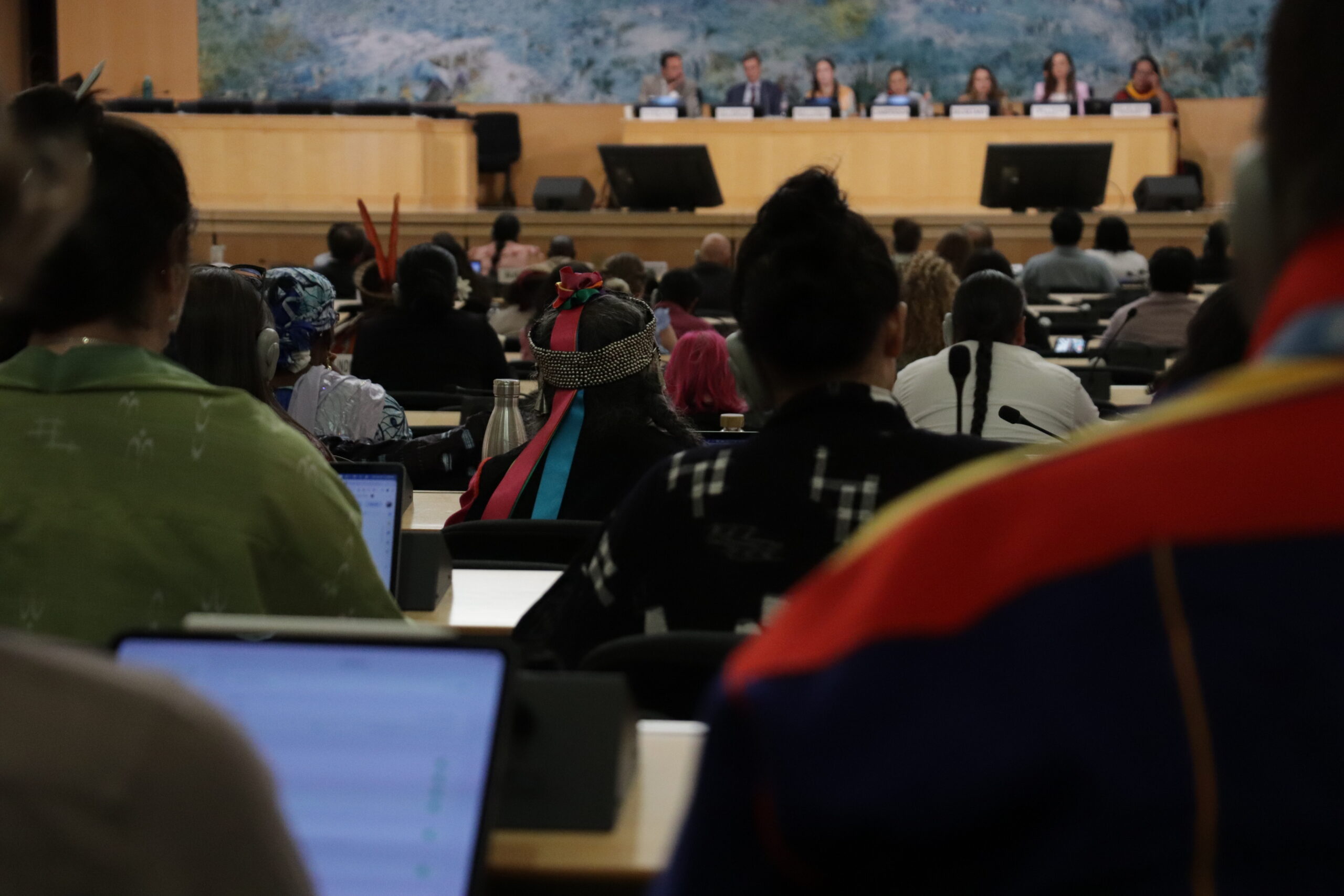
Indigenous leaders give the UN a roadmap for protecting their peoples
Amidst prayers and vows of solidarity, UN Expert Mechanism on the Rights of Indigenous Peoples ends annual meetings with demands for ‘action we’re not seeing globally’
-
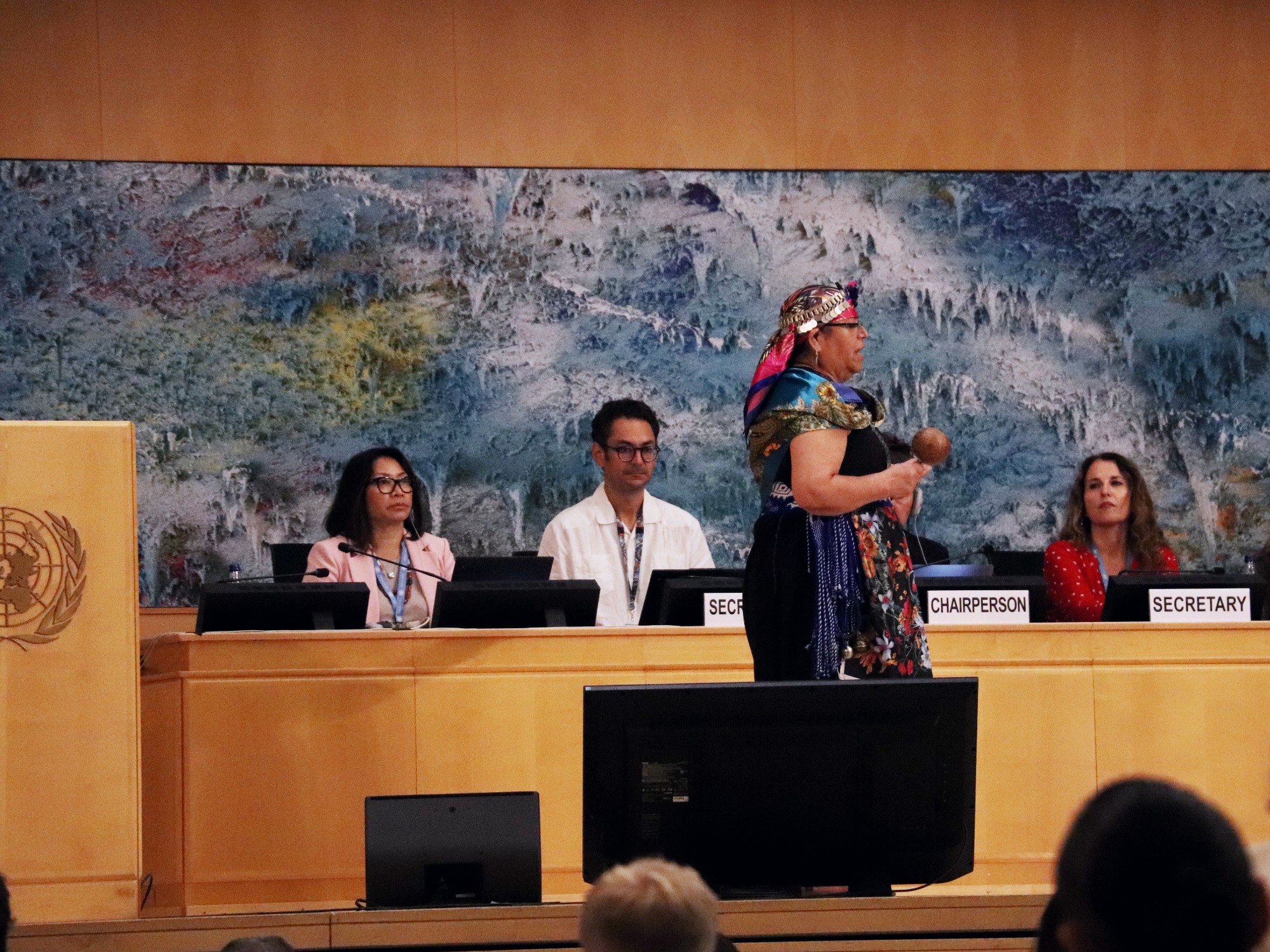
Indigenous people demand more say at the UN, as new crises hit their homelands
Indigenous nations live ‘on the frontlines’ of climate, conflict and new tech. But their voices remain sidelined in the global halls of power.