Addiction is a symptom of colonization — advocates say community can heal it
Community members spoke about their experience with addiction, and shared the importance of supporting one another through harm reduction


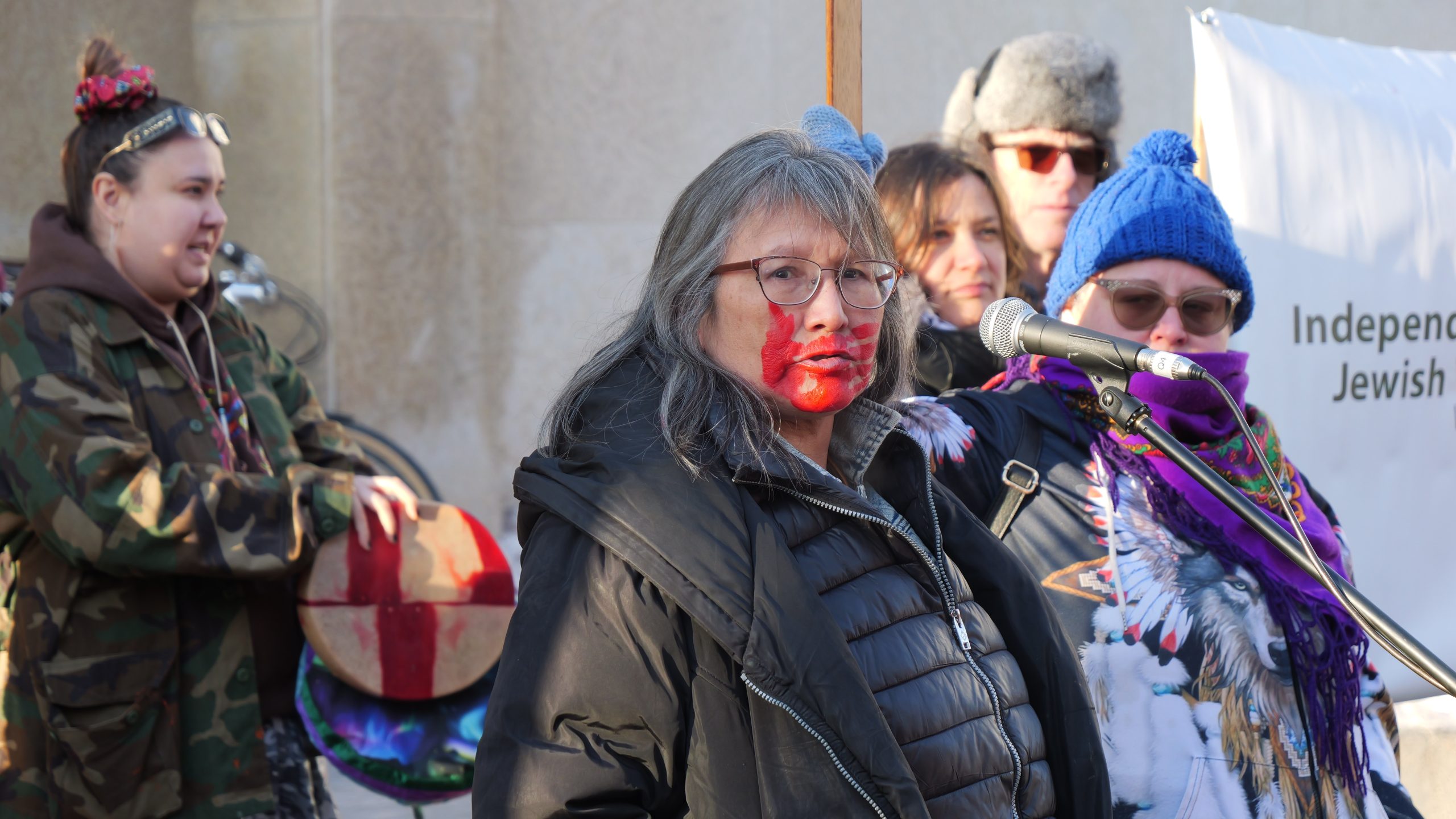
Community members shared openly about their road to recovery from substance abuse in hopes of inspiring others, and to end the stigma around addiction, during the Okanagan Nation Alliance’s (ONA) stop in “Westbank” in syilx homelands on Aug. 30 for its Purple Ribbon Campaign.
The ONA’s Purple Ribbon Campaign emphasizes using harm-reduction approaches, and addressing mental health and healing to address substance use in its communities.
The campaign is an annual effort dedicated to destigmatizing substance use in the syilx Nation, while also promoting resources and services in communities for those who are dealing with addiction. The event also calls attention to International Overdose Awareness Day, which occurs annually on Aug. 31.
While the national Purple Ribbon Campaign is dedicated to eliminating violence against women and children, ONA’s campaign caravan is one of the Nation’s programs and activities that is focussed on addressing addiction and the current opioid crisis. One of the other ONA initiatives dedicated to this cause is the annual syilx Nation Drug Forum, where members come together to discuss addiction and how they can work together to break the cycle in communities.

During the two-day campaign on Aug. 29 and 30, members of ONA travelled in a caravan throughout the territory, making stops at the Upper Nicola Indian Band, Lower Similkameen Indian Band, Osoyoos Indian Band, Penticton Indian Band and Okanagan Indian Band.

snatsatswichken (Camping Shelter) Cal Lindley of Westbank First Nation (WFN) spoke in front of dozens of community members.
“Addictions are real. People are dying. We’re losing people,” said Lindley. “We need to bring awareness about that. I’ve lost family members myself, much younger than me. It’s really hurtful.”
The best way to support people dealing with addiction, he said, is to not shun and ignore them.
“People used to ignore them and say that’s their problem, “ he said. “But it’s all of our problem. We all gotta just work and help each other, and not turn our backs on anybody and find a way.”
According to BC Emergency Health Services, there were 35,525 overdose calls in “B.C.” in 2021. Of that total number, 1,588 were in “Kelowna,” 748 in “Penticton” and 457 in “Vernon.”
Alan Louis, the syilx Nation health representative for ONA, called for more investments in culturally safe harm-reduction, treatment and recovery services that “address the pernicious effects of discrimination and racism.”
“The drug and opioid crisis continues to underscore the facts that social determinants of health are all linked to extreme poverty, economic disparity, poor health conditions, lack of accessible housing and are rooted in a history of colonization that resulted in the displacement of Indigenous peoples,” said Louis.
“These complex issues require holistic comprehensive responses.”
For example, WFN’s Wellbriety program incorporates White Bison’s Medicine Wheel 12-step program, which is a series of the following 12 steps for participants to follow. WFN also provides a healthy meal for participants, as well as workbooks and videos.
By sharing his story and attending the Wellbriety program every Tuesday, Lindley said that he wants to make his family and community a better place.
“What can you do to help? This is what I do. We all gotta ask ourselves that,” he said.
Across their campaign stops, ONA members distributed purple shirts, pins and stickers that promoted harm reduction and destigmatization. Self-care tips, mental health supports and resources for dealing with addiction were also on display. Naloxone kits were handed out, and community members learned how to administer naloxone injections.

Rene Petel of Ocean Man First Nation is an addictions worker for WFN, and he also shared his own story with addiction and recovery. He said that he loves to talk about his journey and what it takes to overcome addiction.
“It’s a lot of hard work and there’s a lot of shaming that goes on out there, still,” said Petel.
Petel praised the Purple Ribbon Campaign, highlighting how it allows communities across syilx homelands to connect with one another. Like Louis, he also said that addiction is a symptom of colonialism.
“We need to talk about this. We need to not feel ashamed. We need to reach out and get that help, those supports. We’re talking about our families, we’re talking about our children, we’re talking about our brothers, sisters, mothers and fathers. Everybody is affected in community.”
Author
We live in a media ecosystem that thrives on misinformation. Big Tech and AI companies are consuming the work of real human beings and Canadian news has been banned on Facebook and Instagram.
And yet, I have hope for journalism because of the work we’re doing at IndigiNews.
At IndigiNews, we embody tâpwêwin — the Cree value of integrity and responsibility in truth-telling. We are committed to our independent, Indigenous-led newsroom rooted in community, accountability, and relationality. We believe storytelling is a sacred fire that connects our pasts, presents, and futures through the storytellers in our Storytelling Lodge. IndigiNews creates space for Indigenous journalists, storytellers, Knowledge Keepers, and communities to gather, learn, and share stories that matter.
As a registered charity, we are building a fire that allows our work not just to ignite but to thrive. Rather than relying on advertising or corporate acquisition, IndigiNews is sustained by people like you who believe Indigenous stories are important for the future of our communities.
Your support is making a real difference.
Our community of supporters, our Firekeepers, make it possible to grow our newsroom, publish award-winning journalism, train emerging Indigenous journalists through initiatives like the ReFocus Photojournalism Fellowship, and publish trustworthy stories that serve our communities across the country. Every story we publish helps fill in gaps left by mainstream media and ensures Indigenous perspectives are represented with care, accuracy and respect.
But there is still more work to do.
As the media landscape becomes more and more uncertain, community support is as necessary and essential as it’s ever been. Every new Firekeeper helps protect the independence of our newsroom and strengthens journalism that is accountable to our many and varied communities over corporations.
That’s why we’re inviting you to become a Firekeeper.
Firekeepers tend to and protect the sacred fire. Your monthly contributions directly support IndigiNews’s Storytelling Lodge, helps sustain our independent, Indigenous-led newsroom, and ensures future generations of Indigenous storytellers have the resources they need to do the work.
As a registered Canadian charity, all eligible donations receive a charitable tax receipt.
If you believe Indigenous stories matter, if you value independent journalism, and if you want to help build a strong future for Indigenous media, we invite you to join our circle of Firekeepers today.
Together, we can keep the fire burning.
— Eden Fineday, Publisher, IndigiNews
Support us nowLatest Stories
-
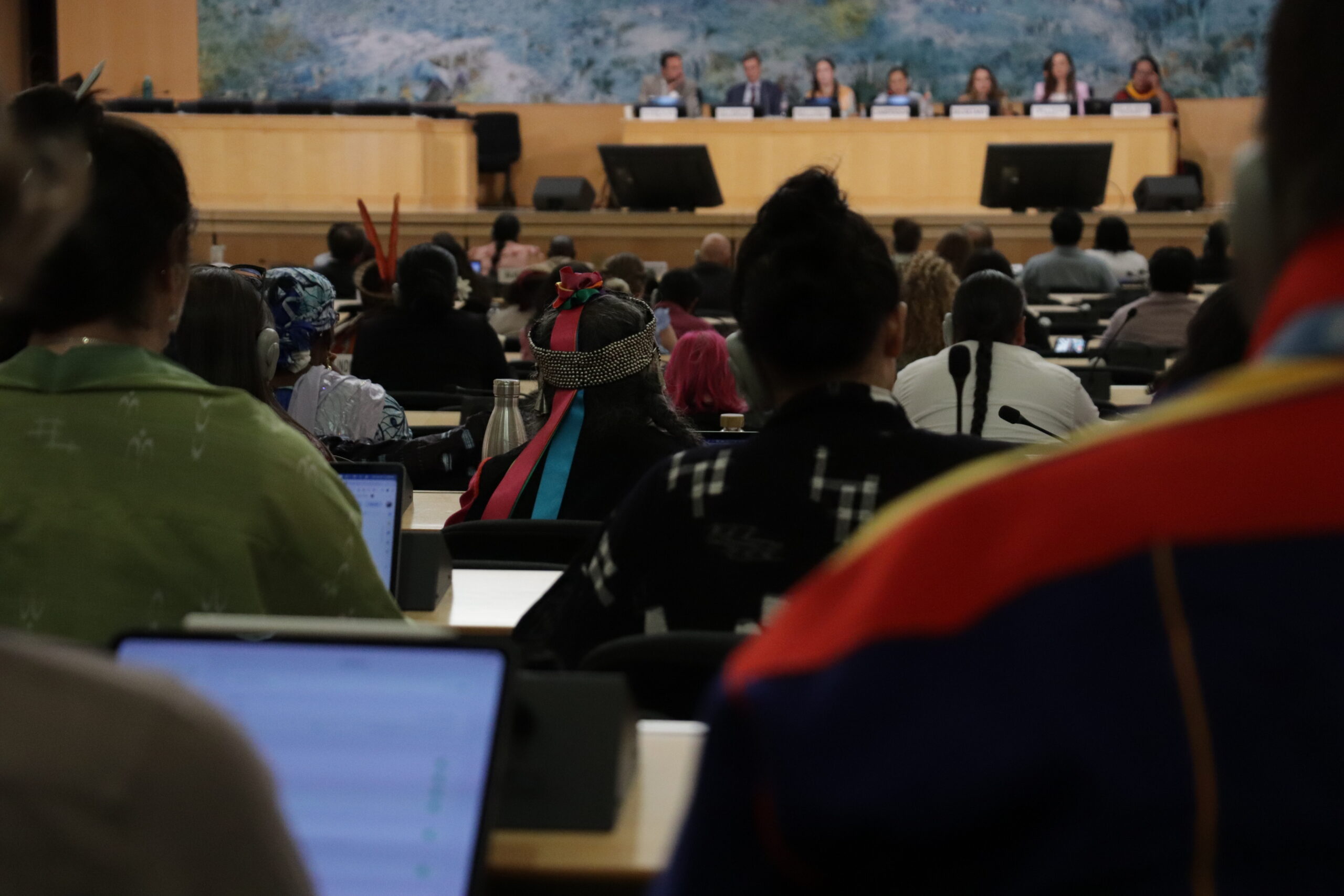
Indigenous leaders give the UN a roadmap for protecting their peoples
Amidst prayers and vows of solidarity, UN Expert Mechanism on the Rights of Indigenous Peoples ends annual meetings with demands for ‘action we’re not seeing globally’
-
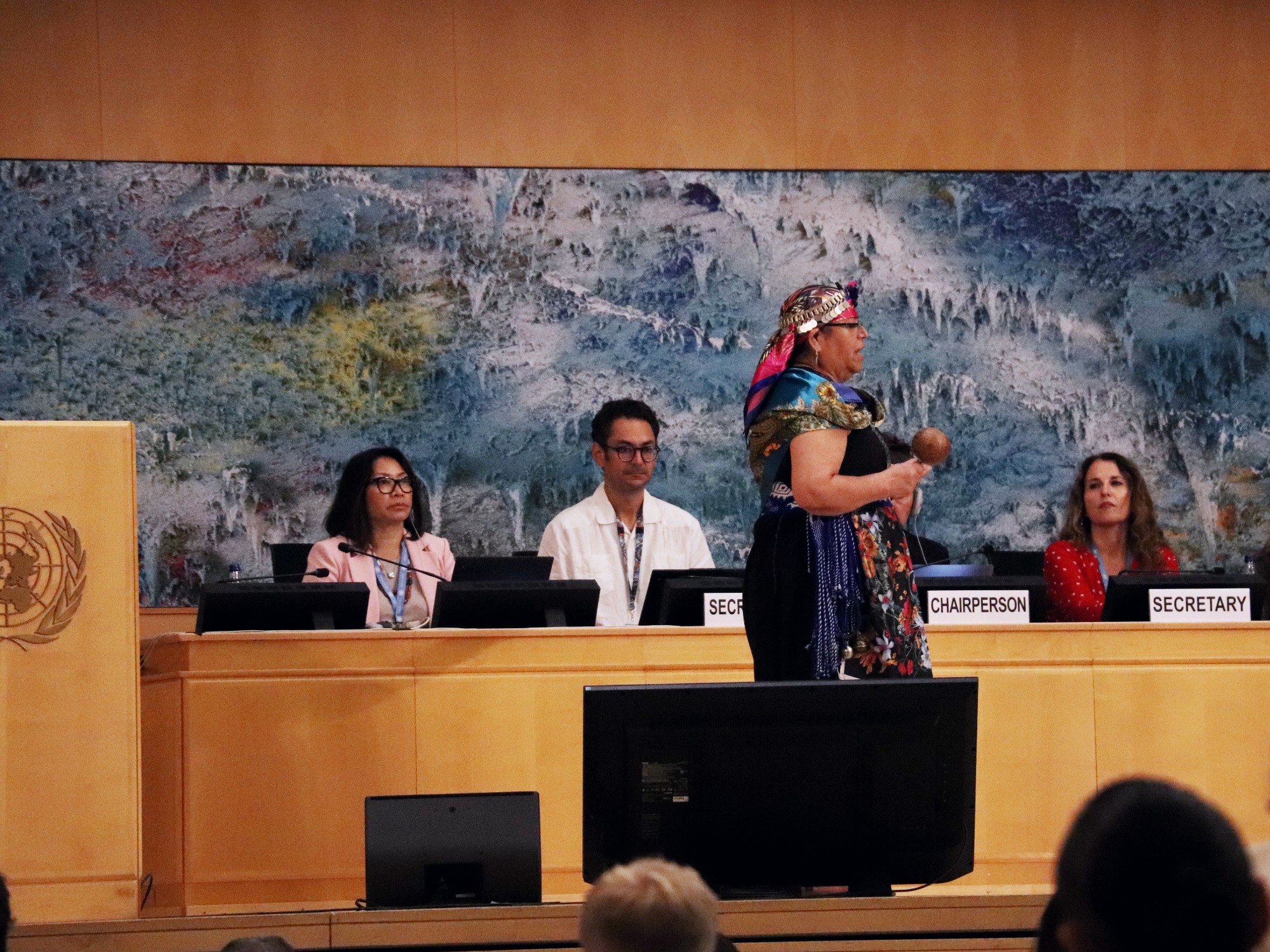
Indigenous people demand more say at the UN, as new crises hit their homelands
Indigenous nations live ‘on the frontlines’ of climate, conflict and new tech. But their voices remain sidelined in the global halls of power.