As Christmas approaches, ‘Na̱mǥis hereditary chief recalls mass arrests at father’s 1921 winter Potlatch
‘Na̱mǥis Hereditary Chief Bill Cranmer remembers when his father’s winter potlatch was raided by Indian Agents, resulting in several dozen community members arrested and sent to jail
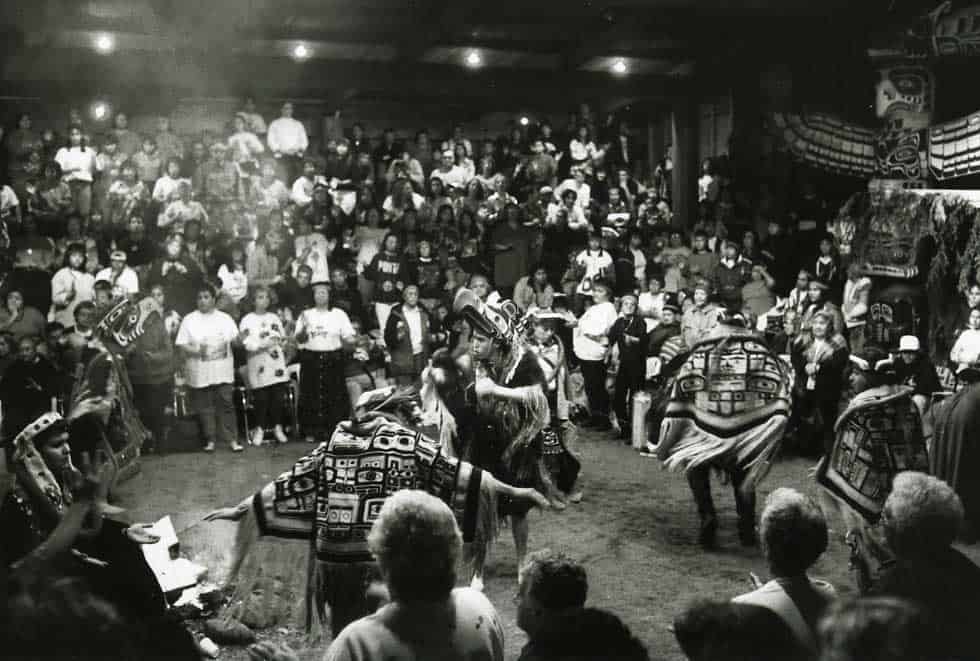
Almost 100 years ago, while many gathered with family members to exchange Christmas presents, several dozen Kwakwa̱ka̱ʼwakw people were arrested for holding a winter gifting Potlatch of their own.
The word ‘potlatch’ comes from a coastal trade language, Chinook, and is used to describe ceremonies held for various forms of governance — the naming of children, marriage, transferring rights and privileges, mourning the dead, to name a few.
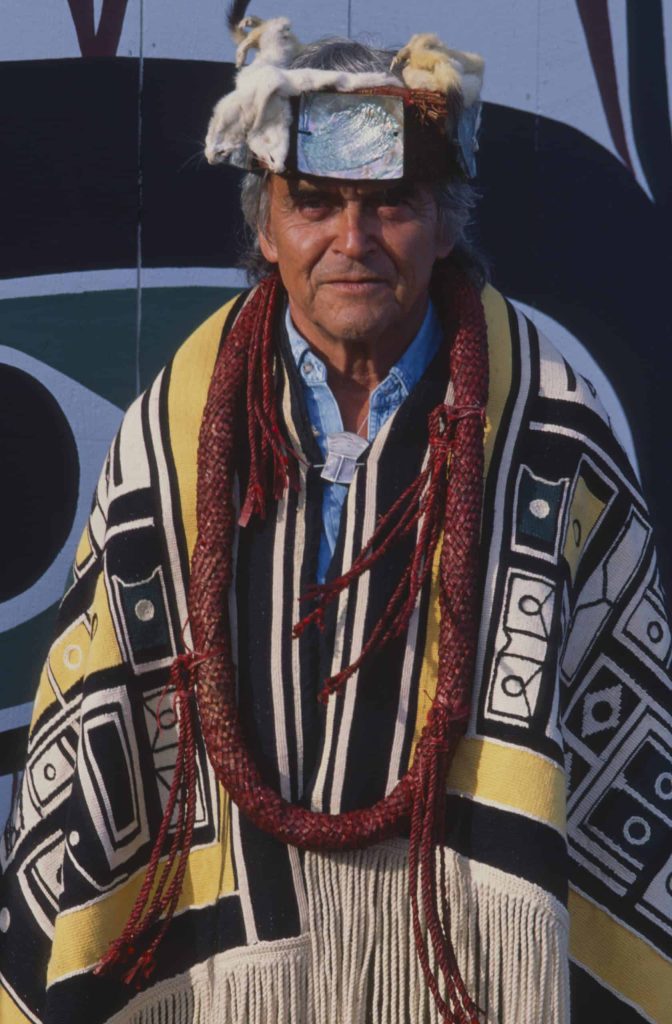
‘Na̱mǥis Hereditary Chief Bill Cranmer says it was December of 1921 when his father Dan held a large Potlatch at ‘Mimkwa̱mlis (Village Island) off Northern Vancouver Island that was interrupted by Indian Agents.
As Christmas fast approaches, Cranmer remembers when his people were prohibited from gathering as a community, practicing their laws and cultures, exchanging gifts, feasting and thriving as place-based Peoples with millennia-old traditions.
Under Canada’s Potlatch ban, ceremonies, feasts, and cultural practices were made illegal under the Indian Act between 1884 to 1951.
“What they were trying to do was destroy the structure of the society of our people by stopping us from carrying on with our ceremonies, our languages or songs and our history,” Cranmer says.
“That was the main reason why they banned the Potlatch and our peoples, the Kwak̓wala-speaking peoples, were the last ones to throw in the towel.”
After the 1921 Potlatch was raided by Indian Agents, 45 people were arrested and charged, according to the U’mista Cultural Centre. 20 community members were sent to Oakalla Prison Farm (built in 1912), outside of Vancouver to serve two- to three-month sentences.
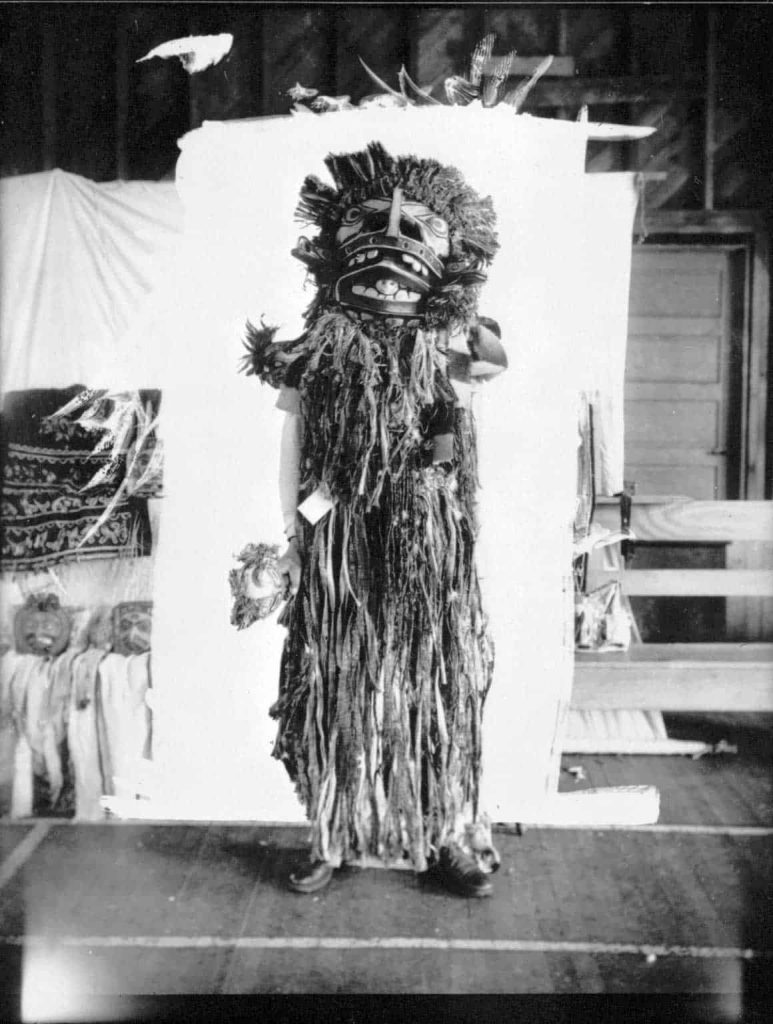
Cultural objects such as masks, bentwood boxes, and regalia were confiscated and put into museums or private collections.
“It was pretty bad for our people to be taken from our community to be shipped down to a prison farm,” Cranmer says.
After the arrests, people in his community stopped gathering for Potlatches, he says. However remote Kwakwa̱ka̱ʼwakw communities continued to hold ceremony in secret, knowing it was difficult for Indian Agents and police to get to their territories.
Three decades after the arrests, the Potlatch ban was lifted, and in 1952 Cranmer was able to attend a ceremony alongside his father at the first public Potlatch at the Mungo Martin House in Victoria.
Now, Cranmer is the chairman of the Board of Directors for U’mista Cultural Centre, which was founded in 1980 as a place to house and preserve Potlatch artifacts seized by government agents during the ban.
Cranmer has been instrumental in repatriating these cultural objects back to his community and received a Sovereign’s Medal for Volunteers from the Governor General in 2017 for his work.
Cranmer says there were various attempts in his community to see the ban lifted sooner.
At one point, he says, chiefs invited members of Parliament to witness a Potlatch so that they could see for themselves that there was nothing wrong, but no one showed up.
He says people in his community also drew comparisons to Christmas and the exchanging of gifts, but Indian Agents disagreed, saying Potlatch was different because it was ceremonial.
“When a chief has a Potlatch and invites guests, his guests are invited to be witnesses and the witnesses are given gifts for being there,” Cranmer explains. “It’s to mark certain special occasions.”
He says many fear-based misconceptions were spread about Potlatches by the church — including wrongly stating that cannibalism was practiced or young women were “given away.”
“They were the ones that were responsible for spreading all kinds of wrong things about our people to the government of Canada at the time,” he says, adding that it was all part of a wider assimilation effort.
“When our people were feasting and carrying on with our ceremonies they didn’t really have time to be converted to Christianity.”
Author
We live in a media ecosystem that thrives on misinformation. Big Tech and AI companies are consuming the work of real human beings and Canadian news has been banned on Facebook and Instagram.
And yet, I have hope for journalism because of the work we’re doing at IndigiNews.
At IndigiNews, we embody tâpwêwin — the Cree value of integrity and responsibility in truth-telling. We are committed to our independent, Indigenous-led newsroom rooted in community, accountability, and relationality. We believe storytelling is a sacred fire that connects our pasts, presents, and futures through the storytellers in our Storytelling Lodge. IndigiNews creates space for Indigenous journalists, storytellers, Knowledge Keepers, and communities to gather, learn, and share stories that matter.
As a registered charity, we are building a fire that allows our work not just to ignite but to thrive. Rather than relying on advertising or corporate acquisition, IndigiNews is sustained by people like you who believe Indigenous stories are important for the future of our communities.
Your support is making a real difference.
Our community of supporters, our Firekeepers, make it possible to grow our newsroom, publish award-winning journalism, train emerging Indigenous journalists through initiatives like the ReFocus Photojournalism Fellowship, and publish trustworthy stories that serve our communities across the country. Every story we publish helps fill in gaps left by mainstream media and ensures Indigenous perspectives are represented with care, accuracy and respect.
But there is still more work to do.
As the media landscape becomes more and more uncertain, community support is as necessary and essential as it’s ever been. Every new Firekeeper helps protect the independence of our newsroom and strengthens journalism that is accountable to our many and varied communities over corporations.
That’s why we’re inviting you to become a Firekeeper.
Firekeepers tend to and protect the sacred fire. Your monthly contributions directly support IndigiNews’s Storytelling Lodge, helps sustain our independent, Indigenous-led newsroom, and ensures future generations of Indigenous storytellers have the resources they need to do the work.
As a registered Canadian charity, all eligible donations receive a charitable tax receipt.
If you believe Indigenous stories matter, if you value independent journalism, and if you want to help build a strong future for Indigenous media, we invite you to join our circle of Firekeepers today.
Together, we can keep the fire burning.
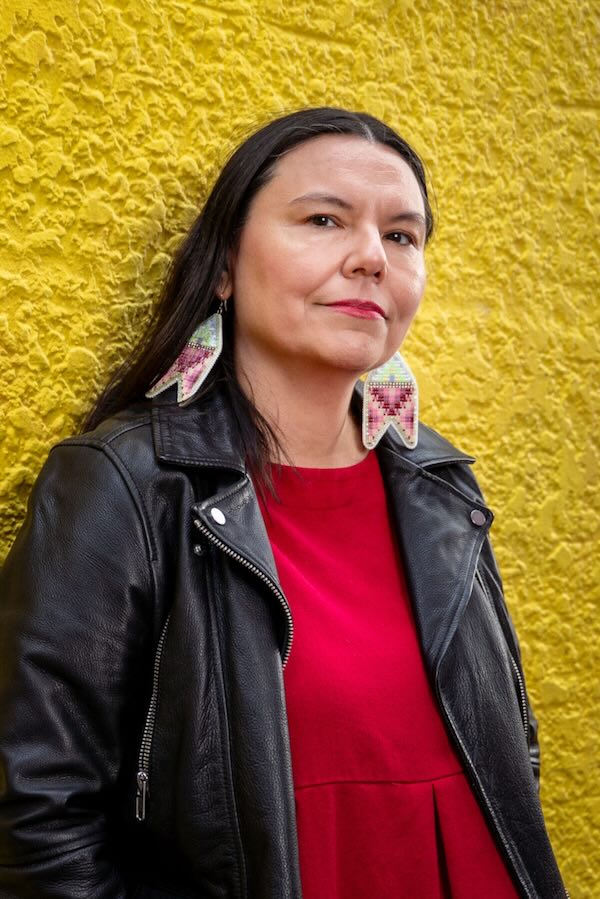
— Eden Fineday, Publisher, IndigiNews
Support us nowLatest Stories
-
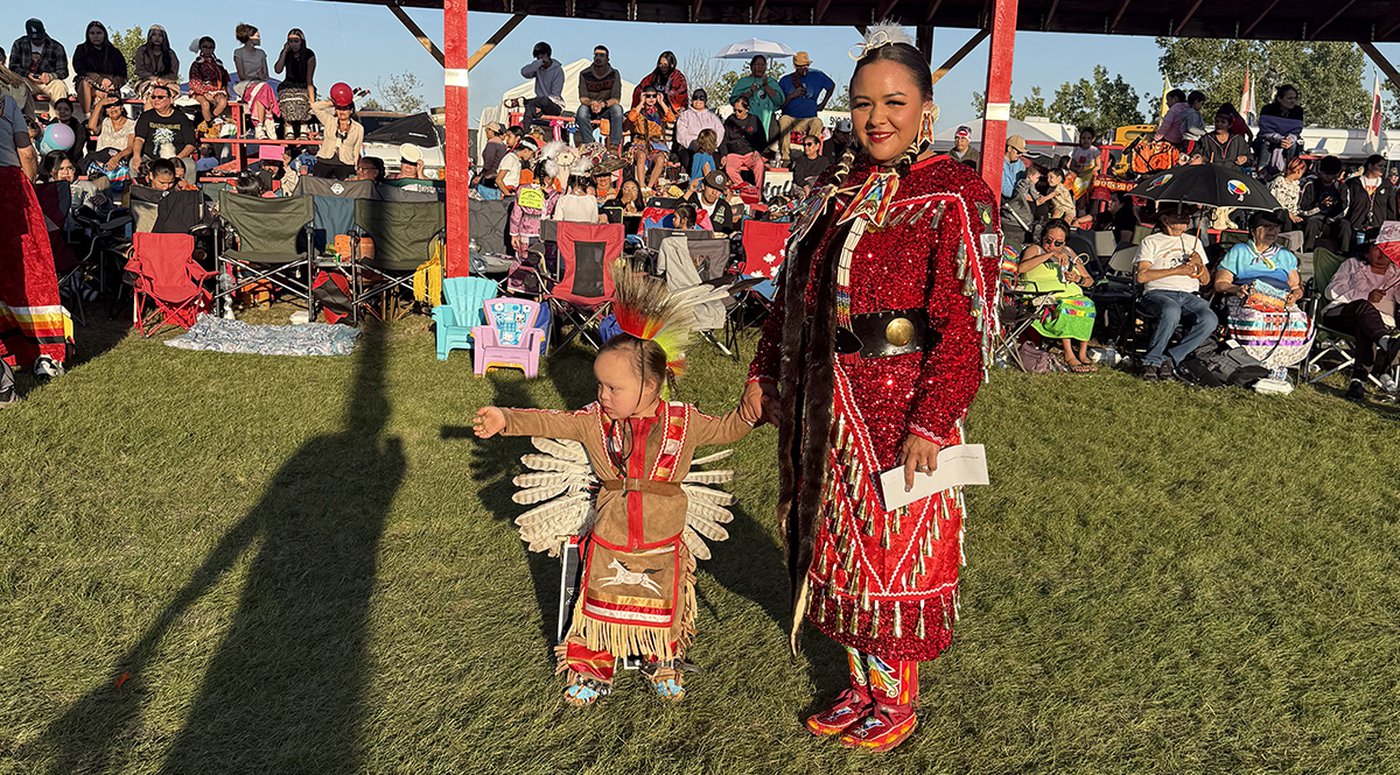
Beloved on the powwow circuit, young boy’s connection to the drum inspires
Now four, Waseskwan Redcrow was dancing ‘before he could even fully walk’ — his family says participating in powwows has brought them joy and belonging
-
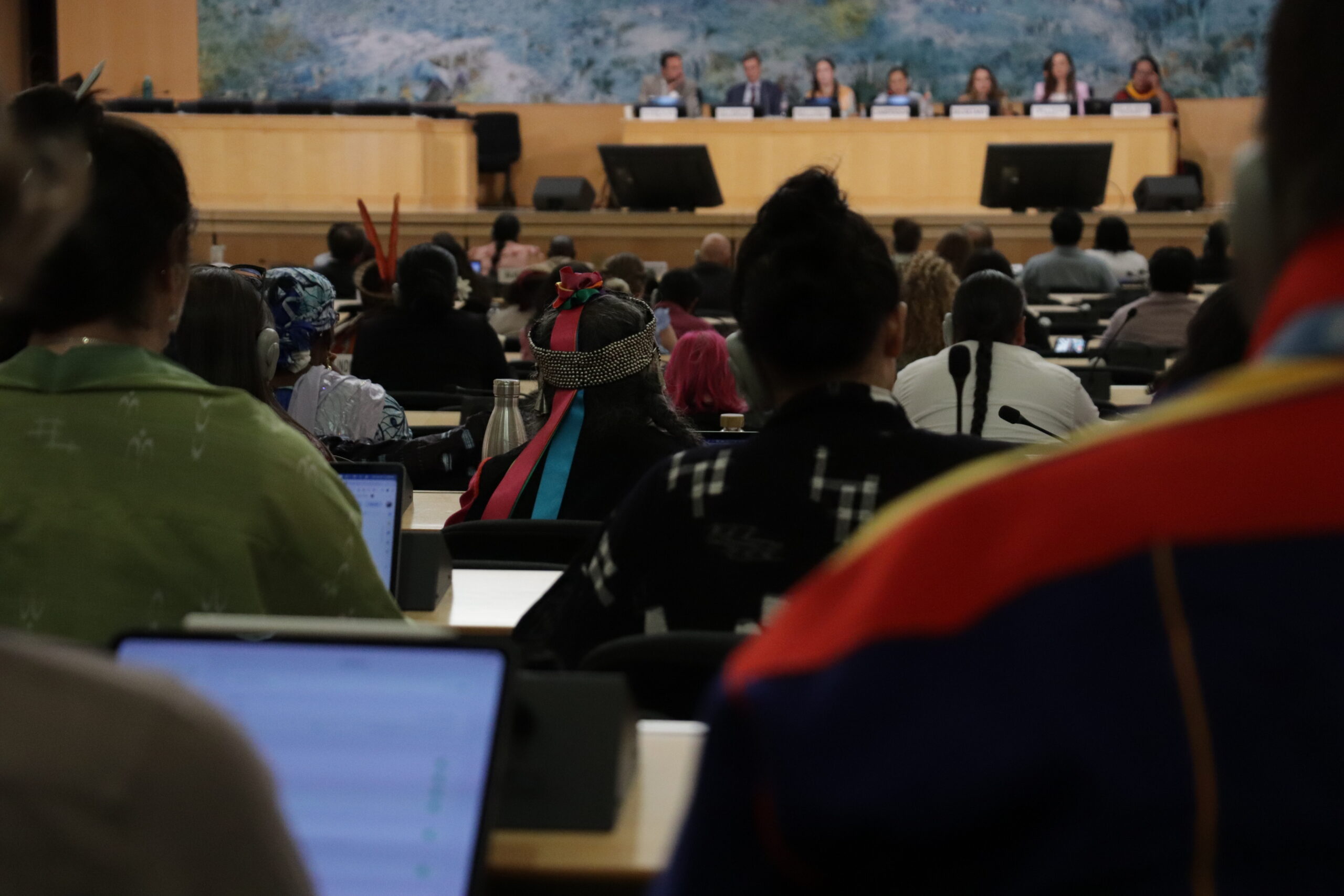
Indigenous leaders give the UN a roadmap for protecting their peoples
Amidst prayers and vows of solidarity, UN Expert Mechanism on the Rights of Indigenous Peoples ends annual meetings with demands for ‘action we’re not seeing globally’