Bringing Indigenous perspectives to the centre of health practitioner training
UBC’s Indigenous Public Health certificate program offers timely and important resources to reduce harm and include Indigenous perspectives in public health in B.C.
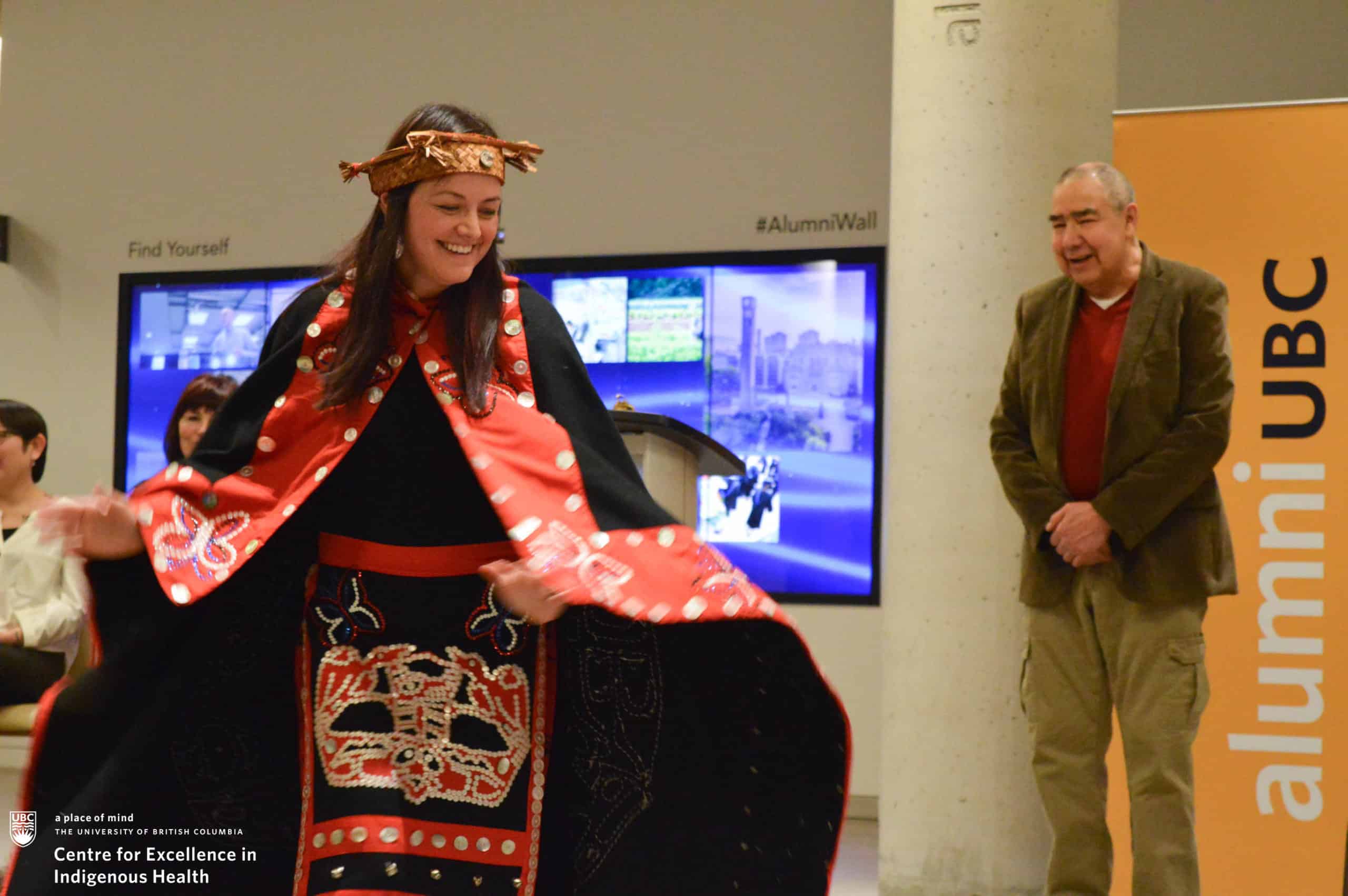
Like many academic programs, due to COVID-19 regulations, the University of British Columbia’s (UBC) Indigenous Public Health certificate program, which works to include Indigenous perspectives into the healthcare system, has shifted online this year.
There are eight one-week intensive courses. They are offered two at a time, twice a year, by the UBC’s Centre for Excellence in Indigenous Health, explains Program Manager Rhonda Carriere.
The centre has a mandate to raise the health status and self-determination of Indigenous communities. For Carriere, who’s Métis from Red River, inclusion is an essential part of their work.
“Our real aim is to make a bridge for people who maybe haven’t had the same opportunities,” says Carriere.
Normally, the program is held in person, at the UBC campus, but the Winter Institute 2021 will run online from February 15th to the 19th.
The program works to decrease barriers Indigenous Peoples face when entering the healthcare field, explains Carriere. The training also seeks to address multiple, intersecting Calls to Action from the Truth and Reconciliation Commission of Canada, including number 23, which calls for increased numbers of Indigenous health practitioners.
The program’s courses cover core disciplines in public health, but are approached through Indigenous experiences and perspectives.
Students learn about the historic and ongoing health disparities and inequities faced by Indigenous populations, in order to build “applied and theoretical knowledge affirming Indigenous rights to self-determination in relation to health services, research and program development,” the program website states.
“Pandemics in Indigenous Communities: Before, during and after COVID-19,” has been added to the curriculum, as well as revamped summer courses: “Introduction to Indigenous Health Research Ethics” and “Social Determinants of Indigenous Health.”

‘We need Indigenous leadership in healthcare’
The program is one part of the vision of co-director Dr. Nadine Caron who’s an Anishinaabekwe (Anishinaabe woman) from Sagamok First Nation.
Caron says the program is meant to bring Indigenous community members, leaders and health professionals together, to learn through dialogue and public health perspectives.
“For our health care to be responsive to Indigenous peoples in Canada, I think we need our specific direction coming from Indigenous communities,” she says.
This, just as a recent investigation confirms “widespread and insidious” problems of prejudice and racism in the B.C. healthcare system.
“We need lndigenous leadership embedded within our healthcare system,” Caron adds during an address to the B.C. Patient Quality Council’s series of Health Talks. “This is needed in the evolution of healthcare in order for reconciliation between Canada and Indigenous Peoples.”
Caron says Indigenous communities will trust in the healthcare system, when they can identify with leaders in formal positions, that are Indigenous.
“I tell my daughter, despite residential schools, assimilation policies, broken treaties, that we’re still here,” adds Caron. “We are still here, and we are expecting the results that generations before us fought for.”
During a UBC Learning Circle, one of the program’s graduates, Linda Jones, from the ‘Namgis First Nation, echoes the idea that “inclusion matters.”
“It creates this support system, you feel so included, everybody is so welcoming, and it’s just an amazing feeling. Because of that, now I’m on this clear path of what I wanted to do and how I needed to do it,” she says.
Jones is in the process of becoming a doula, also known as a birth worker, for expecting parents. She says the Indigenous Public Health program helped her weave her previous education into something she could offer to Indigenous communities.
Jones hopes this program will “get more people out there that’ll help create change for all Indigenous people.”
Author
We live in a media ecosystem that thrives on misinformation. Big Tech and AI companies are consuming the work of real human beings and Canadian news has been banned on Facebook and Instagram.
And yet, I have hope for journalism because of the work we’re doing at IndigiNews.
At IndigiNews, we embody tâpwêwin — the Cree value of integrity and responsibility in truth-telling. We are committed to our independent, Indigenous-led newsroom rooted in community, accountability, and relationality. We believe storytelling is a sacred fire that connects our pasts, presents, and futures through the storytellers in our Storytelling Lodge. IndigiNews creates space for Indigenous journalists, storytellers, Knowledge Keepers, and communities to gather, learn, and share stories that matter.
As a registered charity, we are building a fire that allows our work not just to ignite but to thrive. Rather than relying on advertising or corporate acquisition, IndigiNews is sustained by people like you who believe Indigenous stories are important for the future of our communities.
Your support is making a real difference.
Our community of supporters, our Firekeepers, make it possible to grow our newsroom, publish award-winning journalism, train emerging Indigenous journalists through initiatives like the ReFocus Photojournalism Fellowship, and publish trustworthy stories that serve our communities across the country. Every story we publish helps fill in gaps left by mainstream media and ensures Indigenous perspectives are represented with care, accuracy and respect.
But there is still more work to do.
As the media landscape becomes more and more uncertain, community support is as necessary and essential as it’s ever been. Every new Firekeeper helps protect the independence of our newsroom and strengthens journalism that is accountable to our many and varied communities over corporations.
That’s why we’re inviting you to become a Firekeeper.
Firekeepers tend to and protect the sacred fire. Your monthly contributions directly support IndigiNews’s Storytelling Lodge, helps sustain our independent, Indigenous-led newsroom, and ensures future generations of Indigenous storytellers have the resources they need to do the work.
As a registered Canadian charity, all eligible donations receive a charitable tax receipt.
If you believe Indigenous stories matter, if you value independent journalism, and if you want to help build a strong future for Indigenous media, we invite you to join our circle of Firekeepers today.
Together, we can keep the fire burning.
— Eden Fineday, Publisher, IndigiNews
Support us nowLatest Stories
-
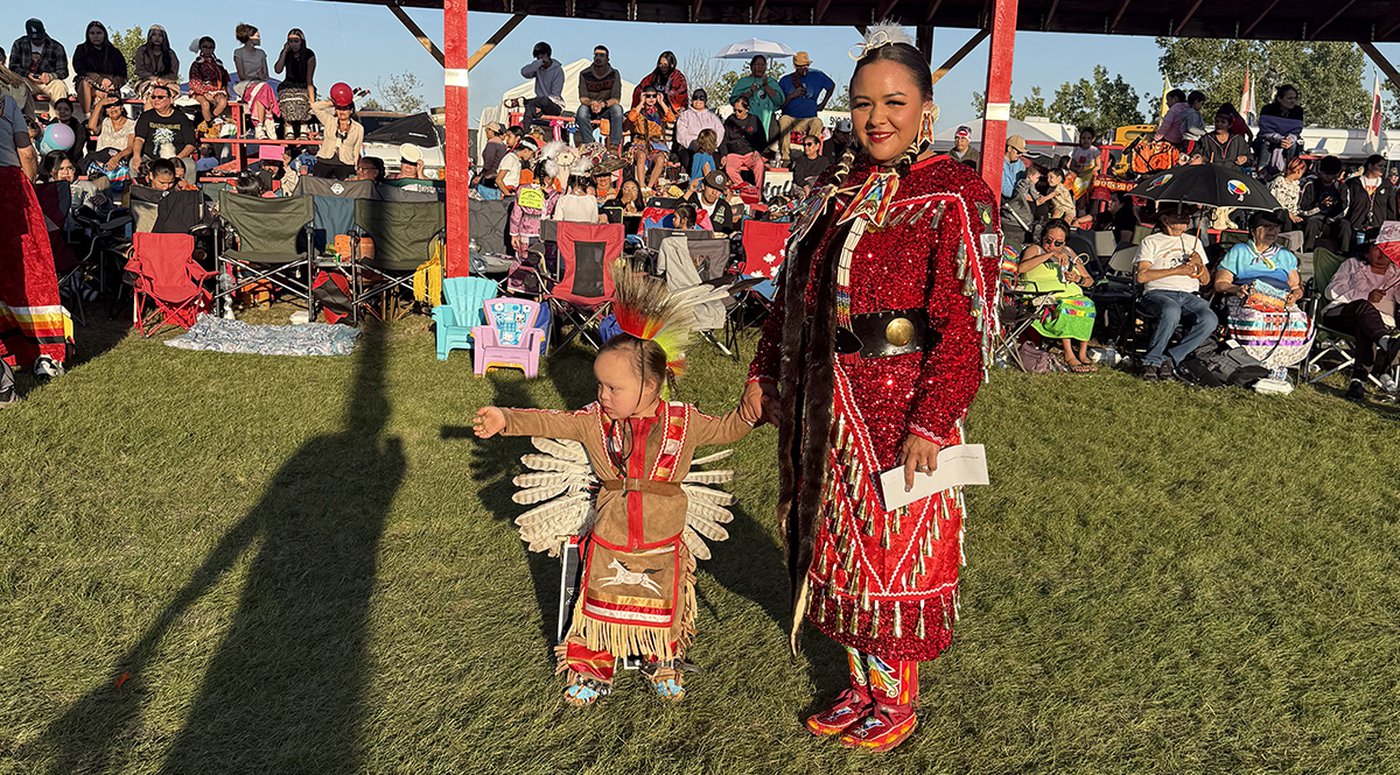
Beloved on the powwow circuit, young boy’s connection to the drum inspires
Now four, Waseskwan Redcrow was dancing ‘before he could even fully walk’ — his family says participating in powwows has brought them joy and belonging
-
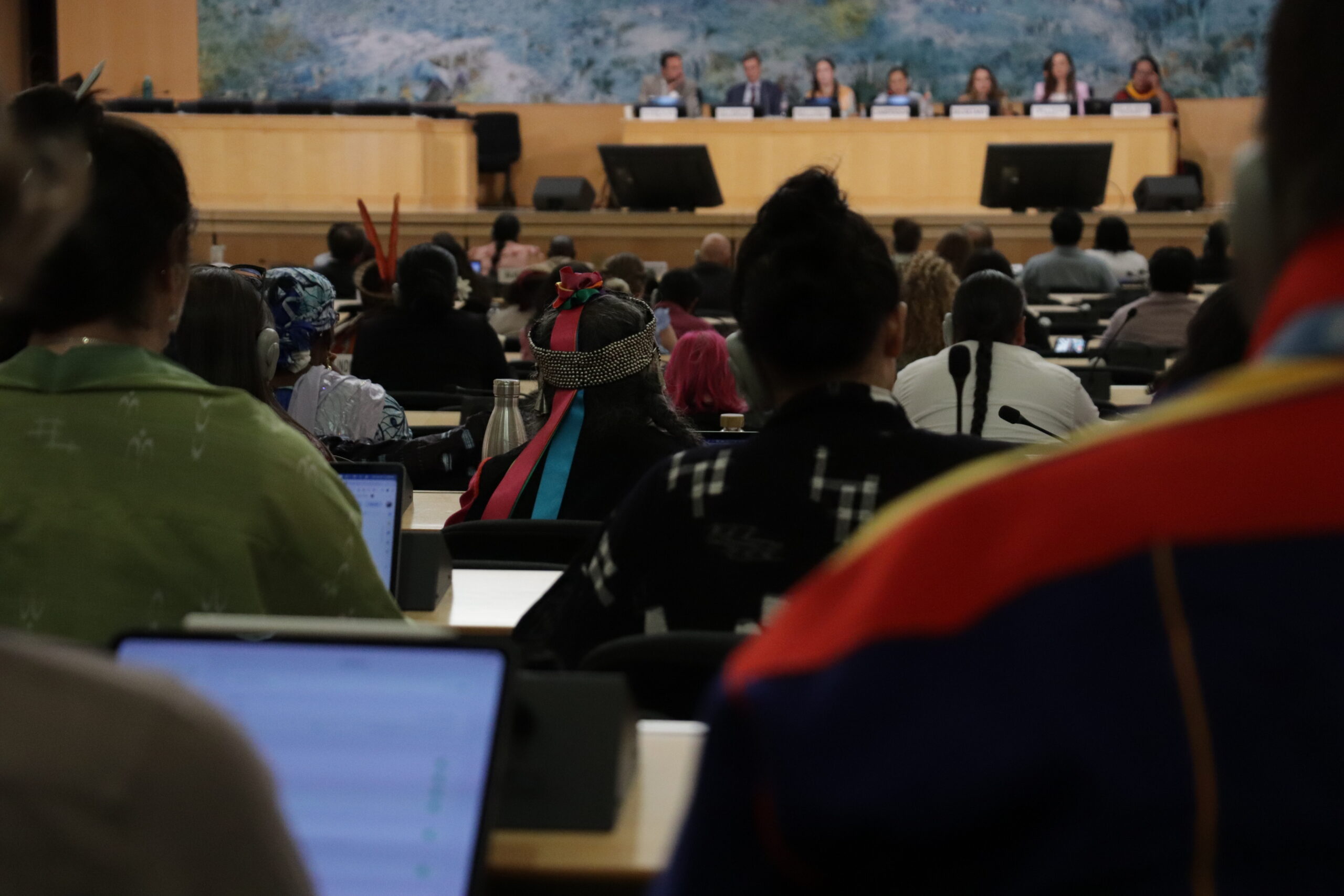
Indigenous leaders give the UN a roadmap for protecting their peoples
Amidst prayers and vows of solidarity, UN Expert Mechanism on the Rights of Indigenous Peoples ends annual meetings with demands for ‘action we’re not seeing globally’