The Lhoosk’uz Dené village near Quesnel celebrates clean drinking water
Community worked with UBC and RESEAU Centre for Mobilizing Innovation to develop sustainable water source.

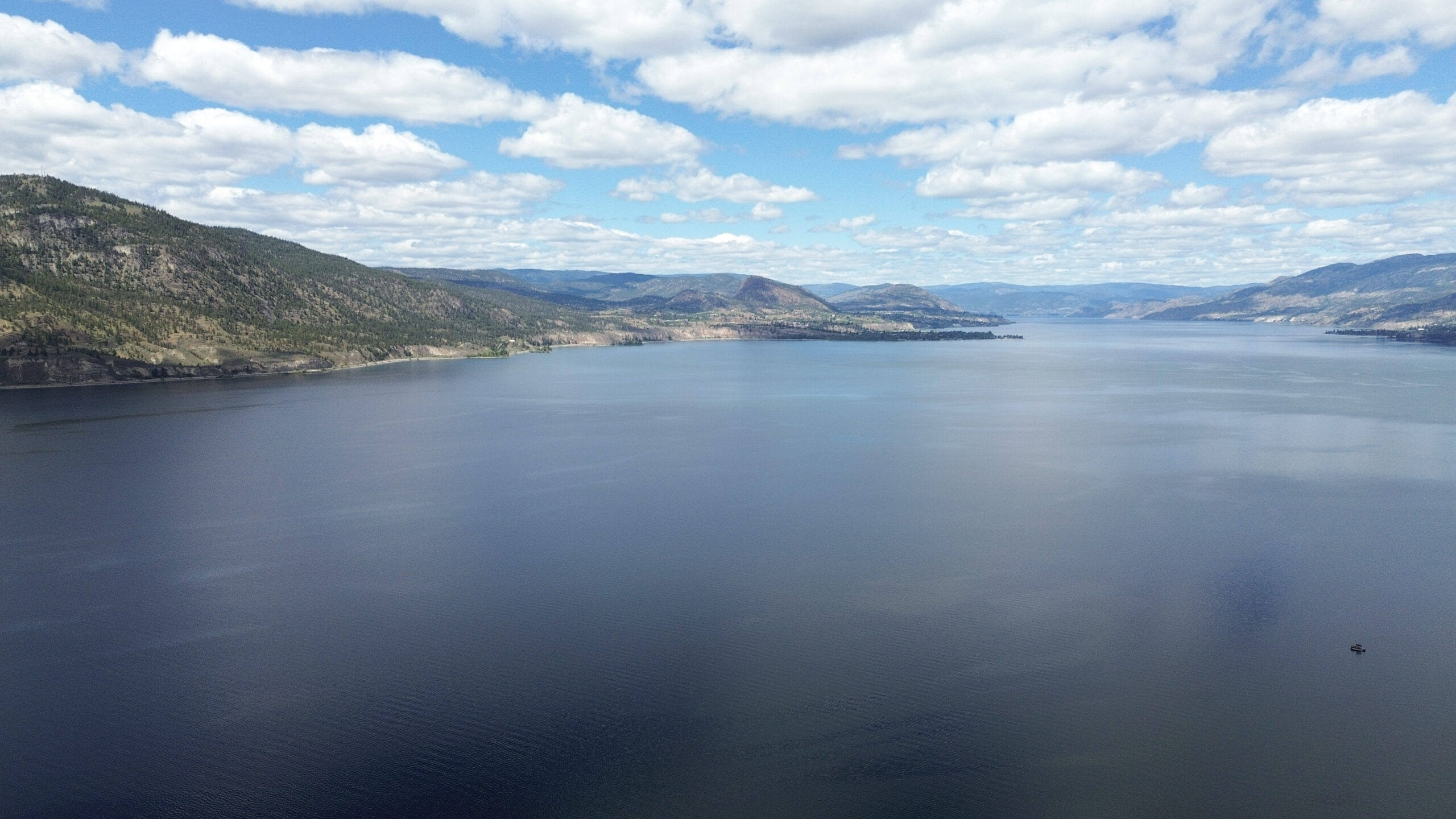
The Lhoosk’uz Dené village, located 200 kilometres west of Quesnel on Kluskus Lake, now has clean drinking water — for the first time in 20 years.
The remote village of about 50 people has relied on bottled water to supply their household and everyday needs.
“We’re so off-grid that many people don’t even know where we are. Even the nearest hospital is three hours away,” says Chief Liliane Squinas in a July 13 statement from the University of British Columbia (UBC).
In 2008, the community received its first road access — a single logging road.
“The community had no road access prior,” says Madjid Mohseni, a UBC professor in chemical and biological engineering.
This meant connecting to municipal clean drinking water was nearly impossible. Hence, community members drew water from a very shallow well that had an inferior water source that was subject to E.coli contamination.
But that has now changed after UBC and the RESEAU Centre for Mobilizing Innovation collaborated to build a sustainable water treatment plant, designed especially for community needs.
“We had to do things differently. And now, what was just a dream many years ago is reality,” Chief Squinas says.
A community-led innovation
In 2014, the Lhoosk’uz Dené members reached out to UBC’s faculty of applied science and the RESEAU Centre for Mobilizing Innovation.
“When they reached us, they explained that they have no hydro or electricity and their existing water was of a very poor quality,” Mohseni tells IndigiNews. “All the residents were very concerned and not very happy with where the location of those wells were.”
Initially, the wells drilled for the community ended up being in a very culturally sensitive location, Mohseni says. In addition, they were located on a historic burial ground.
The team listened to the community’s concerns to develop the appropriate treatment plan, he explains. The program took a community-based approach, known as “Community Circle.”
Lhoosk’uz Dené members fully participated in the development of the treatment plant, giving direction through extensive community engagement initiatives with Elders, according to Mohseni.
During the multi-year collaboration with UBC, more than a dozen student interns helped to research the best possible water source, based on the Lhoosk’uz Dené community’s traditional values and priorities.
“Our students were very involved in the process,” Mohseni says. “They went there multiple times. We evaluated over the years, multiple sources of water from lakes, from creeks and also other sources of groundwater.”
Mohseni says it’s important for students to “understand the injustices that have been done in Indigenous communities,” and to be a meaningful part of a reconciliation process.
“I’m really happy that we are able to provide that to our students, because these are the ones who will be the leaders in industry and government in future years.”
A sustainable treatment process
The treatment system is from a groundwater source, which relies primarily on ultraviolet light, paired with chlorine disinfection, to ensure clean drinking water free of harmful microbes.
“The groundwater source itself has a very good quality. It doesn’t have many minerals that might be harmful to health and also doesn’t give the water a poor taste,” Mohseni explains.
The setup is simple and can be operated easily. It is designed not to break down quickly, with an estimated lifespan of at least 15 to 20 years, with minimal maintenance, he explains.
Since the treatment system began operating in May, the community has been monitoring the water supply quality and has seen excellent results.
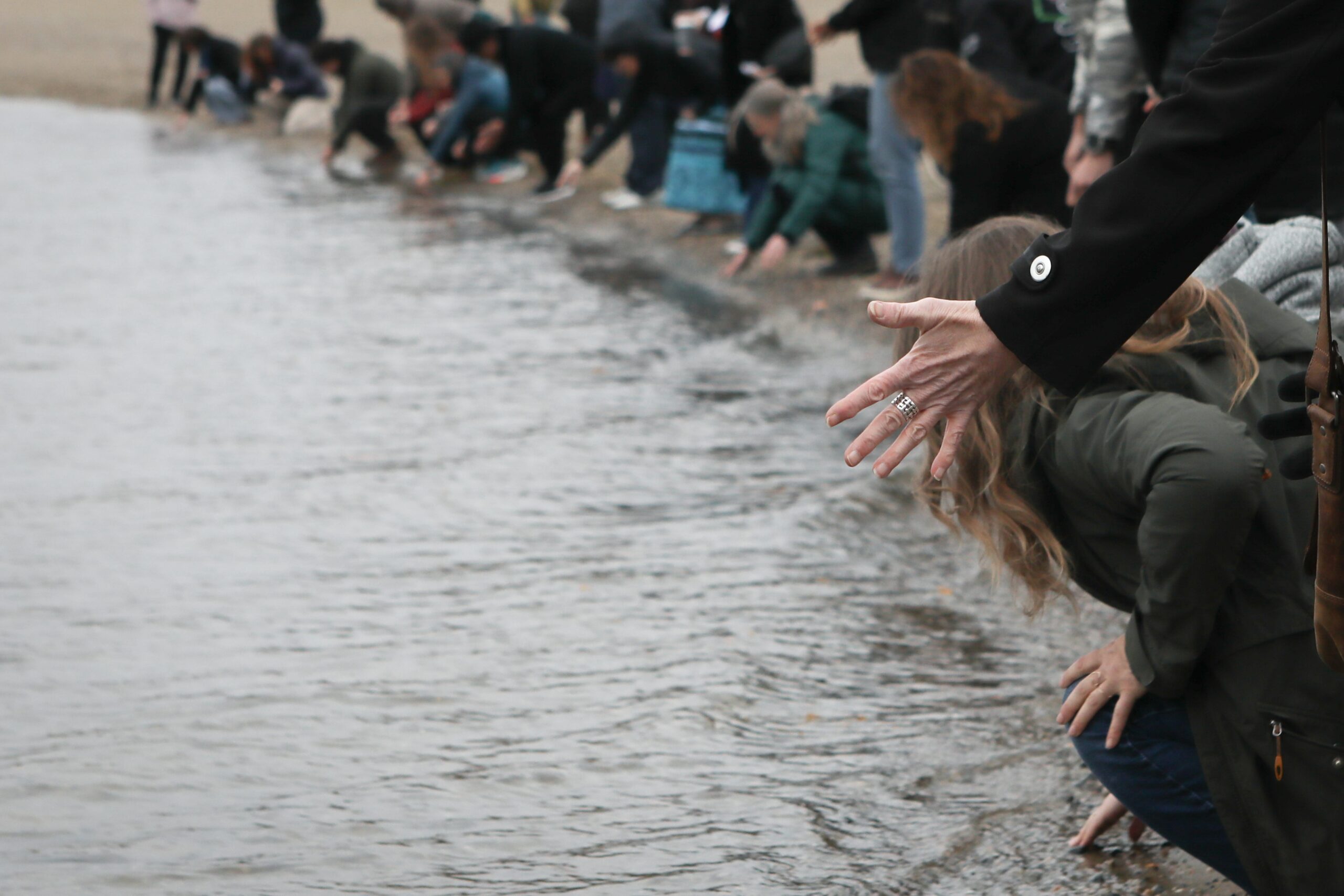
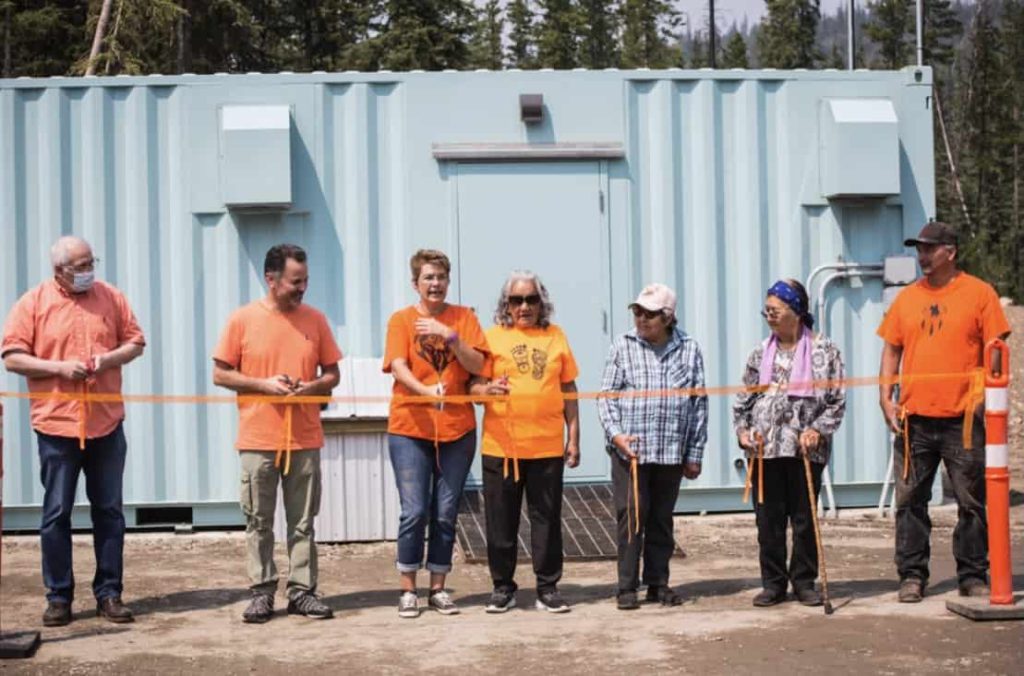
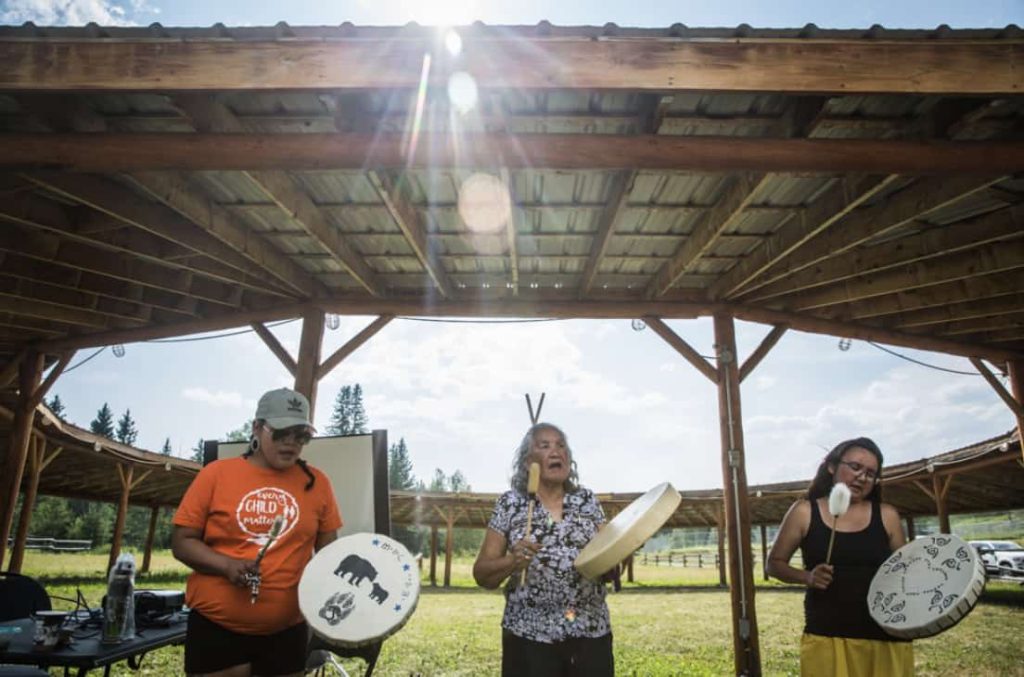
On July 13, the Lhoosk’uz Dené community had a water celebration of their achievement, inviting all the partners to participate.
“I was happy and honoured to be part of it, and to be invited to share that moment with them,” says Mohseni. “You could see in their faces that they were very proud of what they achieved.”
Glasses engraved with the phrase “Too bets`huna,” (We live by water) were made by band manager Brenda Thomas to celebrate the treatment plant opening.
“As the Elders took their first sips, I had to hold back tears as reality hit me,” she told UBC. “We’d done it, after years of waiting, after hundreds of conference calls and numerous forest fires and despite being in the middle of a pandemic. We were resilient and persevered.”
Mohseni says he’s looking forward to working with other communities throughout the province and through the country, to help address water-related problems.
“The whole credit should go to the community. They are the ones who persevered through all the challenges,” he says.
Author
We live in a media ecosystem that thrives on misinformation. Big Tech and AI companies are consuming the work of real human beings and Canadian news has been banned on Facebook and Instagram.
And yet, I have hope for journalism because of the work we’re doing at IndigiNews.
At IndigiNews, we embody tâpwêwin — the Cree value of integrity and responsibility in truth-telling. We are committed to our independent, Indigenous-led newsroom rooted in community, accountability, and relationality. We believe storytelling is a sacred fire that connects our pasts, presents, and futures through the storytellers in our Storytelling Lodge. IndigiNews creates space for Indigenous journalists, storytellers, Knowledge Keepers, and communities to gather, learn, and share stories that matter.
As a registered charity, we are building a fire that allows our work not just to ignite but to thrive. Rather than relying on advertising or corporate acquisition, IndigiNews is sustained by people like you who believe Indigenous stories are important for the future of our communities.
Your support is making a real difference.
Our community of supporters, our Firekeepers, make it possible to grow our newsroom, publish award-winning journalism, train emerging Indigenous journalists through initiatives like the ReFocus Photojournalism Fellowship, and publish trustworthy stories that serve our communities across the country. Every story we publish helps fill in gaps left by mainstream media and ensures Indigenous perspectives are represented with care, accuracy and respect.
But there is still more work to do.
As the media landscape becomes more and more uncertain, community support is as necessary and essential as it’s ever been. Every new Firekeeper helps protect the independence of our newsroom and strengthens journalism that is accountable to our many and varied communities over corporations.
That’s why we’re inviting you to become a Firekeeper.
Firekeepers tend to and protect the sacred fire. Your monthly contributions directly support IndigiNews’s Storytelling Lodge, helps sustain our independent, Indigenous-led newsroom, and ensures future generations of Indigenous storytellers have the resources they need to do the work.
As a registered Canadian charity, all eligible donations receive a charitable tax receipt.
If you believe Indigenous stories matter, if you value independent journalism, and if you want to help build a strong future for Indigenous media, we invite you to join our circle of Firekeepers today.
Together, we can keep the fire burning.
— Eden Fineday, Publisher, IndigiNews
Support us nowLatest Stories
-
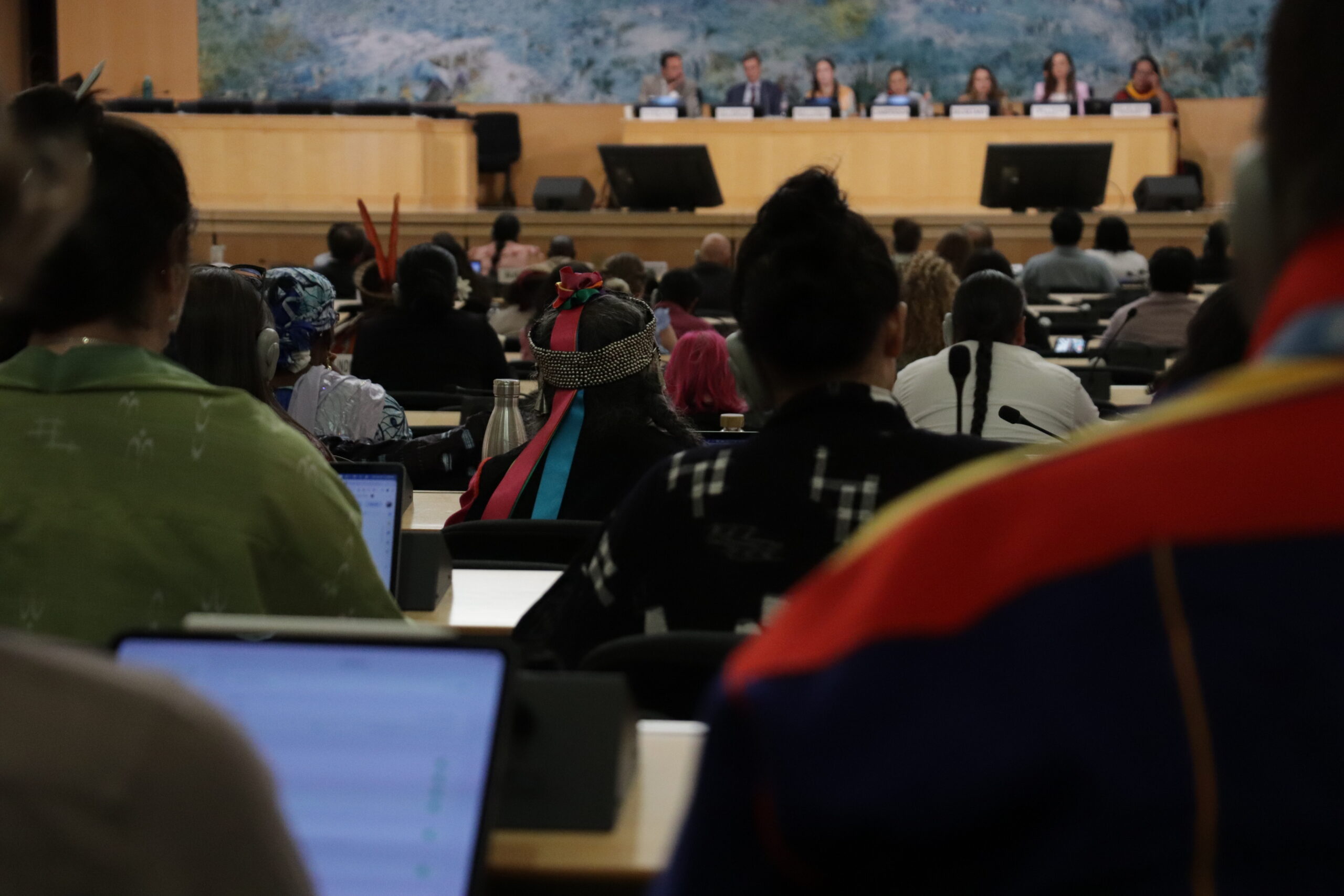
Indigenous leaders give the UN a roadmap for protecting their peoples
Amidst prayers and vows of solidarity, UN Expert Mechanism on the Rights of Indigenous Peoples ends annual meetings with demands for ‘action we’re not seeing globally’
-
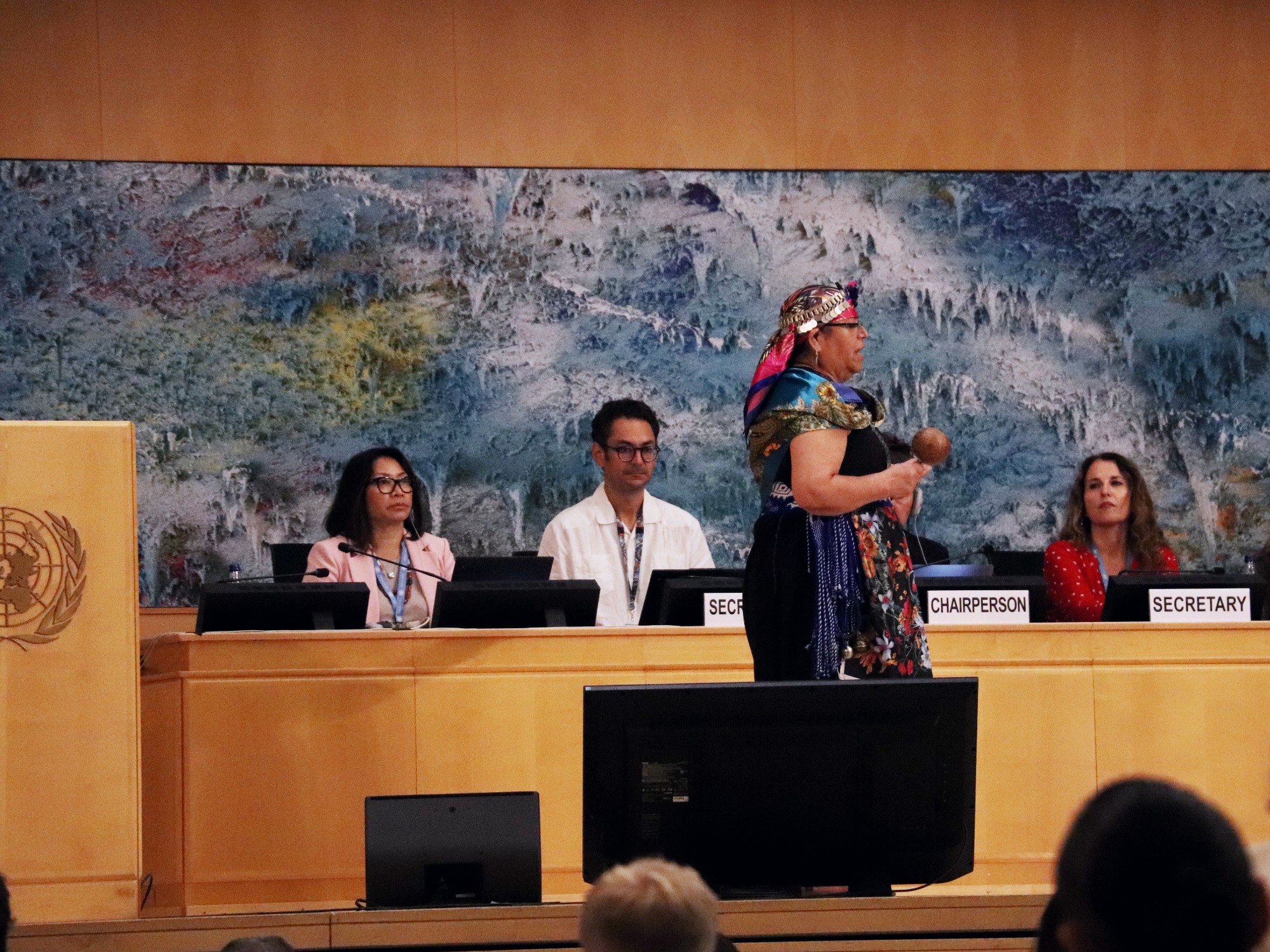
Indigenous people demand more say at the UN, as new crises hit their homelands
Indigenous nations live ‘on the frontlines’ of climate, conflict and new tech. But their voices remain sidelined in the global halls of power.