Embrace culture in times of loss and grief, says Syilx mental health worker
‘We are grieving 215 deaths … I just pray we never have to do this again,’ says Kim Montgomery of ONA.

This article contains content about residential “schools” that may be triggering. A National Indian Residential School Crisis Line has been set up to provide support for former students and those affected. Access emotional and crisis referral services by calling the 24-hour national crisis line: 1-866 925-4419. The KUU-US Crisis Line Society also offers 24-7 support at 250-723-4050 for adults, 250-723-2040 for youth, or toll free at 1-800-588-8717.
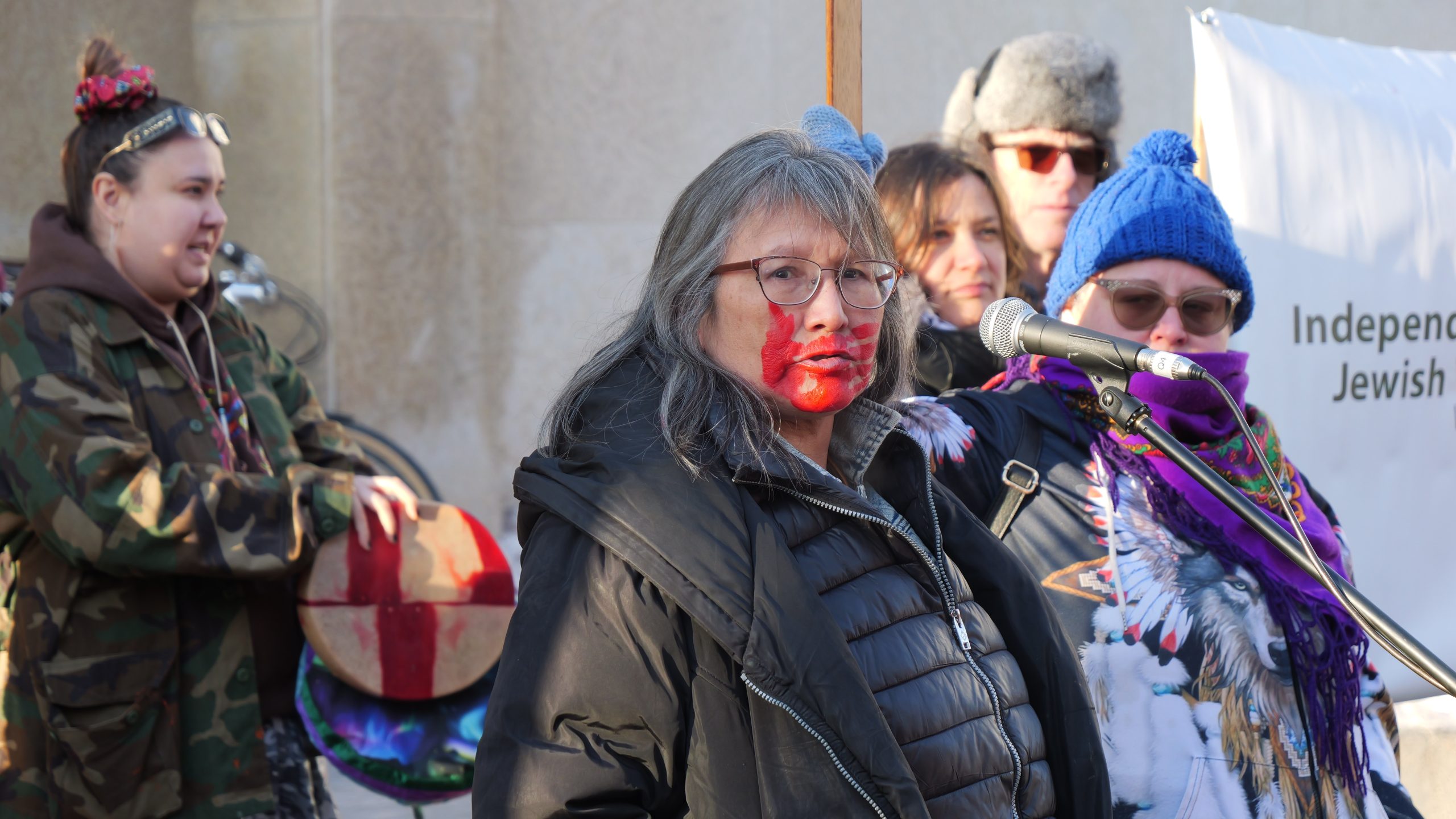
Kim Montgomery and Charlotte Whitehead of the Okanagan Nation Alliance (ONA) are embracing their culture and honouring grief protocols as sqilxw women as they strive to hold up a community steeped in grief.
“We aren’t just feeling one death, we are feeling 215 deaths, 215 at the same time,” says Kim, in reference to the news about the children’s remains found on the former grounds of a church-run institution known as Kamloops Indian Residential School (KIRS).
“We have never done that as a people. I just pray we never have to do this again,” she tells IndigiNews.
KIRS was run by the Roman Catholic Church from 1890 until 1969, when the federal government took over administration of the “school,” according to the Indian Residential School History and Dialogue Centre (IRSHDC) at the University of British Columbia. It was closed in 1978.
On May 27, Kúkpi7 (Chief) Rosanne Casimir of the Tk’emlúps te Secwe̓pemc announced that ground-penetrating radar had revealed the remains of 215 children on KIRS’ former grounds. These children were casualties of a genocidal system designed by the Canadian government to destroy Indigenous families.
Under this system “an estimated 150,000 First Nations, Métis, and Inuit children were removed from their families, homes, languages, and lands” and placed in institutions, according to the IRSHDC.
The ONA Okanagan Nation Response Team (ONRT) or Sәx kәnxit әlx (Those Who Help) is “a team of community members who have received extensive training in the areas of suicide education, community mobilization, and critical incident response.”
“Most of our team members have been affected by the findings so most of our team members are taking the time to process and take care of themselves,” says Charlotte, the team’s senior coordinator.
The folks who are able to offer support are going into community to speak with people, smudging them down, and sending out information packages about self-care, she says.
“It’s been pretty busy,” says Charlotte, who is a member of Opaskwayak Cree Nation.
“When our community resources are triggered and they cannot respond to community then we’re in trouble,” she says. “There’s only so much we can do, which is why it needs to go back to the community.”
‘We have everything we need’
Kim is ONA’s mental health lead. She believes this is a monumental time for the Syilx people to recall their teachings and remember who they are.
“We have the skills in our communities to take care of our people,” she says, adding that in her mind ONRT was borne out of the Syilx people’s frustration with the inability of outsiders to provide culturally-appropriate care.
“They don’t know us. They don’t know how we are when we’re grieving. They don’t know how to talk to us when we’re grieving.”
ONRT was created to care for the grief of the Syilx people. Kim shares that it’s hard for people to trust in the old ways, in ceremony and the healing power it holds, due to the impacts of colonization.
“We forget we have the timxw, we have ceremony, we have the sweat, we have the water, we have rose bush. We have all the things we do in our grief work. We can cut our hair. There are so many things we can do that help us that Kwulenchuten gave us — we have everything we need,” she says.
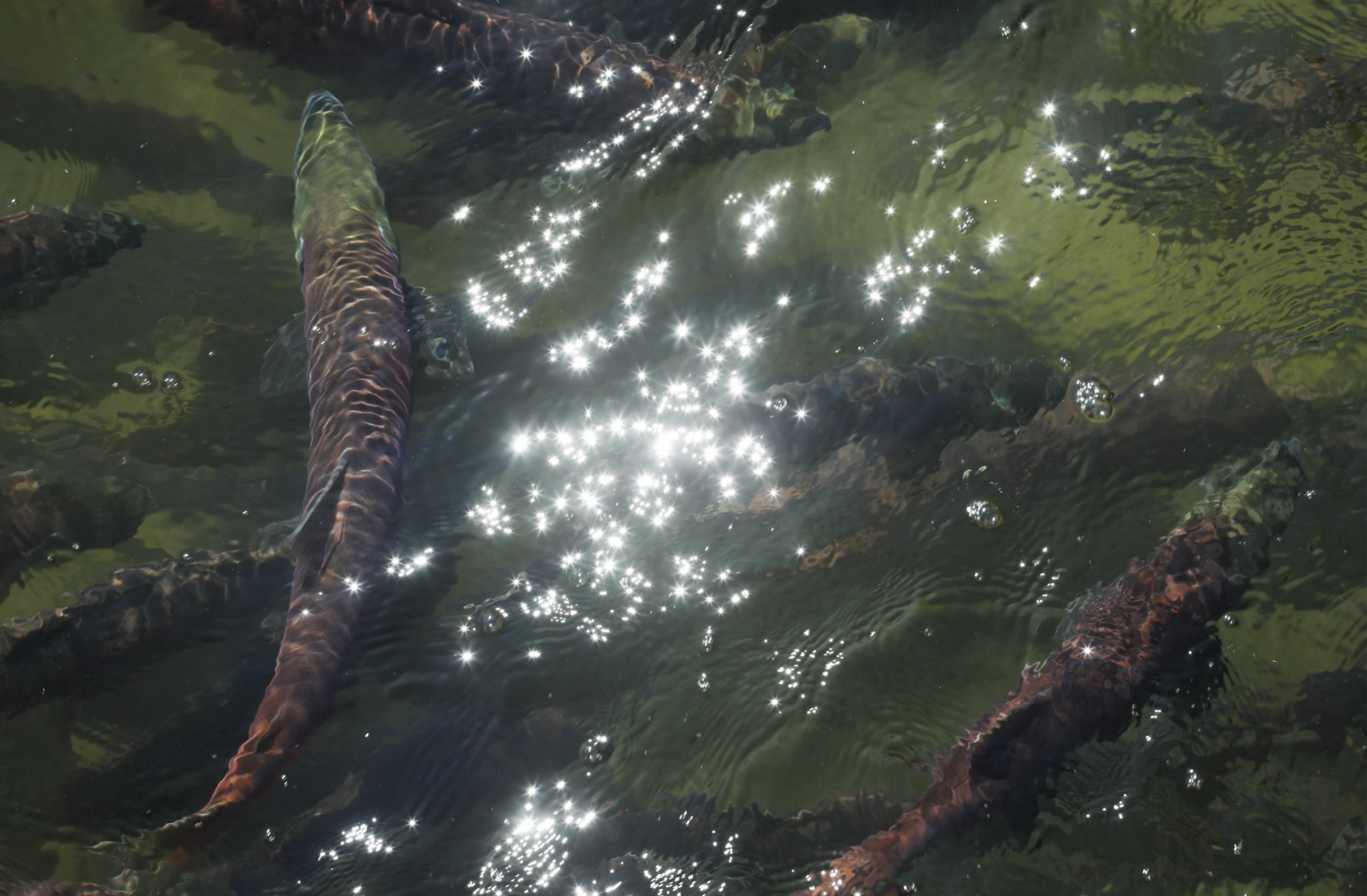
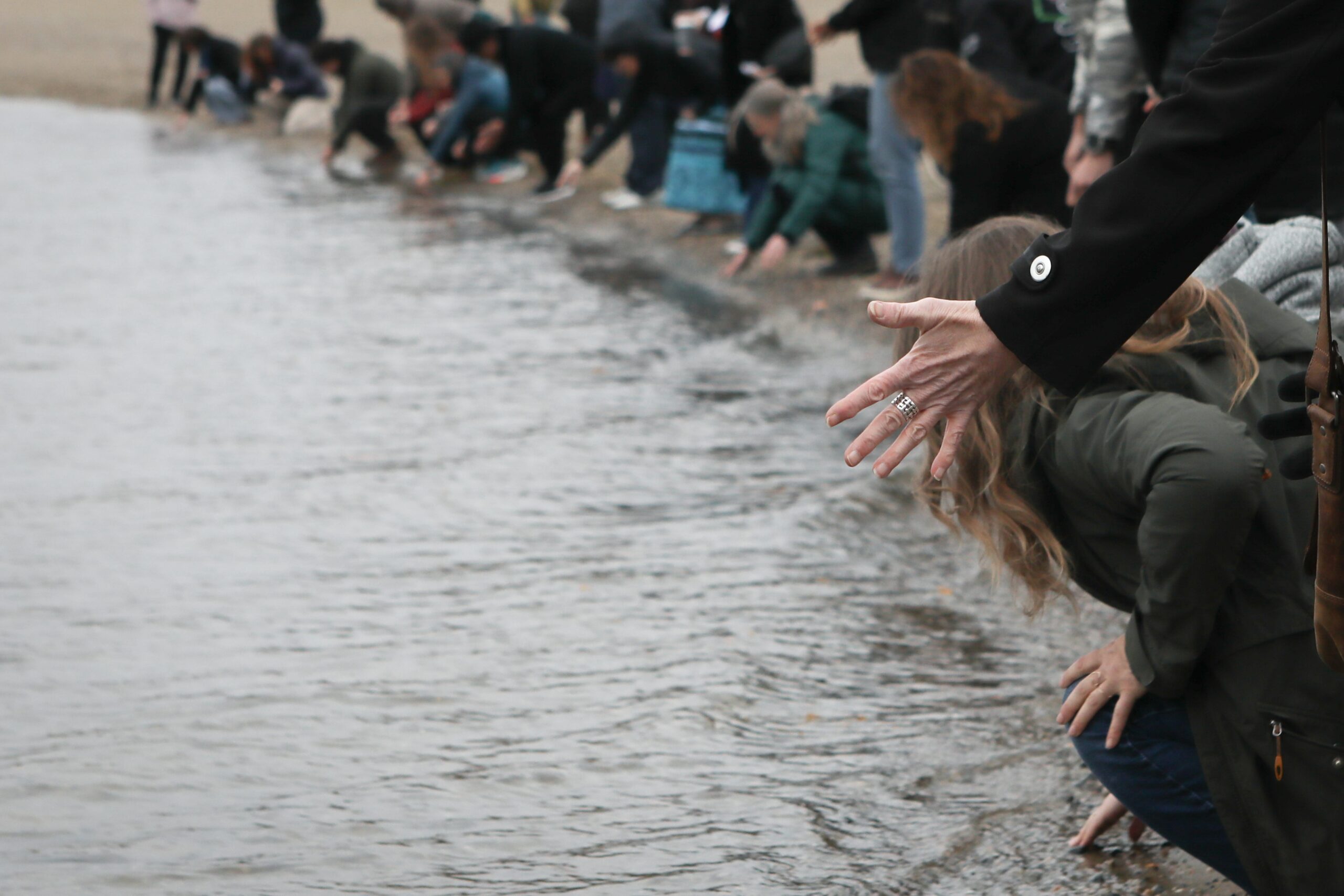
“You must believe that water is medicine. You have to believe those grandfather rocks have power. You have to believe that water can take your pain away. You have to believe that water can bless you. You have to believe that water is here to take care of you, and it’s alive,” Kim reminds the people.
It’s not just about how we care for one another, but also how we care for ourselves, she adds.
“Asking for help is courageous because then you are stronger for your family,” she says.
“The only way we can get through this is by feeling, otherwise it will continue to show up through addictions, whether that be gambling, addiction, whatever addiction that is.
“It’s going to hurt.”
‘They know we’re ready’
Kim says she believes the Ancestors wouldn’t have revealed themselves if they didn’t feel the people were ready.
“There is a reason [the children] are showing themselves to us right now,” she says.
“They know we’re ready right now and that we can take care of this … This is just another level of healing we have to do.”
She encourages people to trust in Kwulenchuten (Creator), to not “sit in the ‘why’ of it” or give power to the voice that says we’ll never get through this.
”Because we will. We always do. We have no choice other than to keep moving,” she shares with strength in her voice.
It’s also imperative that we remember those impacted by the effects of this, Kim shares.
“A lot of people are being triggered,” she says. “They don’t even need to have gone to residential school — they can see sadness around them, they can see their mom crying, they can see addictions rising around them. We can’t forget those ones.”
“I hear people speak of they never had a mom, they never had that, because they were so destroyed by the residential ‘school’ they were cheated out of parents, they were cheated out of grandparents,” she shares.
Remember who you are as Syilx people, she says, and reach out for help.
“Feel it, move through it, be sad, be mad, be angry, but then take care of it — because we have work to do,” she says.
________________________________________________________________________
EDITOR’S NOTE: IndigiNews used first names to refer to people in this story out of respect for residential “school” survivors. We understand that some survivors have negative associations with last names as a result of their use in these so-called residential “schools.”
Author
We live in a media ecosystem that thrives on misinformation. Big Tech and AI companies are consuming the work of real human beings and Canadian news has been banned on Facebook and Instagram.
And yet, I have hope for journalism because of the work we’re doing at IndigiNews.
At IndigiNews, we embody tâpwêwin — the Cree value of integrity and responsibility in truth-telling. We are committed to our independent, Indigenous-led newsroom rooted in community, accountability, and relationality. We believe storytelling is a sacred fire that connects our pasts, presents, and futures through the storytellers in our Storytelling Lodge. IndigiNews creates space for Indigenous journalists, storytellers, Knowledge Keepers, and communities to gather, learn, and share stories that matter.
As a registered charity, we are building a fire that allows our work not just to ignite but to thrive. Rather than relying on advertising or corporate acquisition, IndigiNews is sustained by people like you who believe Indigenous stories are important for the future of our communities.
Your support is making a real difference.
Our community of supporters, our Firekeepers, make it possible to grow our newsroom, publish award-winning journalism, train emerging Indigenous journalists through initiatives like the ReFocus Photojournalism Fellowship, and publish trustworthy stories that serve our communities across the country. Every story we publish helps fill in gaps left by mainstream media and ensures Indigenous perspectives are represented with care, accuracy and respect.
But there is still more work to do.
As the media landscape becomes more and more uncertain, community support is as necessary and essential as it’s ever been. Every new Firekeeper helps protect the independence of our newsroom and strengthens journalism that is accountable to our many and varied communities over corporations.
That’s why we’re inviting you to become a Firekeeper.
Firekeepers tend to and protect the sacred fire. Your monthly contributions directly support IndigiNews’s Storytelling Lodge, helps sustain our independent, Indigenous-led newsroom, and ensures future generations of Indigenous storytellers have the resources they need to do the work.
As a registered Canadian charity, all eligible donations receive a charitable tax receipt.
If you believe Indigenous stories matter, if you value independent journalism, and if you want to help build a strong future for Indigenous media, we invite you to join our circle of Firekeepers today.
Together, we can keep the fire burning.
— Eden Fineday, Publisher, IndigiNews
Support us nowLatest Stories
-
Indigenous leaders give the UN a roadmap for protecting their peoples
Amidst prayers and vows of solidarity, UN Expert Mechanism on the Rights of Indigenous Peoples ends annual meetings with demands for ‘action we’re not seeing globally’
-
Indigenous people demand more say at the UN, as new crises hit their homelands
Indigenous nations live ‘on the frontlines’ of climate, conflict and new tech. But their voices remain sidelined in the global halls of power.