More Indigenous representation needed in schools
An ‘equity scan’ parent survey is just one step toward improving success for Indigenous students in the Greater Victoria School District, says Samantha Mason
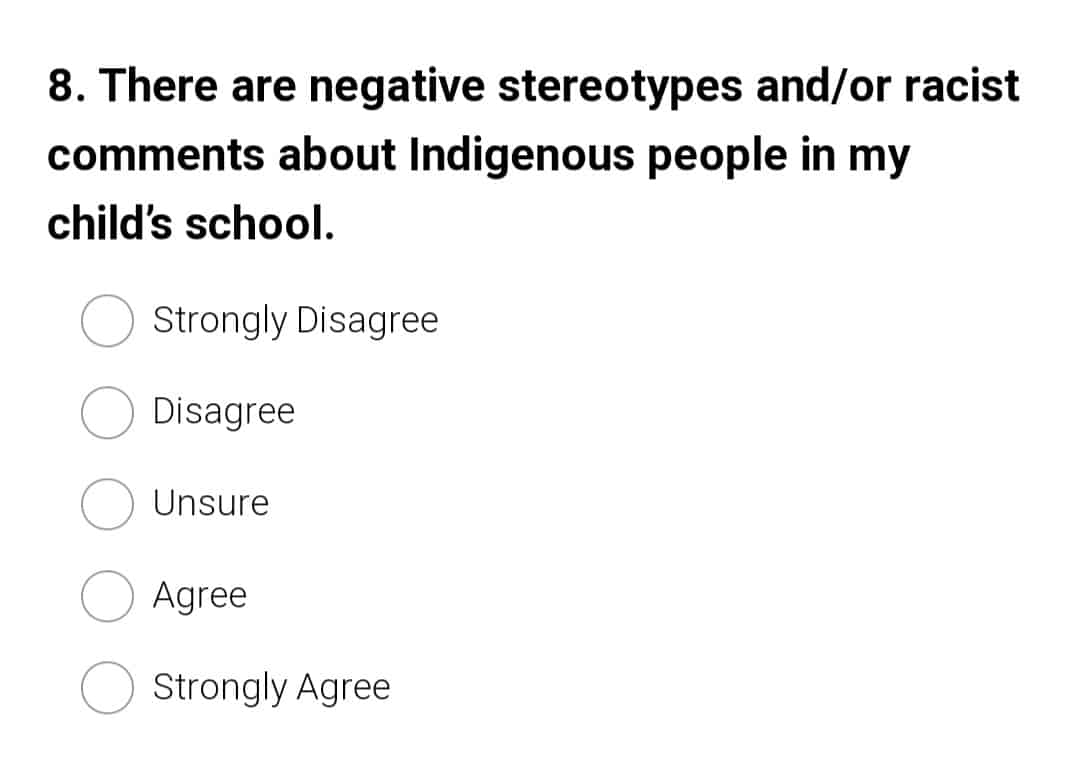
The Greater Victoria School District is inviting parents to participate in an equity scan about their experience of the education system.
“The purpose of the Equity Scan is to identify promising school and system practices, as well as barriers that may be impacting Indigenous students’ achievement and success across the district,” reads a letter sent to parents on February 11.
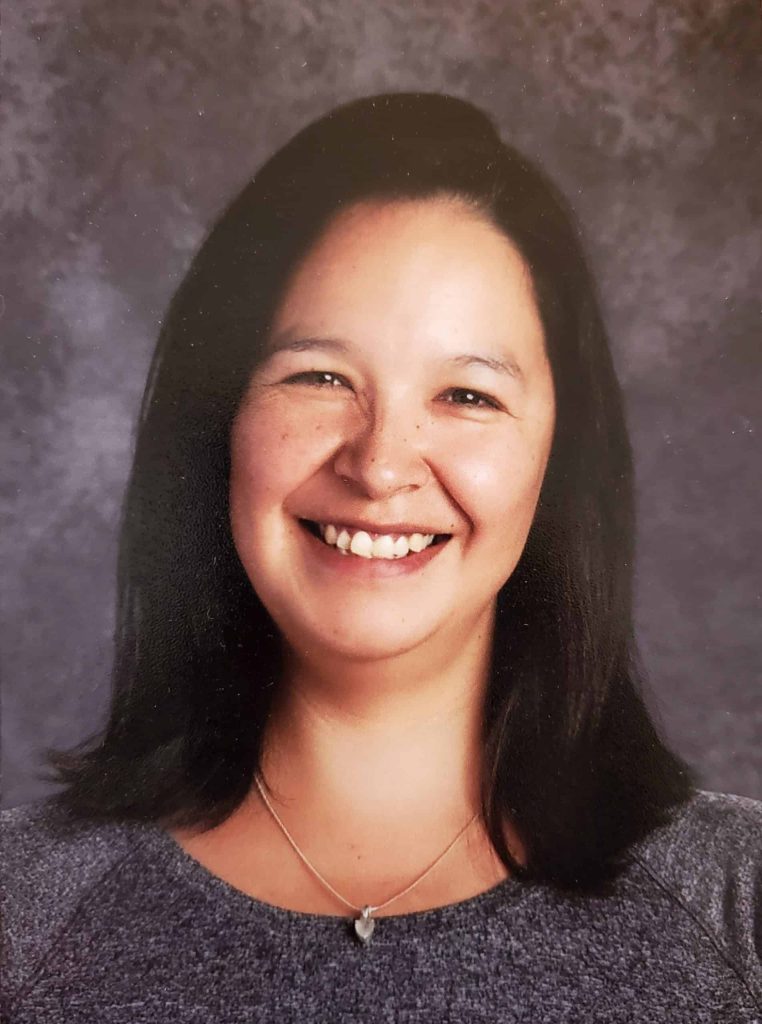
Samantha Mason, an Indigenous educator and mother to two students in the district, says the survey doesn’t go far enough.
“We are definitely doing a lot better than from when I was a kid, but with the age of reconciliation, I think there definitely needs to be a stronger effort on [the] part of, not just the teachers, but the Ministry of Education as well,” Mason says.
Born in Winnipeg, in Treaty 1 territory, Mason says she moved to Coast Salish territory when she was eight years old, and attended school in the Greater Victoria School District.
“The questions I found on the survey itself were ‘yes or no’ questions, so there wasn’t much space to explain why you are answering the way that you felt, or what you thought could be done better,” Mason says, as she watches her children play in the snow on Family Day on Feb. 15.
While she thinks it’s a good idea for the district to provide a survey for parents to fill out, Mason says it’s hard for some Indigenous parents to feel comfortable speaking with school authority figures, a mistrust rooted in intergenerational trauma stemming from residential school experiences.
“School figures were seen as harsh disciplinaires and people that wanted to shame you, in a sense,” Mason says. “I think a lot of people avoid seeking out an authority figure in their school.”
Mason believes that communicating with Indigenous parents needs to be done on multiple levels, not just through a short online survey.
One thing the equity scan doesn’t address is the lack of Indigenous representation among educators, she says.
At one point Mason says she was working as an Education Assistant (EA) at an inner-city school in Victoria with a “very high” population of Indigenous students, where to her knowledge she was the only Indigenous employee.
“I felt that my children didn’t have a visual representation of people who looked like them and who had cultures like them in teacher roles,” Mason says.
It’s important for Indigenous educators to be working in the school system, says Mason.
“A lot of teachers, as well-intentioned as they are, really don’t know how to connect with Aboriginal children,” she says. “When I connect with my Aboriginal students, I want them to feel like they have somebody that they can talk to and feel comfortable speaking with.”
If schools wants more representation of Indigenous teachers and educators in schools, more positions need to be posted, she says.
Although Mason has been working in the field of education for the past decade, she is now thinking about working more from home and has just enrolled in an online course in genealogy.
“My father was a Sixties Scoop survivor, so contacting and trying to locate family members has been really close to my heart.”
For now, Mason continues to advocate for changes within the school system that she feels will benefit Indigenous students, including her own children. She feels important conversations might be sparked by parents filling out the equity scan, and she encourages others to participate on social media.
Author
We live in a media ecosystem that thrives on misinformation. Big Tech and AI companies are consuming the work of real human beings and Canadian news has been banned on Facebook and Instagram.
And yet, I have hope for journalism because of the work we’re doing at IndigiNews.
At IndigiNews, we embody tâpwêwin — the Cree value of integrity and responsibility in truth-telling. We are committed to our independent, Indigenous-led newsroom rooted in community, accountability, and relationality. We believe storytelling is a sacred fire that connects our pasts, presents, and futures through the storytellers in our Storytelling Lodge. IndigiNews creates space for Indigenous journalists, storytellers, Knowledge Keepers, and communities to gather, learn, and share stories that matter.
As a registered charity, we are building a fire that allows our work not just to ignite but to thrive. Rather than relying on advertising or corporate acquisition, IndigiNews is sustained by people like you who believe Indigenous stories are important for the future of our communities.
Your support is making a real difference.
Our community of supporters, our Firekeepers, make it possible to grow our newsroom, publish award-winning journalism, train emerging Indigenous journalists through initiatives like the ReFocus Photojournalism Fellowship, and publish trustworthy stories that serve our communities across the country. Every story we publish helps fill in gaps left by mainstream media and ensures Indigenous perspectives are represented with care, accuracy and respect.
But there is still more work to do.
As the media landscape becomes more and more uncertain, community support is as necessary and essential as it’s ever been. Every new Firekeeper helps protect the independence of our newsroom and strengthens journalism that is accountable to our many and varied communities over corporations.
That’s why we’re inviting you to become a Firekeeper.
Firekeepers tend to and protect the sacred fire. Your monthly contributions directly support IndigiNews’s Storytelling Lodge, helps sustain our independent, Indigenous-led newsroom, and ensures future generations of Indigenous storytellers have the resources they need to do the work.
As a registered Canadian charity, all eligible donations receive a charitable tax receipt.
If you believe Indigenous stories matter, if you value independent journalism, and if you want to help build a strong future for Indigenous media, we invite you to join our circle of Firekeepers today.
Together, we can keep the fire burning.
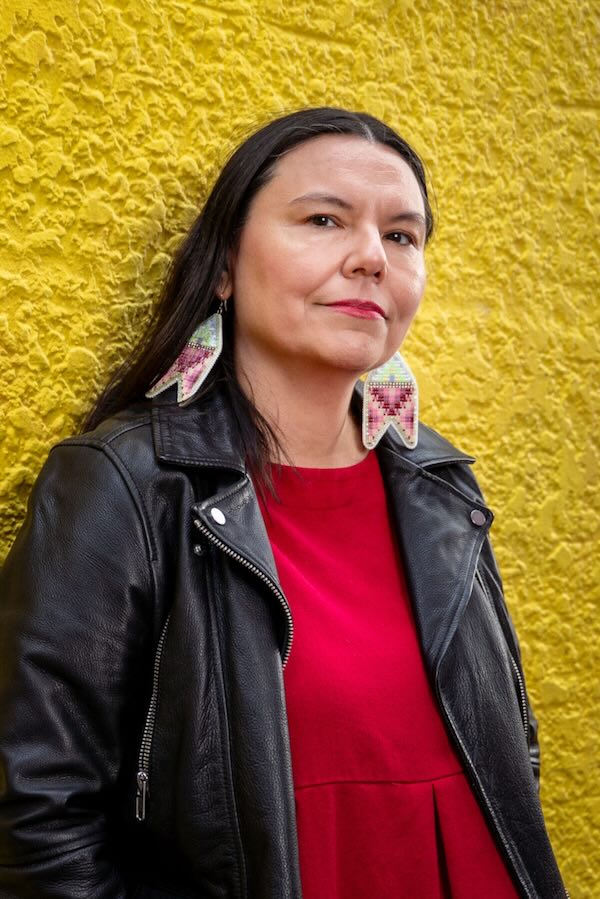
— Eden Fineday, Publisher, IndigiNews
Support us nowLatest Stories
-
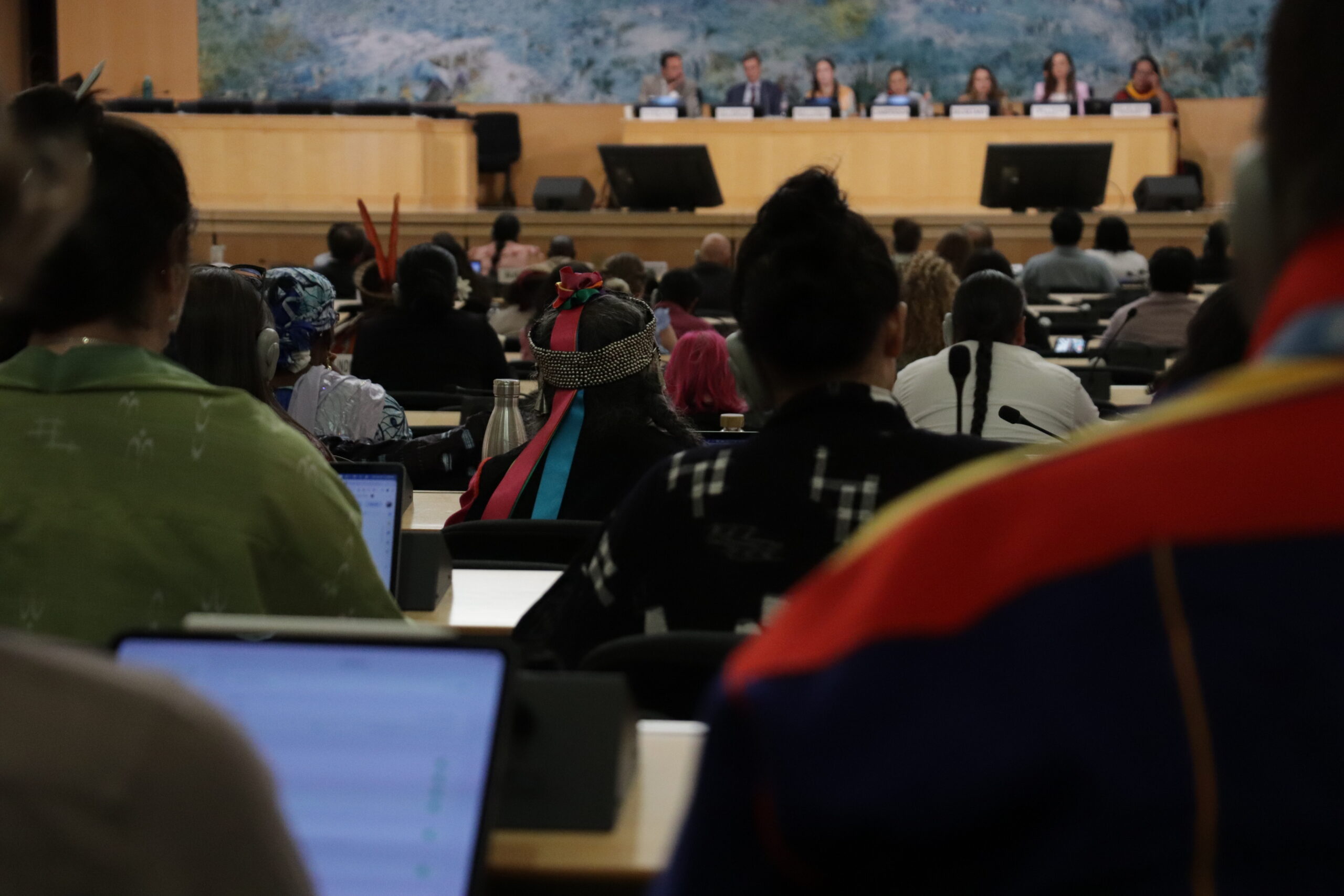
Indigenous leaders give the UN a roadmap for protecting their peoples
Amidst prayers and vows of solidarity, UN Expert Mechanism on the Rights of Indigenous Peoples ends annual meetings with demands for ‘action we’re not seeing globally’
-
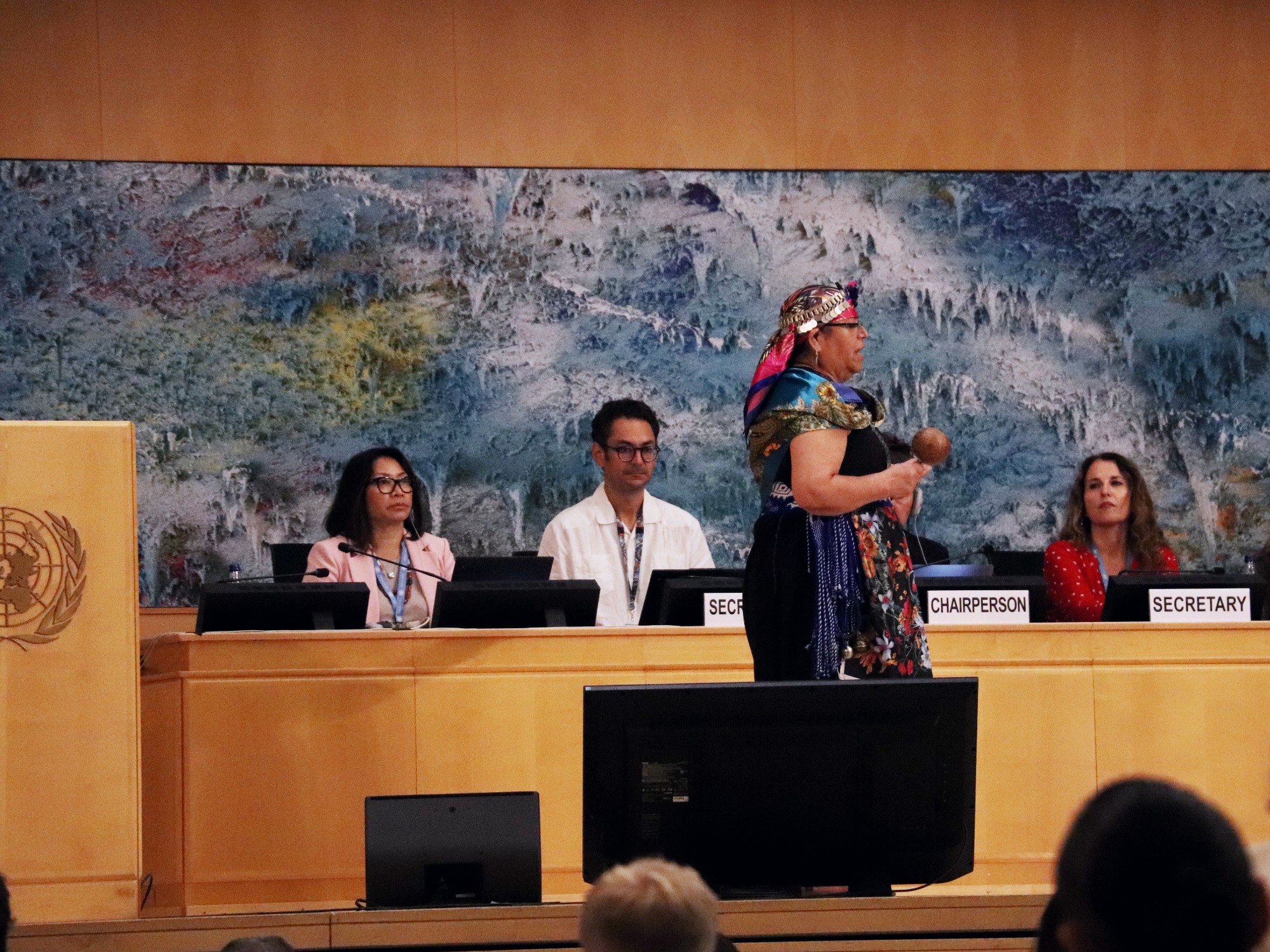
Indigenous people demand more say at the UN, as new crises hit their homelands
Indigenous nations live ‘on the frontlines’ of climate, conflict and new tech. But their voices remain sidelined in the global halls of power.