Expanse of deep ocean off ‘Vancouver Island’ set to become protected area
First Nations and federal government sign MOU to co-manage proposed MPA in 133,019-square-km section of the Pacific
A massive swath of deep ocean off “Vancouver Island” is set to become the second-largest Marine Protected Area (MPA) in the country, after an agreement was reached between surrounding First Nations and the federal government.
On Tuesday, leaders from the involved parties — the Council of the Haida Nation, the Nuu-chah-nulth Tribal Council, Pacheedaht First Nation, Quatsino First Nation and “Canada” — announced they had signed a memorandum of understanding to co-manage the proposed MPA.
The 133,019-square-km section of the Pacific Ocean — about four times the size of “Vancouver Island” itself — contains more than 46 underwater mountains and rarely-found hydrothermal vents.
The proposed MPA is being called “Tang.ɢwan — ḥačxwiqak — Tsig̱is.” It’s located more than 80 km off the coast of Haida Gwaii, and on-average 150 km off the west coast of “Vancouver Island.”
“This area is remarkable,” said Fisheries Minister Joyce Murray during the announcement at the IMPAC5 conference on Musqueam, Squamish and Tsleil-Waututh territories.
“These are the only known hydrothermal vents to exist in Canada’s waters.”
The vents, she explained, are also significant because they support many species such as tubeworms and deep-sea clams. The area was first identified as a potential MPA in 2017.
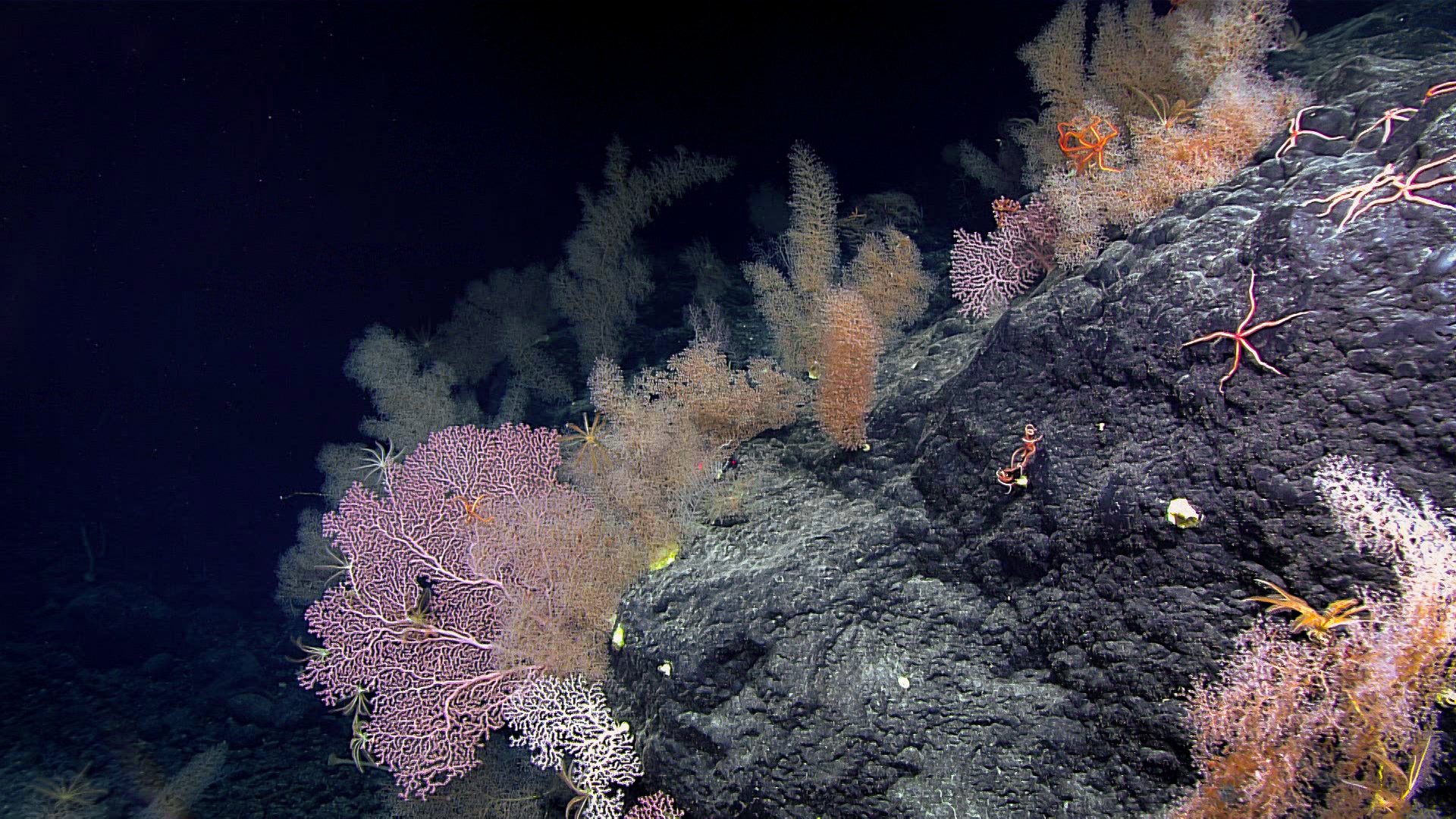
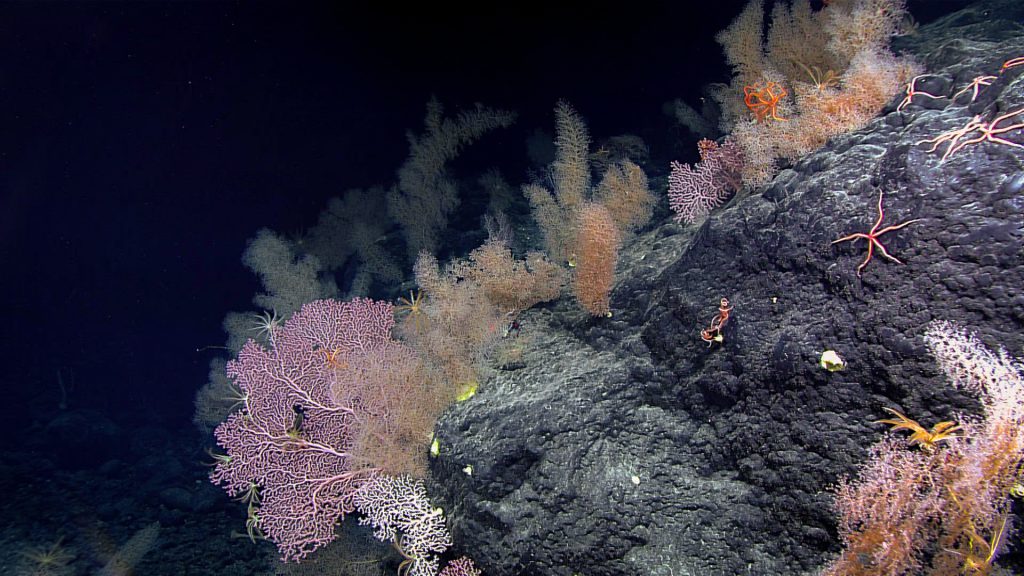
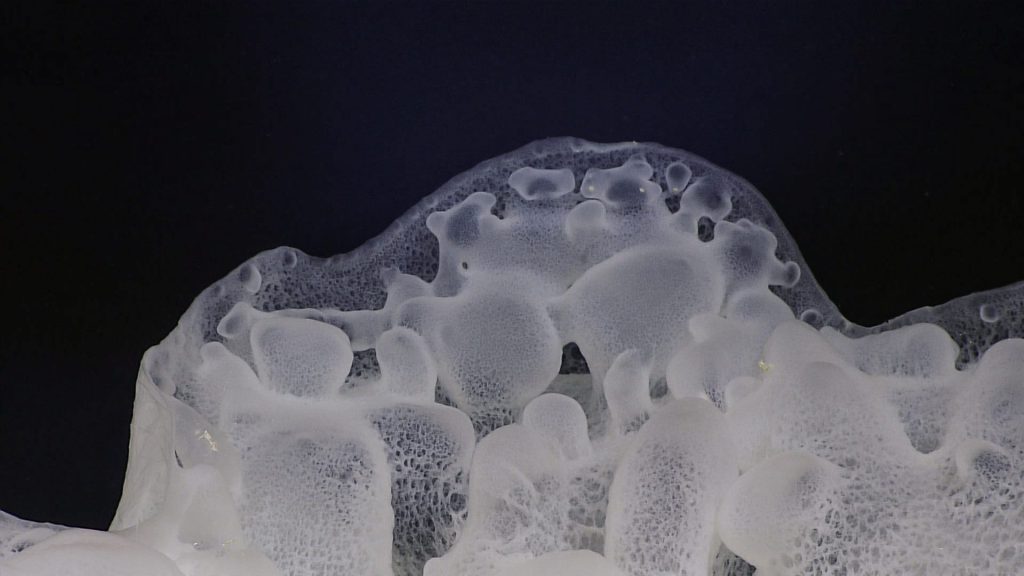
The ocean conservation group Oceana Canada was part of an exploration of the area in 2018, which revealed the existence of “centuries-old forests of red tree corals and glass sponges that provide habitat for numerous animals, including sea lilies, basket stars, octopuses, prowfish and many long-lived rockfish,” it said in a statement.
“Above the seamounts, the upwelling of deep nutrient-rich water fuels the growth in planktonic life that attracts larger species such as tunas, sharks and whales such as humpbacks, as well as seabirds including tufted puffins.”
Gaagwiis Jason Alsop, president of the Council of the Haida Nation, said the surrounding First Nations and “Canada” have been working together for about five years towards establishing an MPA, for which this agreement is an important step.
As an MPA, which is a designation under the federal Oceans Act, the area would have increased restrictions and protection against invasive activities such as deep sea mining, oil and gas activities and other extractive work.
Draft regulations for the proposed MPA are expected to be made available on Feb. 18, after which they will be subject to a 30 day public comment period. After that, the federal government will make its final decision on whether to establish the MPA.
“It’s really significant and powerful the work that’s taken place … to get us to this place where we can all look after this large part of the ocean together, each under our own respective authorities,” Alsop said.
The name, Alsop added, is significant. It consists of a Haida word meaning “deep ocean” (Tang.ɢwan), a Nuu-chah-nulth and Pacheedaht word meaning “deepest part of the ocean” (ḥačxwiqak) and a Quatsino word referring to a “monster of the deep” (Tsig̱is).
“I think it’s really worth noting and celebrating what we’ve been able to do here in naming this Marine Protected Area in our Indigenous languages,” he said.
“Each describing the deep ocean and our connection, our deep connection, to these ancestral places that each of our nations before you today hold.”
He said eventually, the nations will seek to give names to each of the 46 underwater mountains, called seamounts. Judith Sayers, president of the Nuu-chah-nulth Tribal Council, reiterated that Tang.ɢwan — ḥačxwiqak — Tsig̱is is a significant marine site, rich with habitat and biodiversity.
“There are many spiritual places there, a lot of sea-life goes through there,” she said.
“So today, we aren’t the only ones who are celebrating, our relatives in the ocean are celebrating.”
Author
We live in a media ecosystem that thrives on misinformation. Big Tech and AI companies are consuming the work of real human beings and Canadian news has been banned on Facebook and Instagram.
And yet, I have hope for journalism because of the work we’re doing at IndigiNews.
At IndigiNews, we embody tâpwêwin — the Cree value of integrity and responsibility in truth-telling. We are committed to our independent, Indigenous-led newsroom rooted in community, accountability, and relationality. We believe storytelling is a sacred fire that connects our pasts, presents, and futures through the storytellers in our Storytelling Lodge. IndigiNews creates space for Indigenous journalists, storytellers, Knowledge Keepers, and communities to gather, learn, and share stories that matter.
As a registered charity, we are building a fire that allows our work not just to ignite but to thrive. Rather than relying on advertising or corporate acquisition, IndigiNews is sustained by people like you who believe Indigenous stories are important for the future of our communities.
Your support is making a real difference.
Our community of supporters, our Firekeepers, make it possible to grow our newsroom, publish award-winning journalism, train emerging Indigenous journalists through initiatives like the ReFocus Photojournalism Fellowship, and publish trustworthy stories that serve our communities across the country. Every story we publish helps fill in gaps left by mainstream media and ensures Indigenous perspectives are represented with care, accuracy and respect.
But there is still more work to do.
As the media landscape becomes more and more uncertain, community support is as necessary and essential as it’s ever been. Every new Firekeeper helps protect the independence of our newsroom and strengthens journalism that is accountable to our many and varied communities over corporations.
That’s why we’re inviting you to become a Firekeeper.
Firekeepers tend to and protect the sacred fire. Your monthly contributions directly support IndigiNews’s Storytelling Lodge, helps sustain our independent, Indigenous-led newsroom, and ensures future generations of Indigenous storytellers have the resources they need to do the work.
As a registered Canadian charity, all eligible donations receive a charitable tax receipt.
If you believe Indigenous stories matter, if you value independent journalism, and if you want to help build a strong future for Indigenous media, we invite you to join our circle of Firekeepers today.
Together, we can keep the fire burning.
— Eden Fineday, Publisher, IndigiNews
Support us nowLatest Stories
-
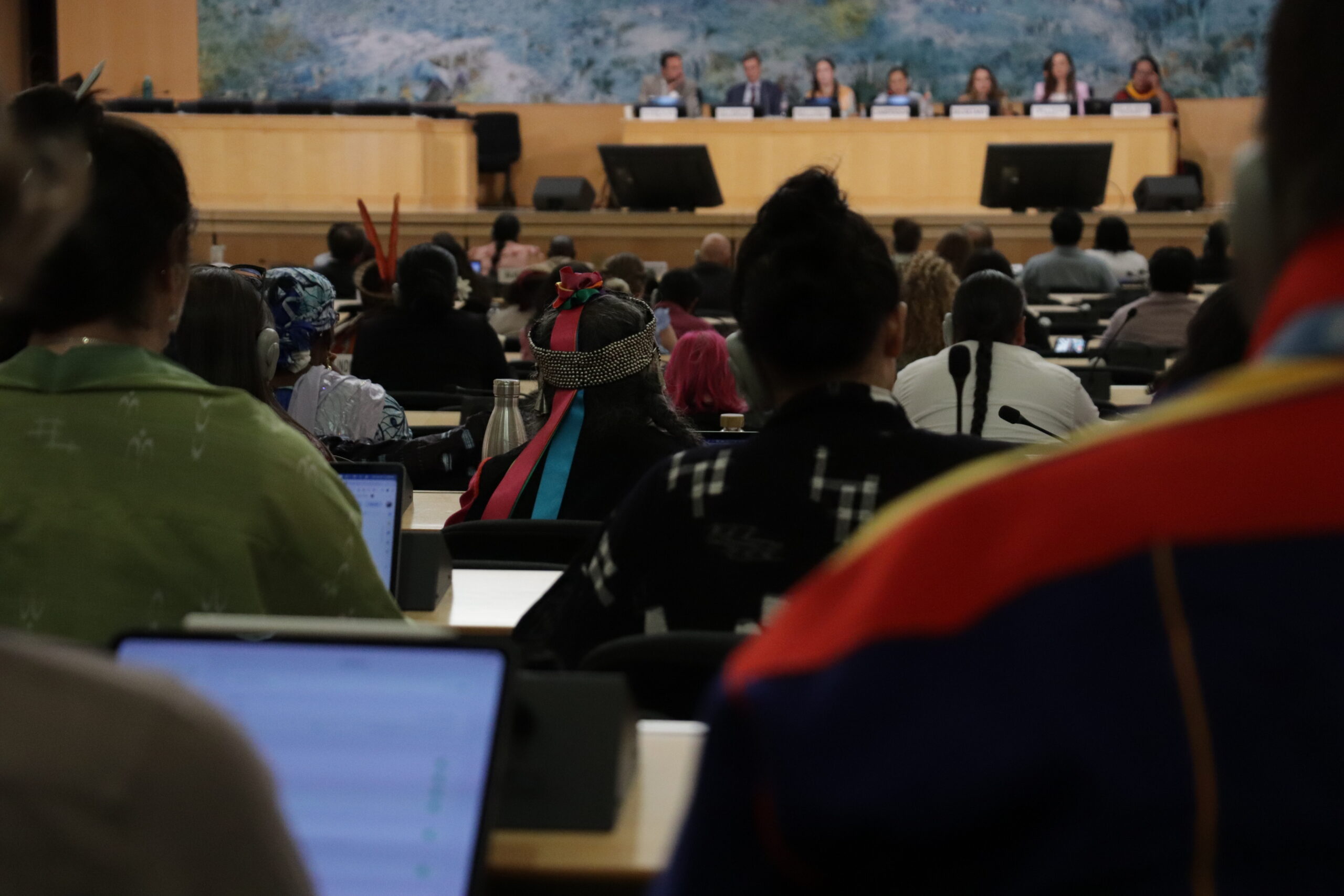
Indigenous leaders give the UN a roadmap for protecting their peoples
Amidst prayers and vows of solidarity, UN Expert Mechanism on the Rights of Indigenous Peoples ends annual meetings with demands for ‘action we’re not seeing globally’
-
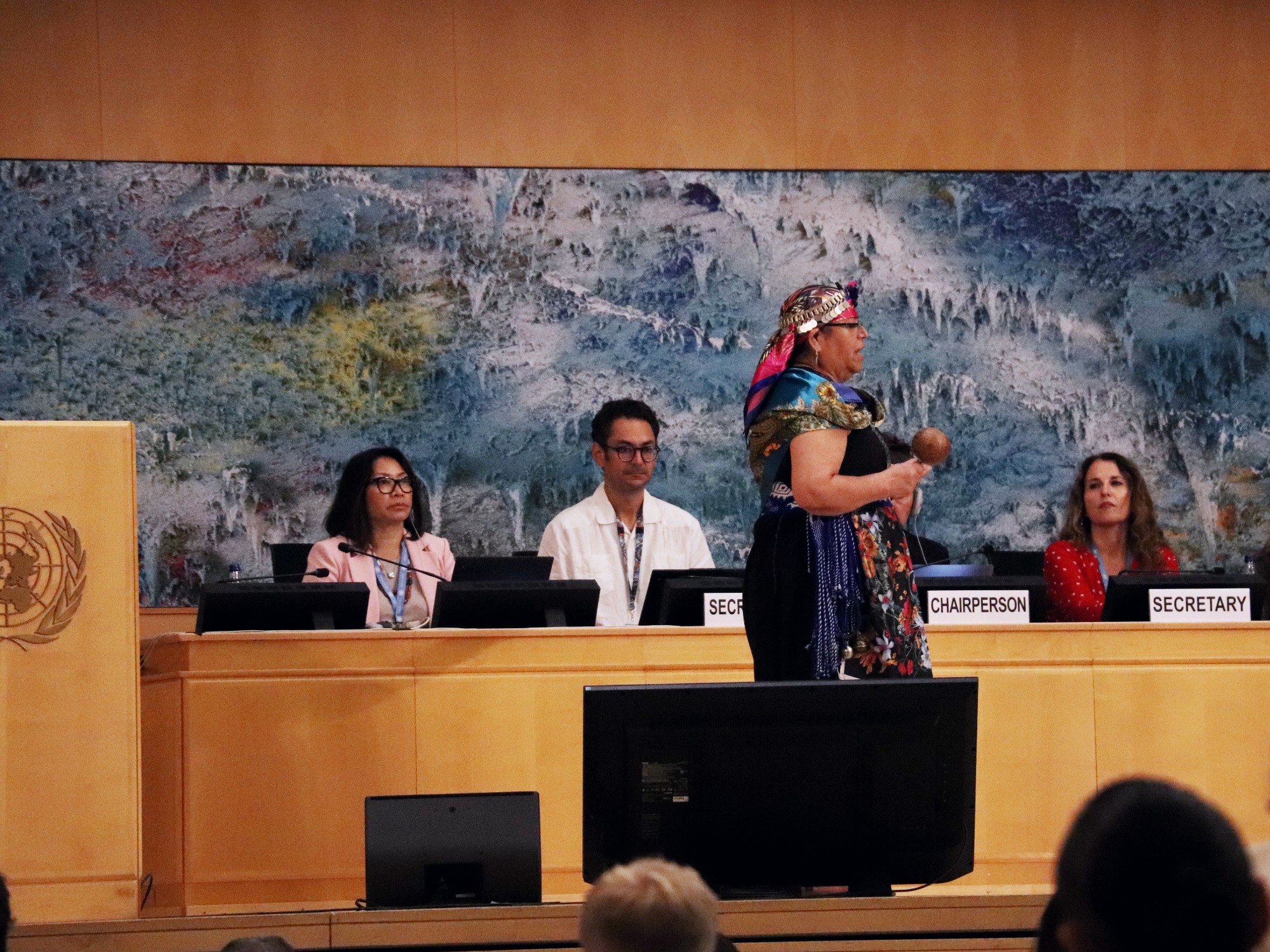
Indigenous people demand more say at the UN, as new crises hit their homelands
Indigenous nations live ‘on the frontlines’ of climate, conflict and new tech. But their voices remain sidelined in the global halls of power.