New UBC Indigenous fisheries centre aims to uplift community rights
Initiative led by Nisg̱a’a scholar Andrea Reid launches with ‘Fish Outlaws’ project documenting criminalization of First Nations fisheries around Salish Sea

A Nisg̱a’a scholar at the head of a new centre at the University of British Columbia is working to bring attention to the ongoing criminalization of Indigenous fisheries.
Scientist Andrea Reid is the principal investigator at the Centre for Indigenous Fisheries, which launched in January.
The centre’s director says the project — based out of UBC’s larger Institute for the Oceans and Fisheries — has been years in the making.
“The Centre for Indigenous Fisheries is really positioned around community-based work and bringing Indigenous communities in as full partners around the research process,” she says.
“The work … is really about responding to community needs. Our first projects are based around ideas of the nations [we’ve consulted with].”
‘Fish Outlaws’
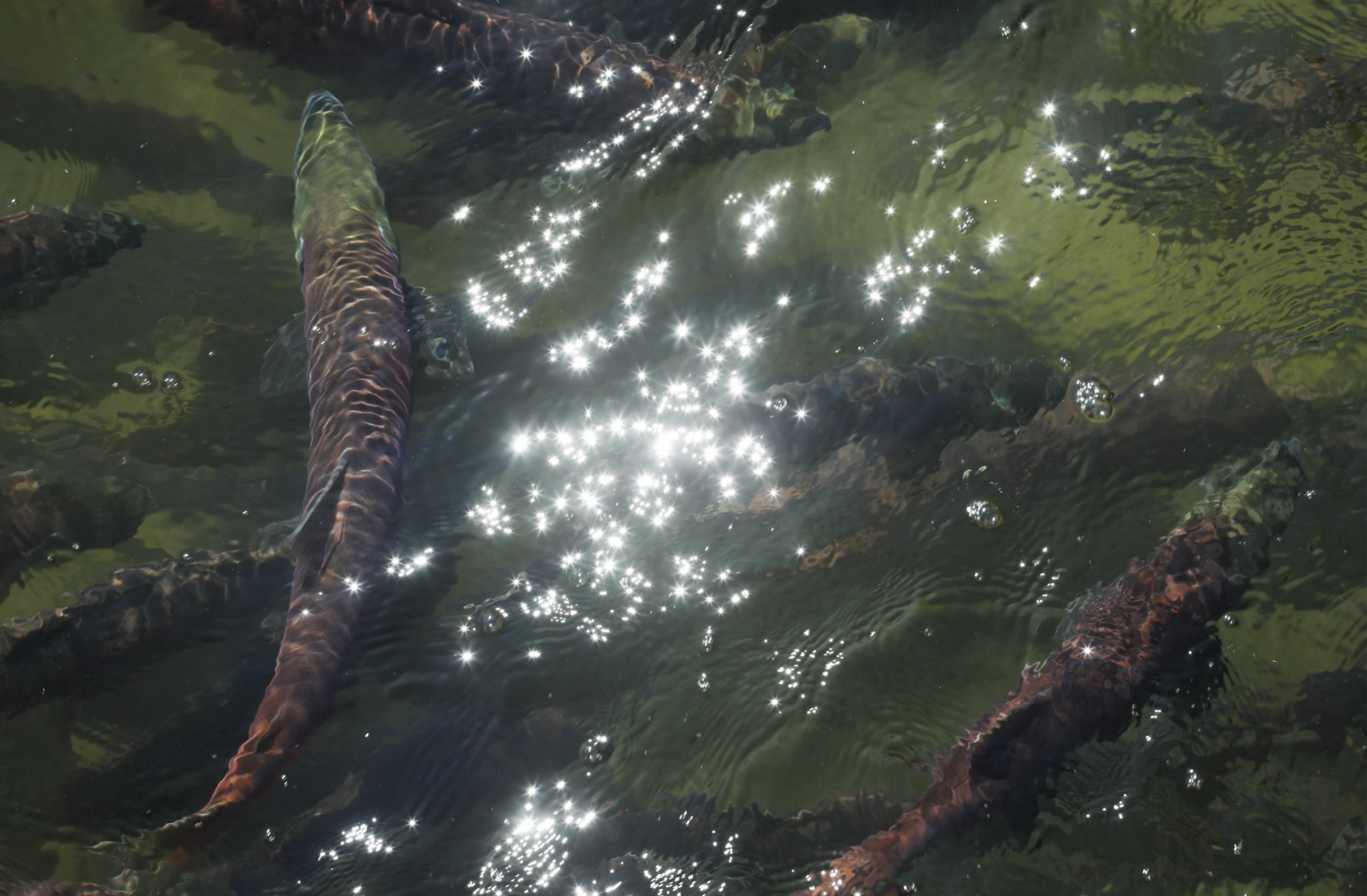
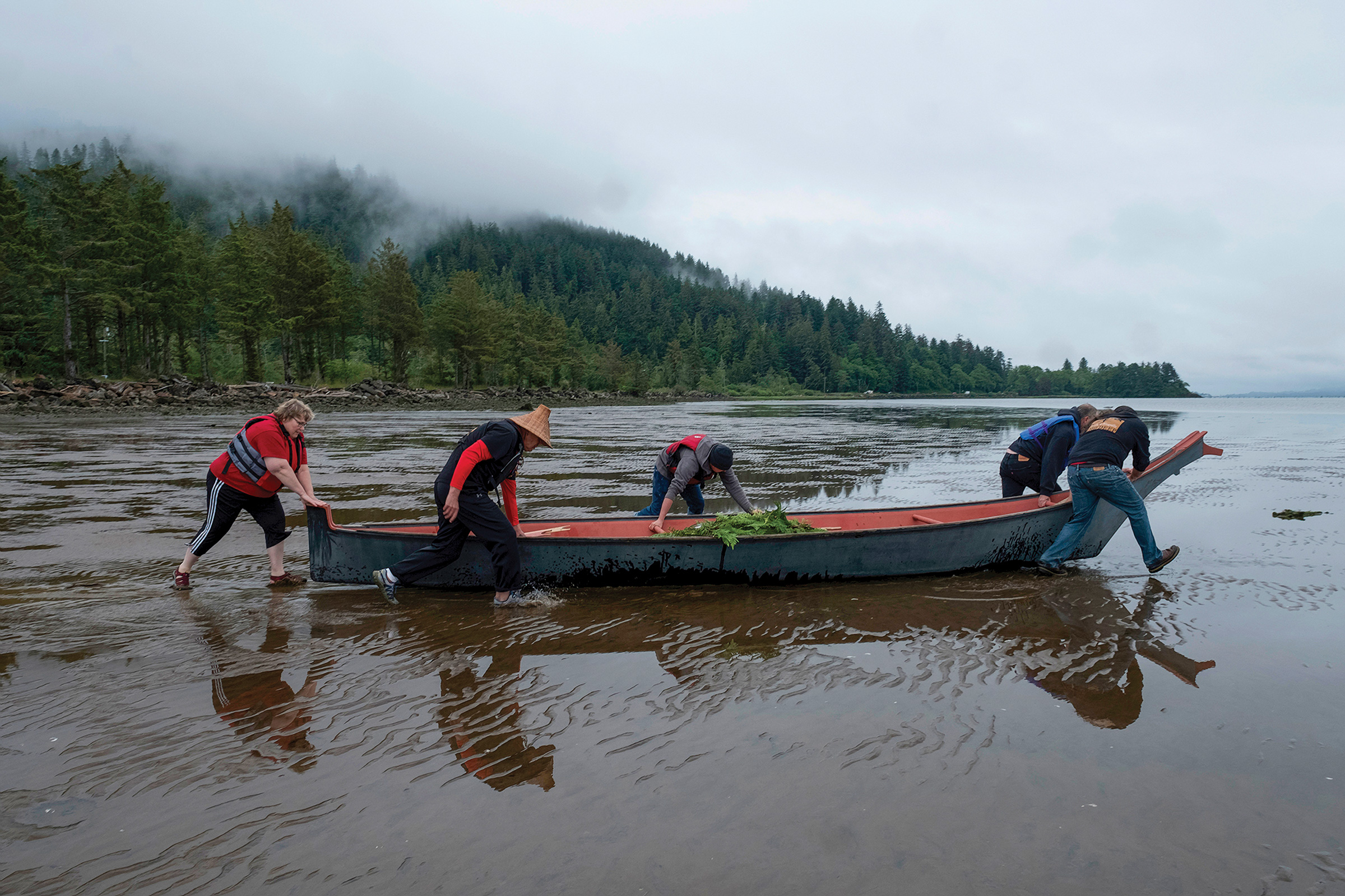
One of the centre’s first initiatives, that will continue through 2021, is a multimedia project called Fish Outlaws, documenting the criminalization and dispossession of Indigenous fisheries around the Salish Sea.
The National Geographic Society has given a grant to four of its designated “National Geographic Explorers” — Reid, conservation scientist Lauren Eckert, documentarian Amy Romer, and Lummi writer Rena Priest — to work with nations to record the issue and imagine a fairer future.
“We’re bringing together all of our passions on this project,” Reid says.
“We hope to be building an interactive and multimedia website that brings together the main outputs of all of our skill sets.”
The four women will do archival research and consult with communities on both sides of the Canada-U.S. border to build their website, which will share stories, essential histories, and community visions for justice.
“We’re really trying to create space for youth in this process, so we’re currently identifying some key youth who are engaged in stewardship in their communities and want to get more exposure,” Reid says.
“What we’ll be doing is having them participate in our interviews and be there alongside us.”
Reid says they’re also looking to hear from people in West Coast communities who have stories to share about fishery-related injustices.
The effort is inspired in part by the recent high-profile violence that erupted on the East Coast, where non-Indigenous commercial fishers began attacking treaty-protected Mi’kmaq lobster harvesters, their catches and equipment.
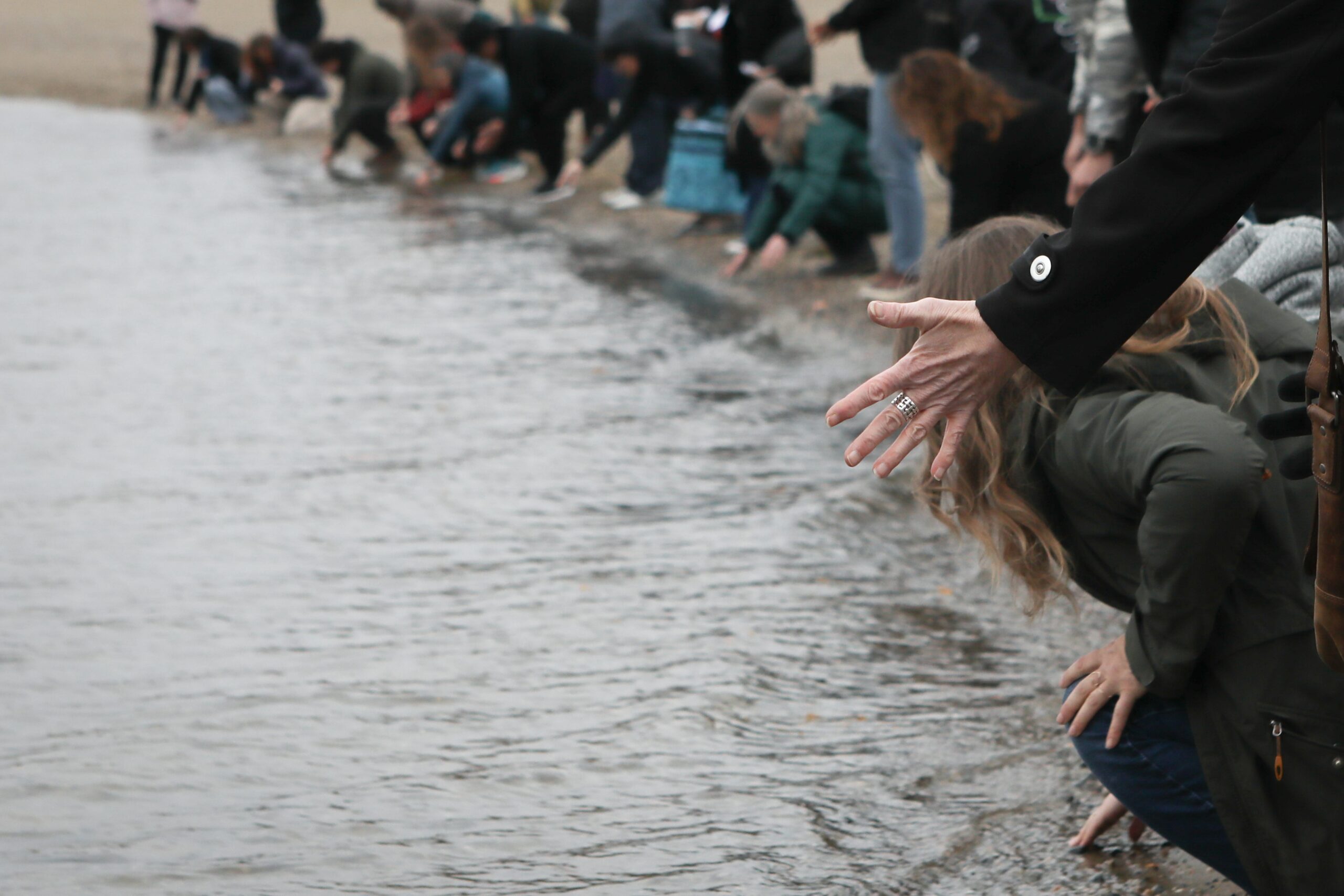
In B.C., First Nations fishers have been charged for holding their first salmon ceremonies, or arrested after being hounded to sell fish by undercover fisheries officers, and tensions have generally been high between Indigenous and commercial fishers over demand for increasingly limited seafood stocks.
“In many cases there are individuals who have been fined … for exercising what ought to be constitutionally-protected fishing rights,” Reid says.
“We really want to explore these topics here (and) we’re aware of these parallels that are broader.”

‘The stars aligned’
Other projects on the horizon for the Centre for Indigenous Fisheries include research partnerships with several First Nations in the Lower Fraser region, and hiring on another faculty member.
Fisheries historian Dianne Newell, interim director of the centre, says this launch has been a longtime coming.
Newell has been working at UBC since the 1980s, and says though there has been interest in more Indigenous-focused research on fisheries in the Faculty of Science, things haven’t aligned in the right way until now.
Newell was key in forming a committee that eventually pitched the idea of an Indigenous fisheries centre to UBC.
“When I was putting together our physical proposal, I did a lot of research, I went all over campus,” she says.
“I was very fortunate that everyone was so supportive of this idea.”
Newell says after years of work in the faculty and consulting with communities, “the stars aligned” when they were able to recruit Reid.
“She’s unstoppable in terms of reaching out to communities. She sees that as her need as well as her obligation,” Newell says.
“People will really respond to her. She’s also walking into an environment that’s already started to change.”

‘A path home’
Currently, Reid is the only Indigenous-identifying person in UBC’s Faculty of Science.
She is a citizen of Nisg̱a’a Nation in northwestern B.C., but grew up on the opposite coast on Prince Edward Island.
Her work with Indigenous fisheries has brought her around the world, but eventually brought her back home, where she’s been able to contribute research, connect with relatives and ultimately be a part of something she says was started by her ancestors.
“[It’s been] a pathway to reconnect to a part of my heritage that I didn’t get to grow up with,” she says. “It was a path home for me.”
Her experience has led her to want to create space for Indigenous students at UBC, as they work on their own projects that will allow them to connect with culture and their own home territories.
“That’s going to be a major focus for me moving forward is their training and their mentorship,” she says.
“We need to cultivate a more positive environment where students aren’t asked to leave a part of themselves at the door.”
Author
We live in a media ecosystem that thrives on misinformation. Big Tech and AI companies are consuming the work of real human beings and Canadian news has been banned on Facebook and Instagram.
And yet, I have hope for journalism because of the work we’re doing at IndigiNews.
At IndigiNews, we embody tâpwêwin — the Cree value of integrity and responsibility in truth-telling. We are committed to our independent, Indigenous-led newsroom rooted in community, accountability, and relationality. We believe storytelling is a sacred fire that connects our pasts, presents, and futures through the storytellers in our Storytelling Lodge. IndigiNews creates space for Indigenous journalists, storytellers, Knowledge Keepers, and communities to gather, learn, and share stories that matter.
As a registered charity, we are building a fire that allows our work not just to ignite but to thrive. Rather than relying on advertising or corporate acquisition, IndigiNews is sustained by people like you who believe Indigenous stories are important for the future of our communities.
Your support is making a real difference.
Our community of supporters, our Firekeepers, make it possible to grow our newsroom, publish award-winning journalism, train emerging Indigenous journalists through initiatives like the ReFocus Photojournalism Fellowship, and publish trustworthy stories that serve our communities across the country. Every story we publish helps fill in gaps left by mainstream media and ensures Indigenous perspectives are represented with care, accuracy and respect.
But there is still more work to do.
As the media landscape becomes more and more uncertain, community support is as necessary and essential as it’s ever been. Every new Firekeeper helps protect the independence of our newsroom and strengthens journalism that is accountable to our many and varied communities over corporations.
That’s why we’re inviting you to become a Firekeeper.
Firekeepers tend to and protect the sacred fire. Your monthly contributions directly support IndigiNews’s Storytelling Lodge, helps sustain our independent, Indigenous-led newsroom, and ensures future generations of Indigenous storytellers have the resources they need to do the work.
As a registered Canadian charity, all eligible donations receive a charitable tax receipt.
If you believe Indigenous stories matter, if you value independent journalism, and if you want to help build a strong future for Indigenous media, we invite you to join our circle of Firekeepers today.
Together, we can keep the fire burning.
— Eden Fineday, Publisher, IndigiNews
Support us nowLatest Stories
-
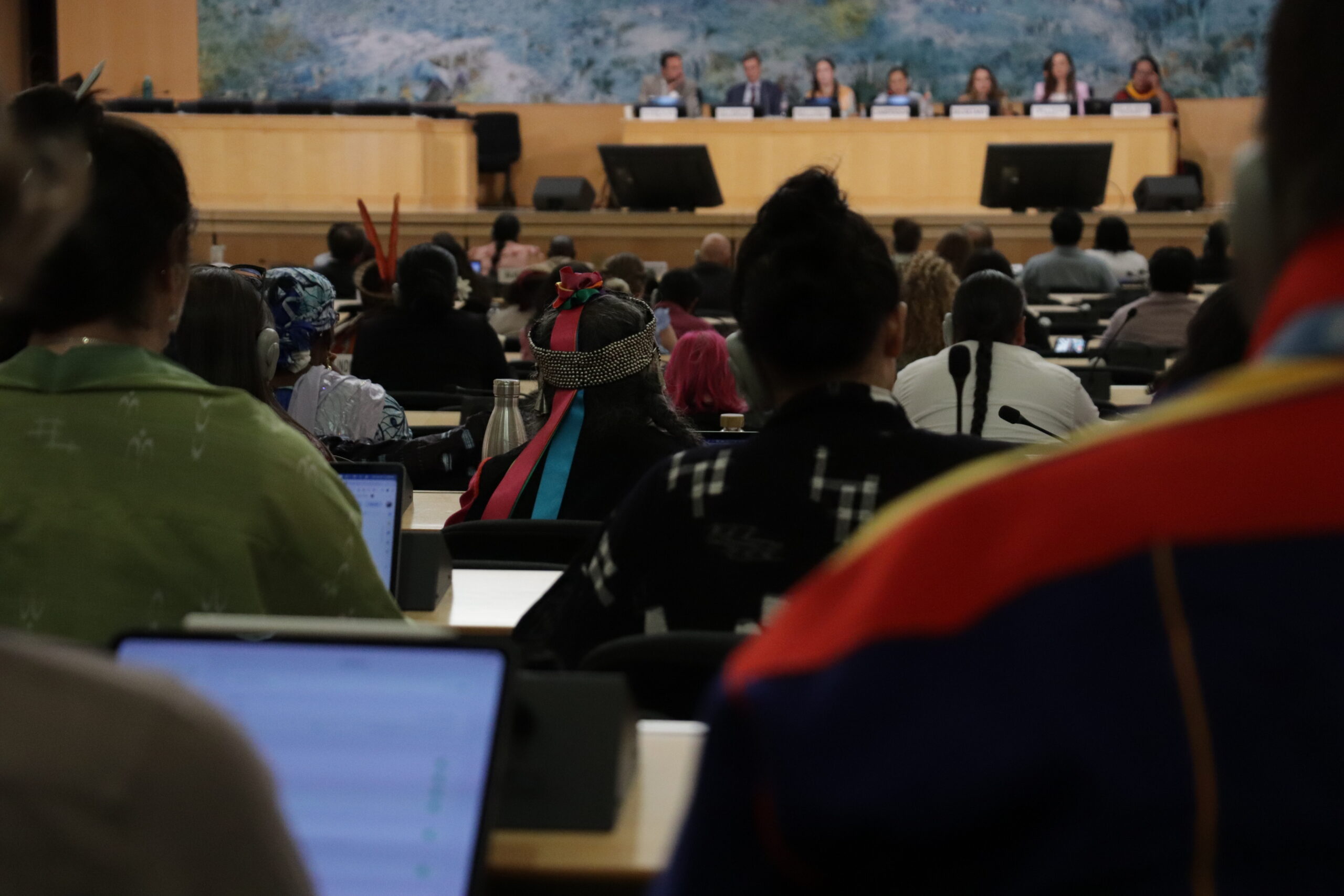
Indigenous leaders give the UN a roadmap for protecting their peoples
Amidst prayers and vows of solidarity, UN Expert Mechanism on the Rights of Indigenous Peoples ends annual meetings with demands for ‘action we’re not seeing globally’
-
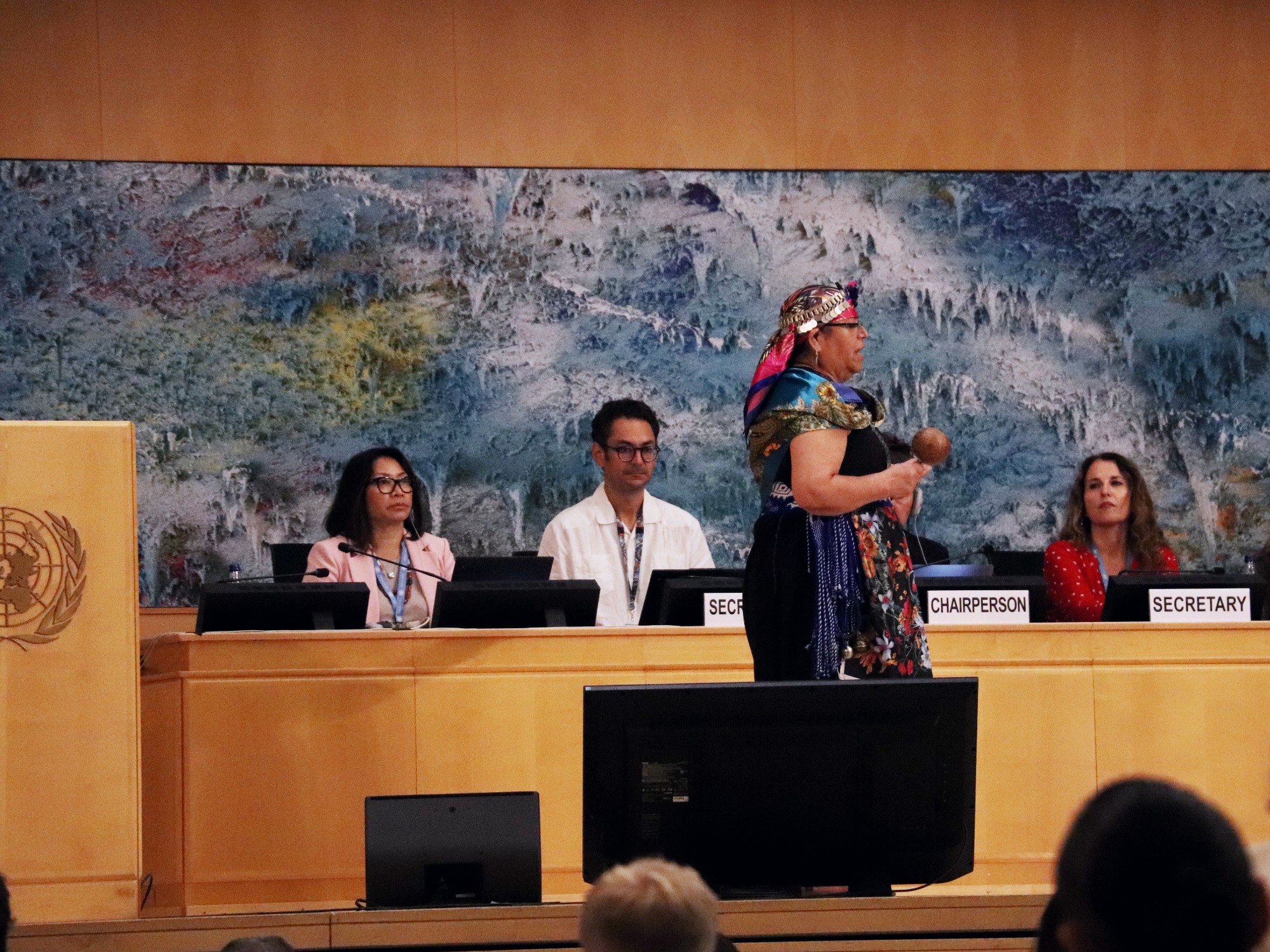
Indigenous people demand more say at the UN, as new crises hit their homelands
Indigenous nations live ‘on the frontlines’ of climate, conflict and new tech. But their voices remain sidelined in the global halls of power.