Indigenous knowledge systems often overlooked in academia
The University of British Columbia Okanagan (UBCO) hosted their second webinar in a three-part series focused on systemic racism in science.
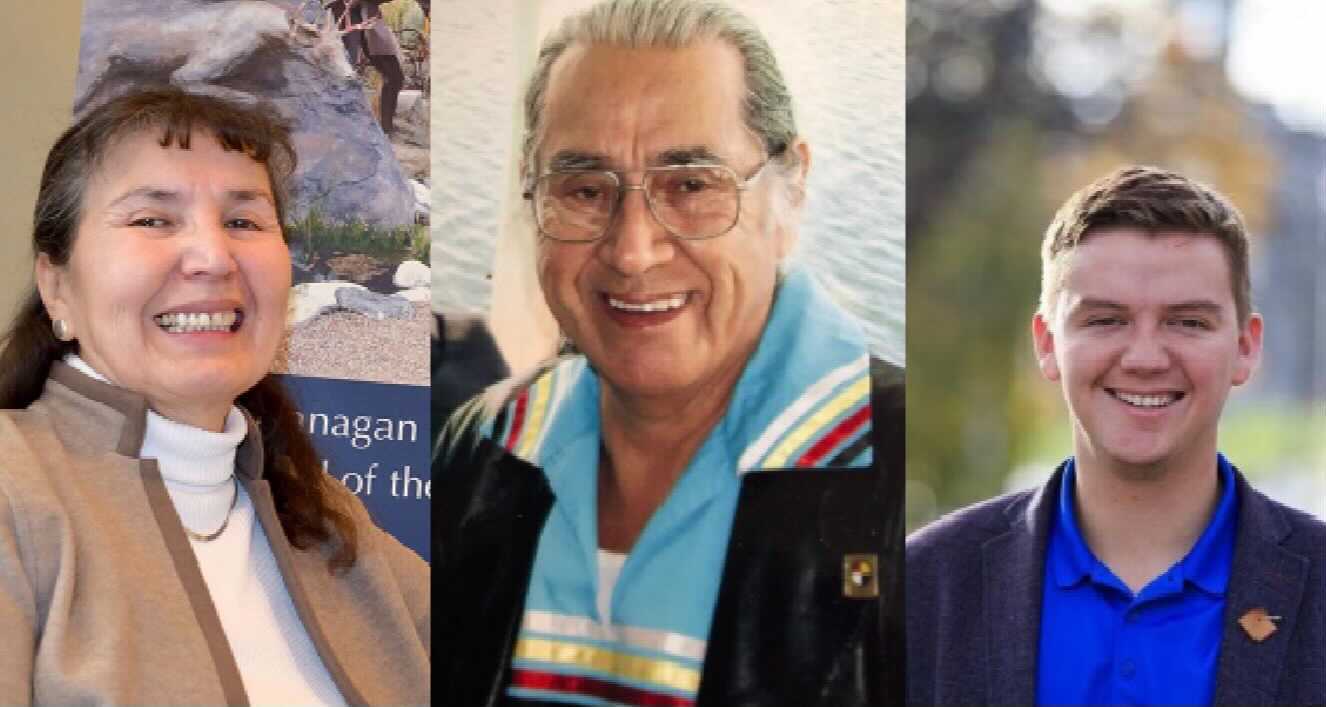
Dr. Jeannette Armstrong is the associate professor in Indigenous Studies at the University of British Columbia’s Okanagan (UBCO) campus. Armstrong was one of three speakers discussing systemic racism in science in a conversations on Indigenous knowledge in academia.
Indigenous people still face systemic racism, and their voices are often left unheard, said Ananya Mukherjee Reed, provost and vice-president of UBCO during her opening remarks of the Jan. 20 webinar.
During the two-hour discussion, three Indigenous leaders and researchers discussed some of the differences and misunderstandings of Indigenous knowledge and western science, as well as the impacts of what they framed “environmental racism.”
Armstrong, who shared a Syilx Okanagan perspective, spoke alongside Aaron Prosper from Eskasoni First Nation, and Elder Albert Marshall from the Mi’kmaw Nation.
“In these times of climate change, societal disease and diseases, we need Indigenous knowledge,” said Armstrong. As Canada Research Chair in Okanagan Indigenous Knowledge and Philosophy, Armstrong has been recognized for her award-winning literary work on education, ecology and Indigenous rights.
Indigenous knowledge focused on a ‘holistic perspective’
Indigenous knowledge remains overlooked in academia, particularly in science, because unlike a western scientific method, Indigenous knowledge is not evidence-based, according to Armstrong.
Indigenous knowledge is focused on a holistic perspective incorporating traditional knowledge and lived experiences, she says.
“A general definition of Indigenous knowledge consists of those beliefs, assumptions, and understandings of non-western people developed through long-term associations with a specific place,” Armstrong told participants during the event.
“Therefore, Indigenous knowledge is considered the second tier of knowledge, that is, below science. This is racist.”
According to Prosper, Indigenous knowledge has been misused or co-opted within the scientific field.
“Indigenous people had knowledge prior to Western scientific knowledge, in terms of traditional medicine,” said Prosper, who studies Indigenous Health and Indigenous Ethics & Research Methodologies.
“In my personal opinion, there is a significant issue within the scientific field when it comes to racism, systemic racism.”
Prosper feels Indigenous knowledge, and Indigenous information or data should be valued the same as Western scientific knowledge.
“Usually what you see done is an Elder getting interviewed, getting traditional knowledge taken out, and then the researcher collects the data as a western methodology, to interpret that data, which makes it incorrect,” Prosper explained.
Marshall believes two-eyed seeing is the transformative change society needs to understand and incorporate Indigenous knowledge.
“Being Indigenous, I see everything through my Indigenous lens,” said Marshall, who says ‘two-eyed seeing’ means a worldview which reconciles and incorporates Indigenous ways of knowing and western scientific ways of knowing.
“To see from one eye with the strengths of Indigenous knowledge, and to see from the other eye with the strengths of Western science knowledge and to use both of these eyes together, is two-eyed seeing.”
Protecting the tmxwulaxw and tmixw
Indigenous knowledge systems can offer society solutions for living in balance with the environment, the speakers stressed.
According to Armstrong, the Syilx Okanagan people view the land as a dynamic system, and their sole purpose is to protect the tmxwulaxw (land) and tmixw (all living lifeforms).
“In the Syilx view, the human duty is to perceive how the tmixw are regenerating themselves and how therefore the human must move forward in unity with them,” she said.
“Immersion in the knowledge of tmixw allows us to view its reality and makes it possible for the aliveness of each separate life form.”
During the webinar, environmental racism was discussed.
“In the context of environmental racism, the government had been failing to shut down treatment plants in Indigenous communities,” Prosper told participants.
The Pictou Landing First Nation community in Nova Scotia is east of Boat Harbour and is utilized for traditional fishing and hunting.
“This place is a significant importance to the Pictou Landing First Nation community,” he said.
According to Prosper, Boat Harbour has been receiving wastewater effluent from the industry, and the government has neglected health concerns from the Indigenous people living there. The government told the community that there wasn’t sufficient evidence to make a change, he says.
“The government told the people, there’s no evidence of this effluent that we’re putting into boat harbour is affecting the health of the people,” says Prosper.
“If our environment is not healthy, how can we be healthy?” said Marshall.
Marshall said Indigenous Peoples need to amplify our voices, to protect the environment for future generations. People cannot live in silence, he says, allowing the government to continuously destroy the land.
“The government needs to be held accountable because all they do is compromise the ecological entirety of the area, and they compromise the system,” Marshall says.
“I was taught, while you stay here on earth, you have to be mindful for the next generations. Most importantly, the future generations will have the same opportunity as we had, of being able to sustain themselves in a healthy environment.”
More work to be done
Armstrong is committed to pursuing an alternative academic approach to Indigenous environmental knowledge in her research and study.
She has created a methodology that she says may assist as a model in Indigenous Peoples’ struggle to include Indigenous knowledge in the academy.
“I am developing better access to Indigenous knowledge through Indigenous oral literature situated as the knowledge documentation system of the Syilx peoples,” Armstrong explains.
Marshall is working on cultural understandings and healing of our human responsibilities to care for all creatures and our Earth Mother through two-eyed seeing.
“These essentials of the web of life should be protected under the charter of human rights because they constitute to me, a climate emergency,” says Marshall.
In response, Prosper is committed to approaching his research mindfully.
“How do Indigenous communities consent to research when they were exposed to these unethical experiments, whether be in the residential school or within their own communities?” Prosper asked the group.
“We have to be mindful when engaging with Indigenous communities.”
“Even the most adverse individuals are still dealing with various issues as a result of their experience with colonialism, and they are still trying to reconcile that.”
Prosper acknowledges that little progress in the scientific field has been made, but a lot of work needs to be done.
“Yes, we’ve been a lot done within 100 years. Have we done a great job? I don’t think so,” explained Prosper.
“I think it’s going to take another hundred years to see a difference.”
This event is the second of three examining racism in science, specifically from Indigenous perspectives, with the final one, planned for the spring, will explore Black scientists’ views.
Editor’s note: Jeannette Armstrong is reporter Athena Bonneau’s grandmother. At IndigiNews, we take journalistic independence seriously, adhering to the Canadian Association of Journalists Ethics Guidelines. Due to Armstrong’s role at UBCO and participant in the webinar as an elder and knowledge keeper, we felt it was important to include her perspective in this piece.
Author
We live in a media ecosystem that thrives on misinformation. Big Tech and AI companies are consuming the work of real human beings and Canadian news has been banned on Facebook and Instagram.
And yet, I have hope for journalism because of the work we’re doing at IndigiNews.
At IndigiNews, we embody tâpwêwin — the Cree value of integrity and responsibility in truth-telling. We are committed to our independent, Indigenous-led newsroom rooted in community, accountability, and relationality. We believe storytelling is a sacred fire that connects our pasts, presents, and futures through the storytellers in our Storytelling Lodge. IndigiNews creates space for Indigenous journalists, storytellers, Knowledge Keepers, and communities to gather, learn, and share stories that matter.
As a registered charity, we are building a fire that allows our work not just to ignite but to thrive. Rather than relying on advertising or corporate acquisition, IndigiNews is sustained by people like you who believe Indigenous stories are important for the future of our communities.
Your support is making a real difference.
Our community of supporters, our Firekeepers, make it possible to grow our newsroom, publish award-winning journalism, train emerging Indigenous journalists through initiatives like the ReFocus Photojournalism Fellowship, and publish trustworthy stories that serve our communities across the country. Every story we publish helps fill in gaps left by mainstream media and ensures Indigenous perspectives are represented with care, accuracy and respect.
But there is still more work to do.
As the media landscape becomes more and more uncertain, community support is as necessary and essential as it’s ever been. Every new Firekeeper helps protect the independence of our newsroom and strengthens journalism that is accountable to our many and varied communities over corporations.
That’s why we’re inviting you to become a Firekeeper.
Firekeepers tend to and protect the sacred fire. Your monthly contributions directly support IndigiNews’s Storytelling Lodge, helps sustain our independent, Indigenous-led newsroom, and ensures future generations of Indigenous storytellers have the resources they need to do the work.
As a registered Canadian charity, all eligible donations receive a charitable tax receipt.
If you believe Indigenous stories matter, if you value independent journalism, and if you want to help build a strong future for Indigenous media, we invite you to join our circle of Firekeepers today.
Together, we can keep the fire burning.
— Eden Fineday, Publisher, IndigiNews
Support us nowLatest Stories
-
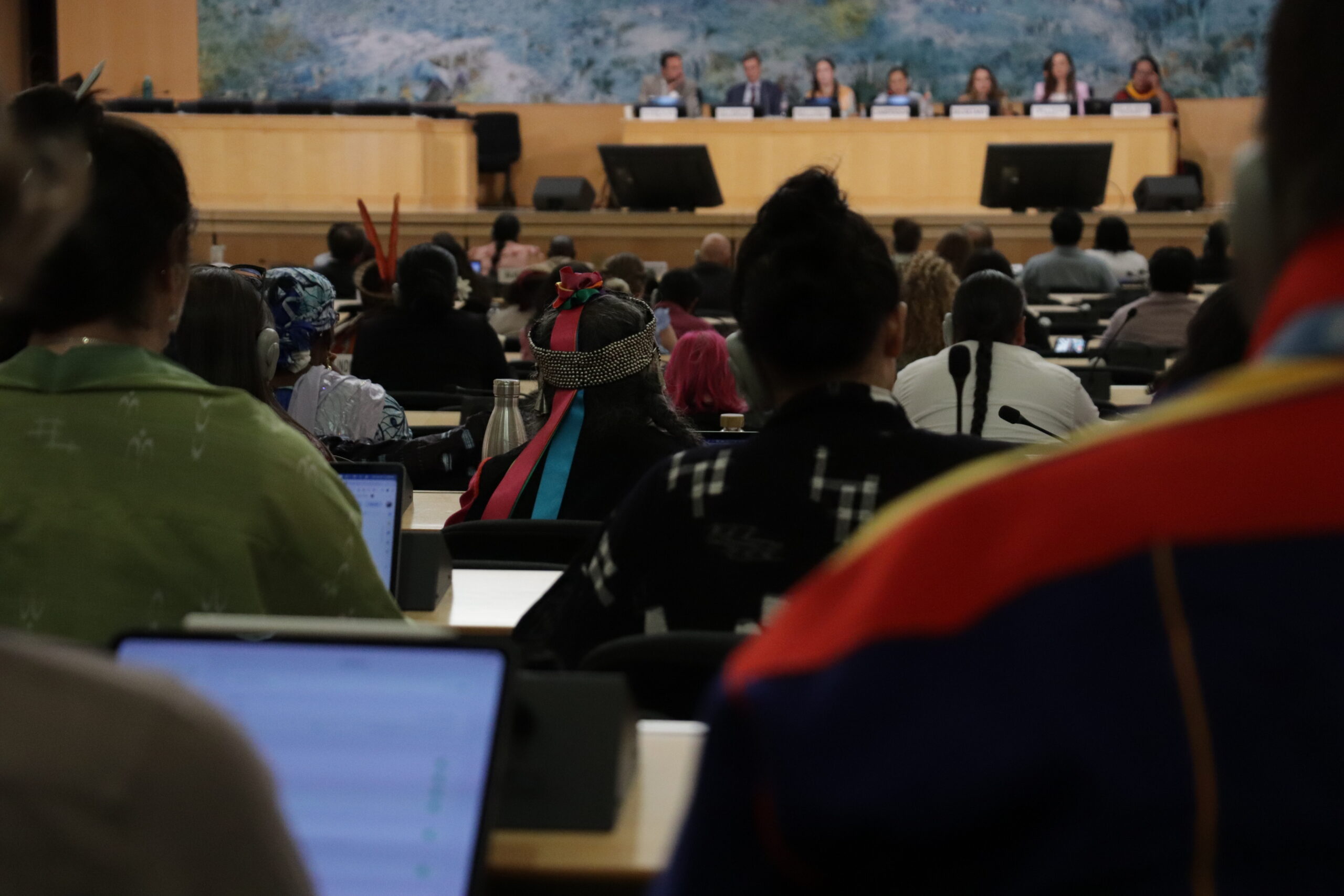
Indigenous leaders give the UN a roadmap for protecting their peoples
Amidst prayers and vows of solidarity, UN Expert Mechanism on the Rights of Indigenous Peoples ends annual meetings with demands for ‘action we’re not seeing globally’
-
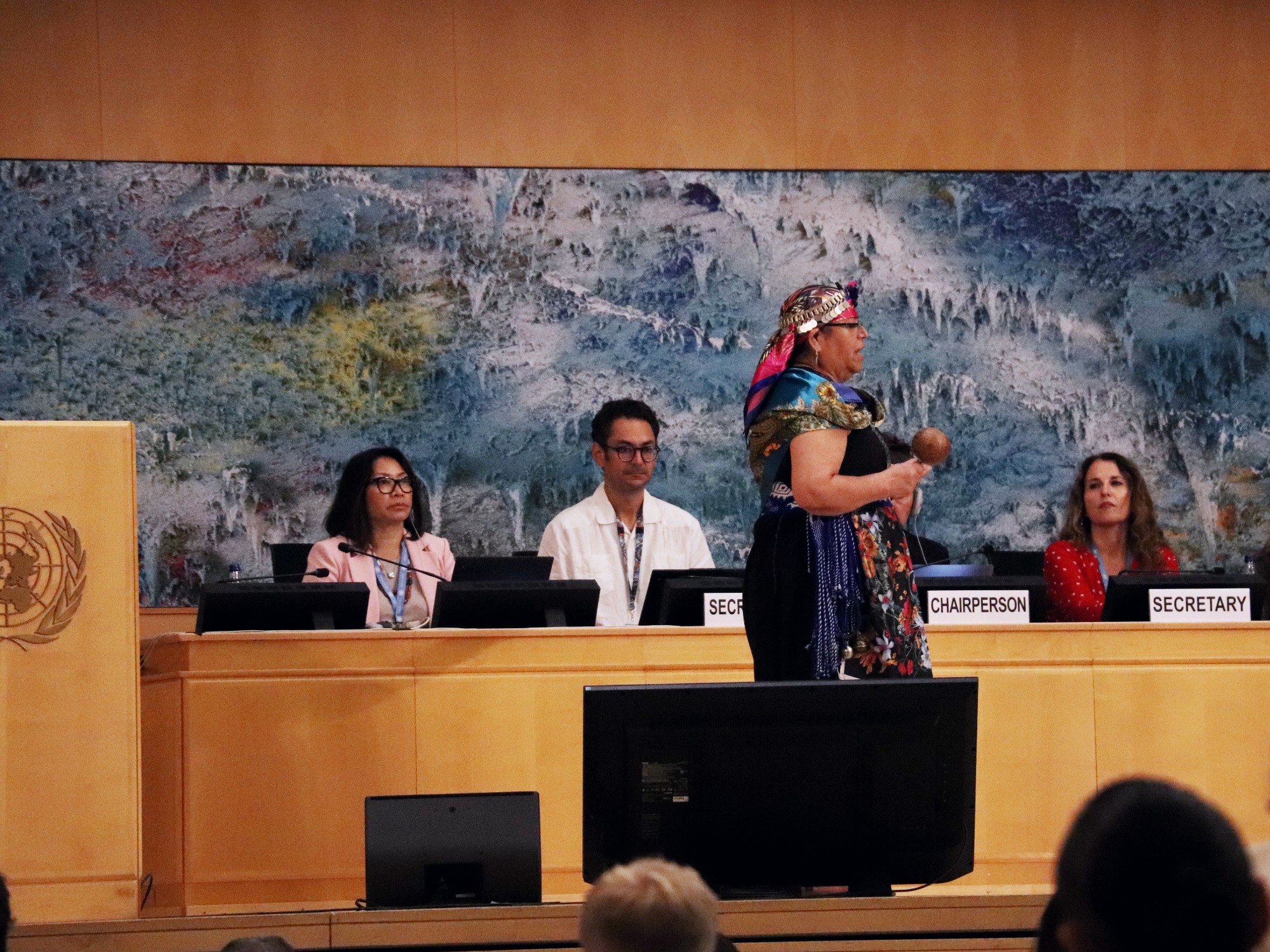
Indigenous people demand more say at the UN, as new crises hit their homelands
Indigenous nations live ‘on the frontlines’ of climate, conflict and new tech. But their voices remain sidelined in the global halls of power.