A toolkit ‘Knowing your rights’ works to combat forced sterilization of Indigenous women and systemic racism in healthcare
The Native Women’s Association of Canada’s educational toolkit, made by and for Indigenous, Métis and Inuit women and gender diverse people helps educate on informed consent in Canadian hospitals.

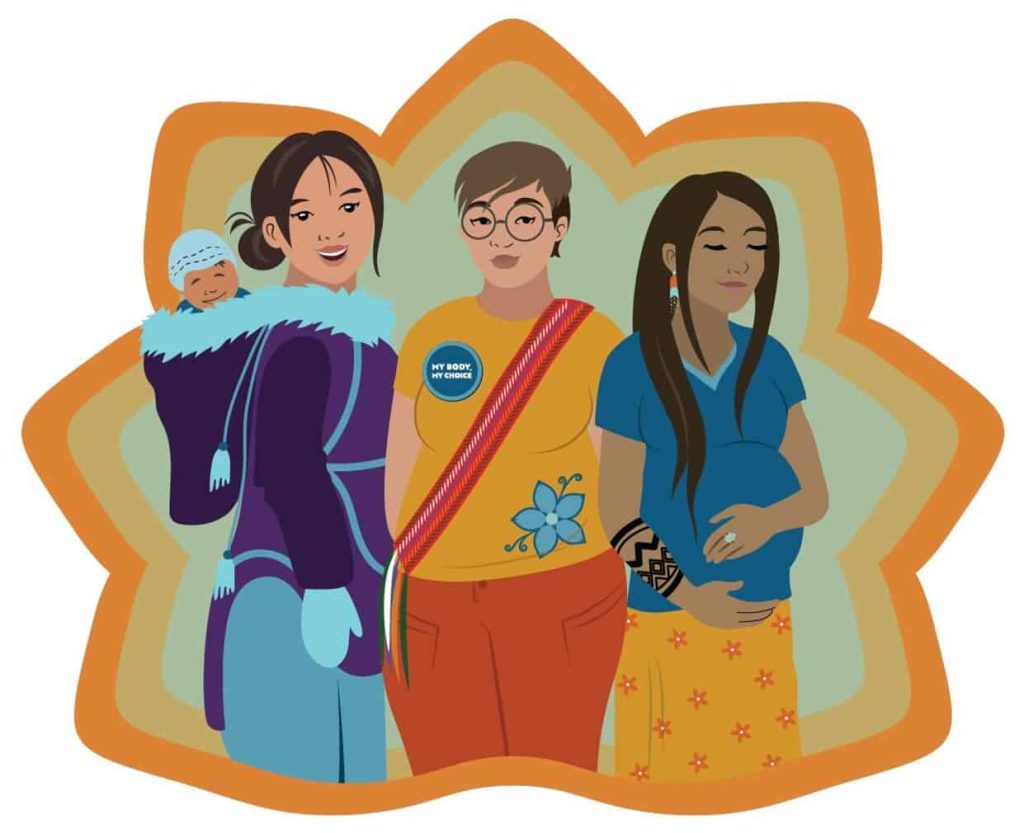
As more stories surface of Indigenous women who have experienced forced sterilization in public hospitals, the Native Women’s Association of Canada has created a toolkit to help educate on consent and rights in the healthcare system.
According to a 2019 submission by lawyer Alisa Lombard to the United Nations (UN), from 2016 to 2018, more than 100 Indigenous women have come forward as victims of forced sterilization in public hospitals in Canada.
“This is a practice for which there has been no accountability, no redress, no legislative response, and no meaningful policy reform,” Lombard writes in the submission to the UN Special Rapporteur on Violence against Women.
“Across Canada, there is no consistently defined or applied standard for obtaining informed consent, including with regard to sterilization procedures.”
A United Nations committee against torture calls forced sterilization a form of “torture.”
“It’s absolutely reprehensible,” says Native Women’s Association of Canada’s Senior Health Advisor Abrar Ali of the number of claims of forced sterilization, which she thinks in reality is actually much higher.
“It’s important to say that number is likely a lot higher than 100. That 100 just represents women who’ve joined lawsuits,” says Ali. “Many Indigenous women don’t trust the criminal justice system or the legal system in this country.”
That’s why on Oct. 28, NWAC released the ‘Knowing Your Rights’ toolkit “to help protect Indigenous women and gender-diverse people and combat systemic racism in the healthcare system.”
The toolkit was “designed for, and by Indigenous women,” says Ali. It was prepared by an interdisciplinary team at NWAC, including a physician, lawyer, community members, and colleagues.
An aggregate of women’s groups across the country, NWAC website says they represent the political voice of Indigenous women, girls, and gender diverse people in Canada, on and off reserve, status and non-status, Métis and Inuit.
Know your rights
NWAC’s collective goal is to foster social, economic, cultural, and political wellbeing of Indigenous women, Ali says.
“There’s no doubt that systemic racism is rampant within all systems in Canada, and that includes healthcare,” Ali says. But part of what she sees as a larger systemic issue, is a lack of understanding around patient’s rights.
People don’t always realize what consent means in the healthcare context, Ali explains.
This lack of understanding stems in part from the fact that patients are taught to believe that doctors have their best interests in mind, she says.
“People always did it under the guise that it [forced sterilization] was good for Indigenous women, but we heard it really hurt them,” Ali says.
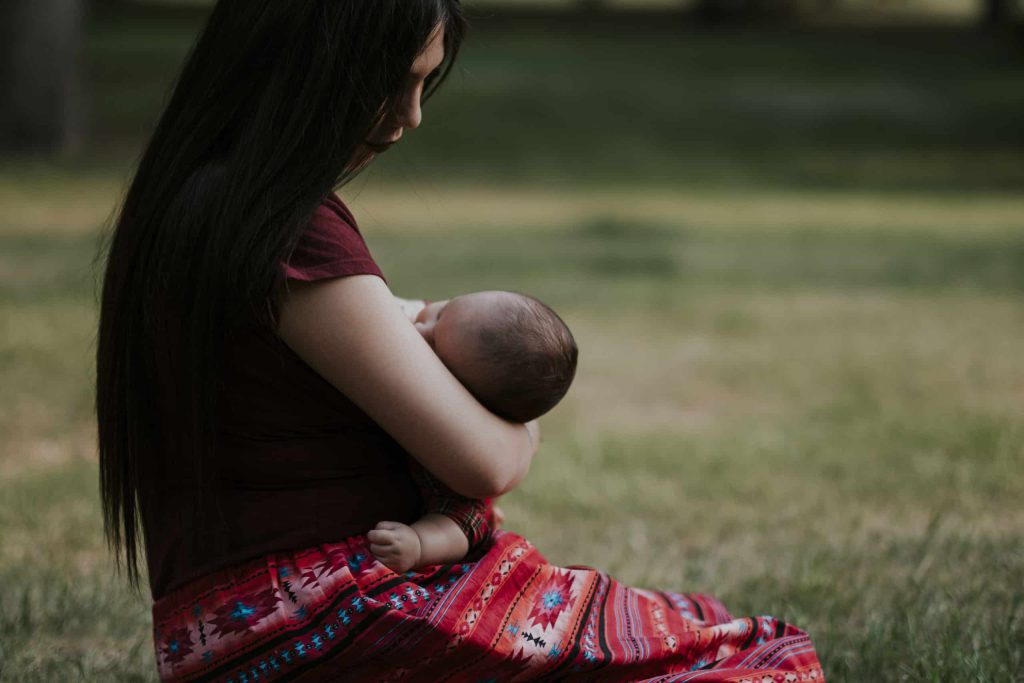
a violation of your human rights, medical ethics, and reproductive rights,” states NWAC’s ‘Knowing Your Rights’ toolkit. Photo by Elicia Munro
Community consultation comes before all NWAC projects, says Ali, and that’s how they approached the creation of the toolkit.
“In our engagement sessions, we heard from women there that they want more education on patients’ rights, human rights,” says Ali. “Even sexual health education itself was lacking in some of these communities.”
NWAC also analyzed and refined 162 recommendations responding to the recent cases of forced or coerced sterilization of Indigenous women.
This included recommendations from Dr. Yvonne Boyer, and Judith Bartlett who wrote a report on Aboriginal women and tubal ligation, as presented in the House of Commons Senate Committee on Human Rights, and a letter from MP Bill Casey, chair of the Standing Senate Committee on Health.
“The Committee learned that the forced or coerced sterilization of Indigenous women in Canada continues to occur to this day but the full extent of it remains unknown,” states the letter.
One of the recommendations called for increased training and education, a sentiment NWAC found repeated throughout their engagement sessions, Ali says..
“Knowing your rights” intends to combat the forced sterilization, also known as torture, of Indigenous women, through education Ali says.
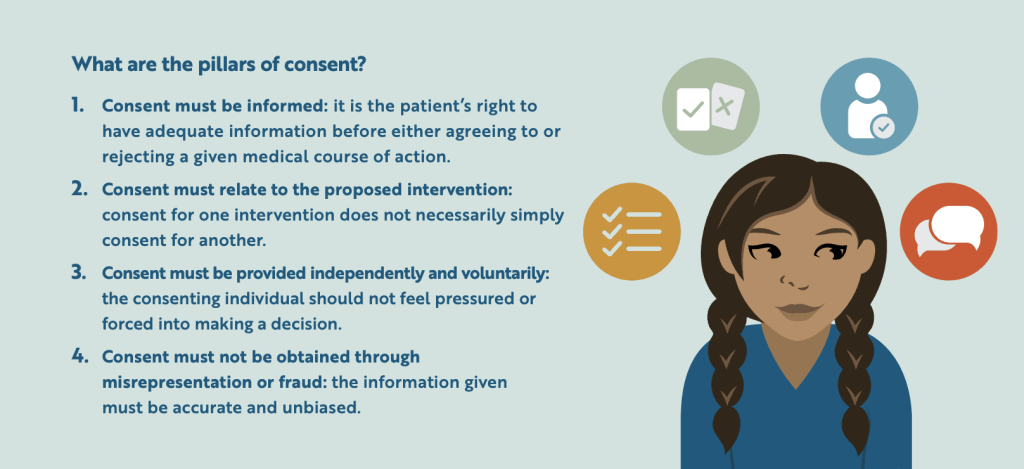
Free, prior and informed consent
The toolkit outlines and defines consent in the healthcare setting.
“I think we need to say free, prior and informed consent, because those elements are very important,” Ali emphasizes.
Prior, she says, means explanations and descriptions from doctors of what options are available and what a patient can expect, as well as enough time to process information and make a decision.
“This all needs to be done before administering [a procedure] and not after, and it needs to be voluntary so the patient is entitled to consent without pressure.” says Ali.
The toolkit illustrates how and when coercion can happen. Some women were coerced or forced into being sterilized immediately or shortly after giving birth, believing it was the safest option for their babies, Ali explains.
It also illustrates the full scope of violations women might be experiencing, without knowing the impacts of certain decisions, or their rights in the matter. The toolkit also includes information on how to file complaints and access various forms of birth control.
‘The system needs to change’
While education for Indigenous women and all patients may decrease violence in hospitals, informed consent is the legal and ethical obligation of healthcare providers, Ali explains.
“The onus to make sure that the patient has understood everything, is on the healthcare provider,” she says. “This means the healthcare provider needs to explain the full details of the procedure, the risks, benefits of the procedure.”
Informed consent leads to agency, Ali explains. When patients know what questions to ask, they can help direct their own experiences.
“The patient chooses the procedure that aligns with their needs, their priorities,” Ali says.
But beyond informed consent, there needs to be structural changes, Ali stresses.
“It has to stop. Not only forced sterilization, but the underlying issues around racism and health care,” she says. “All of those nuances and the systems in which Indigenous women are forced to exist, need to change.”
Further training and education are needed, she says, including more data, investigative reports, policies and accountability on all levels.
“We can’t expect Indigenous women to thrive in a colonized system and we can’t expect reconciliation to happen without adjusting the system,” Ali says.
Author
We live in a media ecosystem that thrives on misinformation. Big Tech and AI companies are consuming the work of real human beings and Canadian news has been banned on Facebook and Instagram.
And yet, I have hope for journalism because of the work we’re doing at IndigiNews.
At IndigiNews, we embody tâpwêwin — the Cree value of integrity and responsibility in truth-telling. We are committed to our independent, Indigenous-led newsroom rooted in community, accountability, and relationality. We believe storytelling is a sacred fire that connects our pasts, presents, and futures through the storytellers in our Storytelling Lodge. IndigiNews creates space for Indigenous journalists, storytellers, Knowledge Keepers, and communities to gather, learn, and share stories that matter.
As a registered charity, we are building a fire that allows our work not just to ignite but to thrive. Rather than relying on advertising or corporate acquisition, IndigiNews is sustained by people like you who believe Indigenous stories are important for the future of our communities.
Your support is making a real difference.
Our community of supporters, our Firekeepers, make it possible to grow our newsroom, publish award-winning journalism, train emerging Indigenous journalists through initiatives like the ReFocus Photojournalism Fellowship, and publish trustworthy stories that serve our communities across the country. Every story we publish helps fill in gaps left by mainstream media and ensures Indigenous perspectives are represented with care, accuracy and respect.
But there is still more work to do.
As the media landscape becomes more and more uncertain, community support is as necessary and essential as it’s ever been. Every new Firekeeper helps protect the independence of our newsroom and strengthens journalism that is accountable to our many and varied communities over corporations.
That’s why we’re inviting you to become a Firekeeper.
Firekeepers tend to and protect the sacred fire. Your monthly contributions directly support IndigiNews’s Storytelling Lodge, helps sustain our independent, Indigenous-led newsroom, and ensures future generations of Indigenous storytellers have the resources they need to do the work.
As a registered Canadian charity, all eligible donations receive a charitable tax receipt.
If you believe Indigenous stories matter, if you value independent journalism, and if you want to help build a strong future for Indigenous media, we invite you to join our circle of Firekeepers today.
Together, we can keep the fire burning.
— Eden Fineday, Publisher, IndigiNews
Support us nowLatest Stories
-
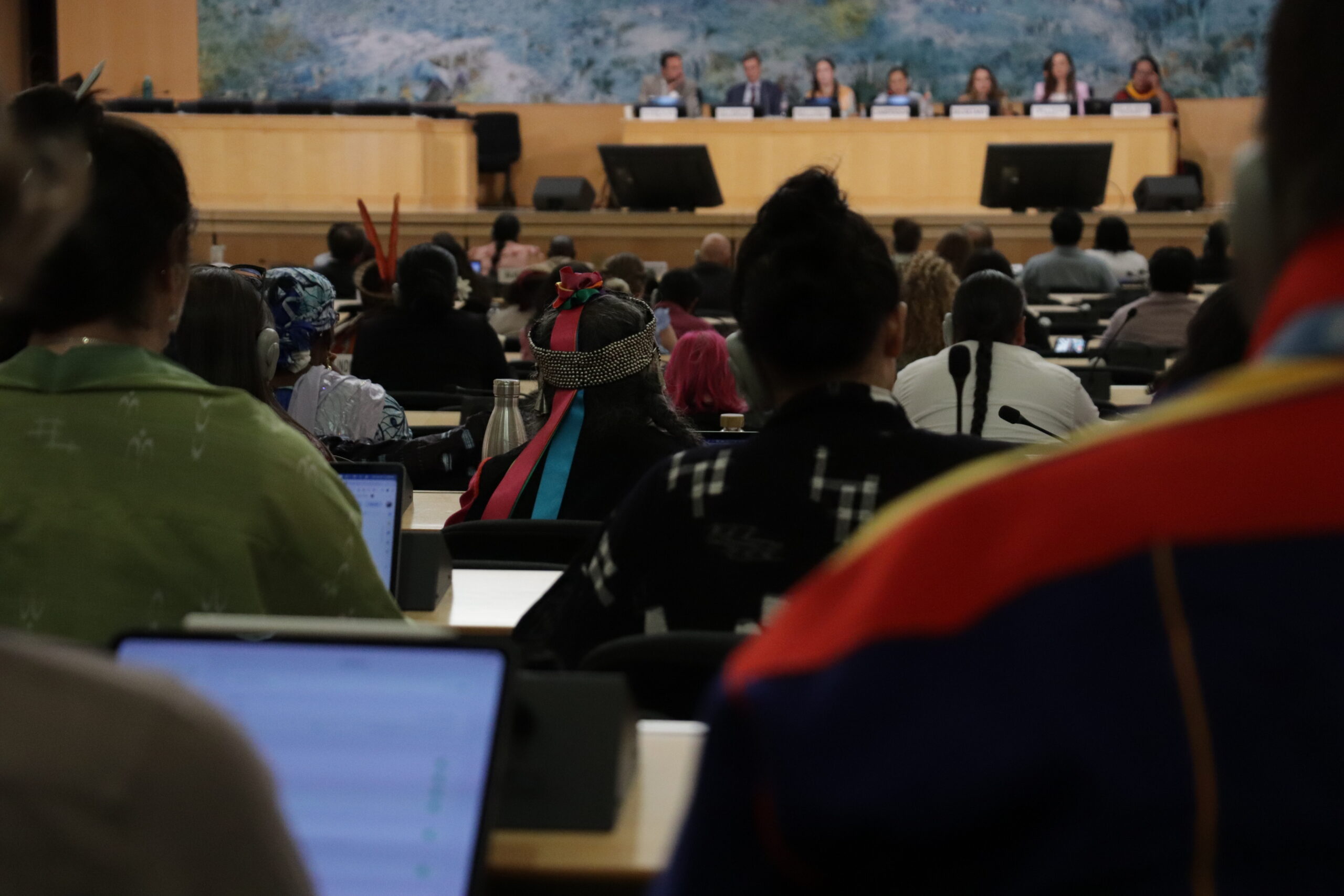
Indigenous leaders give the UN a roadmap for protecting their peoples
Amidst prayers and vows of solidarity, UN Expert Mechanism on the Rights of Indigenous Peoples ends annual meetings with demands for ‘action we’re not seeing globally’
-
Indigenous people demand more say at the UN, as new crises hit their homelands
Indigenous nations live ‘on the frontlines’ of climate, conflict and new tech. But their voices remain sidelined in the global halls of power.