New harm-reduction program in kiʔlawnaʔ focused on cultural wellness
knknxtəwix̌ (We Walk Hand in Hand) wants to go beyond the frontlines to make changes within the system itself

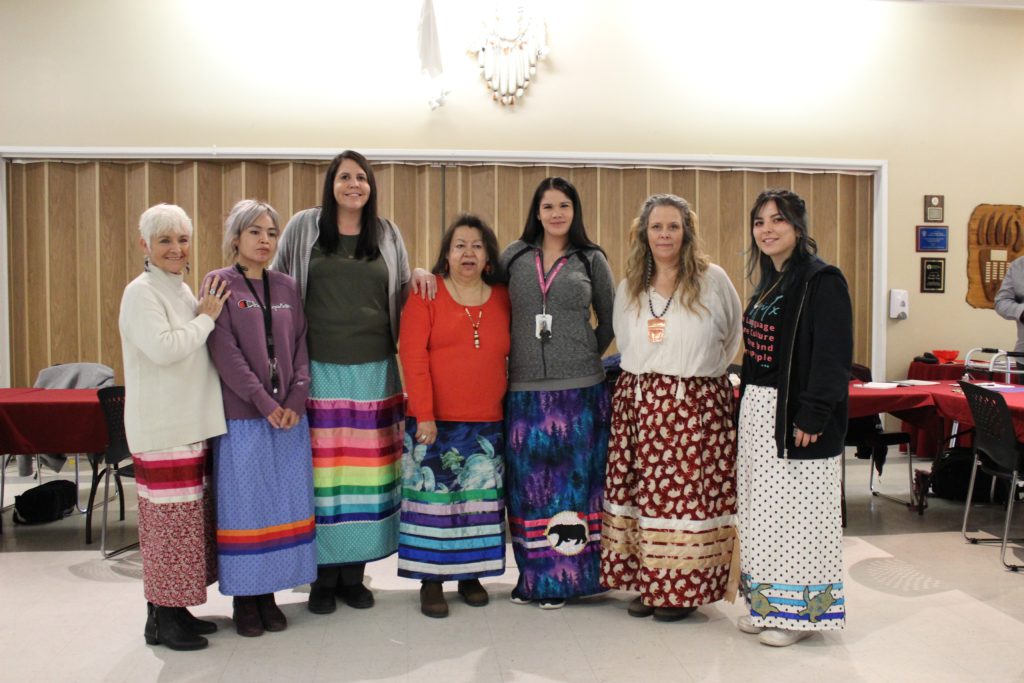
A new harm-reduction program in syilx homelands aims to create culturally-safe care for Indigenous people who often face stigma within the provincial health system.
knknxtəwix̌ (We Walk Hand in Hand) is an initiative recently launched in kiʔlawnaʔ (Kelowna) for people living in vulnerable situations — particularly those who use substances, are experiencing homelessness, dealing with intergenerational trauma or are working in the sex trade industry.
While outreach and helping people on the frontlines are crucial elements of the initiative, project manager Ali Butler of Lower Similkameen Indian Band said that the main focus is making change within the system itself.
She said a specific priority is decolonizing through education and relationship-building workshops with healthcare providers.
“I’m not sure people — the general, average Canadian — actually really knows what it’s like for Indigenous people to try and access culturally-safe services,” said Butler.
“A big goal of this specific project, knknxtəwix̌, is increasing cultural safety. Everyone deserves access to cultural wellbeing.”
A 2020 report, “In Plain Sight,” examined racism against Indigenous people in the province’s health-care system, and found that there is widespread stereotyping and discrimination towards Indigenous people in healthcare at all levels — especially in urgent care.
At the same time, the First Nations Health Authority said in 2022 that First Nations people living in “B.C.” are dying from toxic drugs at a rate that is five times higher than that of non-First Nations people.
Butler said that she was motivated to apply for funding for knknxtəwix̌ last year after seeing the results of the In Plain Sight report. It was announced late last year that the initiative received $662,433 in federal funding.
knknxtəwix̌ is being led by an Indigenous Harm Reduction Team (IHRT) — which consists of Indigenous nurses, peer outreach workers, Elders and more.
“The main goal is to deconstruct colonialism and really provide a safe place for Indigenous people to access safe healthcare,” said Crystal Smallboy of Big River Cree First Nation, who serves as an IHRT nurse with Ki-Low-Na Friendship Society (KFS).
“A lot of the time, they have a bad relationship with the healthcare system. We’re trying to just make that safe place for them to come to.”
The program is a collaboration between a number of local partners that include Urban Matters CCC, the PEOPLE Lived Experience Society, KFS and the City of Kelowna.
The project, which runs from January to September, is divided into three components: outreach with harm reduction services, developing a substance use day-program rooted in Indigenous worldviews, and delivering relationship-building dialogue workshops with the healthcare sector to shift service delivery and decolonize health practices.
“It’s a starting place, really,” said Butler. “We are very hopeful that we’ll be able to build strong relations and sustain this project in community.”
Butler said that the relationship-building workshops will be rolled out in the next few weeks, with one of the main objectives to dismantle implicit bias against Indigenous people in the healthcare system, which she said negatively seeps into service delivery.
“These workshops are going to be challenging because we don’t know where everybody is at, in terms of their knowledge and their understanding of the colonial history and genocides within Canada,” she said.
“There are some very strong allies in community, and there are people who are just learning.”
Much of the work completed so far has been on the frontlines. IHRT frontline workers wearing red vests have been patrolling the downtown streets twice a day conducting outreach with Indigenous people in vulnerable circumstances.
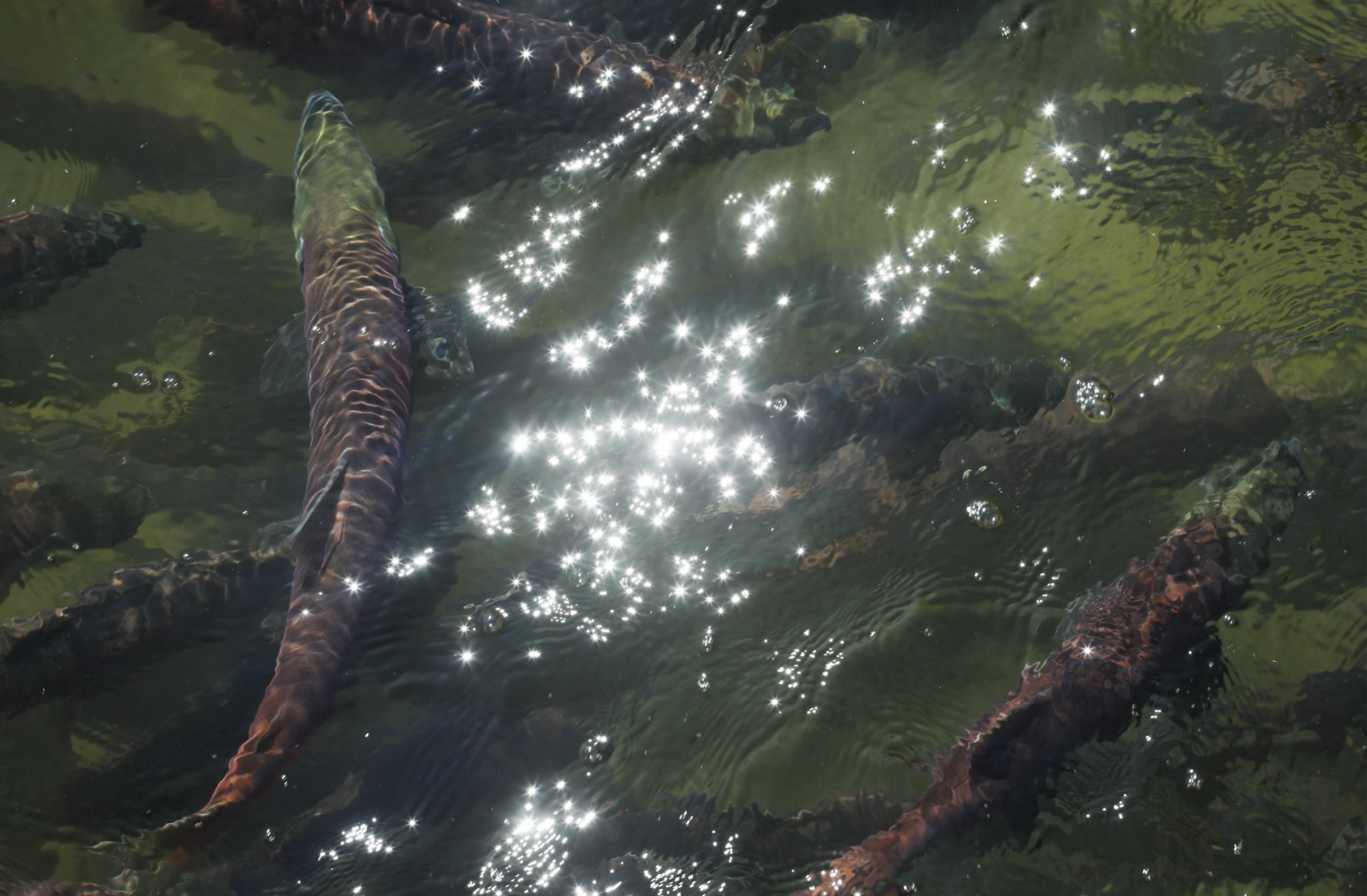
In addition to food and harm-reduction supplies, the frontline workers also come equipped with an eagle feather, sage and smudge bowls, medicine ties and dried salmon. Smallboy said that by including cultural values in the outreach work, the hope is that trust is built and that a sense of belonging is created.
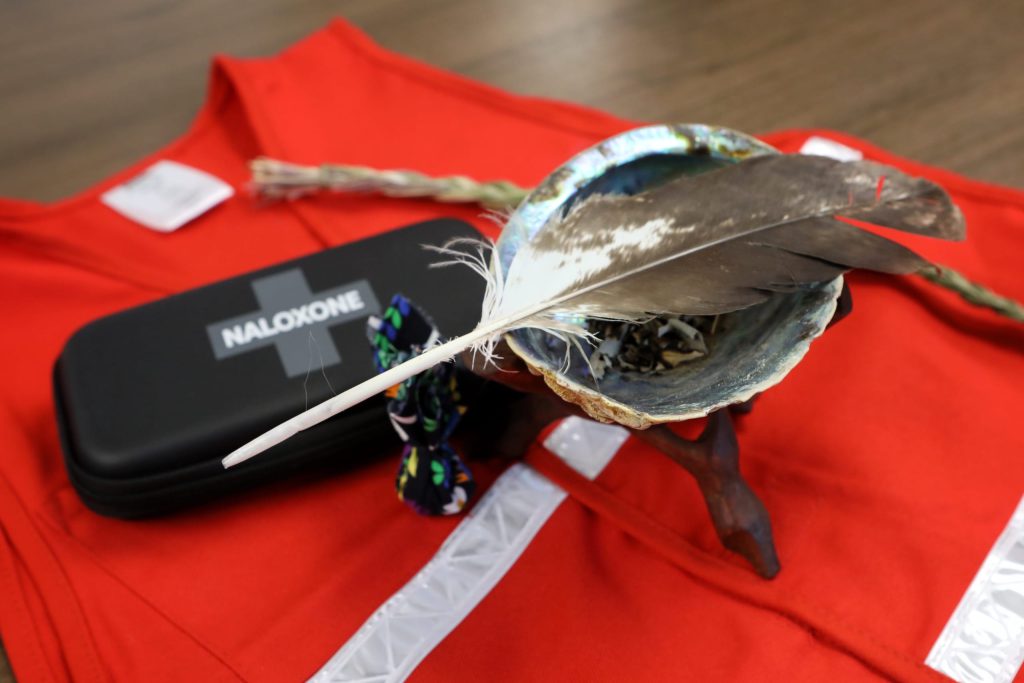
“A lot of people have had some cultural experiences as a child, and it brings back good memories of that time,” said Smallboy. “Right away, they open up to you and trust you.”
As more outreach is conducted and relationships are formed, the next step is to build case-management for those who identify as First Nations, Inuit or Métis, Smallboy said. With a deeper case management system in place, the IHRT wants to support clientele with access to medication, social work and other low-barrier cultural programs or services.
“I just hope that they feel that somebody cares for them,” said Smallboy. “Just to give them a sense of hope to try to pick themselves up, to try harder and know that someone cares enough to take care of themselves more.”
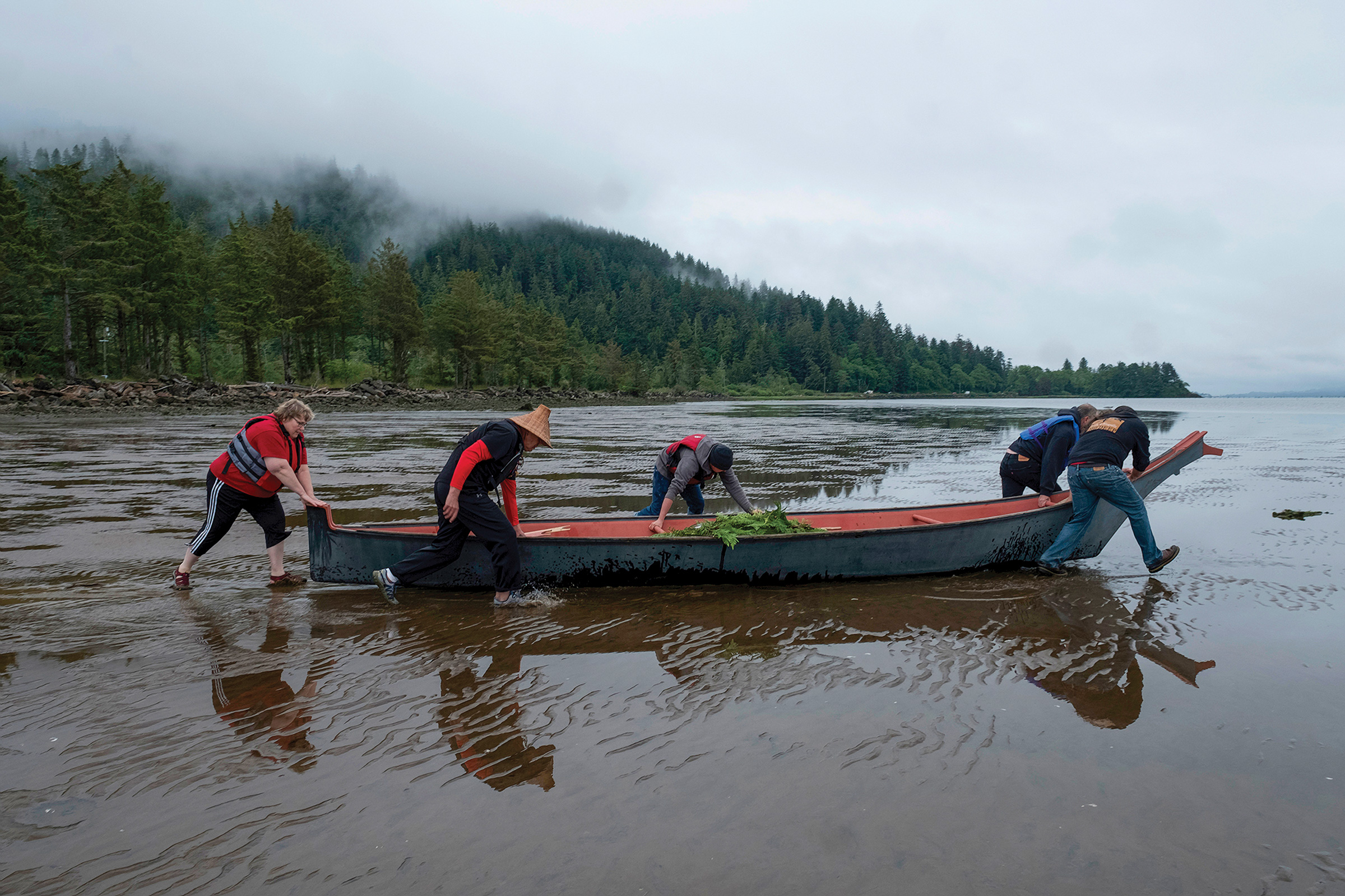
The aim is that a substance use day-program will be launched in the summer, which will offer services and programs that take people out on the land for canoeing, sweat lodges, harvesting salmon, berry picking and sage picking.
“Reconnecting with culture is huge. A lot of people have been away from their culture for so long — they don’t even know where to begin,” said Smallboy.
While the project is still in its early stages, Butler said that she hopes that its impacts are felt across the board — on the individual level, on systems and organizations.
“I imagine that we will go slow and we’ll go fast. In a way, it’s like harm reduction; we want to meet people where they’re at,” she said.
“We need to do this walk together. I’m really quite curious to see what the appetite is for next steps towards reconciliation.”
Author
We live in a media ecosystem that thrives on misinformation. Big Tech and AI companies are consuming the work of real human beings and Canadian news has been banned on Facebook and Instagram.
And yet, I have hope for journalism because of the work we’re doing at IndigiNews.
At IndigiNews, we embody tâpwêwin — the Cree value of integrity and responsibility in truth-telling. We are committed to our independent, Indigenous-led newsroom rooted in community, accountability, and relationality. We believe storytelling is a sacred fire that connects our pasts, presents, and futures through the storytellers in our Storytelling Lodge. IndigiNews creates space for Indigenous journalists, storytellers, Knowledge Keepers, and communities to gather, learn, and share stories that matter.
As a registered charity, we are building a fire that allows our work not just to ignite but to thrive. Rather than relying on advertising or corporate acquisition, IndigiNews is sustained by people like you who believe Indigenous stories are important for the future of our communities.
Your support is making a real difference.
Our community of supporters, our Firekeepers, make it possible to grow our newsroom, publish award-winning journalism, train emerging Indigenous journalists through initiatives like the ReFocus Photojournalism Fellowship, and publish trustworthy stories that serve our communities across the country. Every story we publish helps fill in gaps left by mainstream media and ensures Indigenous perspectives are represented with care, accuracy and respect.
But there is still more work to do.
As the media landscape becomes more and more uncertain, community support is as necessary and essential as it’s ever been. Every new Firekeeper helps protect the independence of our newsroom and strengthens journalism that is accountable to our many and varied communities over corporations.
That’s why we’re inviting you to become a Firekeeper.
Firekeepers tend to and protect the sacred fire. Your monthly contributions directly support IndigiNews’s Storytelling Lodge, helps sustain our independent, Indigenous-led newsroom, and ensures future generations of Indigenous storytellers have the resources they need to do the work.
As a registered Canadian charity, all eligible donations receive a charitable tax receipt.
If you believe Indigenous stories matter, if you value independent journalism, and if you want to help build a strong future for Indigenous media, we invite you to join our circle of Firekeepers today.
Together, we can keep the fire burning.
— Eden Fineday, Publisher, IndigiNews
Support us nowLatest Stories
-
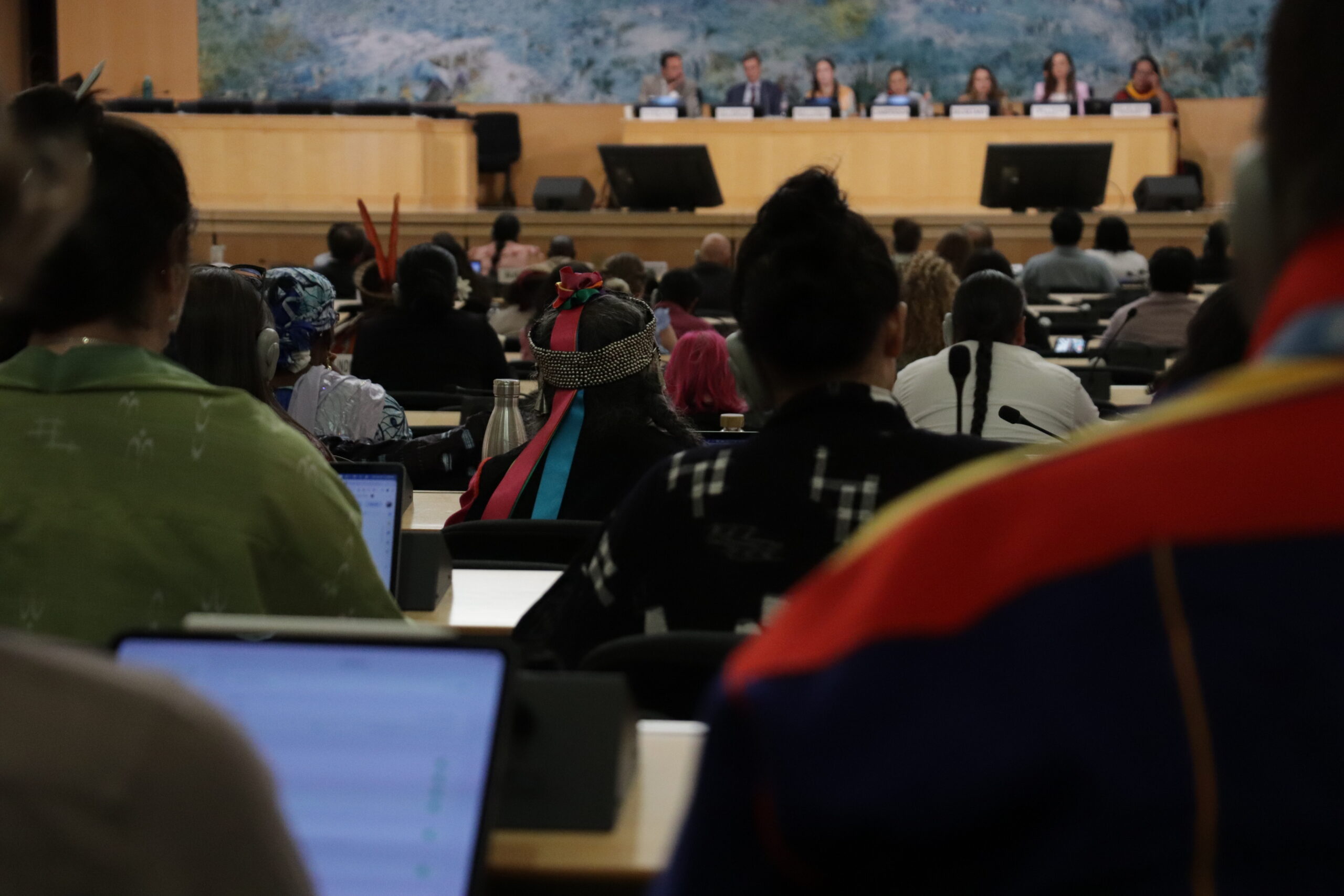
Indigenous leaders give the UN a roadmap for protecting their peoples
Amidst prayers and vows of solidarity, UN Expert Mechanism on the Rights of Indigenous Peoples ends annual meetings with demands for ‘action we’re not seeing globally’
-
Indigenous people demand more say at the UN, as new crises hit their homelands
Indigenous nations live ‘on the frontlines’ of climate, conflict and new tech. But their voices remain sidelined in the global halls of power.