New housing project at tiskʷat represents homecoming for Tla’amin Nation
‘Our ancestors used to build their houses right along the same river,’ says public works director. ‘It’s very special for us to go back home to the same spot’
Thirty new homes being built at a former Tla’amin village represent a homecoming for the nation, after a long journey to regain the important site.
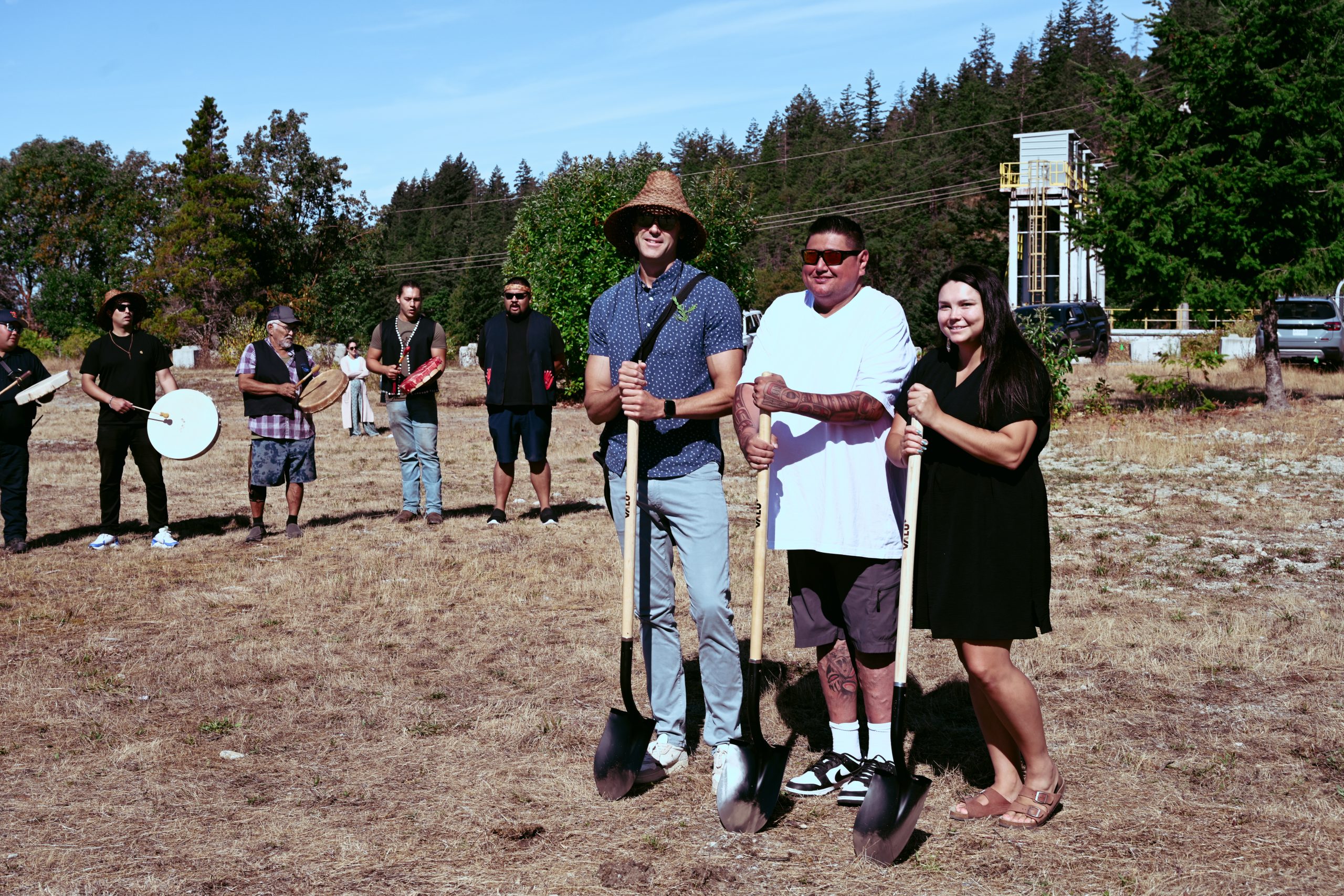
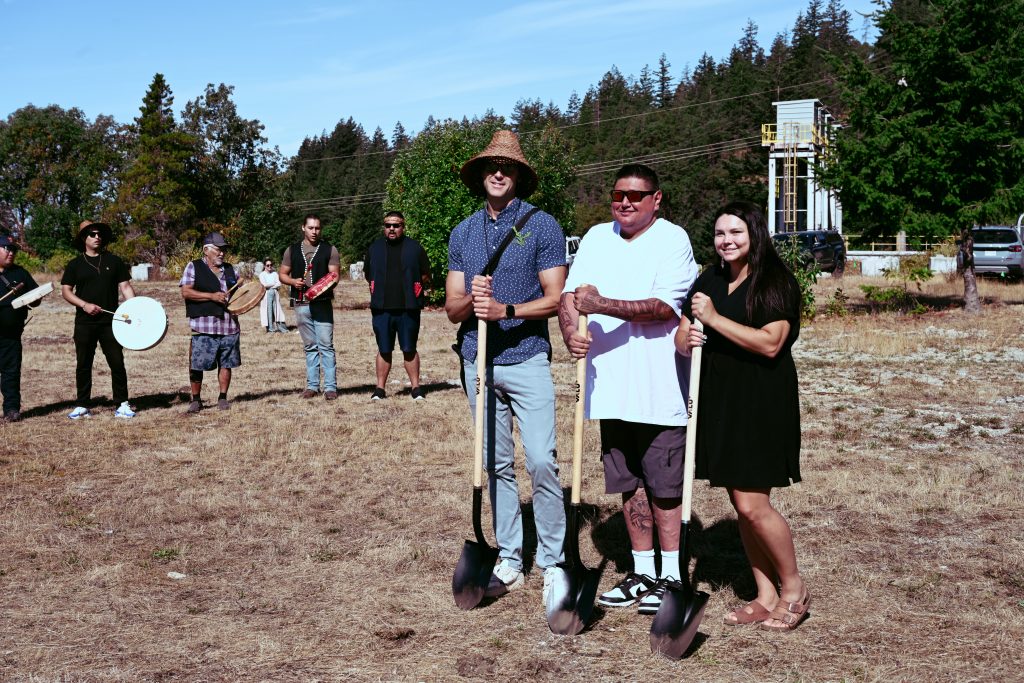
The housing project at the tiskʷat village site in “Powell River” on “B.C.’s” Sunshine Coast is now being prepped for construction after an event last month where community members gathered to bless the ground and hold ceremony at the site.
The Tla’amin Nation has been in the process of reclaiming tiskʷat after being separated from the village site for seven generations — the land was stolen and sold by “British Columbia” more than 150 years ago.
The project, dubbed “Coming Home,” is the first major housing development for the nation outside of its main village site t̓išosəm. The 30 homes will have two to three bedrooms and are planned to be rental units for Tla’amin families.
“This is where thousands of Tla’amin people lived for over 20,000 years,” said Tla’amin’s director of public works and capital infrastructure, Carmen Galligos.
“Archeologically, we found some artifacts that date back 10,000 to 20,000 years, so it’s very significant that our people used to live here. Our ancestors used to build their houses right along the same river. It’s very special for us to go back home to the same spot.”
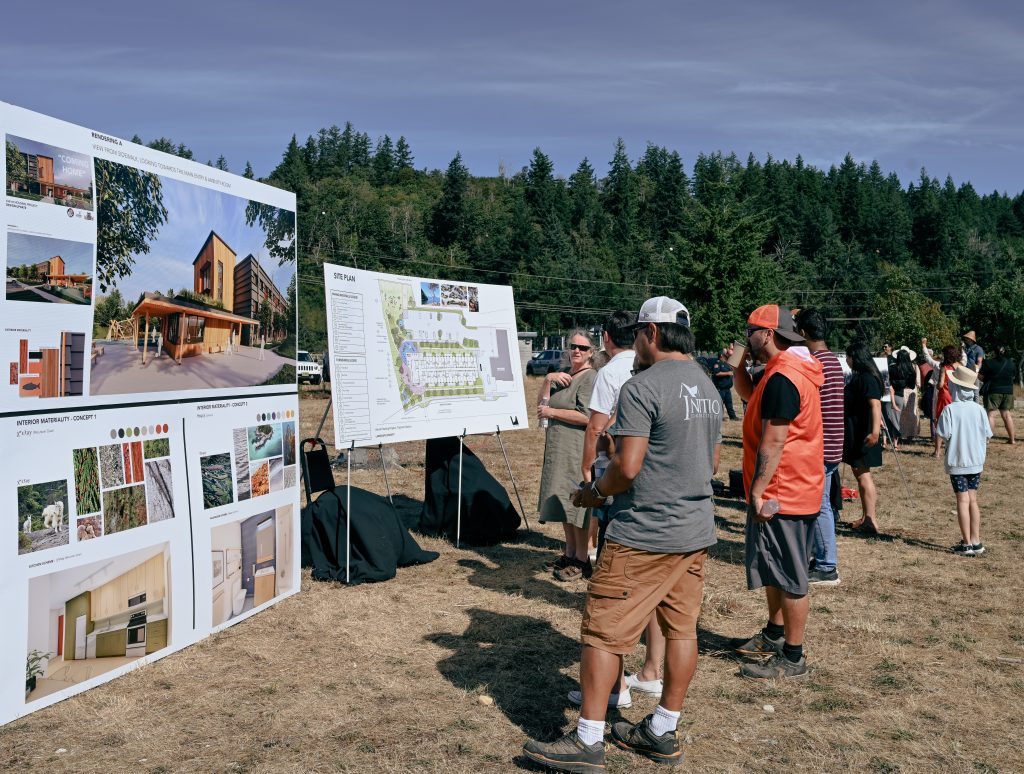
The homes are being built on a portion of tiskʷat where the former Powell River General Hospital was once located in the Townsite area. On August 13, people gathered on the site where a song, burning, and cedar brushing were shared, followed by the project team answering questions from members of the public.
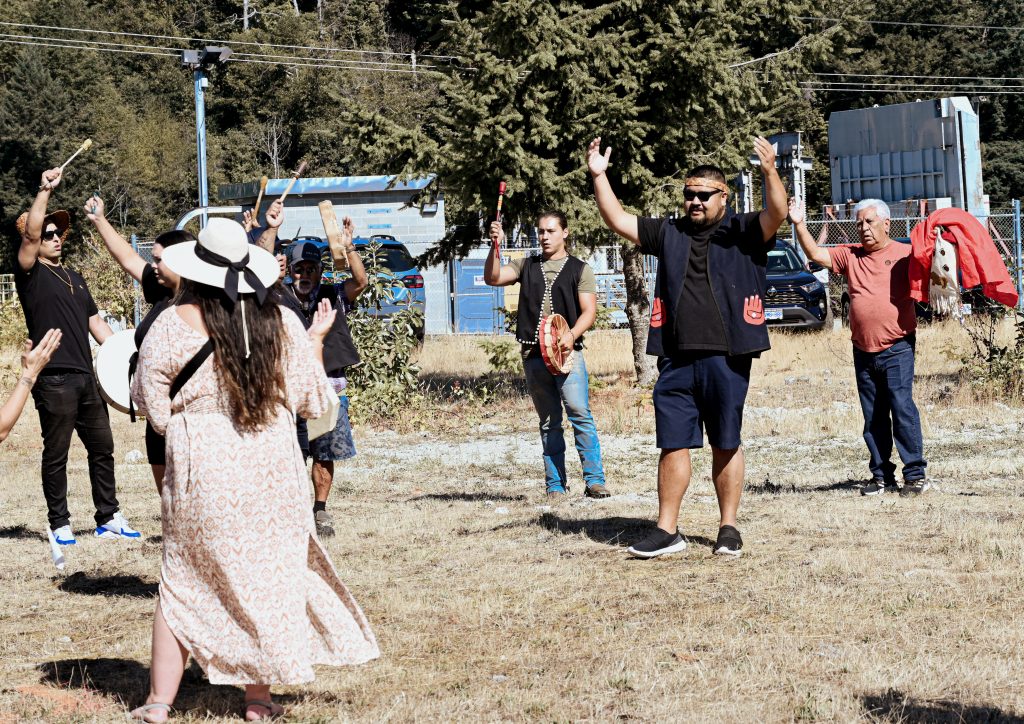
Tla’amin hegus (Chief) John Hackett explained in a press release that Tla’amin carries out ground blessings before all major developments.
“We bless the ground to begin the work in a good way by taking care of the land and our ancestors,” said Hackett.
“Before we disturb the ground, we let the ancestors know what our plans and intentions are and pray that they will keep all the workers safe and protected.”
The project is a collaboration between Tla’amin, BC Housing, and Lu’ma Native Housing Society and construction will be completed by Converge Construction.
Galligos said the nation is narrowing down final details on the buildings’ designs, but the homes are expected to take about 18 months to complete.
Right now, until late October, heavy machinery is on the site preparing for development. Once the homes are complete, the nation hopes to move families in right away.
“There’s a big need for housing as fast as possible, so we’re hoping to move people in as soon as we can,” Galligos explained.
“It’s my first project, working with multiple jurisdictions; creating stronger partnerships with the City of Powell River, the ministries, the province and the nation, all working together to make it happen.”
Currently, the nation’s housing waitlist has 50 families who need a home. A statement from the nation said “the exact number changes as new applications come in and units are allocated, but the demand far exceeds the number of homes available.”
Community members can apply for housing through the nation’s website. Galligos said Tla’amin is working on creating an affordable rent price for the units.
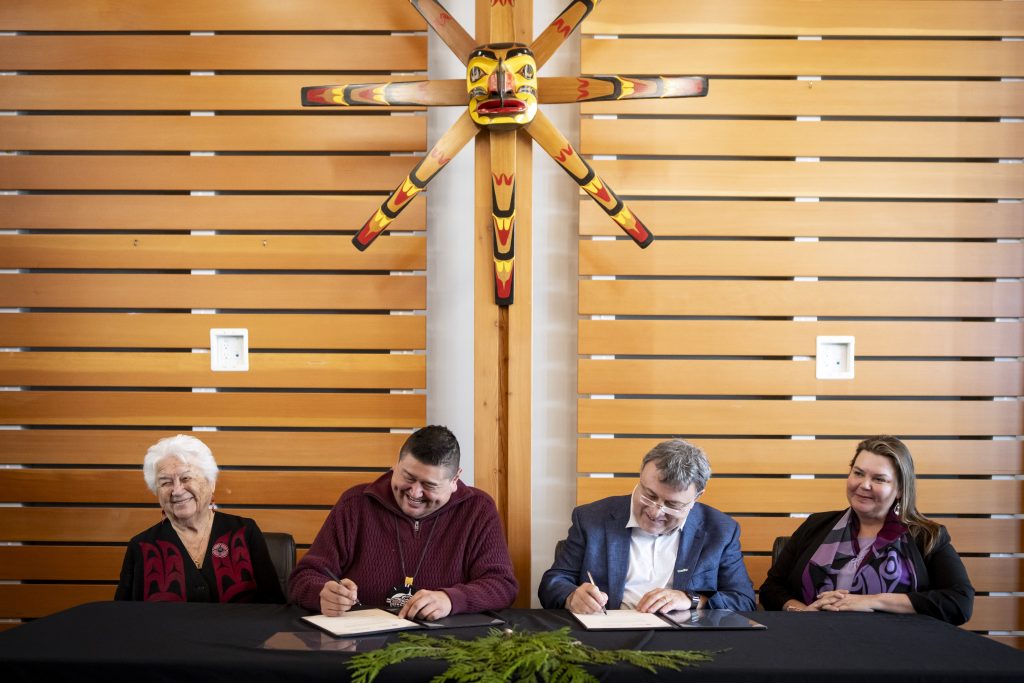
The tiskʷat homes come after the Tla’amin announced back in March that they had reached an agreement with Domtar (formerly Paper Catalyst Excellence) to purchase back most of the mill site.
Currently, Tla’amin is also in ongoing negotiations with “Canada” for Lot 450, which includes tiskʷat and the former paper and pulp mill. The nation also signed a memorandum of understanding with “British Columbia” last October to safeguard tiskʷat and address the environmental impacts after decades of the mill’s operation.
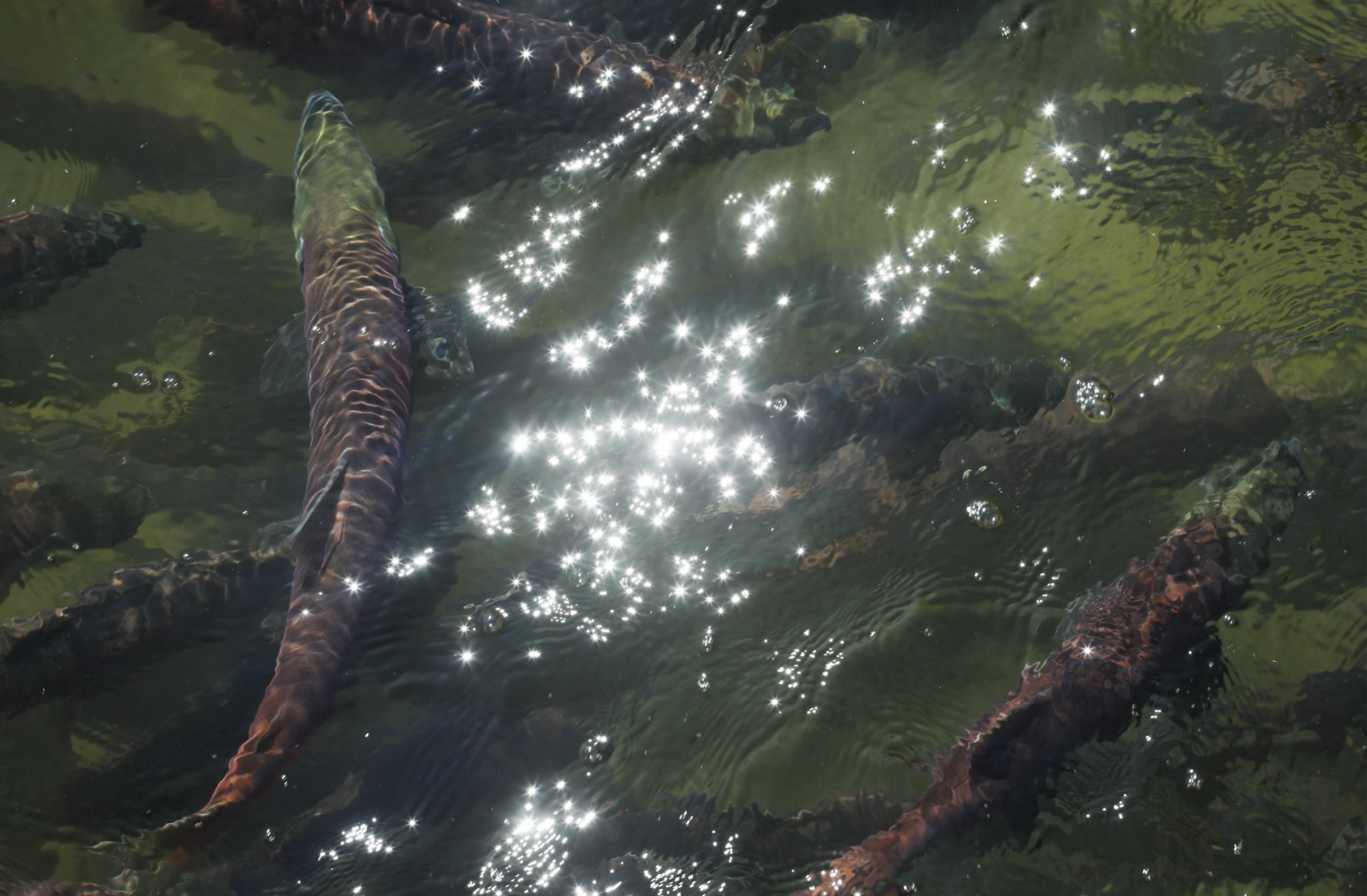
tiskʷat was formerly a major village and fishing site of Tla’amin, Homalco, Klahoose, and K’ómoks First Nations families, as mentioned in written and oral histories. Cabins were built close to the river, where millions of sockeye, pink, coho, and chum salmon would spawn there each fall, which brought the families of the four sister nations together to harvest.
But after colonization, the nations were removed from tiskʷat, and the site was illegally sold by the province to Robert Paterson “R.P.” Rithet.
Now, Tla’amin owns most of tiskʷat, one segment will be sold by Domtar to one or more third parties for industrial redevelopment. In a press release, the nation stated that the agreement will “ensure the lands will also continue to create economic benefits for the broader community well into the future.”
“We want to thank our ancestors who never gave up on tiskwat. Your strength has guided our hands in this work,” said hegus Hackett.
“Reconnecting with this place — once the original commercial hub of our territory, a center of trade and prosperity for thousands of years — is deeply emotional. We look forward to once again exercising our responsibilities to these lands.”
Author
We live in a media ecosystem that thrives on misinformation. Big Tech and AI companies are consuming the work of real human beings and Canadian news has been banned on Facebook and Instagram.
And yet, I have hope for journalism because of the work we’re doing at IndigiNews.
At IndigiNews, we embody tâpwêwin — the Cree value of integrity and responsibility in truth-telling. We are committed to our independent, Indigenous-led newsroom rooted in community, accountability, and relationality. We believe storytelling is a sacred fire that connects our pasts, presents, and futures through the storytellers in our Storytelling Lodge. IndigiNews creates space for Indigenous journalists, storytellers, Knowledge Keepers, and communities to gather, learn, and share stories that matter.
As a registered charity, we are building a fire that allows our work not just to ignite but to thrive. Rather than relying on advertising or corporate acquisition, IndigiNews is sustained by people like you who believe Indigenous stories are important for the future of our communities.
Your support is making a real difference.
Our community of supporters, our Firekeepers, make it possible to grow our newsroom, publish award-winning journalism, train emerging Indigenous journalists through initiatives like the ReFocus Photojournalism Fellowship, and publish trustworthy stories that serve our communities across the country. Every story we publish helps fill in gaps left by mainstream media and ensures Indigenous perspectives are represented with care, accuracy and respect.
But there is still more work to do.
As the media landscape becomes more and more uncertain, community support is as necessary and essential as it’s ever been. Every new Firekeeper helps protect the independence of our newsroom and strengthens journalism that is accountable to our many and varied communities over corporations.
That’s why we’re inviting you to become a Firekeeper.
Firekeepers tend to and protect the sacred fire. Your monthly contributions directly support IndigiNews’s Storytelling Lodge, helps sustain our independent, Indigenous-led newsroom, and ensures future generations of Indigenous storytellers have the resources they need to do the work.
As a registered Canadian charity, all eligible donations receive a charitable tax receipt.
If you believe Indigenous stories matter, if you value independent journalism, and if you want to help build a strong future for Indigenous media, we invite you to join our circle of Firekeepers today.
Together, we can keep the fire burning.
— Eden Fineday, Publisher, IndigiNews
Support us nowLatest Stories
-
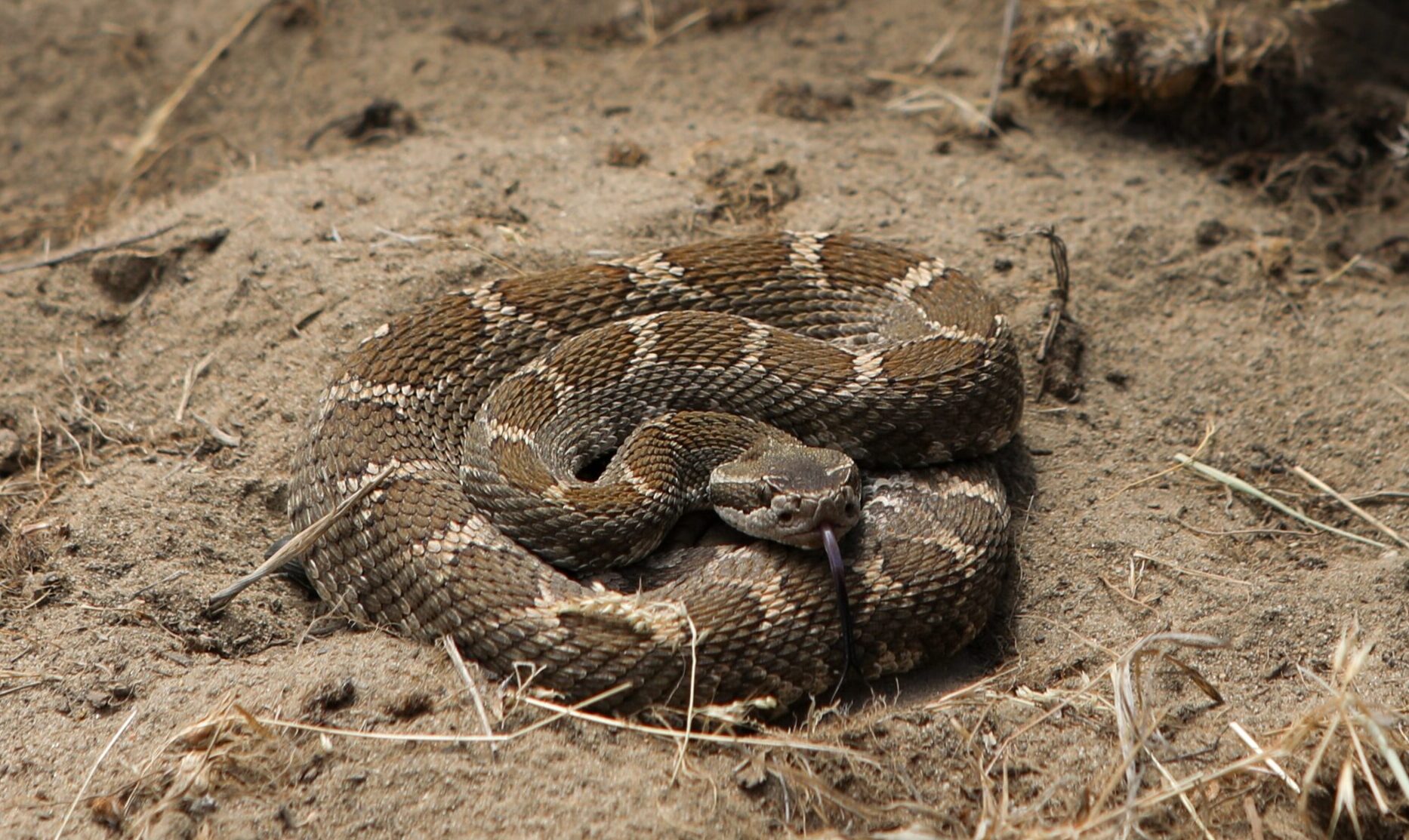
In the Okanagan desert, snakes offer lessons on protecting a fragile ecosystem
For two decades, researchers at the Nk’Mip Desert Cultural Centre have tracked snakes across syilx homelands — while helping people appreciate the often-feared creatures
-
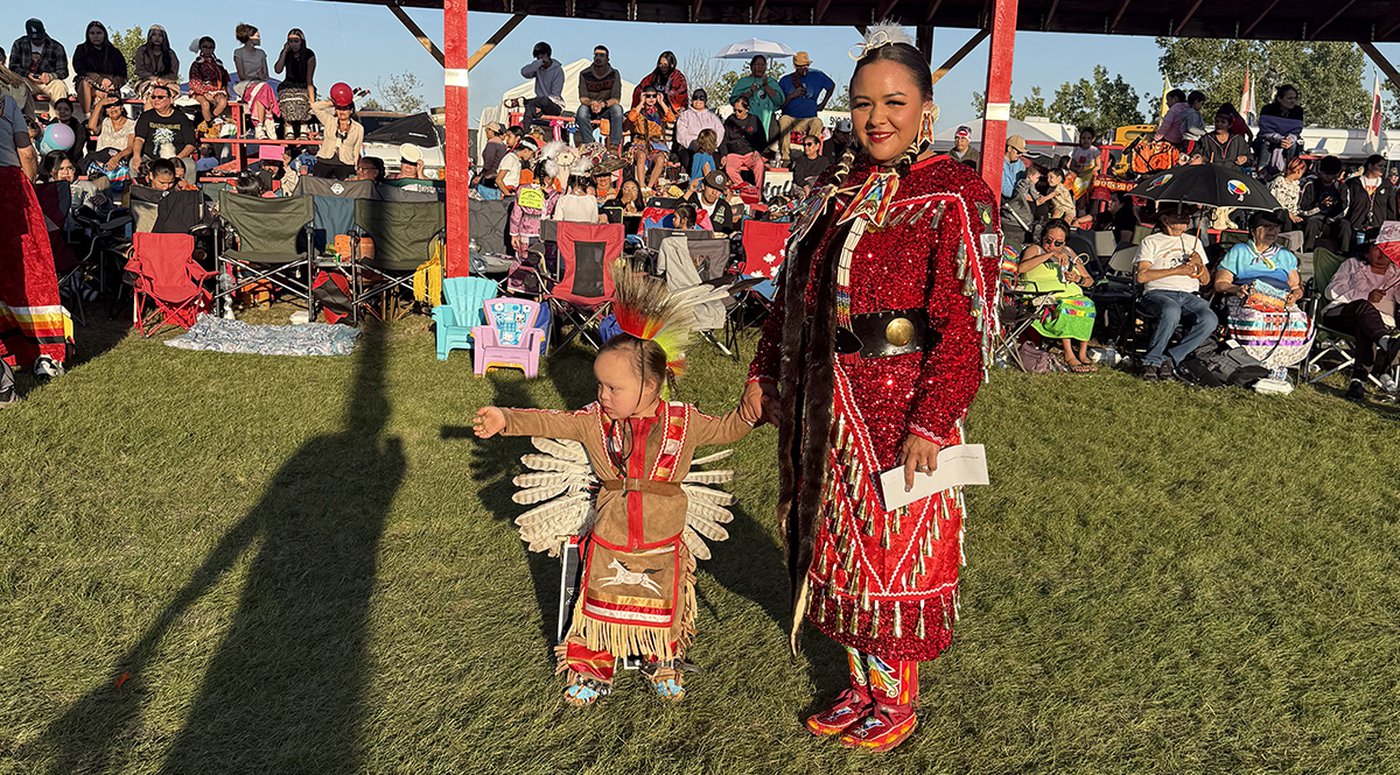
Beloved on the powwow circuit, young boy’s connection to the drum inspires
Now four, Waseskwan Redcrow was dancing ‘before he could even fully walk’ — his family says participating in powwows has brought them joy and belonging