OKIB and RDNO work collaboratively to see this historically significant Syilx beach come to life again
The new agreement in place will allow RDNO to maintain and enforce bylaw at Sandy Beach in Vernon B.C.
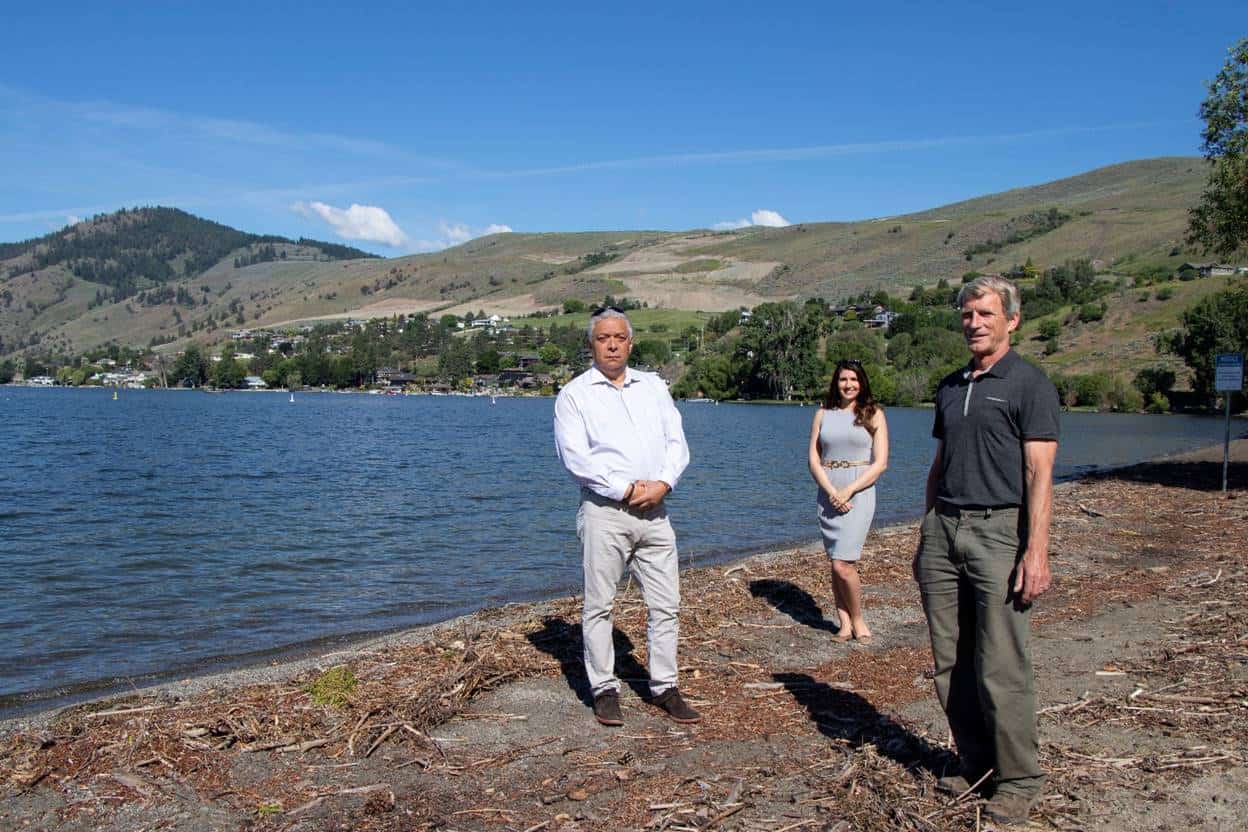
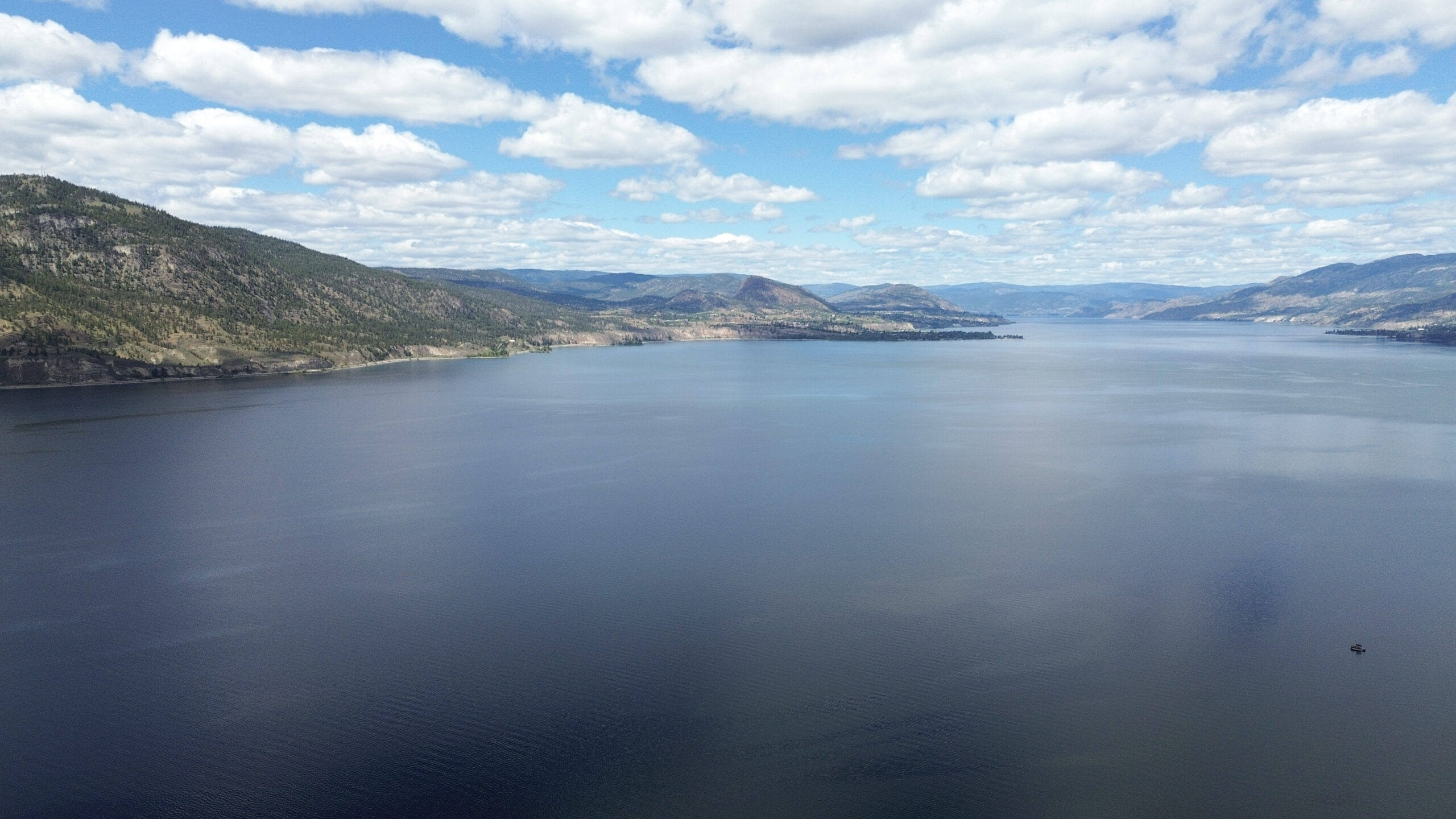
The Okanagan Indian Band (OKIB) has signed an agreement with the Regional District of the North Okanagan (RDNO), to ensure a historically significant beach to the Okanagan Nation is maintained to mutual benefit.
“The beach will be maintained by the RDNO year around with beach raking during the summer and will be kept at a standard applied to all Electoral Area B and C parks and trails,” the joint press release from July 14 states.
“Sandy Beach will now fall under the RDNO’s parks bylaw, which will allow for the RDNO to enforce against littering and vandalism. Additionally, the RDNO can now enforce the ban on fires and dogs on the beach.”
As IndigiNews reported, there have been challenges maintaining the beach in the past. Now this four-year agreement will address those issues.
What used to be known as Sandy Beach will also be given a Nsyilxcen name to represent the historical significance on this beach in the North Okanagan.
“Our occupancy and use, such as an important fishery and as a gathering point for our people and visitors, is a matter of public and oral record. Trade and commerce were conducted here, as were celebrations. We are happy to see an agreement that will ensure the beach is maintained to a high standard,” says OKIB Chief Byron Louis in the release.
Previous reporting by Infotel, stated that the beach was under new authority, and additionally, Sandy Beach which would fall under the new Bylaw would also allow people with no fixed address to camp on the beach.
A new statement released to IndigiNews on July 16, 2020, from RDNO provides clarity on this new agreement with the OKIB.
“The RDNO and OKIB is grateful for the partnership and collaboration between our two organizations. We look forward to having this amenity available to everyone, both the general public and band members, and to working with the OKIB every step of the way,” The new statement says.
“In no way are we suggesting that the RDNO has acquired this land. The land remains the property of the OKIB.”
Because Sandy Beach remains privately owned land by OKIB and it’s members, camping on the beach is still prohibited at all hours.
“We would like to stress that the RDNO does not allow camping on beaches.” RDNO states.
“However, consistent with decisions by the Supreme Court, individuals without fixed address have a right to shelter on public lands. Consequently, for these people, the RDNO is regulating when they can utilize this right to shelter.”
“We are excited to share that we’ve received the beach raking equipment, so a full sweep of the beach is expected to take place in the next couple weeks. This will remove the washed-up debris and will make the sand more enjoyable for beach-goers,” RDNO media relations states.
Author
We live in a media ecosystem that thrives on misinformation. Big Tech and AI companies are consuming the work of real human beings and Canadian news has been banned on Facebook and Instagram.

And yet, I have hope for journalism because of the work we’re doing at IndigiNews.
At IndigiNews, we embody tâpwêwin — the Cree value of integrity and responsibility in truth-telling. We are committed to our independent, Indigenous-led newsroom rooted in community, accountability, and relationality. We believe storytelling is a sacred fire that connects our pasts, presents, and futures through the storytellers in our Storytelling Lodge. IndigiNews creates space for Indigenous journalists, storytellers, Knowledge Keepers, and communities to gather, learn, and share stories that matter.
As a registered charity, we are building a fire that allows our work not just to ignite but to thrive. Rather than relying on advertising or corporate acquisition, IndigiNews is sustained by people like you who believe Indigenous stories are important for the future of our communities.
Your support is making a real difference.
Our community of supporters, our Firekeepers, make it possible to grow our newsroom, publish award-winning journalism, train emerging Indigenous journalists through initiatives like the ReFocus Photojournalism Fellowship, and publish trustworthy stories that serve our communities across the country. Every story we publish helps fill in gaps left by mainstream media and ensures Indigenous perspectives are represented with care, accuracy and respect.
But there is still more work to do.
As the media landscape becomes more and more uncertain, community support is as necessary and essential as it’s ever been. Every new Firekeeper helps protect the independence of our newsroom and strengthens journalism that is accountable to our many and varied communities over corporations.
That’s why we’re inviting you to become a Firekeeper.
Firekeepers tend to and protect the sacred fire. Your monthly contributions directly support IndigiNews’s Storytelling Lodge, helps sustain our independent, Indigenous-led newsroom, and ensures future generations of Indigenous storytellers have the resources they need to do the work.
As a registered Canadian charity, all eligible donations receive a charitable tax receipt.
If you believe Indigenous stories matter, if you value independent journalism, and if you want to help build a strong future for Indigenous media, we invite you to join our circle of Firekeepers today.
Together, we can keep the fire burning.
— Eden Fineday, Publisher, IndigiNews
Support us nowLatest Stories
-
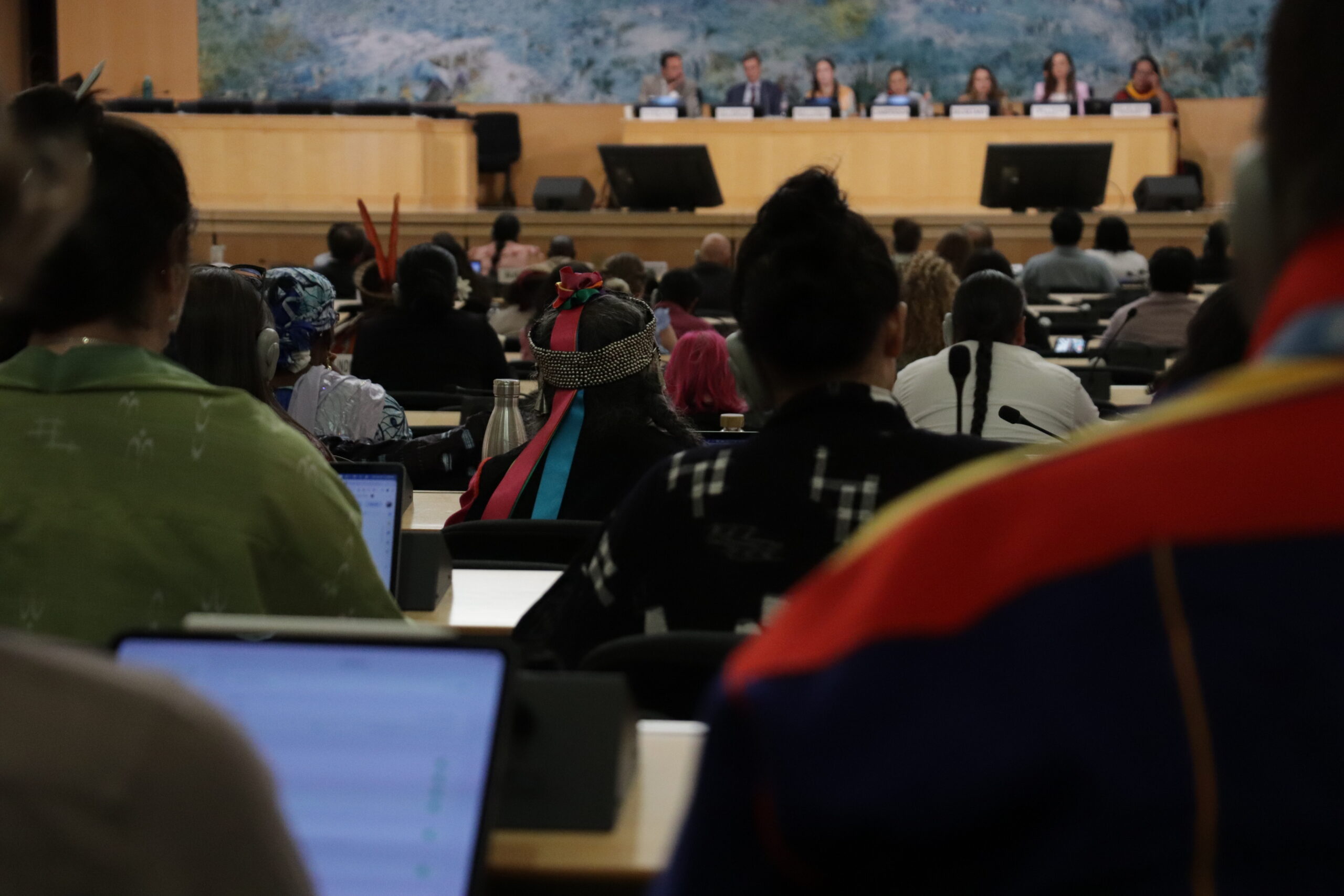
Indigenous leaders give the UN a roadmap for protecting their peoples
Amidst prayers and vows of solidarity, UN Expert Mechanism on the Rights of Indigenous Peoples ends annual meetings with demands for ‘action we’re not seeing globally’
-
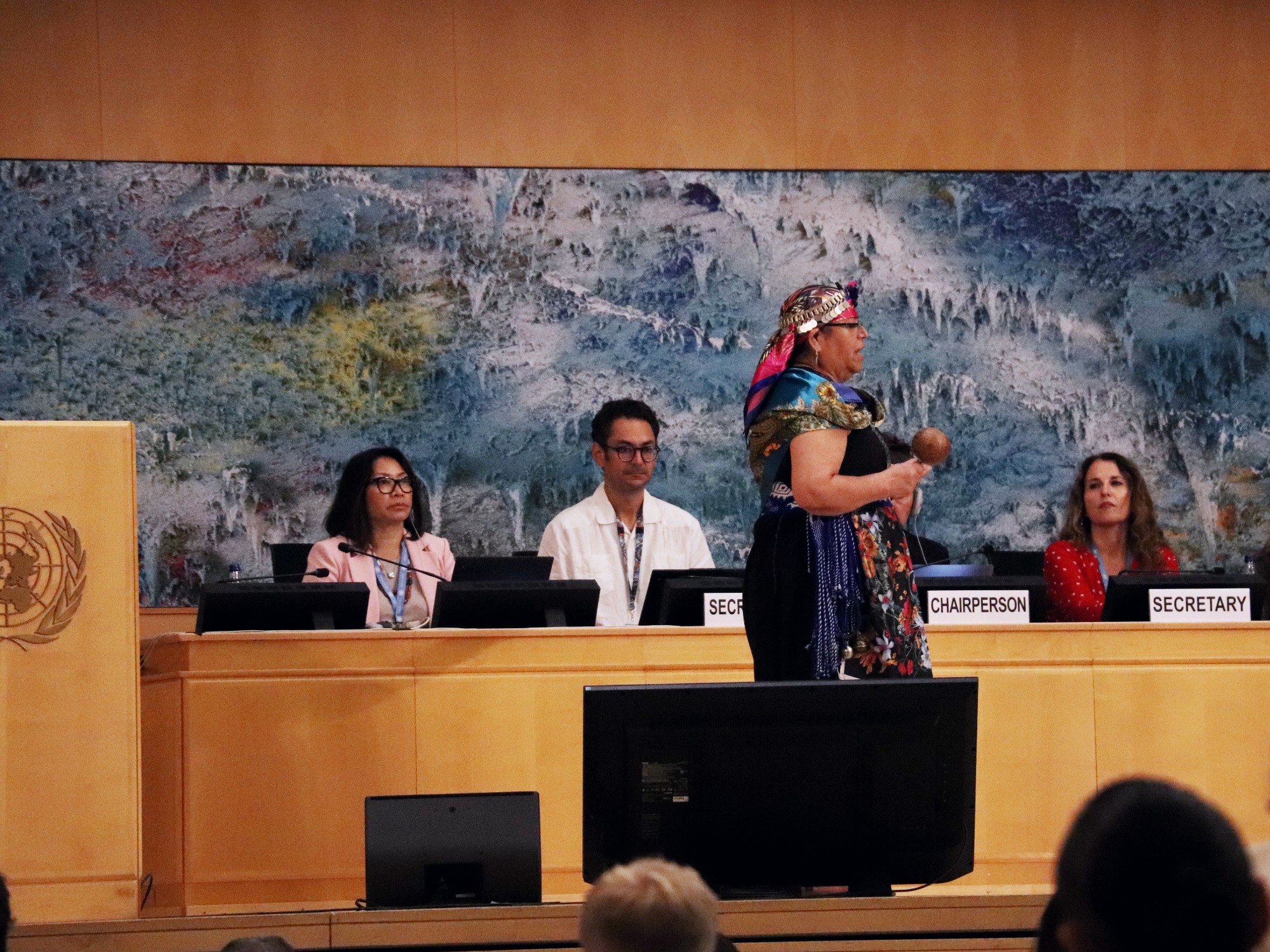
Indigenous people demand more say at the UN, as new crises hit their homelands
Indigenous nations live ‘on the frontlines’ of climate, conflict and new tech. But their voices remain sidelined in the global halls of power.