‘Every day, we honour our sisters’: Red Dress art pieces unveiled outside ‘Vancouver Island’ schools
Content Warning: This story contains content referencing missing and murdered Indigenous women, girls, and Two-Spirit people. Please honour your spirit and read with care. Every year, when May 5 comes and goes, Lily Schaefer is reminded of the importance of continuing the conversation about missing and murdered Indigenous, women, girls and two-spirit people (MMIWG2S). The…

Content Warning: This story contains content referencing missing and murdered Indigenous women, girls, and Two-Spirit people. Please honour your spirit and read with care.
Every year, when May 5 comes and goes, Lily Schaefer is reminded of the importance of continuing the conversation about missing and murdered Indigenous, women, girls and two-spirit people (MMIWG2S). The day, which many use as an opportunity to gather and honour missing kin, is often just that: a day.
“This is still happening, and it’s really not talked about enough for how substantial this issue is,” said the 14-year-old, who’s a student at Edward Milne Community School (EMCS) on “Vancouver Island.”
At the beginning of May, art pieces in the shape of red dresses were unveiled at the front steps of both EMCS and Royal Bay Secondary School. The pieces are from a collaboration between many Indigenous organizations and nations, artists and school communities.
Many from the two school’s communities and surrounding areas attended the unveiling of both works.
Soon, a third piece honouring MMIWG2S will also be installed at the School District 62 (SD62) board office.
Although the day of the unveilings have passed, the message and medicine the art holds will stick around as long as the works are standing.
With confidence, 14-year-old student Lily Schaefer spoke up about why the art pieces are significant to her, and her school community, and why society should be aware that Indigenous women are disproportionately abused, and murdered in so-called Canada.
“The red dresses are put in place to take up space that Indigenous women and girls are no longer able to take up,” she said.
Installed outside the front doors of the school, students, guardians and teachers walk past it every day.

It’s this daily reminder that Lily hopes will inspire change for the future.
“It is important to keep the dresses up all the time because one day of awareness is not enough. All days need to bring awareness and every day we need to honour our stolen sisters.”
Elder Jackie, who is the Elder in Residence at EMCS, explained that the red dress represents all the missing and murdered Indigenous women, girls, and LGBTQ2S+ people in Canada. She describes it as a country-wide epidemic.
“Indigenous women were once held in high regard as leaders and givers of life. However, due to Canada’s history of colonization, First Nations, Métis, and Inuit women are now devalued because of their race and gender,” they said.
Elder Henry Chipps echoed this.
“The violence must stop. One must advocate for change for our missing women, girls and gender diverse people.”
Although May 5 is Red Dress Day, Jackie added that, “every day, we honour our missing sisters.”
Lily took a deep breath. She has many ideas about how society could work to decrease the rate at which Indigenous women, girls and two-spirit people disappear, but she settled on just a few.
Continuing to bring awareness to the issue of MMIWG2S, improving safety for women, and supporting the families of those affected, are three things she thinks we could be doing better.
She’s frustrated that there hasn’t been a solution found to a problem that’s existed for so long. The byproduct – and contributing factors – of a lack of solution includes victim blaming, as well as a lack of support for women with mental health issues.
Instead of reactive initiatives, like putting up more signs saying hitchhiking is illegal, Lily believes that being proactive could make a big difference, as well as never assuming someone simply ran away.
“It can’t just be a thing that we brush under the rug anymore, as a country and as a society. It happens everywhere; we need to be aware of it, and we need to figure out how to fix it so less families are broken over something […] that shouldn’t be happening,” Lily said.
Author
We live in a media ecosystem that thrives on misinformation. Big Tech and AI companies are consuming the work of real human beings and Canadian news has been banned on Facebook and Instagram.
And yet, I have hope for journalism because of the work we’re doing at IndigiNews.
At IndigiNews, we embody tâpwêwin — the Cree value of integrity and responsibility in truth-telling. We are committed to our independent, Indigenous-led newsroom rooted in community, accountability, and relationality. We believe storytelling is a sacred fire that connects our pasts, presents, and futures through the storytellers in our Storytelling Lodge. IndigiNews creates space for Indigenous journalists, storytellers, Knowledge Keepers, and communities to gather, learn, and share stories that matter.
As a registered charity, we are building a fire that allows our work not just to ignite but to thrive. Rather than relying on advertising or corporate acquisition, IndigiNews is sustained by people like you who believe Indigenous stories are important for the future of our communities.
Your support is making a real difference.
Our community of supporters, our Firekeepers, make it possible to grow our newsroom, publish award-winning journalism, train emerging Indigenous journalists through initiatives like the ReFocus Photojournalism Fellowship, and publish trustworthy stories that serve our communities across the country. Every story we publish helps fill in gaps left by mainstream media and ensures Indigenous perspectives are represented with care, accuracy and respect.
But there is still more work to do.
As the media landscape becomes more and more uncertain, community support is as necessary and essential as it’s ever been. Every new Firekeeper helps protect the independence of our newsroom and strengthens journalism that is accountable to our many and varied communities over corporations.
That’s why we’re inviting you to become a Firekeeper.
Firekeepers tend to and protect the sacred fire. Your monthly contributions directly support IndigiNews’s Storytelling Lodge, helps sustain our independent, Indigenous-led newsroom, and ensures future generations of Indigenous storytellers have the resources they need to do the work.
As a registered Canadian charity, all eligible donations receive a charitable tax receipt.
If you believe Indigenous stories matter, if you value independent journalism, and if you want to help build a strong future for Indigenous media, we invite you to join our circle of Firekeepers today.
Together, we can keep the fire burning.
— Eden Fineday, Publisher, IndigiNews
Support us nowLatest Stories
-
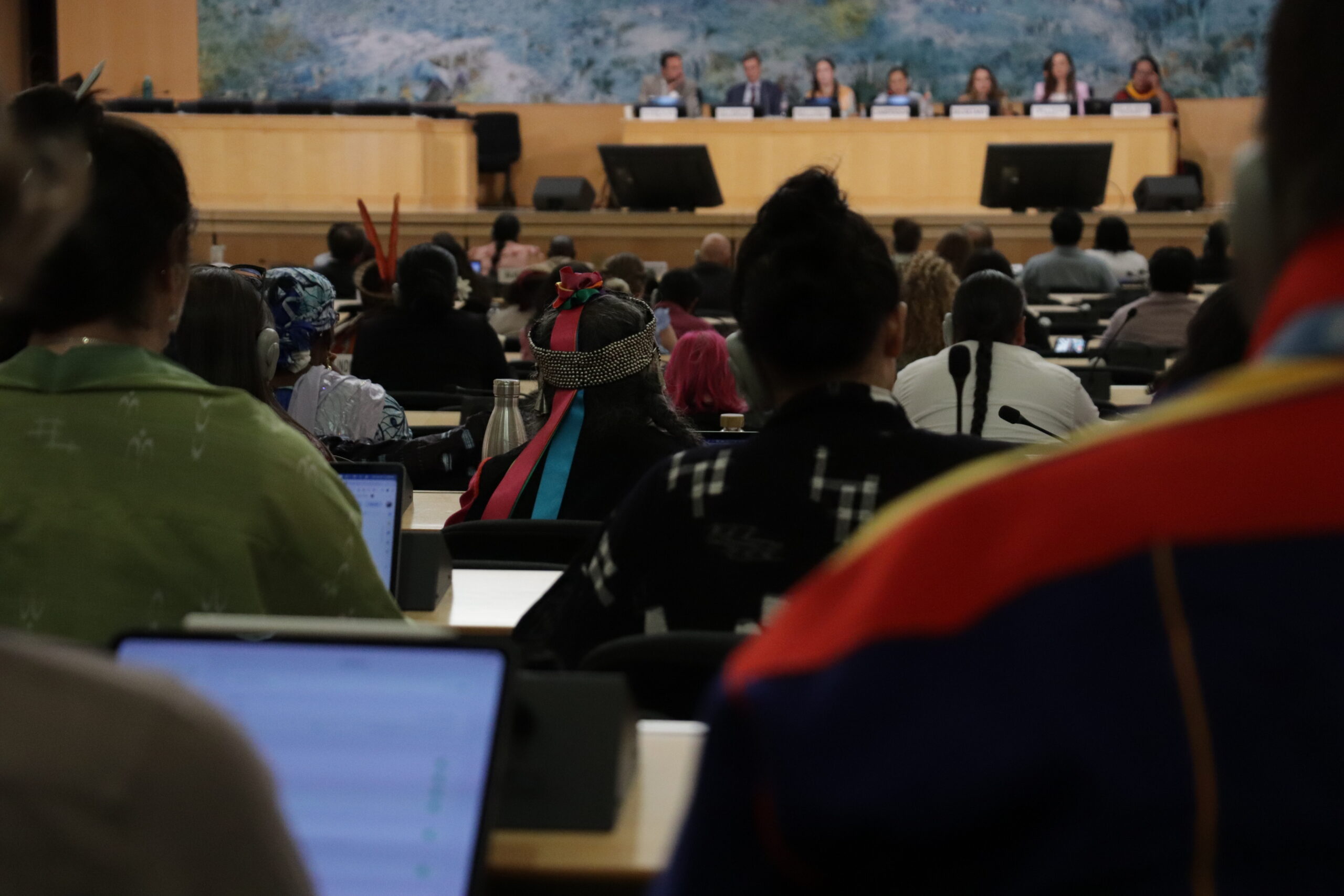
Indigenous leaders give the UN a roadmap for protecting their peoples
Amidst prayers and vows of solidarity, UN Expert Mechanism on the Rights of Indigenous Peoples ends annual meetings with demands for ‘action we’re not seeing globally’
-
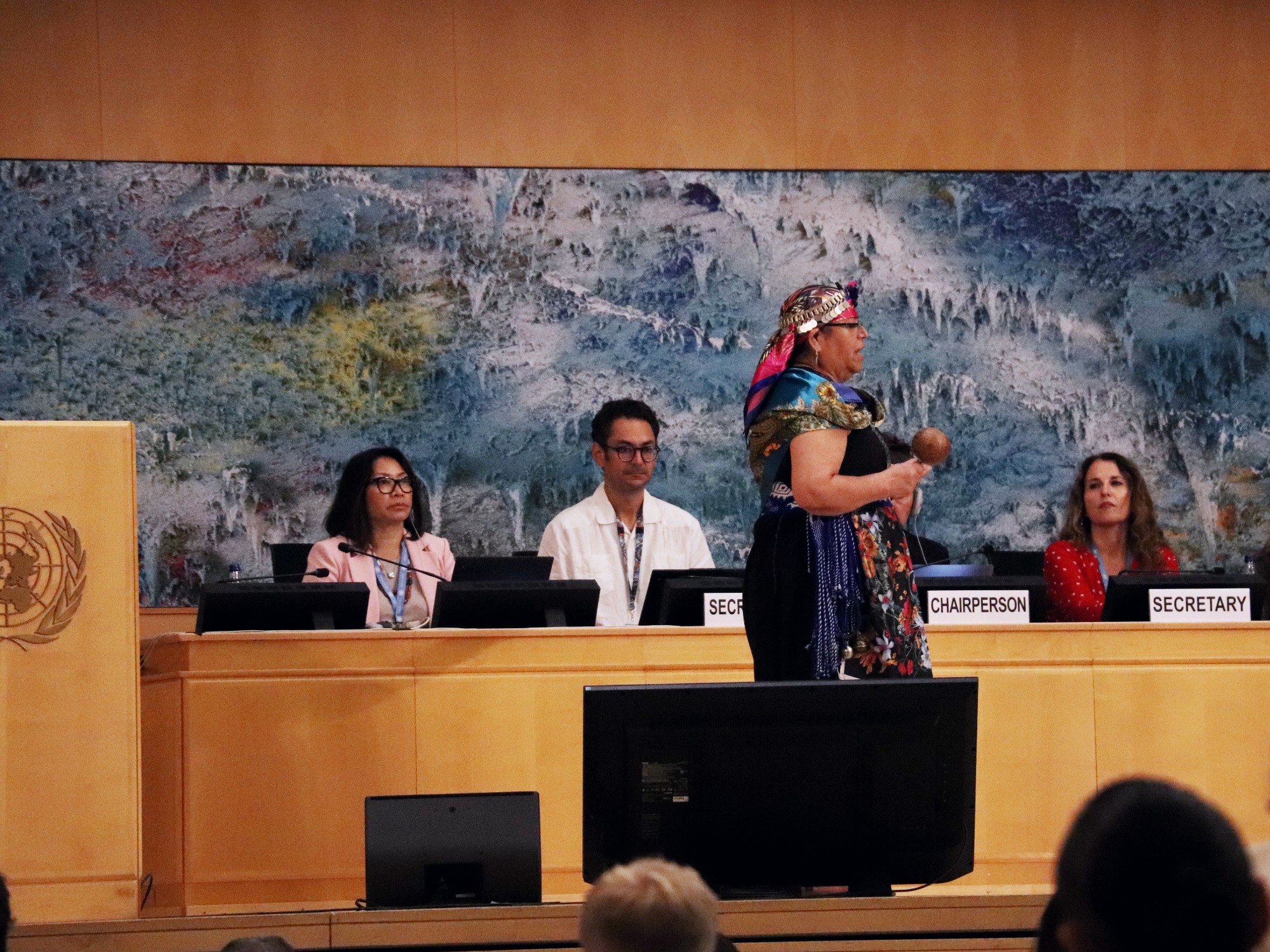
Indigenous people demand more say at the UN, as new crises hit their homelands
Indigenous nations live ‘on the frontlines’ of climate, conflict and new tech. But their voices remain sidelined in the global halls of power.