The fight to stop systemic racism in science
The University of British Columbia Okanagan, Nature and NSERC hosted their first three-part series webinar on Science and Systemic Racism.
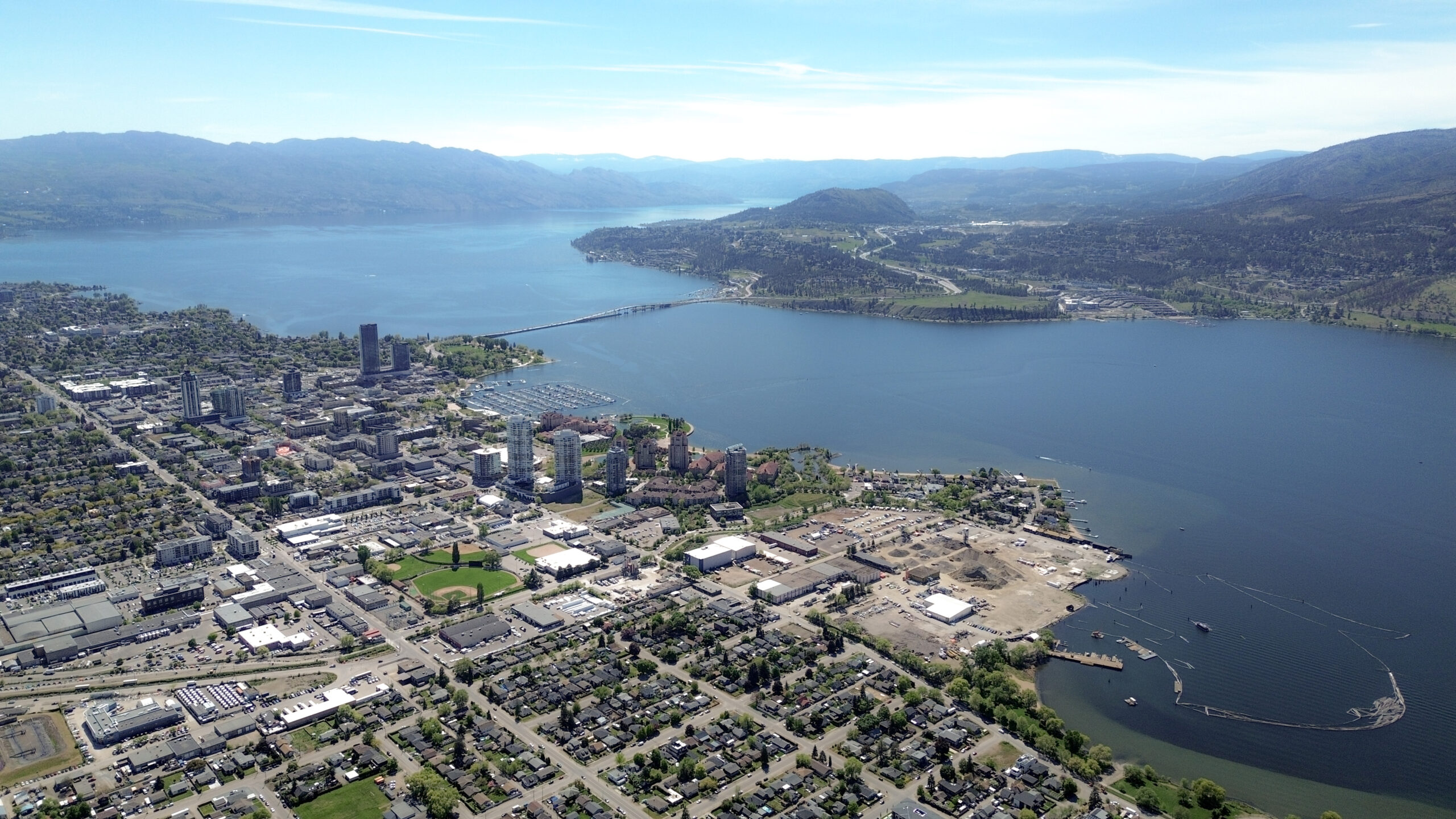
Ian Foulds holds a unique position at the University of British Columbia’s Okanagan (UBCO) campus.
Foulds is an associate professor and the Principal’s Research Chair (Tier 1) in Indigenous Reconciliation in Engineering.
“With Indigenous issues, most people were never taught or told, in my school, [the] School of Engineering, we have been working at educating our faculty in bite-size chunks,” says Foulds, who is an engineer and member of Métis Nation of BC.
He is developing a framework for preparing engineers to engage with Indigenous communities, developing models and best practices for incorporating Indigenous knowledge and perspectives into engineering curriculums.
Foulds was one of three speakers who participated in UBCO’s webinar on Science and Systemic Racism.
“[Systemic racism] is something we work to avoid in our scientific experiments. We make sure we are inclusive of underrepresented voices,” he explained during the seminar.
“People who do not face them [systemic barriers] probably don’t even know they are there.”
The two-hour webinar also featured Magdalena Skipper, editor in chief from Nature, and Alejandro Adem, president of the Natural Sciences and Engineering Research Council of Canada (NSERC).
The seminar, which took place on Nov. 26, was one of three in the series. The next two will be planned for the new year.
What is Systemic Racism?
While more and more discussions about systemic racism are happening, people aren’t always clear on exactly what it means.
“Systemic racism is the intentional racially motivated discrimination by the system,” Foulds explained to the group. In this category, Foulds would put things like the 1876 Indian Act, the 60’s Scoop and residential schools.
“These were intentional, racist and systemic acts that targeted Indigenous Peoples,” said Foulds.
“There is no question there is a problem of racism in science,” Skipper told participants.
“Many genetic and biological studies have historically been focused on populations of European ancestry, to achieve the promise of the sequencing of the human genome and precision medicine.”
But, Skipper said changes are being made to enable the future generation of researchers to break down these barriers.
“Nature finds it essential to have an inclusive-focused exploration for diseases of diverse ability, because it helps to find treatment for all ethnicities,” Skipper explained.
Taking action
Three federal research grant agencies are taking actions to promote equity, diversity, and inclusion within the agency, academic institutions and across the research enterprise, according to Adem.
He explained that these include the Canadian Institutes of Health Research (CIHR), the Natural Sciences and Engineering Research Council (NSERC), and the Social Sciences and Humanities Research Council (SSHRC).
NSERC has been working with institutions across Canada to develop strategies to become more inclusive of racialized groups, said Adam.
“Recent results from [Statistics Canada] research survey on post-secondary faculty and researchers showed higher rates of harassment and unequal treatment being reported by those who self-identified as Indigenous or a member of a visible minority,” Adem explained.
In response, NSERC has been creating new supports and positions in institutions, such as an Indigenous students center and a Black support coordinator, according to Adem.
“We encourage institutions to recognize intersectional identities and to create more diverse communities,” Adem said.
UBCO says they are also committed to identifying, addressing and supporting racialized students and faculty to succeed.
“UBC Okanagan has taken several steps lately, to ensure they have an inclusive campus,” said Santa Ono, President and Vice-Chancellor, UBC, during the opening remarks of the webinar.
He pointed to the fact that UBCO has created a new inclusion action plan, with a new senior adviser on race and inclusive excellence.
“The senior adviser will support and meet with groups on anti-racism and communities of colour and develop an outreach strategy,” Ono explained. “They will work inside and outside the university, to advance and understand issues of racism.”
While this is a step forward, Ono acknowledged that more needs to be done.
“Much more needs to be done at UBC and within the scientific community in general, and we will continue to do this work,” said Ono.
This event is the first of three examining racism in science specifically, with the next two—planned for the new year—featuring the perspectives of Indigenous and Black scientists.
Athena Bonneau is a reporter for IndigiNews Okanagan. You can follow her work here or email athena@indiginews.com.
Author
We live in a media ecosystem that thrives on misinformation. Big Tech and AI companies are consuming the work of real human beings and Canadian news has been banned on Facebook and Instagram.
And yet, I have hope for journalism because of the work we’re doing at IndigiNews.
At IndigiNews, we embody tâpwêwin — the Cree value of integrity and responsibility in truth-telling. We are committed to our independent, Indigenous-led newsroom rooted in community, accountability, and relationality. We believe storytelling is a sacred fire that connects our pasts, presents, and futures through the storytellers in our Storytelling Lodge. IndigiNews creates space for Indigenous journalists, storytellers, Knowledge Keepers, and communities to gather, learn, and share stories that matter.
As a registered charity, we are building a fire that allows our work not just to ignite but to thrive. Rather than relying on advertising or corporate acquisition, IndigiNews is sustained by people like you who believe Indigenous stories are important for the future of our communities.
Your support is making a real difference.
Our community of supporters, our Firekeepers, make it possible to grow our newsroom, publish award-winning journalism, train emerging Indigenous journalists through initiatives like the ReFocus Photojournalism Fellowship, and publish trustworthy stories that serve our communities across the country. Every story we publish helps fill in gaps left by mainstream media and ensures Indigenous perspectives are represented with care, accuracy and respect.
But there is still more work to do.
As the media landscape becomes more and more uncertain, community support is as necessary and essential as it’s ever been. Every new Firekeeper helps protect the independence of our newsroom and strengthens journalism that is accountable to our many and varied communities over corporations.
That’s why we’re inviting you to become a Firekeeper.
Firekeepers tend to and protect the sacred fire. Your monthly contributions directly support IndigiNews’s Storytelling Lodge, helps sustain our independent, Indigenous-led newsroom, and ensures future generations of Indigenous storytellers have the resources they need to do the work.
As a registered Canadian charity, all eligible donations receive a charitable tax receipt.
If you believe Indigenous stories matter, if you value independent journalism, and if you want to help build a strong future for Indigenous media, we invite you to join our circle of Firekeepers today.
Together, we can keep the fire burning.
— Eden Fineday, Publisher, IndigiNews
Support us nowLatest Stories
-
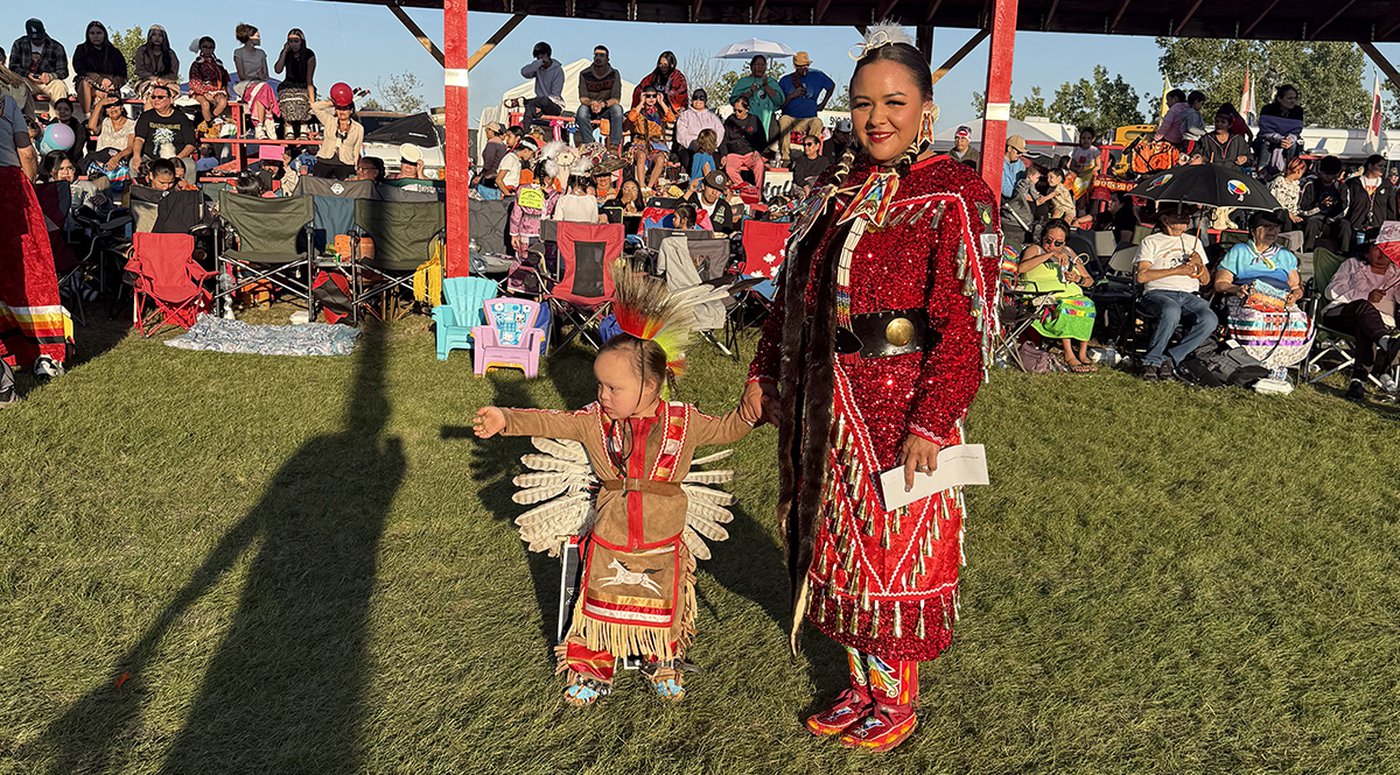
Beloved on the powwow circuit, young boy’s connection to the drum inspires
Now four, Waseskwan Redcrow was dancing ‘before he could even fully walk’ — his family says participating in powwows has brought them joy and belonging
-
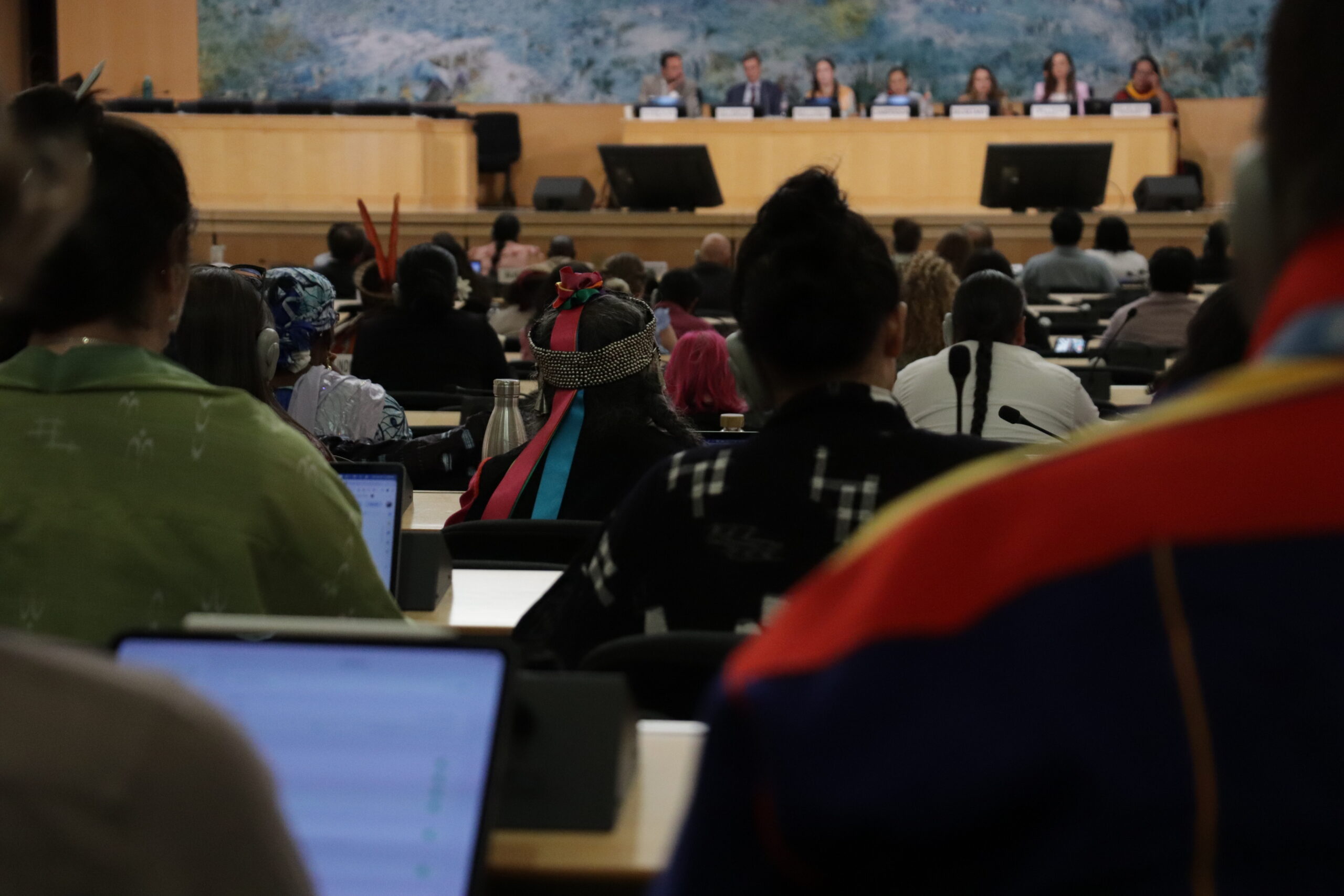
Indigenous leaders give the UN a roadmap for protecting their peoples
Amidst prayers and vows of solidarity, UN Expert Mechanism on the Rights of Indigenous Peoples ends annual meetings with demands for ‘action we’re not seeing globally’