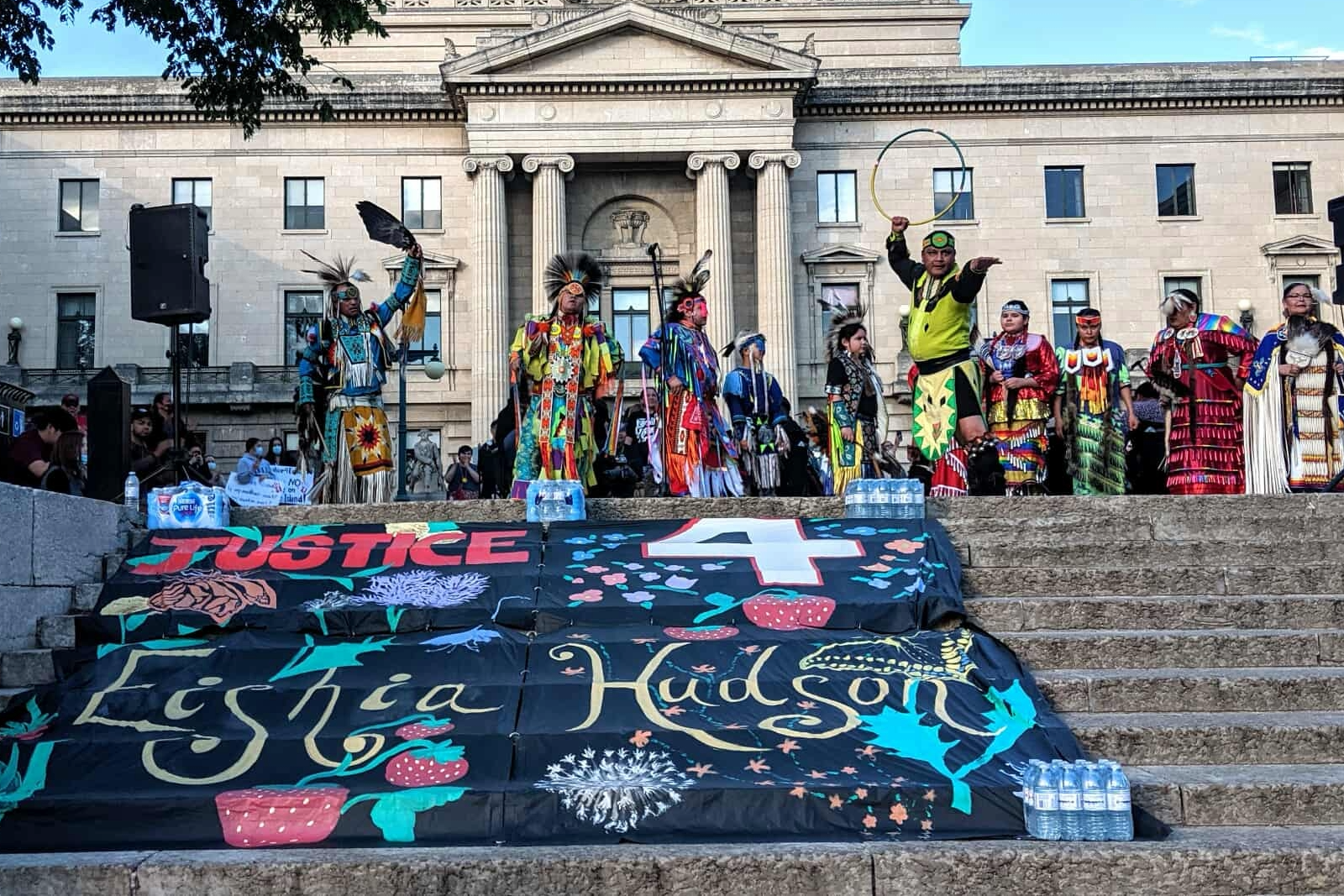
Here’s how First Nation Education Agreements are changing things for Indigenous students
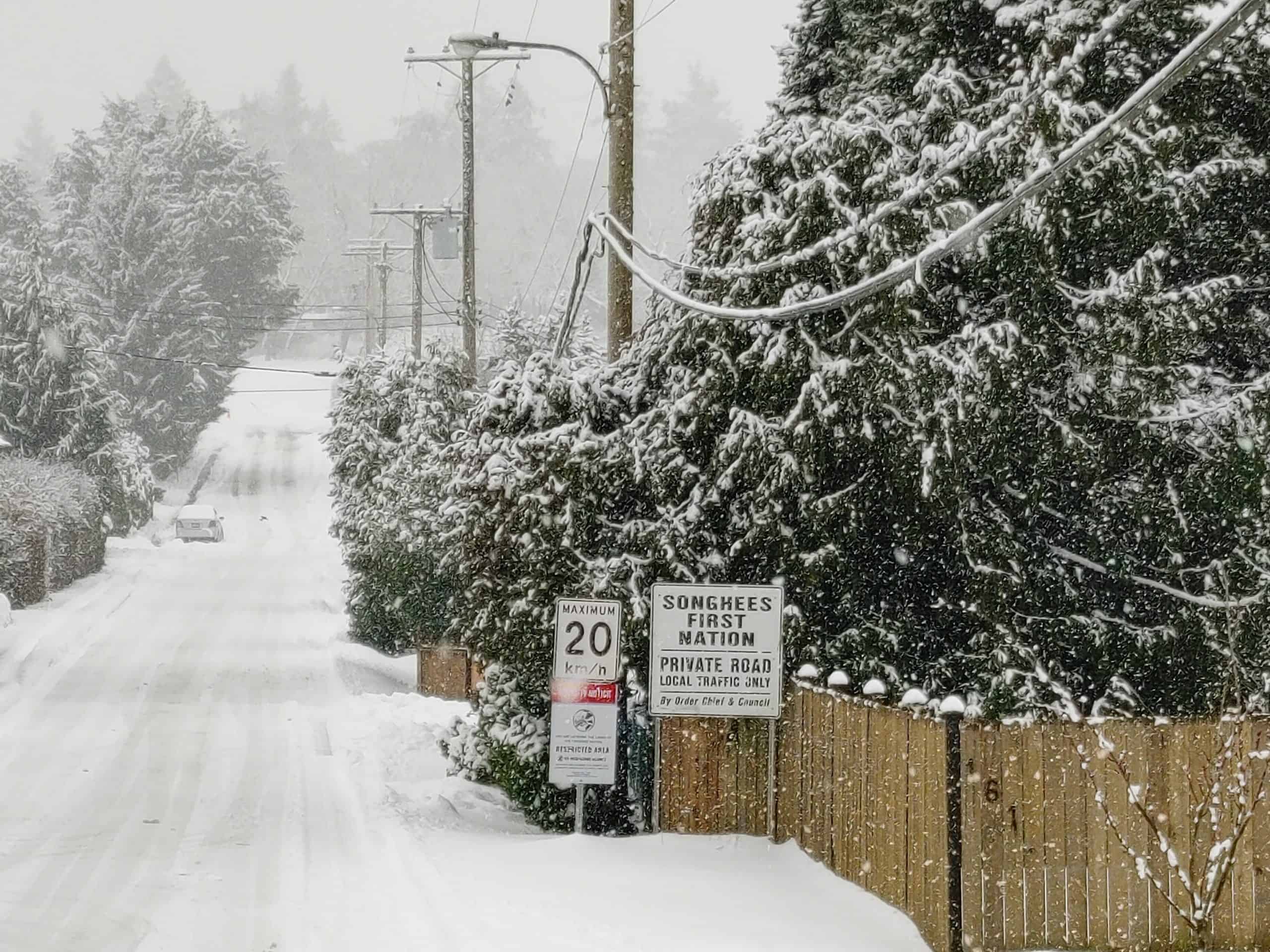
Songhees Nation – just one of many nations reaffirming their children’s right to education under the BC Tripartite Education Agreement
What is the BC Tripartite Education Agreement?
B.C. is the first and only jurisdiction in Canada with an education agreement signed by the First Nations Education Steering Committee (FNESC), the province and the federal government — a matter that can be complex because of on and off reserve schools and the unique needs of individual nations.
The BC Tripartite Education Agreement (BCTEA) attempts to promote systemic shifts and collective efforts to support First Nations students across the province, regardless of where they live or are enrolled in school.
The agreement was first signed in 2012 by FNESC, the B.C. Ministry of Education (the Ministry), Indigenous Services Canada (ISC), and witnessed by the First Nations Schools Association (FNSA).
Serving as an overarching umbrella for ever-changing Local Education Agreements (LEA), the BCTEA was supported with $100-million in federal funding over five years, from 2018 to 2023.
What do these agreements mean for local nations?
Songhees and other B.C. nations handle education through agreements with their local school districts under BCTEA, through what are known as LEAs.
The Songhees Nation Education Liaison Ellie Dion says since 2017 the community has been working to renew their LEA with School District 61.
Now, leadership is at a point where they are satisfied with the recommendations that could be included in the updated agreement.
“(It’s) very significant,” she says. “It implies that the nation [will] have rights in the education of our students.”
What do the agreements include?
Topics up for negotiation under BCTEA include funding allocation, transportation, the sharing of information and data, culture and language, as well as other local priorities such as COVID-19.
The new content in the updated Songhees agreement under BCTEA will impact and shape how students will be supported, says Dion.
“We’ve moved from the school giving general information to the nation now having access to specifics with the consent of parents,” she says.
Prior to the change, the nation did not have access to Songhees student records, but now they do under the newly revised LEA, just one of the revisions that will help to ensure academic success of Songhees students, says Dion.
How does the money get distributed?
Funding for Indigenous education comes from various levels of government.
Indigenous Northern Affairs Canada’s (INAC) system of enrollment for First Nations students is referred to as a Nominal Roll.
According to FNESC, the BCTEA is setting the foundation for further growth and changes to support the growth of the B.C. First Nations education system including important Nominal Roll changes.
Right now, education funds filtered through INAC for Nominal Roll students are mostly limited to students living on reserve, whereas B.C. has responsibility for the provision of K-12 education services to Indigenous people living off-reserve.
Each year, the province determines grant funding for public education, and uses student enrolment data and a funding formula to allocate these funds. Indigenous students, including Status First Nation students living on reserve who attend public schools, represent 11.5 per cent of public school enrolment.
On a local level with School District 61, funding to support Indigenous students has increased from $1.7 million in 2016-2017 to $2.3 million for this school year, according to the B.C. Ministry of Education.
Through their LEA, Songhees Nation funds various educational services for students from the nation on top of this.
“That is an additional amount of money that is specifically for education services that is complementary to what comes through enrollment,” says Dion.
Does the BCTEA support cultural education?
Dion says it’s key that “Songhees students are recognized fully for their whole potential academic success,” which includes Indigenous teachings around culture, belonging and learning from the land.
Dion says that this goes back to FNESC’s commitment to promote Indigenous life and Songhees is making sure that this work is happening.
The new content in their agreement will impact and shape how students will be supported, says Dion.
This is in line with one of the guiding principles of the Songhees LEA — to promote success for Indigenous students through regular and ongoing communication between the School District and the First Nation.
“We are fortunate to say that’s been something that has been in place for a long time with Songhees Nation,” she says.
Author
We live in a media ecosystem that thrives on misinformation. Big Tech and AI companies are consuming the work of real human beings and Canadian news has been banned on Facebook and Instagram.
And yet, I have hope for journalism because of the work we’re doing at IndigiNews.
At IndigiNews, we embody tâpwêwin — the Cree value of integrity and responsibility in truth-telling. We are committed to our independent, Indigenous-led newsroom rooted in community, accountability, and relationality. We believe storytelling is a sacred fire that connects our pasts, presents, and futures through the storytellers in our Storytelling Lodge. IndigiNews creates space for Indigenous journalists, storytellers, Knowledge Keepers, and communities to gather, learn, and share stories that matter.
As a registered charity, we are building a fire that allows our work not just to ignite but to thrive. Rather than relying on advertising or corporate acquisition, IndigiNews is sustained by people like you who believe Indigenous stories are important for the future of our communities.
Your support is making a real difference.
Our community of supporters, our Firekeepers, make it possible to grow our newsroom, publish award-winning journalism, train emerging Indigenous journalists through initiatives like the ReFocus Photojournalism Fellowship, and publish trustworthy stories that serve our communities across the country. Every story we publish helps fill in gaps left by mainstream media and ensures Indigenous perspectives are represented with care, accuracy and respect.
But there is still more work to do.
As the media landscape becomes more and more uncertain, community support is as necessary and essential as it’s ever been. Every new Firekeeper helps protect the independence of our newsroom and strengthens journalism that is accountable to our many and varied communities over corporations.
That’s why we’re inviting you to become a Firekeeper.
Firekeepers tend to and protect the sacred fire. Your monthly contributions directly support IndigiNews’s Storytelling Lodge, helps sustain our independent, Indigenous-led newsroom, and ensures future generations of Indigenous storytellers have the resources they need to do the work.
As a registered Canadian charity, all eligible donations receive a charitable tax receipt.
If you believe Indigenous stories matter, if you value independent journalism, and if you want to help build a strong future for Indigenous media, we invite you to join our circle of Firekeepers today.
Together, we can keep the fire burning.
— Eden Fineday, Publisher, IndigiNews
Support us nowLatest Stories
-
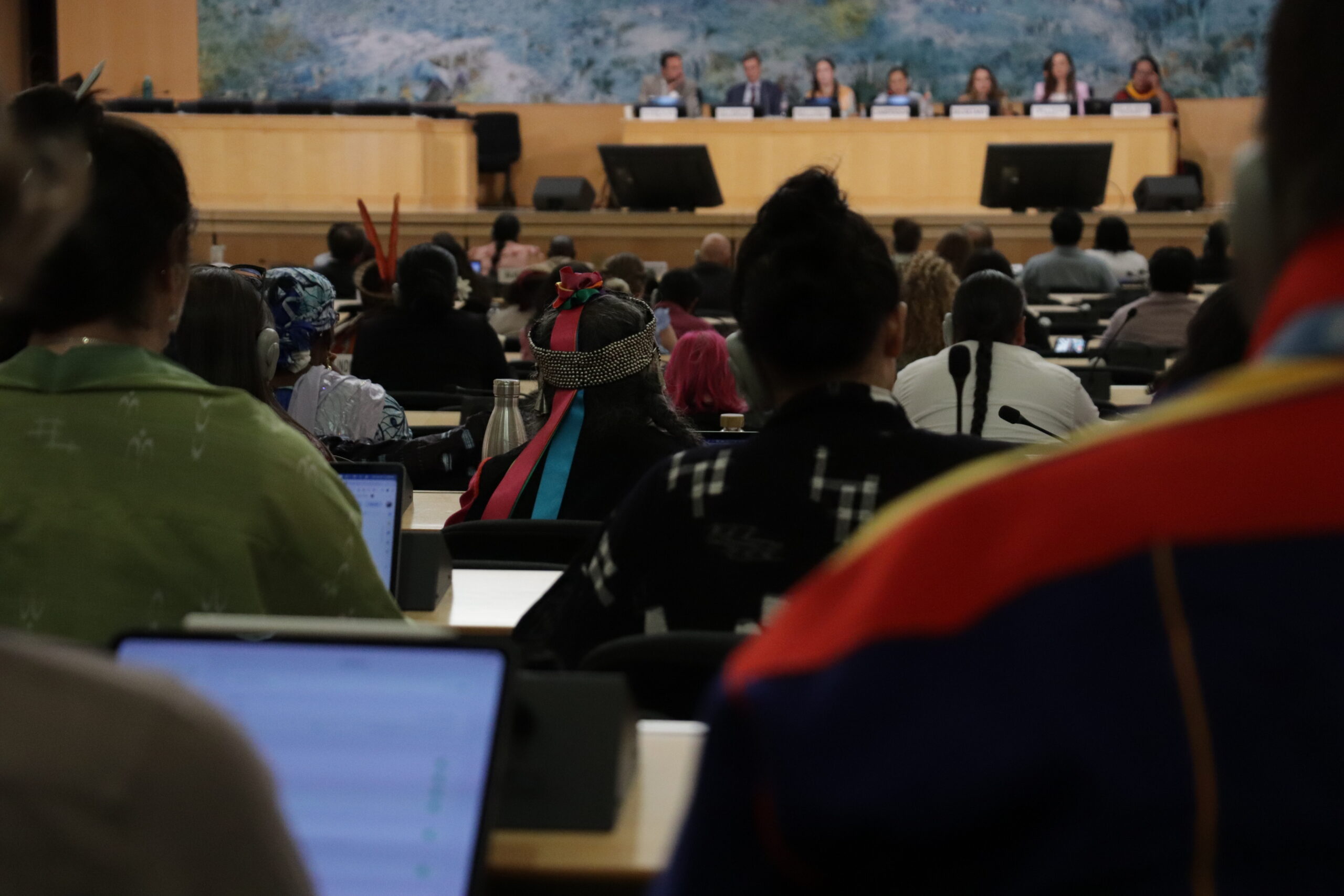
Indigenous leaders give the UN a roadmap for protecting their peoples
Amidst prayers and vows of solidarity, UN Expert Mechanism on the Rights of Indigenous Peoples ends annual meetings with demands for ‘action we’re not seeing globally’
-
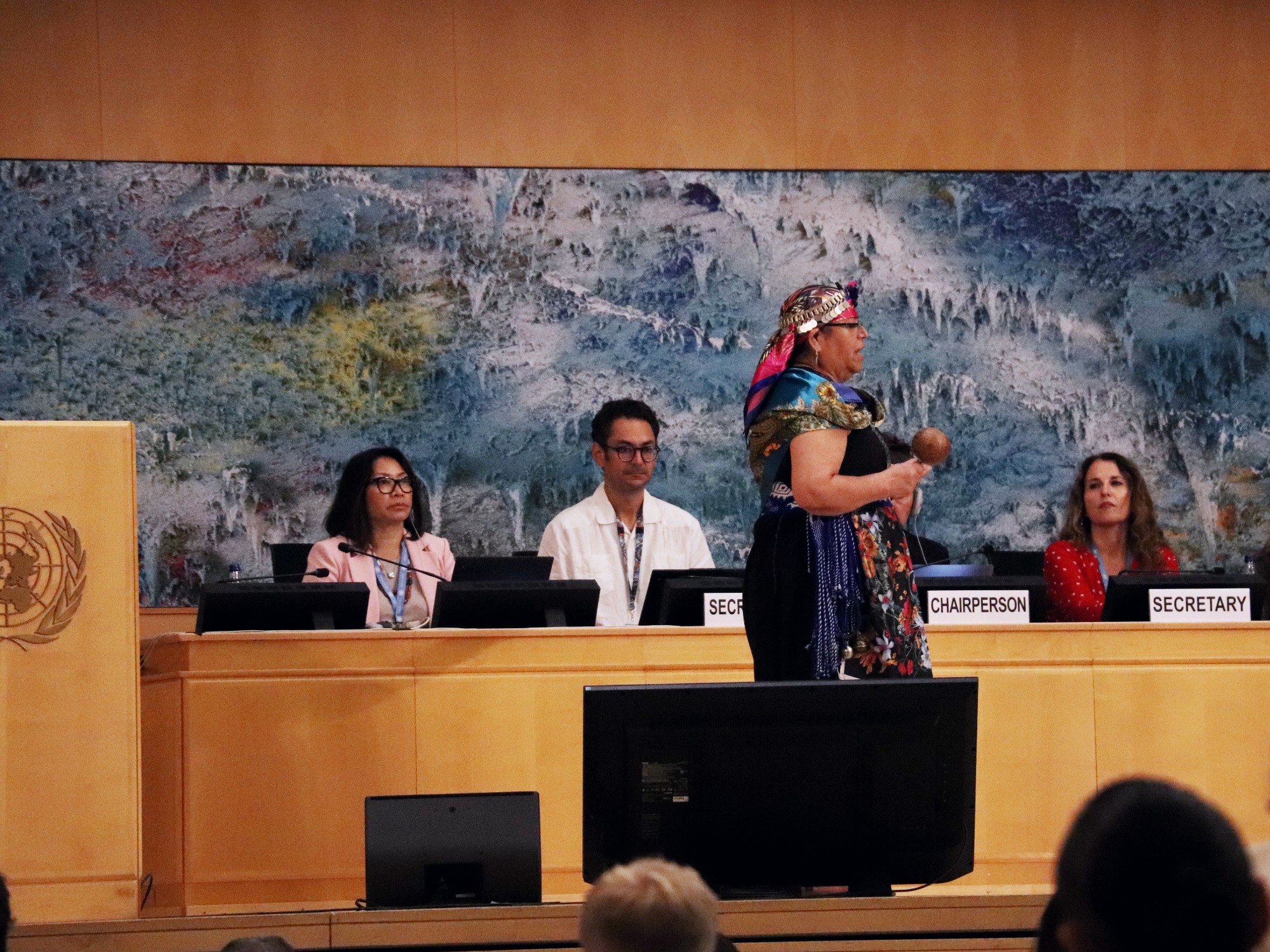
Indigenous people demand more say at the UN, as new crises hit their homelands
Indigenous nations live ‘on the frontlines’ of climate, conflict and new tech. But their voices remain sidelined in the global halls of power.