Victoria siblings explore creatures from Indigenous stories in horror-themed podcast
Mackenzie Taylor and Josef Stafford started ‘the Historical Natives’ podcast to delve into lore around mysterious figures like Sasquatch and Wendigo

A brother-and-sister team in Victoria have started a horror-themed podcast where they tell tales about chilling creatures from Indigenous oral histories.
Mackenzie Taylor, 25, and Josef Stafford, 20, call their podcast the Historical Natives because they talk about the histories of famed figures such as Sasquatch, the Wechuge and the Wendigo.
Each episode begins with introductions and land acknowledgements before launching into history about the creature and, in some episodes, a performance of a fictional story written by Stafford.
Taylor is tasked with the research and says they want to make sure the sharing is done in a good way that’s respectful to the living cultures that the stories come from.
“For the first part of the episode we talk about who the creature comes from. A little bit about their language, their history, any major things that happened in history around them,” she says.
“Then we tell the story.”
The sibling team are from Whitesand First Nation but were born and raised in Saanich Territory. They started up the Historical Natives before the new year and have already finished their fifth episode, with three that are currently available to listen to.
They plan to release a new episode every two weeks. Stafford says the episodes have already garnered a bit of a following, sometimes generating more than 50 listeners at a time.

“The most popular right now is the Sasquatch one,” he says.
In the episode called the People and the Sasquatch, Taylor and Stafford talk about the Coast Salish people and territory where the Sasquatch comes from.
“Most of the Pacific Northwest has a cool, wet climate and has many regions classified as rainforests, so basically the trees are lush and thick, which makes it easy for the Sasquatch to hide,” Taylor says.
“In every nation’s depiction of the Sasquatch, they’re covered in thick body hair, have their own language and can cause unconsciousness if they touch you.”
Both siblings have a sense for business, with Stafford in his second year of a Business Administration Diploma program at Camosun College and Taylor having a Bachelor’s Degree in Interior Design.
They decided to start the podcast after completing a business training program for youth with the Indigenous Perspectives Society.
“Eventually we want to get into books” Taylor says, adding that the short stories could eventually be compiled into a literary collection.
Author
We live in a media ecosystem that thrives on misinformation. Big Tech and AI companies are consuming the work of real human beings and Canadian news has been banned on Facebook and Instagram.
And yet, I have hope for journalism because of the work we’re doing at IndigiNews.
At IndigiNews, we embody tâpwêwin — the Cree value of integrity and responsibility in truth-telling. We are committed to our independent, Indigenous-led newsroom rooted in community, accountability, and relationality. We believe storytelling is a sacred fire that connects our pasts, presents, and futures through the storytellers in our Storytelling Lodge. IndigiNews creates space for Indigenous journalists, storytellers, Knowledge Keepers, and communities to gather, learn, and share stories that matter.
As a registered charity, we are building a fire that allows our work not just to ignite but to thrive. Rather than relying on advertising or corporate acquisition, IndigiNews is sustained by people like you who believe Indigenous stories are important for the future of our communities.
Your support is making a real difference.
Our community of supporters, our Firekeepers, make it possible to grow our newsroom, publish award-winning journalism, train emerging Indigenous journalists through initiatives like the ReFocus Photojournalism Fellowship, and publish trustworthy stories that serve our communities across the country. Every story we publish helps fill in gaps left by mainstream media and ensures Indigenous perspectives are represented with care, accuracy and respect.
But there is still more work to do.
As the media landscape becomes more and more uncertain, community support is as necessary and essential as it’s ever been. Every new Firekeeper helps protect the independence of our newsroom and strengthens journalism that is accountable to our many and varied communities over corporations.
That’s why we’re inviting you to become a Firekeeper.
Firekeepers tend to and protect the sacred fire. Your monthly contributions directly support IndigiNews’s Storytelling Lodge, helps sustain our independent, Indigenous-led newsroom, and ensures future generations of Indigenous storytellers have the resources they need to do the work.
As a registered Canadian charity, all eligible donations receive a charitable tax receipt.
If you believe Indigenous stories matter, if you value independent journalism, and if you want to help build a strong future for Indigenous media, we invite you to join our circle of Firekeepers today.
Together, we can keep the fire burning.
— Eden Fineday, Publisher, IndigiNews
Support us nowLatest Stories
-
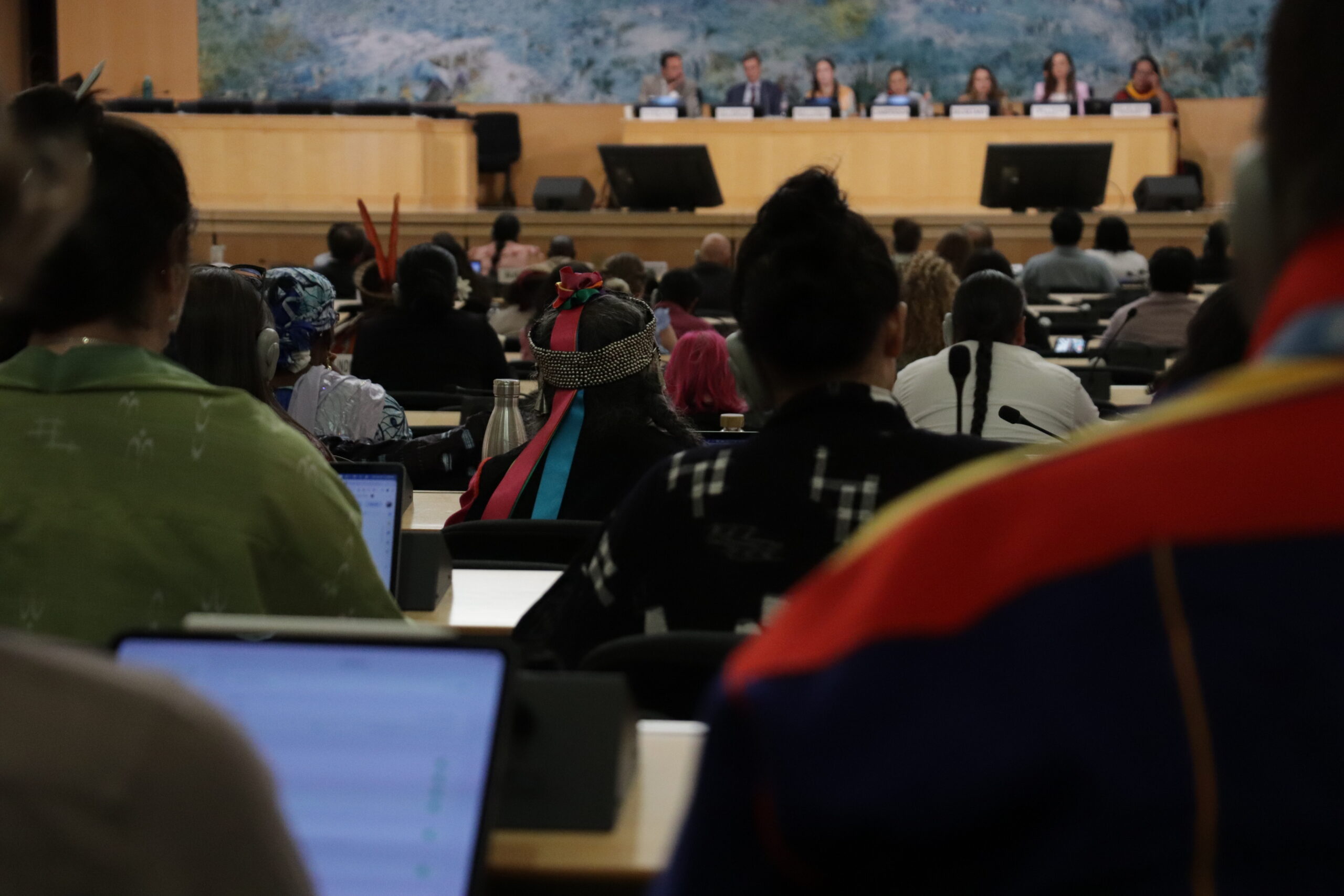
Indigenous leaders give the UN a roadmap for protecting their peoples
Amidst prayers and vows of solidarity, UN Expert Mechanism on the Rights of Indigenous Peoples ends annual meetings with demands for ‘action we’re not seeing globally’
-
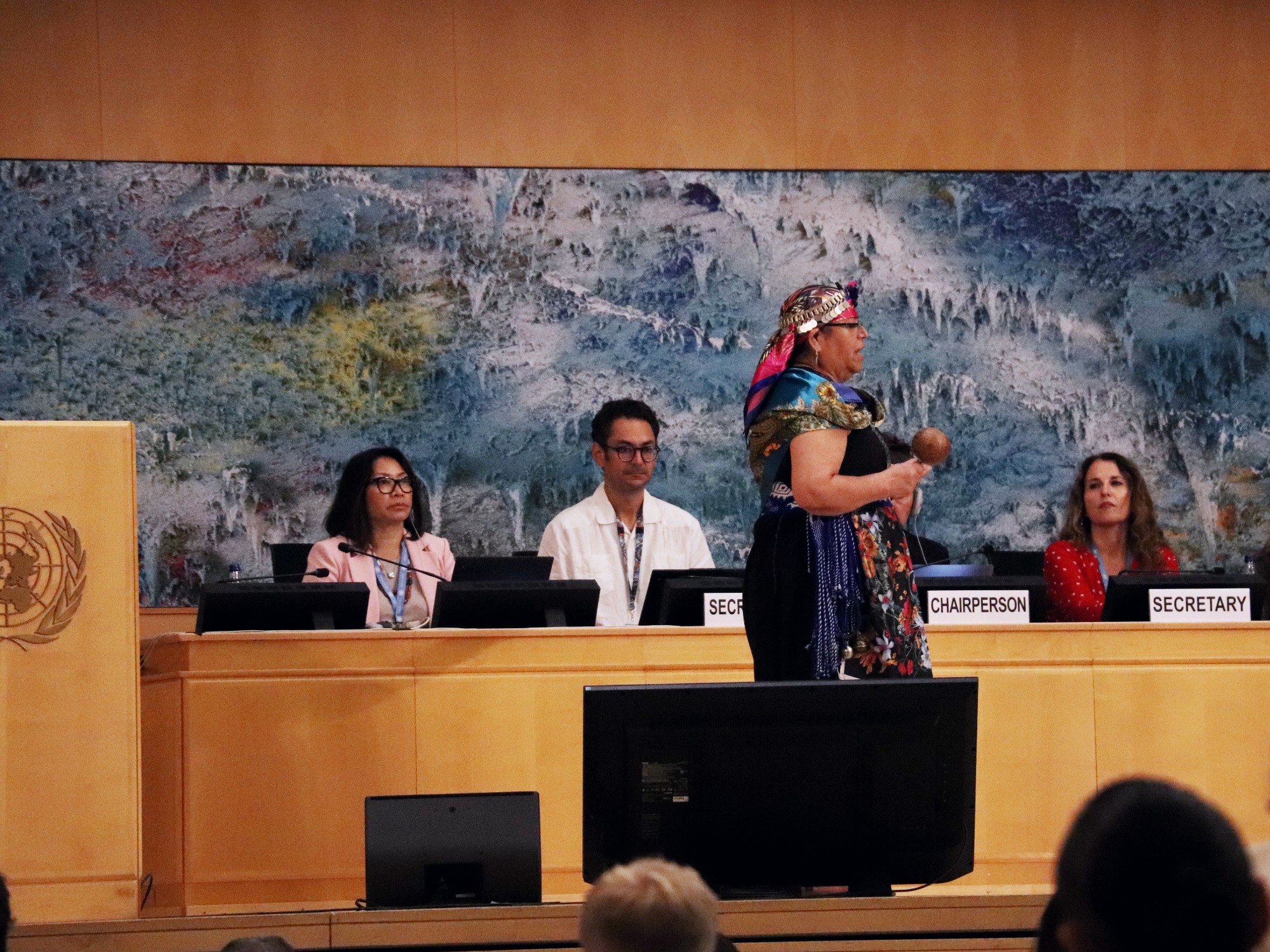
Indigenous people demand more say at the UN, as new crises hit their homelands
Indigenous nations live ‘on the frontlines’ of climate, conflict and new tech. But their voices remain sidelined in the global halls of power.