Tŝilhqot’in government welcomes ‘long overdue charges’ in Mount Polley mine disaster
The nation’s leadership has been calling for Indigenous-led monitoring, assessment and action around the ongoing discharge of mining waste into their waters


This story originally appeared in the Williams Lake Tribune and is reprinted here with minor style edits.
The Tŝilhqot’in National Government (TNG) is welcoming recent charges related to the Mount Polley mine disaster, saying they are “long overdue.”
As the governing body for six autonomous nations situated in “B.C.’s” Chilcotin region, TNG has been calling for Indigenous-led monitoring, assessment and action around the ongoing discharge of mining waste into their waters.
“The Mount Polley breach has shown everyone that mining practices in British Columbia have a long way to go in protection of lands, waters and animals,” said Troy Baptiste, Nits’ilʔin (chief) of ʔEsdilagh First Nation (Alexandria) in a press release on Wednesday.
“Our natural environment sustains us — why aren’t we all making a greater effort to protect it?”
In 2014, the Mount Polley copper-gold mine’s tailings dam collapsed, releasing millions of cubic metres of tailings water and waste into area waterways. On Dec. 10, ten years following the incident, a total of 15 charges were announced against Imperial Metals Corporation, Mount Polley Mining Corporation and Wood Canada for possible contraventions of the federal Fisheries Act.
Chair of TNG Nits’ilʔin Joe Alphonse said the Mount Polley mine disaster has had an “extremely negative impact” on the nation’s traditional fishing practices, causing many to step away from fishing in the Fraser River for fear of contamination.
“Instead of ensuring the right thing was done for salmon, the province dealt with the breach by issuing more mining permits to Mount Polley,” Alphonse said.
TNG said years later, the province still hasn’t addressed the nation’s concerns regarding the continued discharge of mining waste into both Quesnel Lake and the Fraser River, the former resulting from Mount Polley’s ongoing operations, and the latter from the Gibraltar Mine.
The press release said Mount Polley’s ongoing discharge of tailings into Quesnel Lake, without using sophisticated water treatment methods, is an “unacceptable mining practice.”
In a press release dated Dec. 13, Imperial Metals Corporation — whose subsidiary Mount Polley Mining Corporation owns 100 per cent of the Mount Polley mine located 56 kilometres north of Williams Lake — said it has invested more than $75 million in remediation efforts related to the 2014 disaster and has worked closely with First Nations in the process.
“This incident is a significant part of our history, and we have dedicated the past decade to addressing its impacts…. Our focus remains on maintaining the highest standards of environmental stewardship and upholding our commitment to the communities where we operate,” noted the release.
The corporation said its remediation efforts have led to “significant ecological recovery,” and were recognized by the industry, including by the Jake McDonald Annual Mine Reclamation Award in 2023.
A first court appearance date for the charges was scheduled yesterday in B.C. Supreme Court in “Vancouver.”
— with files from Canadian Press and Monica Lamb-Yorski
Author
We live in a media ecosystem that thrives on misinformation. Big Tech and AI companies are consuming the work of real human beings and Canadian news has been banned on Facebook and Instagram.

And yet, I have hope for journalism because of the work we’re doing at IndigiNews.
At IndigiNews, we embody tâpwêwin — the Cree value of integrity and responsibility in truth-telling. We are committed to our independent, Indigenous-led newsroom rooted in community, accountability, and relationality. We believe storytelling is a sacred fire that connects our pasts, presents, and futures through the storytellers in our Storytelling Lodge. IndigiNews creates space for Indigenous journalists, storytellers, Knowledge Keepers, and communities to gather, learn, and share stories that matter.
As a registered charity, we are building a fire that allows our work not just to ignite but to thrive. Rather than relying on advertising or corporate acquisition, IndigiNews is sustained by people like you who believe Indigenous stories are important for the future of our communities.
Your support is making a real difference.
Our community of supporters, our Firekeepers, make it possible to grow our newsroom, publish award-winning journalism, train emerging Indigenous journalists through initiatives like the ReFocus Photojournalism Fellowship, and publish trustworthy stories that serve our communities across the country. Every story we publish helps fill in gaps left by mainstream media and ensures Indigenous perspectives are represented with care, accuracy and respect.
But there is still more work to do.
As the media landscape becomes more and more uncertain, community support is as necessary and essential as it’s ever been. Every new Firekeeper helps protect the independence of our newsroom and strengthens journalism that is accountable to our many and varied communities over corporations.
That’s why we’re inviting you to become a Firekeeper.
Firekeepers tend to and protect the sacred fire. Your monthly contributions directly support IndigiNews’s Storytelling Lodge, helps sustain our independent, Indigenous-led newsroom, and ensures future generations of Indigenous storytellers have the resources they need to do the work.
As a registered Canadian charity, all eligible donations receive a charitable tax receipt.
If you believe Indigenous stories matter, if you value independent journalism, and if you want to help build a strong future for Indigenous media, we invite you to join our circle of Firekeepers today.
Together, we can keep the fire burning.
— Eden Fineday, Publisher, IndigiNews
Support us nowLatest Stories
-
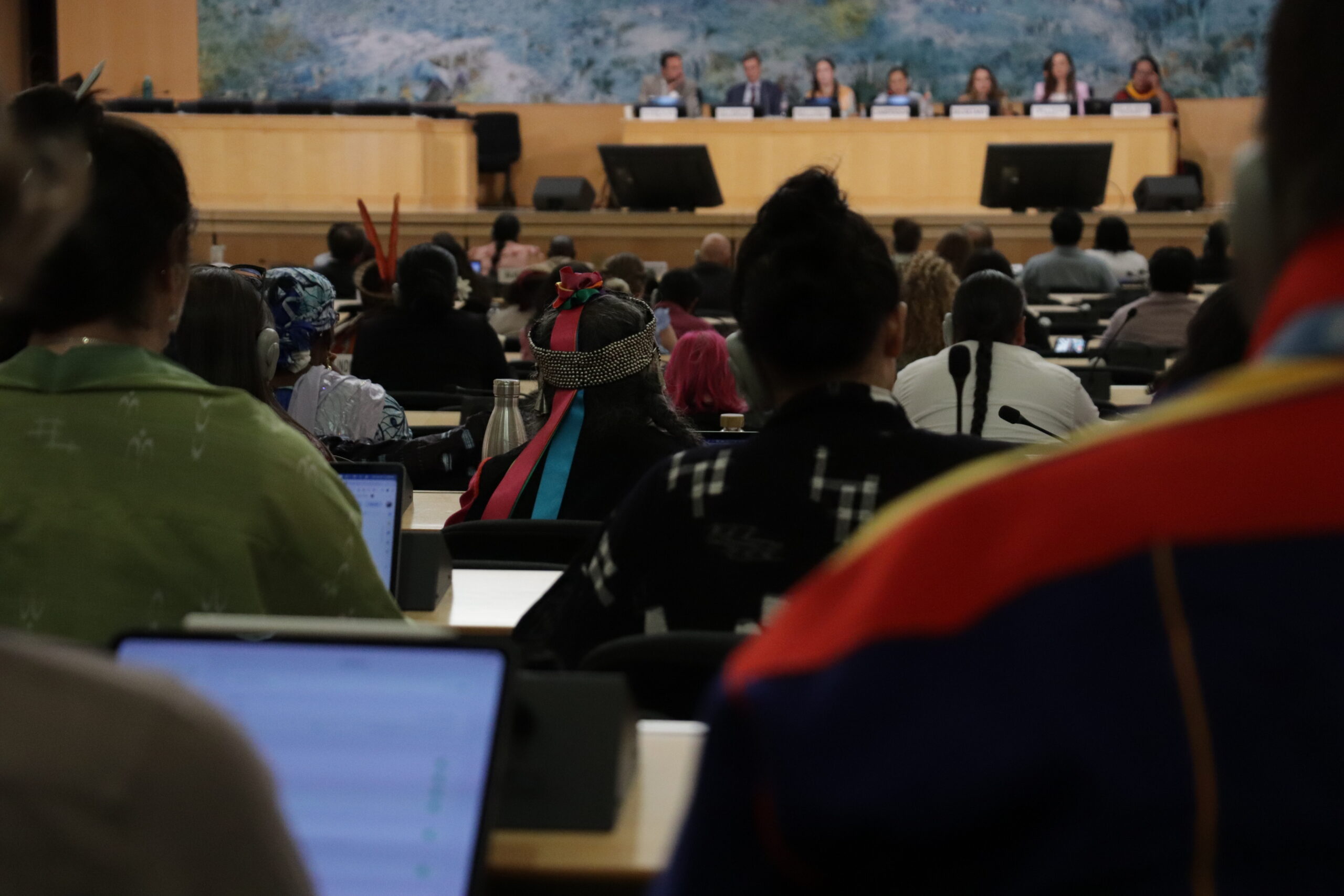
Indigenous leaders give the UN a roadmap for protecting their peoples
Amidst prayers and vows of solidarity, UN Expert Mechanism on the Rights of Indigenous Peoples ends annual meetings with demands for ‘action we’re not seeing globally’
-
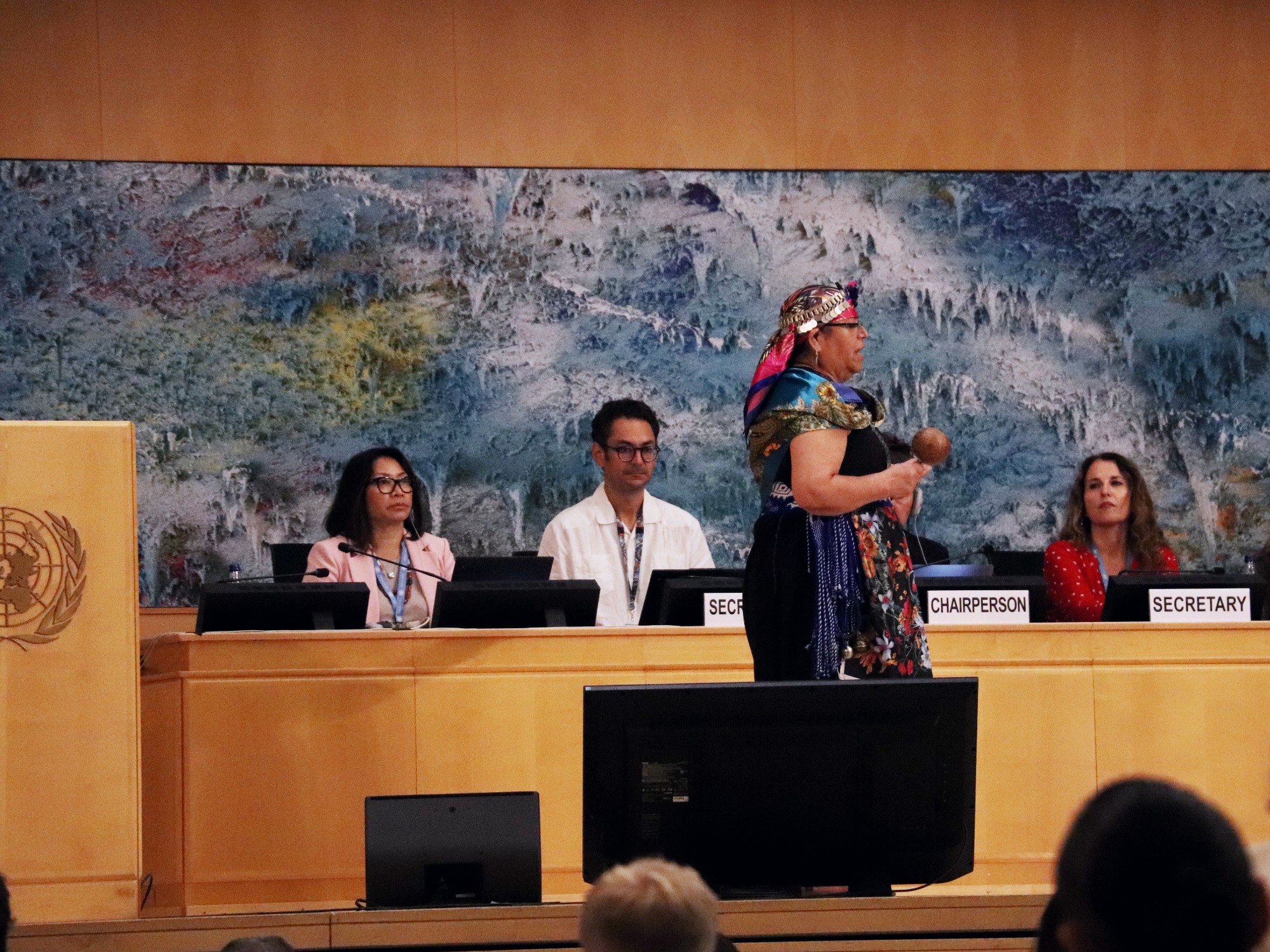
Indigenous people demand more say at the UN, as new crises hit their homelands
Indigenous nations live ‘on the frontlines’ of climate, conflict and new tech. But their voices remain sidelined in the global halls of power.