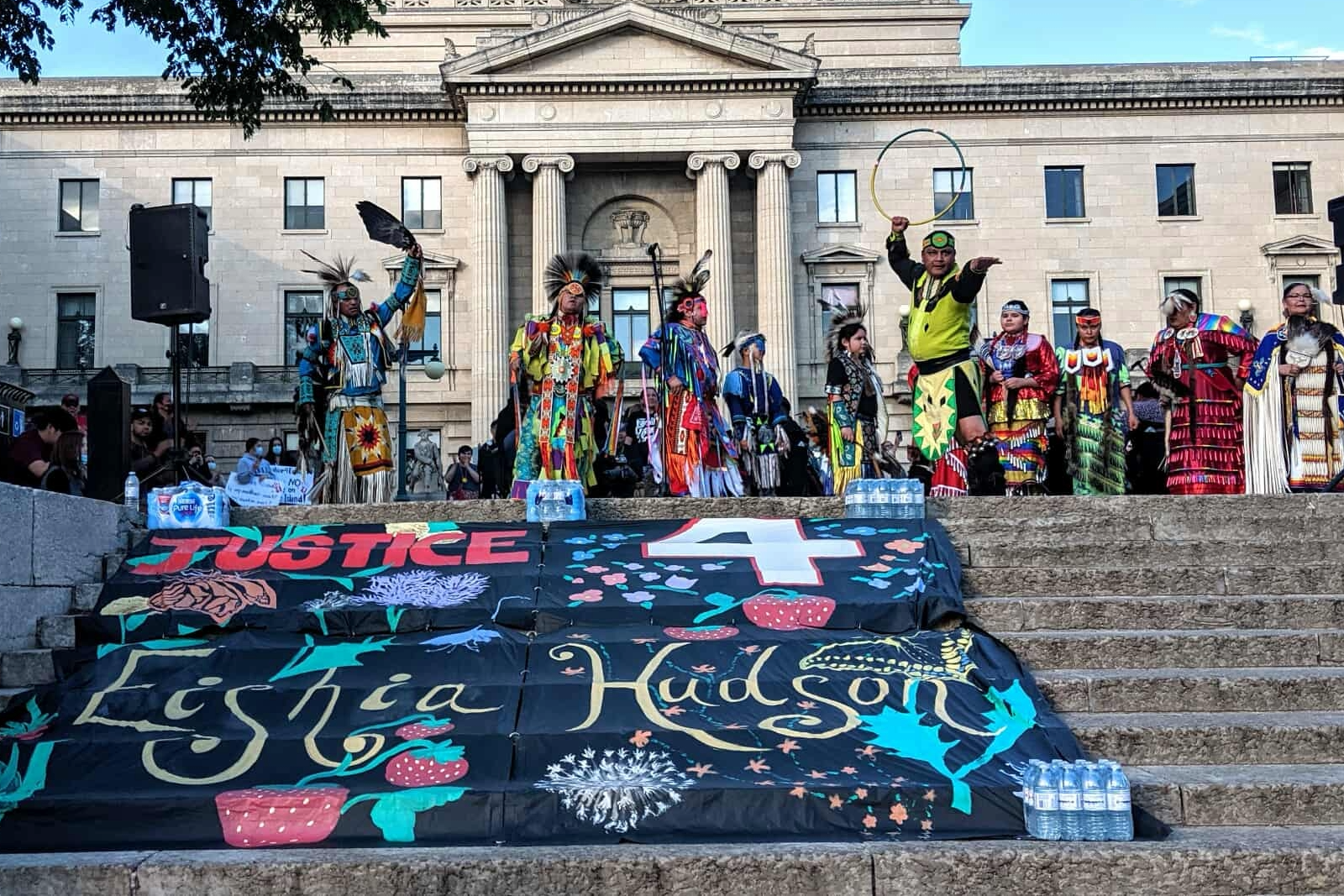
Wearing red, people gather in kiʔláwnaʔ to remember MMIWG2S
The Sisters in Spirit march and vigil was hosted by KFS for its 14th year — one of many events held across the country on Tuesday

Content warning: This story involves content regarding Canada’s ongoing genocidal epidemic of MMIWG2S+. Please read with care.
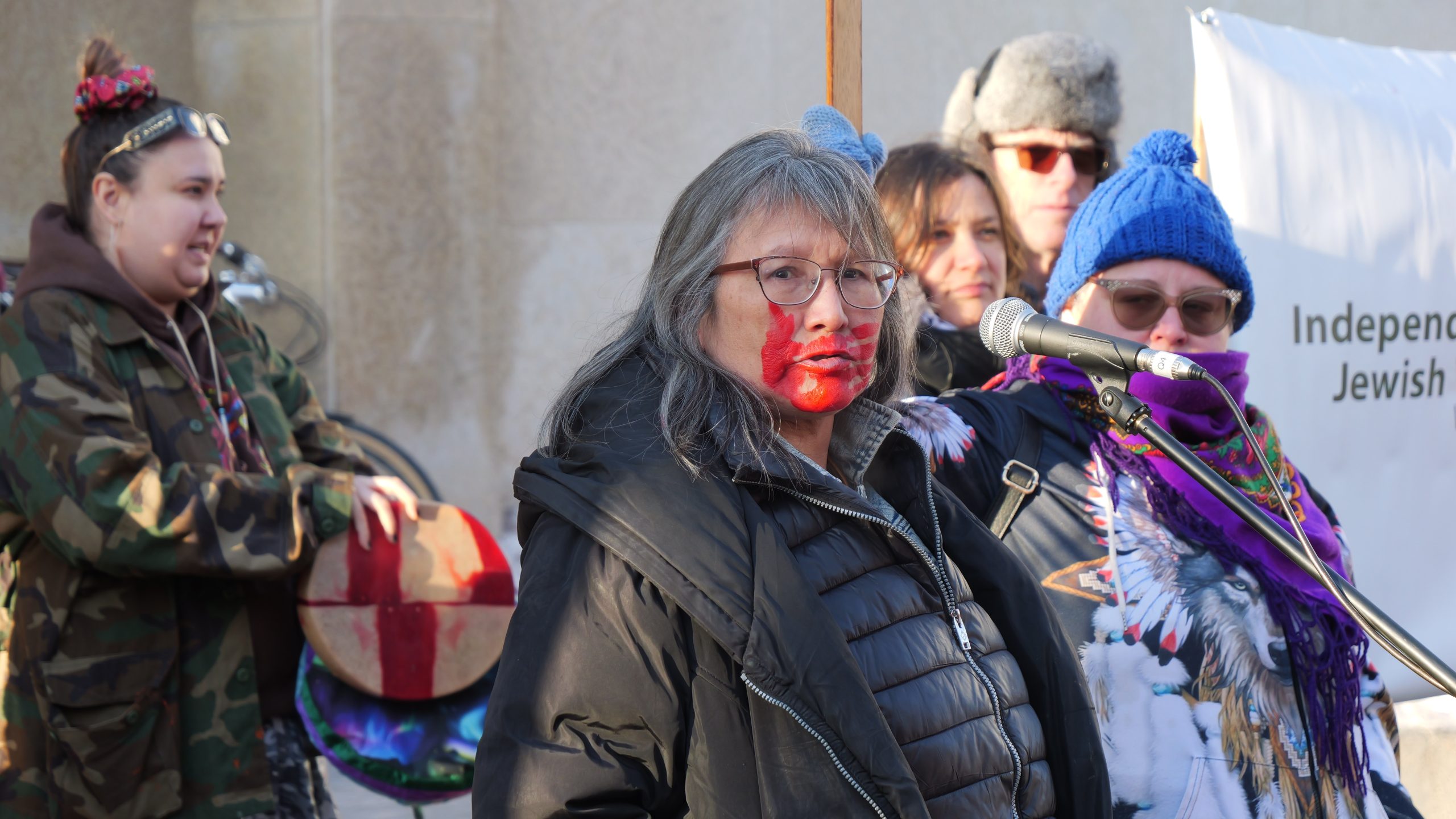
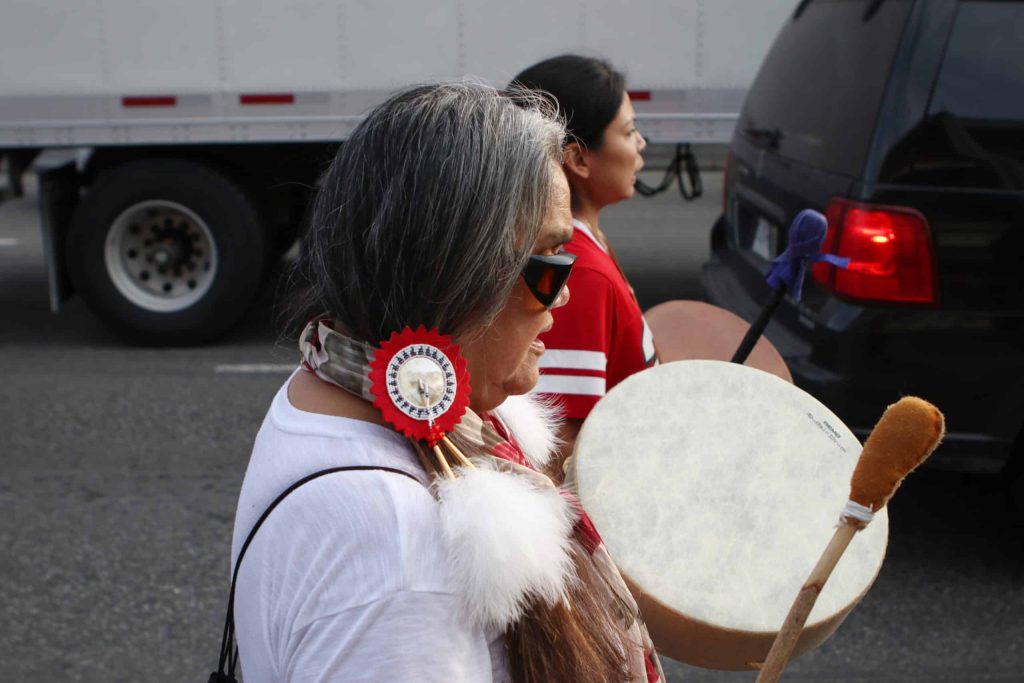
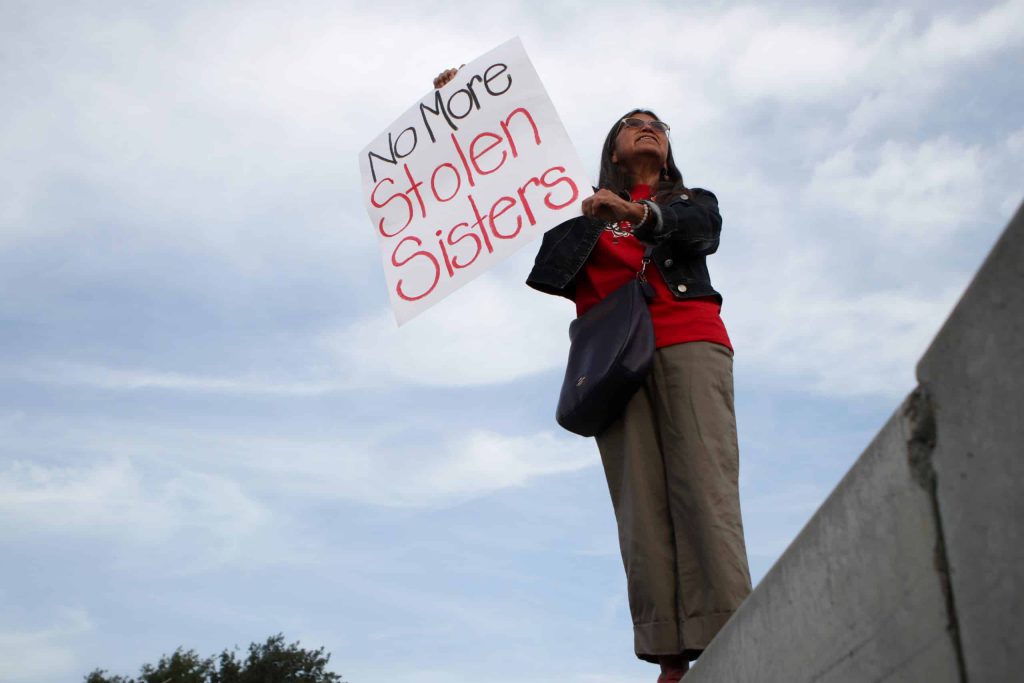
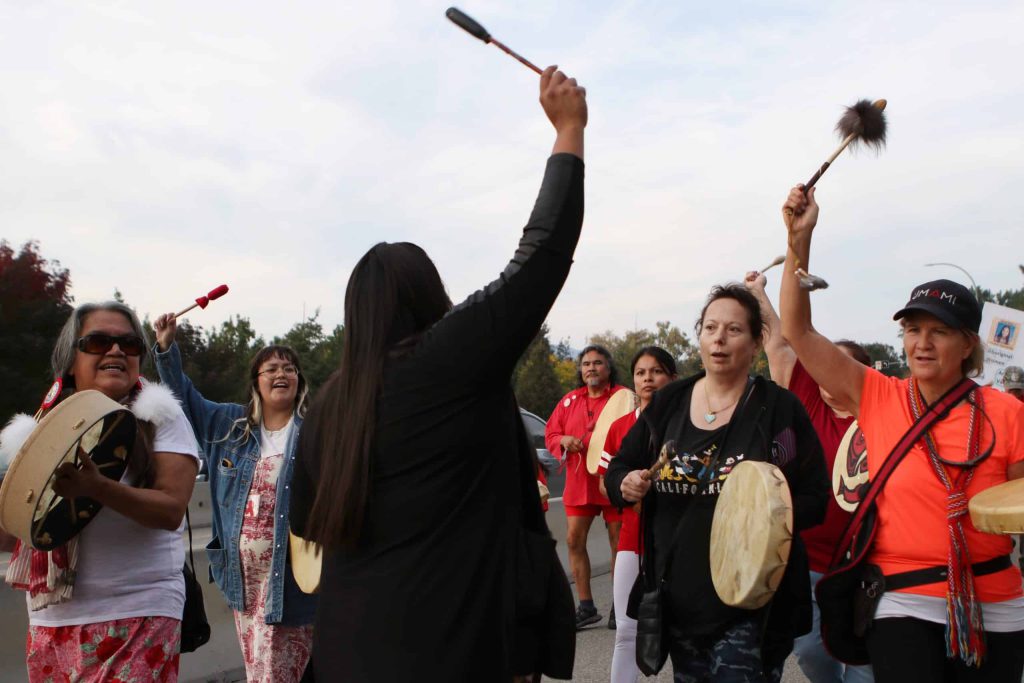
For the 14th year in a row in kiʔláwnaʔ (Kelowna), dozens of community members marched in remembrance of the many Missing and Murdered Indigenous Women and Two-Spirit People (MMIWG2S) that have been lost to colonial violence.
On Tuesday — the National Day of Action for MMIWG2S — people walked from downtown kiʔláwnaʔ to the William R. Bennett Bridge before holding a remembrance vigil.
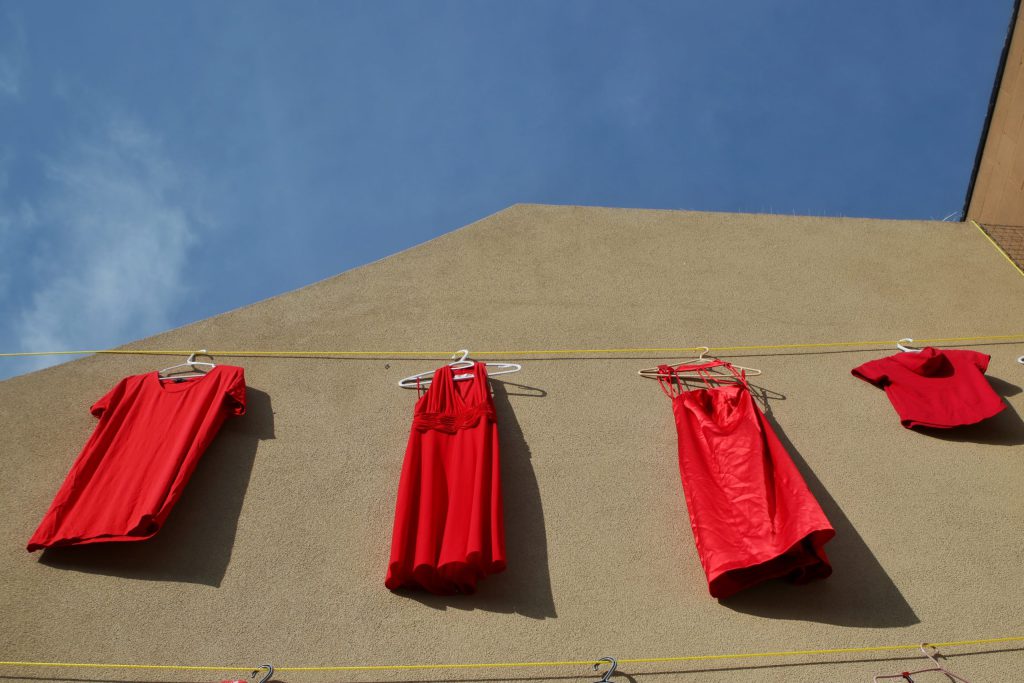
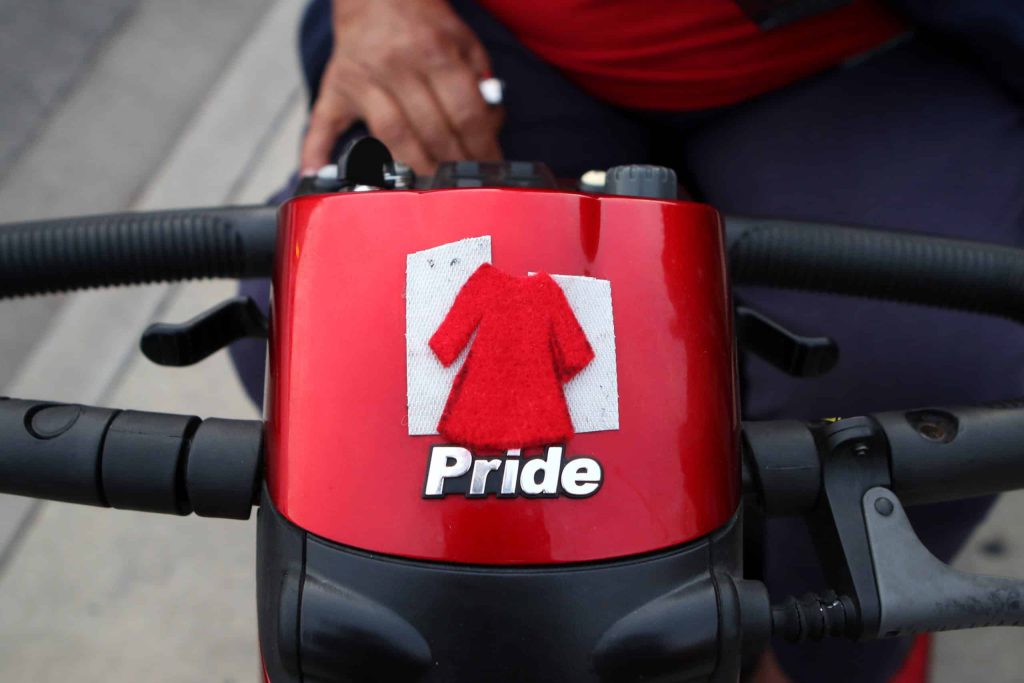
The event was organized by Ki-Low-Na Friendship Society (KFS), which hung up red dresses and pairs of jeans from outside of their building — the latter to acknowledge the Indigenous men and boys who are also impacted. Many in attendance wore red shirts or dresses as a way to pay tribute.
On Oct. 4 each year, Sisters in Spirit vigils are held in communities across the country in remembrance of MMIWG2S. Statistics show that the homicide rate for Indigenous women is 4.5 times higher than that of all other women in “Canada.”
In 2019, the National Inquiry into MMIWG2S defined the ongoing epidemic of violence as “race-based genocide of Indigenous Peoples […] which especially targets women” and has been empowered by colonial structures.
In kiʔláwnaʔ, KFS executive director Edna Terbasket said gathering each year is an important way to pay tribute, to remember those who have been lost and to raise awareness.
“As women, we are the life givers. We are the strength of our families. We are the matriarchs,” she said. “You lose a sister, you lose a big piece of the community.”
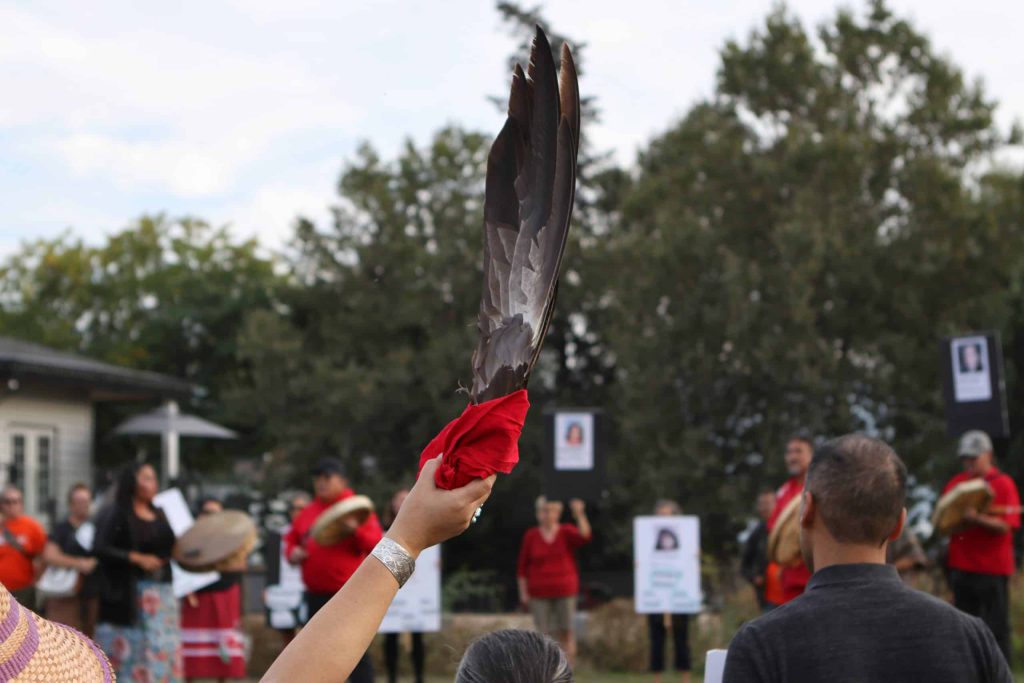
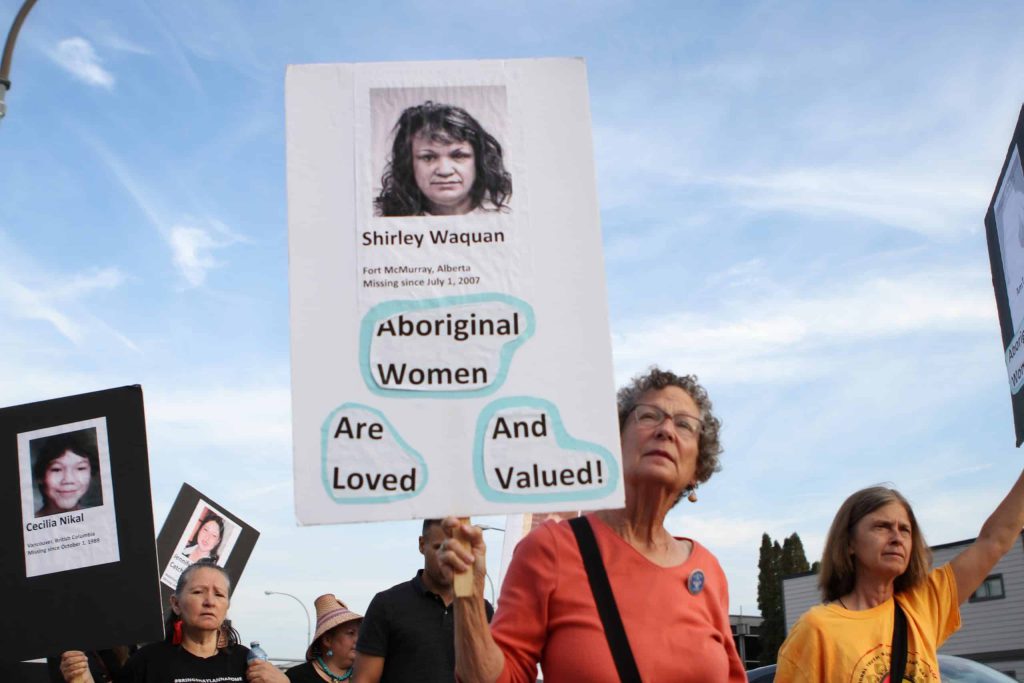
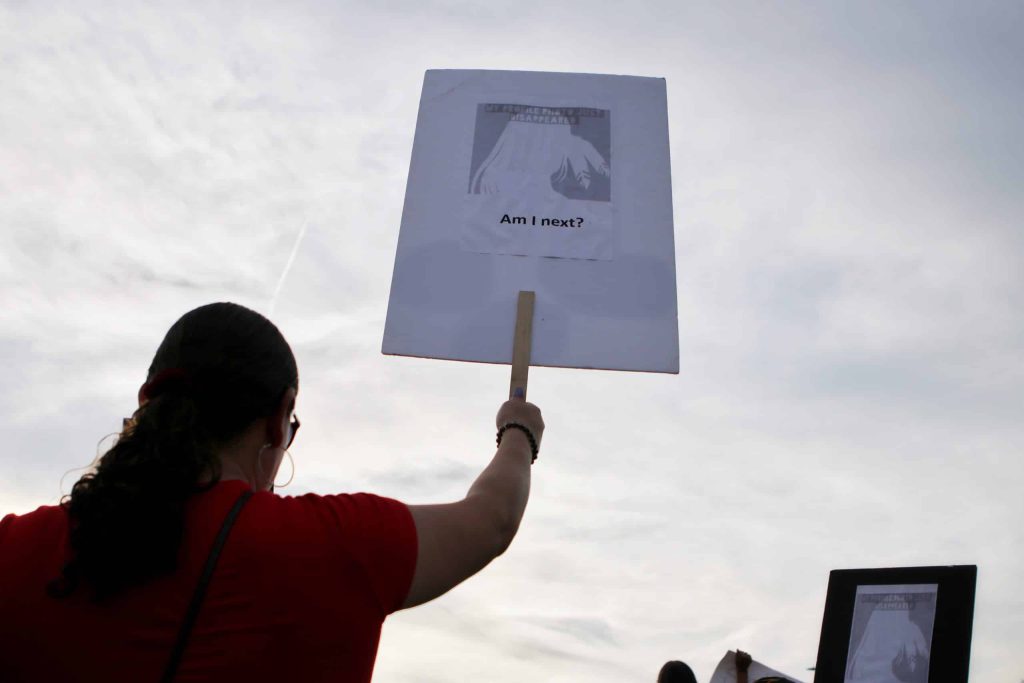
The march began at KFS, with the group heading west down Highway 97. Hand drummers led the way, and people carried placards that featured the names and faces of Indigenous women and girls who have been murdered or gone missing in “Canada.”

Some people driving by expressed their support by honking, while many continued on without acknowledging the group’s presence. Traffic was halted for a brief moment as the group crossed the street to make their way to the bridge.
“When the cars are at a standstill, I like to have eye contact with the people — make them look,” said Terbasket. “You can see the discomfort that they have, and they want to look the other way or look straight ahead.”
Once the group made their way back to the Friendship Society, an open-mic service was hosted inside, where soup and bannock were offered. The packed room sat in silence as, one-by-one, people took to the podium to share stories about their missing or murdered aunties, grandmas, mothers, sisters, nieces and daughters.
“As a mom of two daughters, I worry about my daughters everyday. As an Indigenous mom — an Indigenous woman — I have to teach my daughters how to protect themselves,” said one speaker.
“The protection of our women, our men, is every second of every day. We still have targets on our back as Indigenous people.”
Terbasket said that — as the issue continues to be prevalent even after 14 years of vigils and a national inquiry — she hopes that the conversation will continue.
“This is one day of the year. One day of the year,” she said. “We should remember our sisters everyday.”
Author
We live in a media ecosystem that thrives on misinformation. Big Tech and AI companies are consuming the work of real human beings and Canadian news has been banned on Facebook and Instagram.
And yet, I have hope for journalism because of the work we’re doing at IndigiNews.
At IndigiNews, we embody tâpwêwin — the Cree value of integrity and responsibility in truth-telling. We are committed to our independent, Indigenous-led newsroom rooted in community, accountability, and relationality. We believe storytelling is a sacred fire that connects our pasts, presents, and futures through the storytellers in our Storytelling Lodge. IndigiNews creates space for Indigenous journalists, storytellers, Knowledge Keepers, and communities to gather, learn, and share stories that matter.
As a registered charity, we are building a fire that allows our work not just to ignite but to thrive. Rather than relying on advertising or corporate acquisition, IndigiNews is sustained by people like you who believe Indigenous stories are important for the future of our communities.
Your support is making a real difference.
Our community of supporters, our Firekeepers, make it possible to grow our newsroom, publish award-winning journalism, train emerging Indigenous journalists through initiatives like the ReFocus Photojournalism Fellowship, and publish trustworthy stories that serve our communities across the country. Every story we publish helps fill in gaps left by mainstream media and ensures Indigenous perspectives are represented with care, accuracy and respect.
But there is still more work to do.
As the media landscape becomes more and more uncertain, community support is as necessary and essential as it’s ever been. Every new Firekeeper helps protect the independence of our newsroom and strengthens journalism that is accountable to our many and varied communities over corporations.
That’s why we’re inviting you to become a Firekeeper.
Firekeepers tend to and protect the sacred fire. Your monthly contributions directly support IndigiNews’s Storytelling Lodge, helps sustain our independent, Indigenous-led newsroom, and ensures future generations of Indigenous storytellers have the resources they need to do the work.
As a registered Canadian charity, all eligible donations receive a charitable tax receipt.
If you believe Indigenous stories matter, if you value independent journalism, and if you want to help build a strong future for Indigenous media, we invite you to join our circle of Firekeepers today.
Together, we can keep the fire burning.
— Eden Fineday, Publisher, IndigiNews
Support us nowLatest Stories
-
Indigenous leaders give the UN a roadmap for protecting their peoples
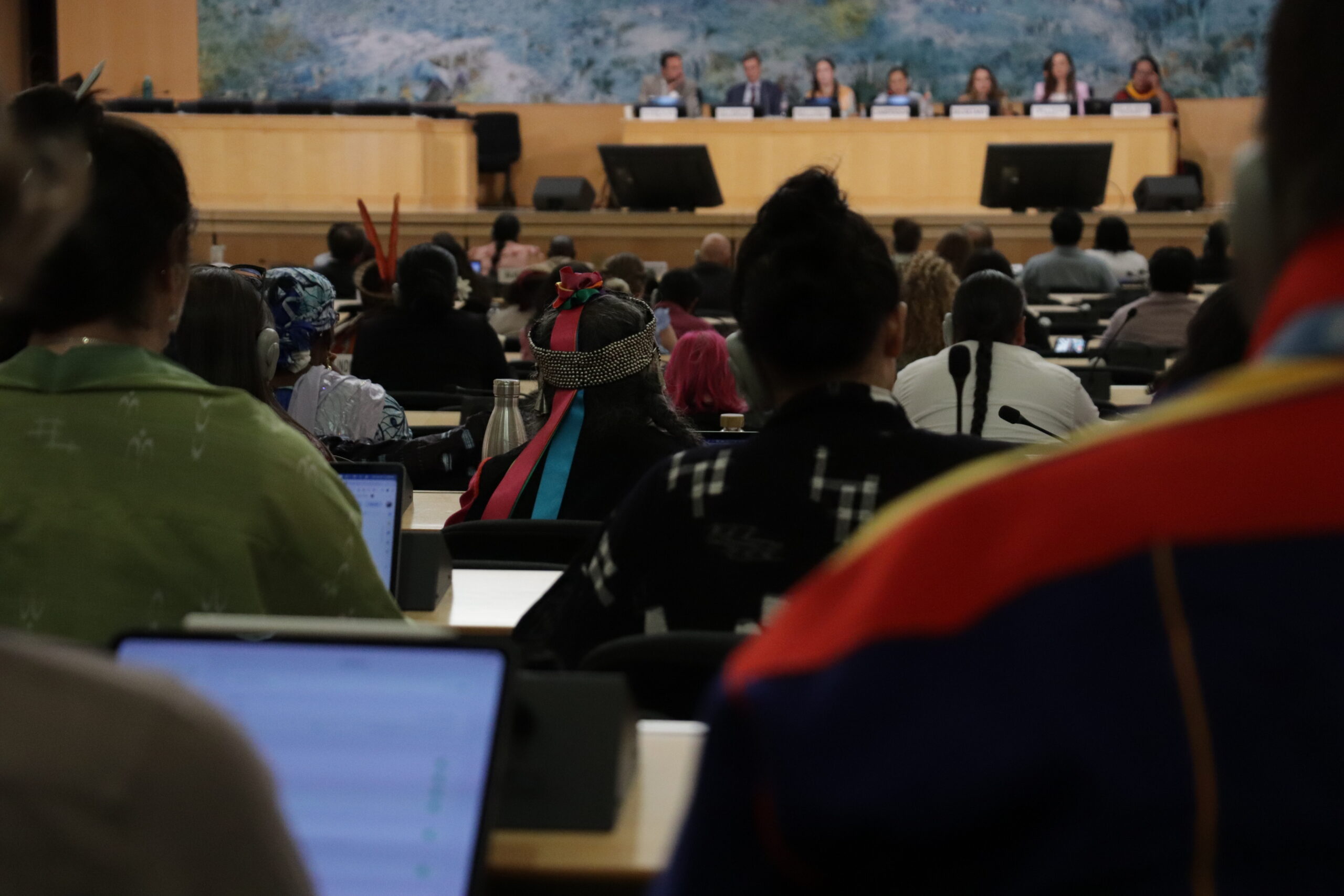
Amidst prayers and vows of solidarity, UN Expert Mechanism on the Rights of Indigenous Peoples ends annual meetings with demands for ‘action we’re not seeing globally’
-
Indigenous people demand more say at the UN, as new crises hit their homelands
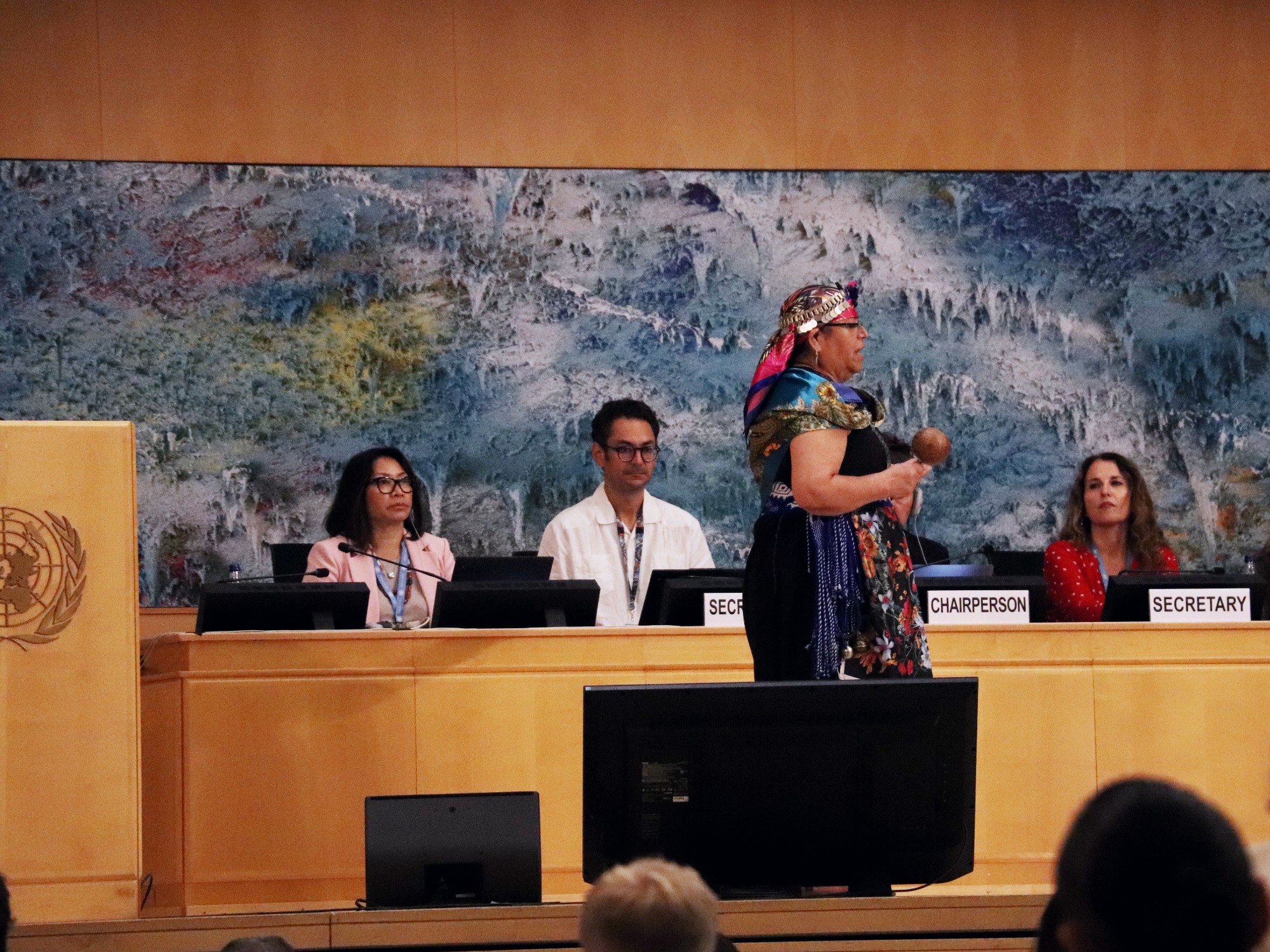
Indigenous nations live ‘on the frontlines’ of climate, conflict and new tech. But their voices remain sidelined in the global halls of power.