Webinar series tackles ‘colonial’ and ‘racist’ concepts of neglect in child welfare system
April 21-23 series will feature a diverse panel including Indigenous youth and Elders.

When a child is removed from their family by social workers in Canada, it’s most often because of “neglect,” and it’s time to rethink that concept, says Melanie Doucet.
She’s the organizer behind Beyond Neglect — a free webinar series that will take place April 21-23.
Currently the child welfare system “puts the blame on families,” says Doucet, who works as senior researcher and project manager for the Child Welfare League of Canada (CWLC), a non-profit organization.
“We’re looking to … challenge current notions, current stereotypes, that exist in the child welfare system and society at large as well, that feed into these notions of neglect,” she says.
“The families are in these conditions because systems have failed them.”
The six-part webinar series is meant for front-line workers, policymakers, members of Indigenous communities, youth from care, academics — and others who are “interested in the issues related to neglect and the overrepresentation of marginalized populations in the child welfare system,” says Doucet.
Hosted by CWLC with funding from the Children’s Aid Foundation of Canada, the series will feature a diverse range of speakers from across the country.
By laying bare the concept of neglect through six themed conversations, Doucet aims “to start having a discussion across sectors and also with people who have lived experience with, you know, diverse backgrounds — Indigenous Elders, Indigenous youth leaders, people from different racial backgrounds.”
“I was in care when I was a teenager,” says Doucet. “So the work that I do related to child welfare is very personal to me. And I feel really passionate about changing the status quo.”
Doucet says it’s important to rethink neglect in the child welfare system “because it is very much rooted in colonial concepts as well as racist and discriminatory concepts and is often tied into conditions and difficulties that families go through that are systemically caused — like poverty, trauma, mental health issues, substance use and abuse issues,” she explains.
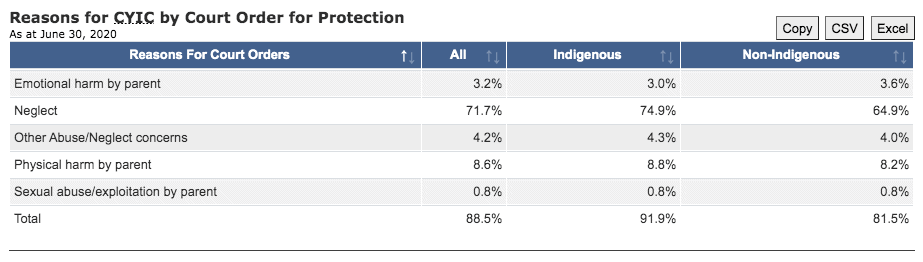
As of June 2020, 75 per cent of all Indigenous children in care in B.C. were apprehended because of perceived neglect, according to data from the Ministry of Children and Family Development, whereas 65 percent of non-Indigenous children were apprehended because of perceived neglect.
The webinars are open to the public, but attendees need to register first. People can sign up for as many sessions as they like. CWLC has prepared briefing papers for each session, accessible on their website (under the image for each session).
“We’re grounding everything in Indigenous knowledge and expertise,” says Doucet, adding that Elder Albert Dumont will be doing an opening for the first event.
“I think it’s timely to be having these conversations and overdue, definitely overdue.”
Doucet, who completed her Ph.D. in Social Work from McGill University last year, says the sessions are especially key since awareness of these issues has been heightened since the pandemic.
“It forced the world to slow down. And it also exposed all the cracks and gaps that we’ve had in our social service system structure in Canada,” she says.
“It’s actually the system’s responsibility to provide better supports and services, to keep those families together and out of the child protection system.”
Author
We live in a media ecosystem that thrives on misinformation. Big Tech and AI companies are consuming the work of real human beings and Canadian news has been banned on Facebook and Instagram.
And yet, I have hope for journalism because of the work we’re doing at IndigiNews.
At IndigiNews, we embody tâpwêwin — the Cree value of integrity and responsibility in truth-telling. We are committed to our independent, Indigenous-led newsroom rooted in community, accountability, and relationality. We believe storytelling is a sacred fire that connects our pasts, presents, and futures through the storytellers in our Storytelling Lodge. IndigiNews creates space for Indigenous journalists, storytellers, Knowledge Keepers, and communities to gather, learn, and share stories that matter.
As a registered charity, we are building a fire that allows our work not just to ignite but to thrive. Rather than relying on advertising or corporate acquisition, IndigiNews is sustained by people like you who believe Indigenous stories are important for the future of our communities.
Your support is making a real difference.
Our community of supporters, our Firekeepers, make it possible to grow our newsroom, publish award-winning journalism, train emerging Indigenous journalists through initiatives like the ReFocus Photojournalism Fellowship, and publish trustworthy stories that serve our communities across the country. Every story we publish helps fill in gaps left by mainstream media and ensures Indigenous perspectives are represented with care, accuracy and respect.
But there is still more work to do.
As the media landscape becomes more and more uncertain, community support is as necessary and essential as it’s ever been. Every new Firekeeper helps protect the independence of our newsroom and strengthens journalism that is accountable to our many and varied communities over corporations.
That’s why we’re inviting you to become a Firekeeper.
Firekeepers tend to and protect the sacred fire. Your monthly contributions directly support IndigiNews’s Storytelling Lodge, helps sustain our independent, Indigenous-led newsroom, and ensures future generations of Indigenous storytellers have the resources they need to do the work.
As a registered Canadian charity, all eligible donations receive a charitable tax receipt.
If you believe Indigenous stories matter, if you value independent journalism, and if you want to help build a strong future for Indigenous media, we invite you to join our circle of Firekeepers today.
Together, we can keep the fire burning.
— Eden Fineday, Publisher, IndigiNews
Support us nowLatest Stories
-
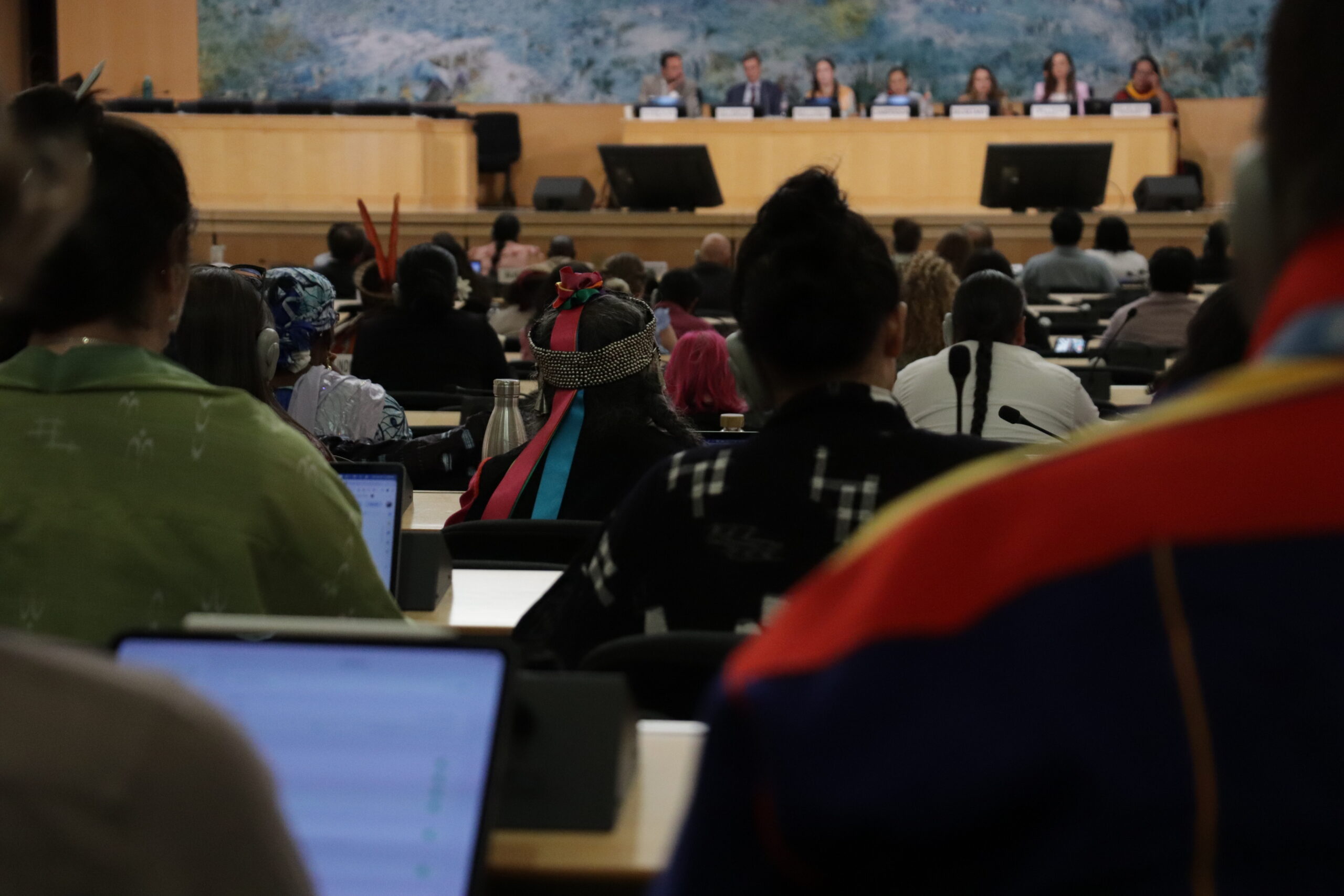
Indigenous leaders give the UN a roadmap for protecting their peoples
Amidst prayers and vows of solidarity, UN Expert Mechanism on the Rights of Indigenous Peoples ends annual meetings with demands for ‘action we’re not seeing globally’
-
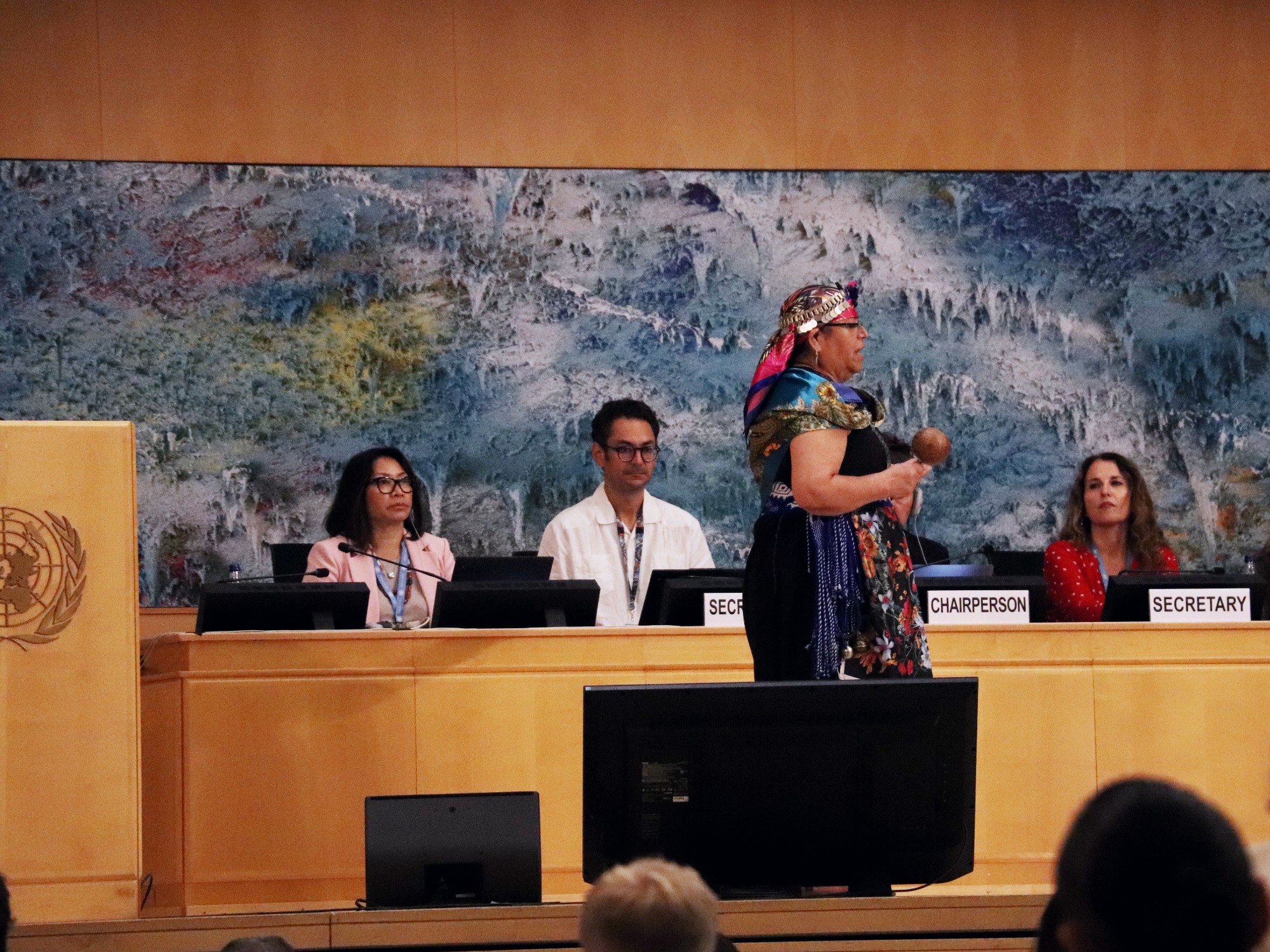
Indigenous people demand more say at the UN, as new crises hit their homelands
Indigenous nations live ‘on the frontlines’ of climate, conflict and new tech. But their voices remain sidelined in the global halls of power.