FNHA coordinator leads ‘wellness kit’ project for more than 200 Indigenous youth
Adam Gauthier, who’s Coast Salish, Cree and Métis, says the packages of self-care items are a way to show love for Indigenous youth both on reserve and off
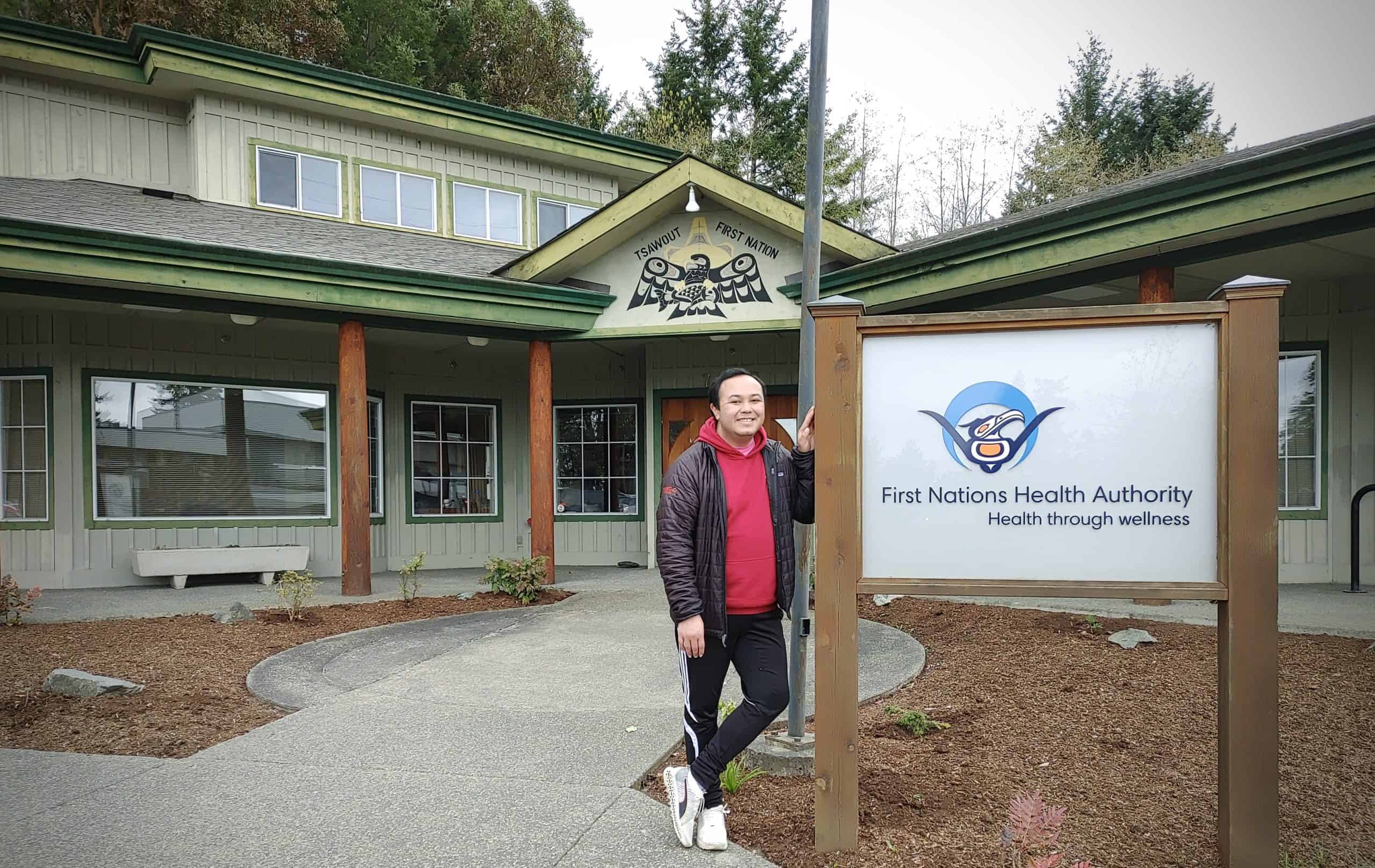
A project to create wellness kits for Indigenous youth across Vancouver Island began as a way to show love and pass along the gift of self-care, according to the youth worker leading the project.
Adam Gauthier is supporting the wellness kit project as the child and youth care coordinator for First Nations Health Authority (FNHA), a position he has held since January.
So far, they have prepared over 200 kits, he says, which include necessities such as blankets, water bottles and medicines, as well as art supplies, recipes and language cards.
“The wellness kits are by the youth, and for the youth and just supported by us [at FNHA],” Gauthier says. “They’re the voice, we amplify it, we encourage it, we lift them up.”
Gauthier is Coast Salish, Cree and Métis, and he says he brings his mother’s Tla’amin roots to serve as a strong foundation while working with Coast Salish families and communities.
The idea for wellness kits was born when Gauthier was working as a youth wellness coordinator for Songhees First Nation, he says. Since then, the concept has expanded to also include two Friendship Centres and the 20 Coast Salish Nations. Now, the wellness kits are ready, with 100 to be delivered in May, and another 100 in June, he says.
Gauthier says each nation has identified their youth population themselves, including those on reserve, and those away from home.
Gauthier wanted to ensure that youth who were not with their families also received the kits, including youth who are placed out of their Nation in foster care. He has been able to connect with youth through Aboriginal Delegated Agencies, by partnering with Surrounded by Cedar Child & Family Services and NIȽTU,O Child & Family Services Society.
“More than half of them are in foster care, or have had experience with the foster care system,” says Gauthier.
Being inclusive to all demographics was particularly important to Gauthier, who has been studying at the University of Victoria’s School of Social Work on top of his job with FNHA.
He is completing Bachelor of Child and Youth Care, with Child Protection Specialization. Gauthier finishes his program this Friday, and is already looking to continue the wellness kit project.
He has plans for a children’s version of the wellness kits, for ages six to 12. Those kits will include literacy, puzzles, and books. He says he’s hoping those will roll out in closer to August or September.
‘The care they deserve’
Though the project is for all Indigenous youth, it’s particularly important to recognize the challenges that Indigenous children and youth in the child welfare system are facing, Gauthier explains.
He says three traits come to mind when he thinks about youth in care he’s worked with: resilient, independent, undervalued.
“Undervalued as in they don’t get the attention they deserve, the services they deserve, the support they deserve, and the care they deserve,” he says.
“They’re battling and going through systems that aren’t made for them, not designed for them, and not in their best interest.”
He says as an Indigenous person himself, he feels inspired to work with and support children and youth, which has led him to his career path today.
“They’re still here, they’re fighting, they’re pushing and, you know, with the help of people, support services like FNHA or Friendship Centres, they’re able to live and thrive,” he says.
Indigenous wellness lens
Concepts of health and wellness can have unique and individual meaning, depending on how a person chooses to walk on their journey, says Gauthier.
Practicing health in an Indigenous context could include things like practicing language, eating traditional foods, physical activities, or sharing stories, he suggests. For Gauthier, his Indigenous lens on wellness comes from growing up in Tla’amin First Nation.
“When I was a child, I think it was watching my aunts and uncles and grandparents be really strong role models and guides,” he says. “I was able to kind of just gather and harness that, and take it with me.”
“So I think the self-care that I have, and the teachings that I carry are composed of so many different things that are sacred, meaningful, traditional and intergenerational.”
Gauthier describes his motivation towards this work by sharing a story of his learning path.
“I grew up with a single mom, but you know, I grew up in a family-based home,” he says. “I had so many other aunts and uncles to play the roles of my second mom or my second dad. I grew up embedded in so many different cultural components in my life.”
When Gauthier decided to pursue the field of child and youth care, he was moved by the need and the potential.
“I’m an advocate and a colleague that’s going to be a community member, an ally, in every single way shape and form for Indigenous children, youth and families,” he says.
Author
We live in a media ecosystem that thrives on misinformation. Big Tech and AI companies are consuming the work of real human beings and Canadian news has been banned on Facebook and Instagram.
And yet, I have hope for journalism because of the work we’re doing at IndigiNews.
At IndigiNews, we embody tâpwêwin — the Cree value of integrity and responsibility in truth-telling. We are committed to our independent, Indigenous-led newsroom rooted in community, accountability, and relationality. We believe storytelling is a sacred fire that connects our pasts, presents, and futures through the storytellers in our Storytelling Lodge. IndigiNews creates space for Indigenous journalists, storytellers, Knowledge Keepers, and communities to gather, learn, and share stories that matter.
As a registered charity, we are building a fire that allows our work not just to ignite but to thrive. Rather than relying on advertising or corporate acquisition, IndigiNews is sustained by people like you who believe Indigenous stories are important for the future of our communities.
Your support is making a real difference.
Our community of supporters, our Firekeepers, make it possible to grow our newsroom, publish award-winning journalism, train emerging Indigenous journalists through initiatives like the ReFocus Photojournalism Fellowship, and publish trustworthy stories that serve our communities across the country. Every story we publish helps fill in gaps left by mainstream media and ensures Indigenous perspectives are represented with care, accuracy and respect.
But there is still more work to do.
As the media landscape becomes more and more uncertain, community support is as necessary and essential as it’s ever been. Every new Firekeeper helps protect the independence of our newsroom and strengthens journalism that is accountable to our many and varied communities over corporations.
That’s why we’re inviting you to become a Firekeeper.
Firekeepers tend to and protect the sacred fire. Your monthly contributions directly support IndigiNews’s Storytelling Lodge, helps sustain our independent, Indigenous-led newsroom, and ensures future generations of Indigenous storytellers have the resources they need to do the work.
As a registered Canadian charity, all eligible donations receive a charitable tax receipt.
If you believe Indigenous stories matter, if you value independent journalism, and if you want to help build a strong future for Indigenous media, we invite you to join our circle of Firekeepers today.
Together, we can keep the fire burning.
— Eden Fineday, Publisher, IndigiNews
Support us nowLatest Stories
-
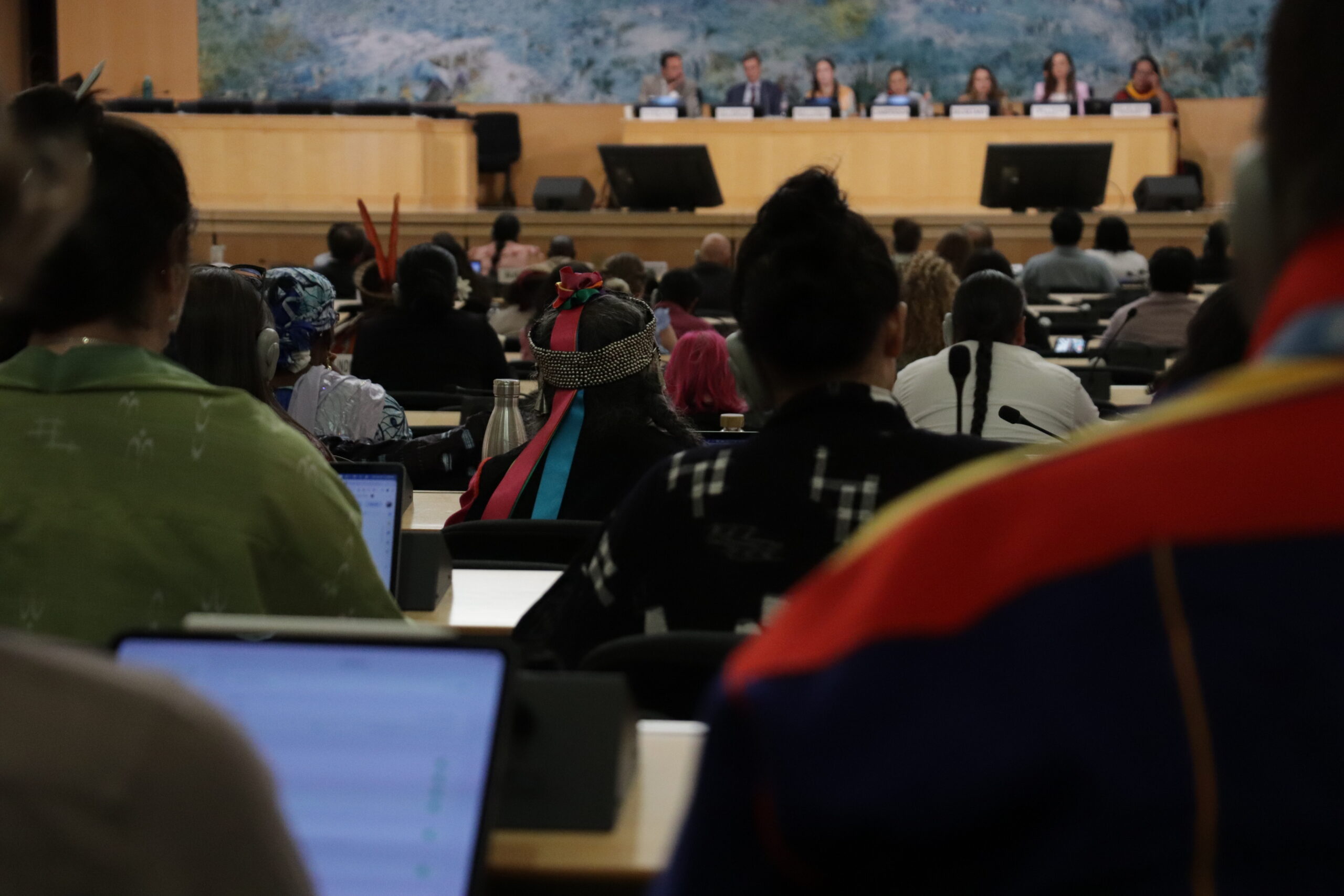
Indigenous leaders give the UN a roadmap for protecting their peoples
Amidst prayers and vows of solidarity, UN Expert Mechanism on the Rights of Indigenous Peoples ends annual meetings with demands for ‘action we’re not seeing globally’
-
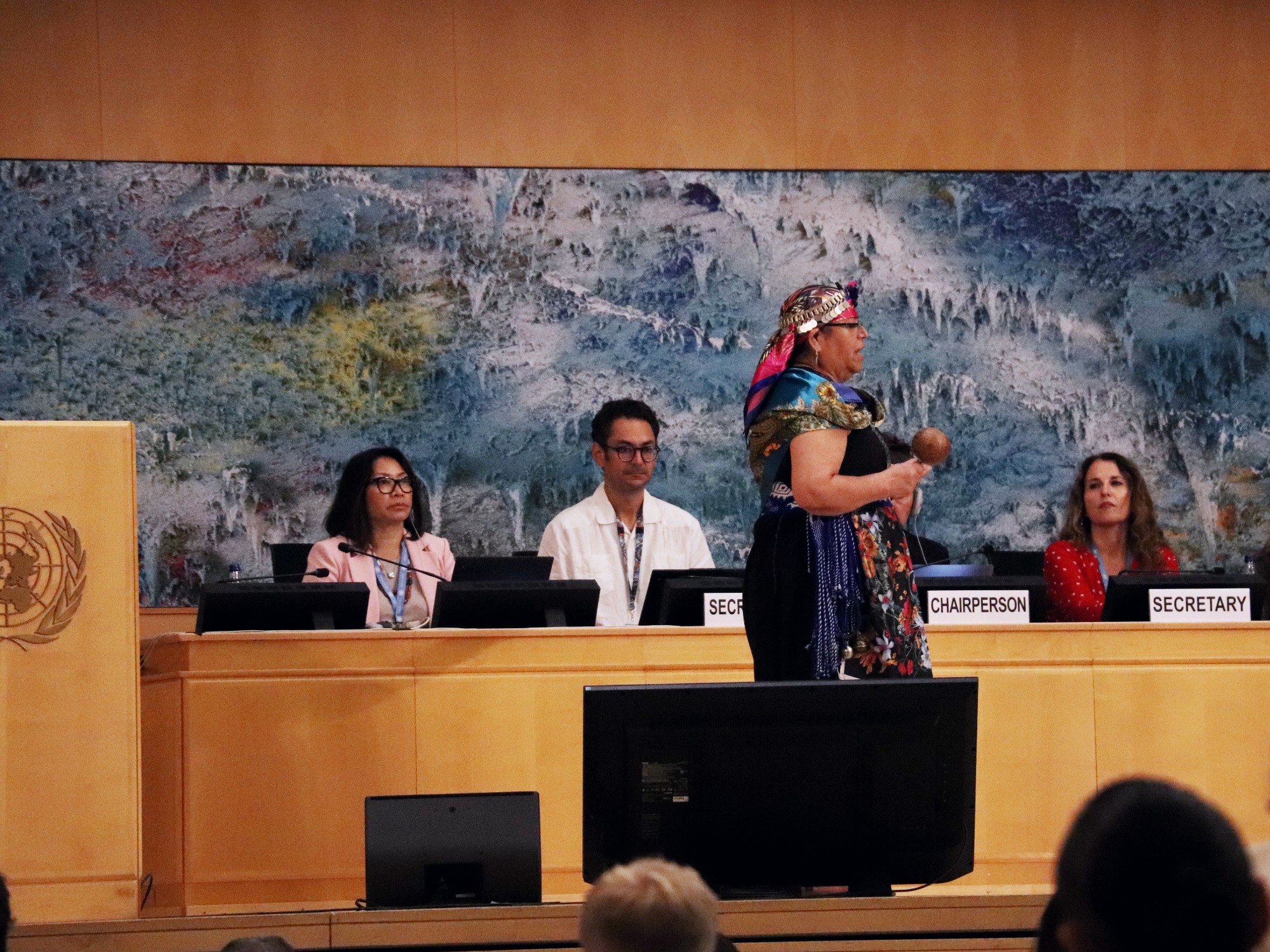
Indigenous people demand more say at the UN, as new crises hit their homelands
Indigenous nations live ‘on the frontlines’ of climate, conflict and new tech. But their voices remain sidelined in the global halls of power.