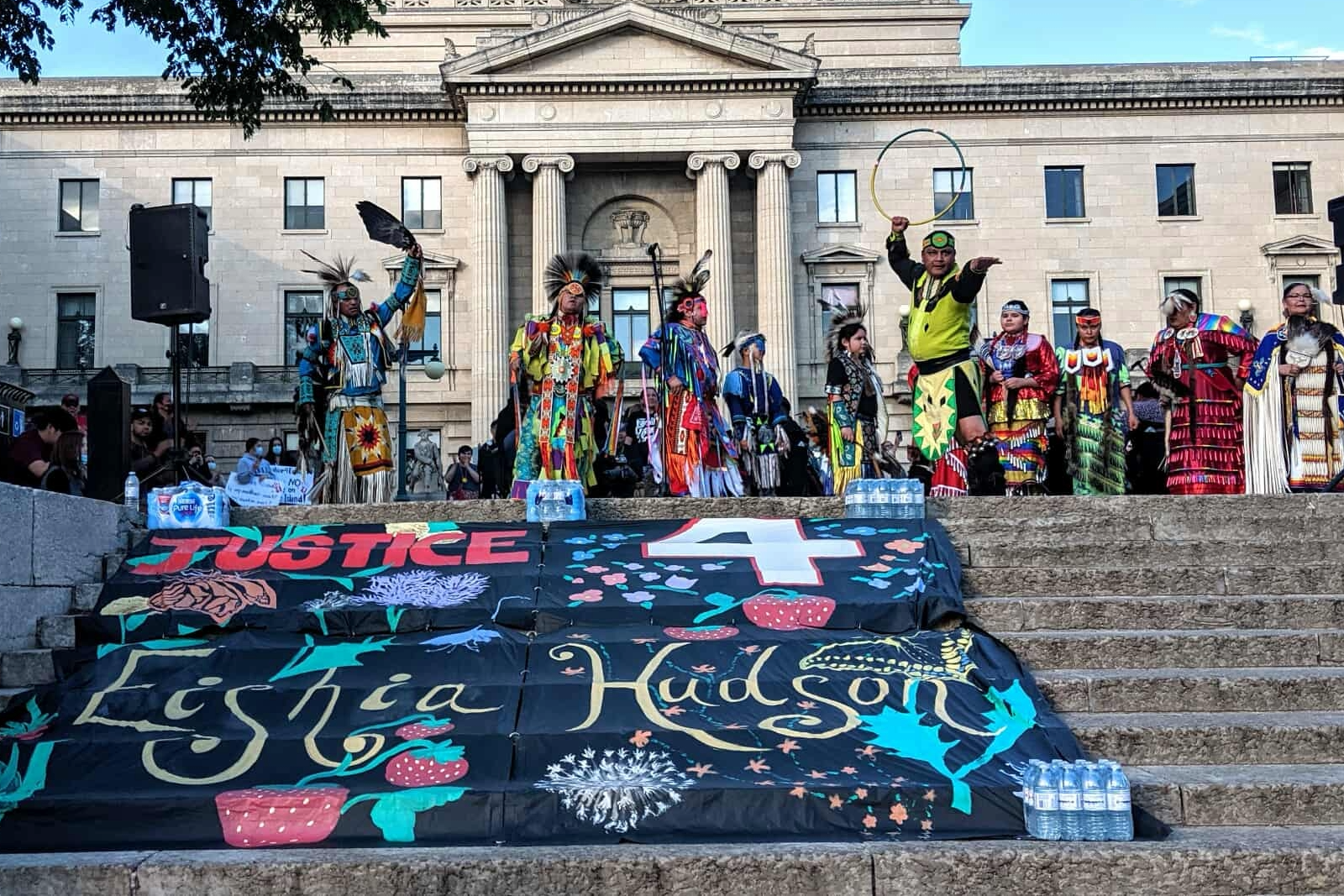
What it means to be a ceremonial witness
Reporter Kelsie Kilawna shares teachings from the Ubuntu Conference.

In October, I was asked to be a ceremonial witness at the Ubuntu Conference in downtown Kelowna.
It was organized by Lady Dia Ewila, Kelowna’s artist-in-residence, and her fellow artist and partner Trophy Ewila.
They aimed to “bridge the disconnect between artists, local community members, different cultural groups, public art spaces and resources required to have access to space for public gathering.”
It was about bringing together people who’ve been vocal about yearning for safe spaces, family, community, celebration and the importance of feeling seen — for an open and honest conversation with allies about racism and “collective solutions to community problems.
At IndigiNews, we talked about how I could cover this. Should it be a news story? An op-ed? Then my sis Emilee Gilpin said, “It’s a ceremonial witness account, so let’s write it as such, since that’s truly what we are at IndigiNews.”
Protocol for being a ceremonial witness goes something like this … The host of a ceremony will often approach you after an event and give you an offering. That offering means they are asking you with good intentions to do three things:
- Never forget what you saw.
- Take every opportunity you get to talk about it share what you saw.
- Follow through with the work that needs to continue.
When I was approached by Lady Dia and Trophy Ewila to witness this event, I couldn’t turn it down. So I decided to write both a news story as well as this ceremonial witness account.
On Oct. 23, the day of the conference, I showed up with my kids in tow. It was cold and sunny, and we waited downstairs for almost an hour to be let in. We got to know the other 10 or so people waiting outside — the farmers who came because they wanted to offer space at their farm, and the woman from UBC who said she was there simply to listen.
On ceremony days, we know that ceremony spirit starts when you wake up, which is why it’s so important to set your intentions for the day. So for us, ceremony began downstairs while we were waiting.
Eventually, someone joined the virtual event to tell the organizers we were outside outside., The group laughed when someone came down and the door finally burst open.
Inside I found 20 people who were there to attend the conference, everyone was seated after being given colouring art kits at the door as a reciprocal offering.
But what I found really noticeable was the absence of any city councillors and the mayor. I knew they’d been invited, and given the recent string of racist acts, I thought for sure an elected representative would accept the invitation to join this conversation with this group of Black people, Indigenous people and people of colour (BIPOC).Folks wanted to share intimately with those who hold “colonial space.” It’s an old way of doing things, sitting and having honest conversations.
It was the work that happened in the absence of colonial space holders that made the day worth one’s weight in Indigenous beadwork.
Over the course of the day folks got up and shared what kinds of spaces they can offer one another — to gather, sing, commune and feast together, to hold space for time and spirit. I witnessed that with or without colonial space holders we have everything need to hold space for one another. I witnessed synergy and the potential for BIPOC community to create a higher level of consciousness.
After witnessing, as per protocol, I had to carry the work forward, so I followed up with Mayor Colin Basran.
It’s always difficult for me, especially as a syilx woman, to interview folks in political positions. This is not because I’m intimidated, but rather because I know I’m likely to get a cookie-cutter response. I can count on it almost every time.
As a settler and ally, IndigiNews editor Brielle Morganwould’ve absolutely taken the interview on for me, but I felt I needed to follow through on this responsibility myself. So I asked hard questions and held him accountable for not showing up. He said that he “can’t say yes to everything” and he had to be with his kids that day.
It took me more than a month to write the news story. I needed time to process and unpack what I witnessed. I needed to sit with it in my own personal ceremony before moving ahead with it — especially as a syilx person who doesn’t feel safe on my homelands in Kelowna.
My main teaching from this conference was that BIPOC in Kelowna are absolutely doing what they can in their own inner worlds to make their spaces safe. And with or without colonial entities and institutions, community is being built and safety is being reclaimed on these syilx lands.
Now is the time to call our spirit here, because we are here to stay and reclaim safe spaces. We can no longer go with our spirits wandering. We need to love these lands as syilx do and have our spirits exchange energy with the land, walking each step with purpose and love.
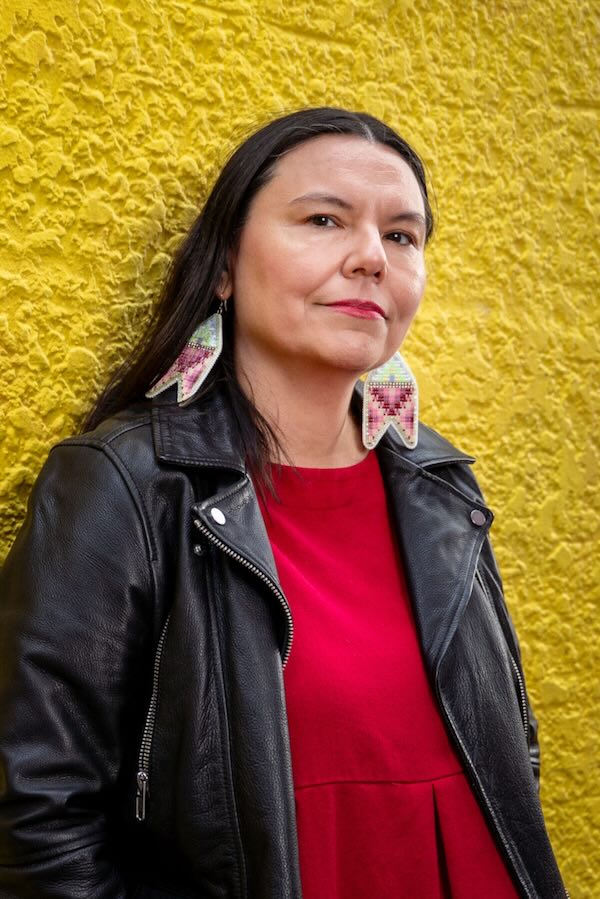
Author
We live in a media ecosystem that thrives on misinformation. Big Tech and AI companies are consuming the work of real human beings and Canadian news has been banned on Facebook and Instagram.
And yet, I have hope for journalism because of the work we’re doing at IndigiNews.
At IndigiNews, we embody tâpwêwin — the Cree value of integrity and responsibility in truth-telling. We are committed to our independent, Indigenous-led newsroom rooted in community, accountability, and relationality. We believe storytelling is a sacred fire that connects our pasts, presents, and futures through the storytellers in our Storytelling Lodge. IndigiNews creates space for Indigenous journalists, storytellers, Knowledge Keepers, and communities to gather, learn, and share stories that matter.
As a registered charity, we are building a fire that allows our work not just to ignite but to thrive. Rather than relying on advertising or corporate acquisition, IndigiNews is sustained by people like you who believe Indigenous stories are important for the future of our communities.
Your support is making a real difference.
Our community of supporters, our Firekeepers, make it possible to grow our newsroom, publish award-winning journalism, train emerging Indigenous journalists through initiatives like the ReFocus Photojournalism Fellowship, and publish trustworthy stories that serve our communities across the country. Every story we publish helps fill in gaps left by mainstream media and ensures Indigenous perspectives are represented with care, accuracy and respect.
But there is still more work to do.
As the media landscape becomes more and more uncertain, community support is as necessary and essential as it’s ever been. Every new Firekeeper helps protect the independence of our newsroom and strengthens journalism that is accountable to our many and varied communities over corporations.
That’s why we’re inviting you to become a Firekeeper.
Firekeepers tend to and protect the sacred fire. Your monthly contributions directly support IndigiNews’s Storytelling Lodge, helps sustain our independent, Indigenous-led newsroom, and ensures future generations of Indigenous storytellers have the resources they need to do the work.
As a registered Canadian charity, all eligible donations receive a charitable tax receipt.
If you believe Indigenous stories matter, if you value independent journalism, and if you want to help build a strong future for Indigenous media, we invite you to join our circle of Firekeepers today.
Together, we can keep the fire burning.
— Eden Fineday, Publisher, IndigiNews
Support us nowLatest Stories
-
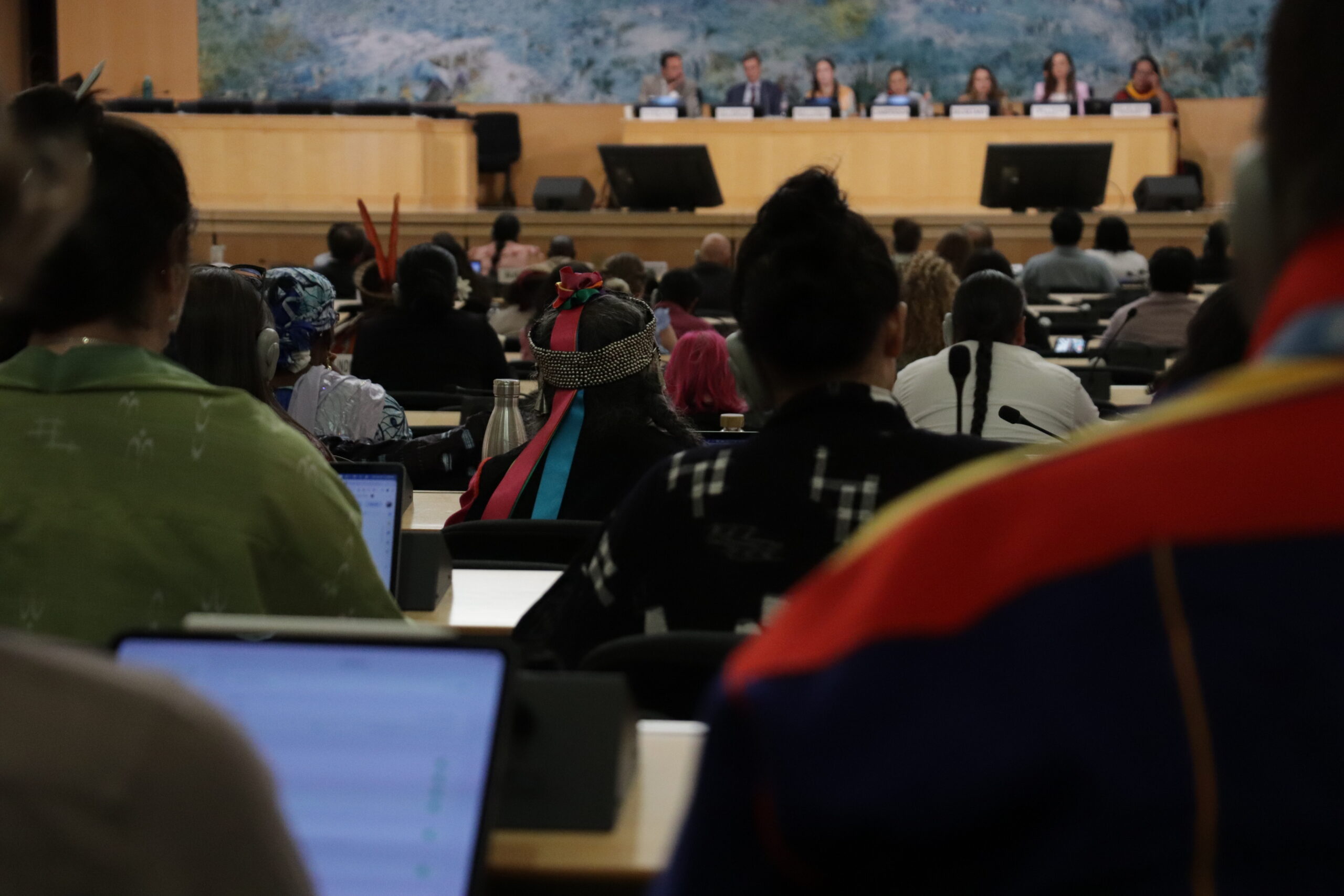
Indigenous leaders give the UN a roadmap for protecting their peoples
Amidst prayers and vows of solidarity, UN Expert Mechanism on the Rights of Indigenous Peoples ends annual meetings with demands for ‘action we’re not seeing globally’
-
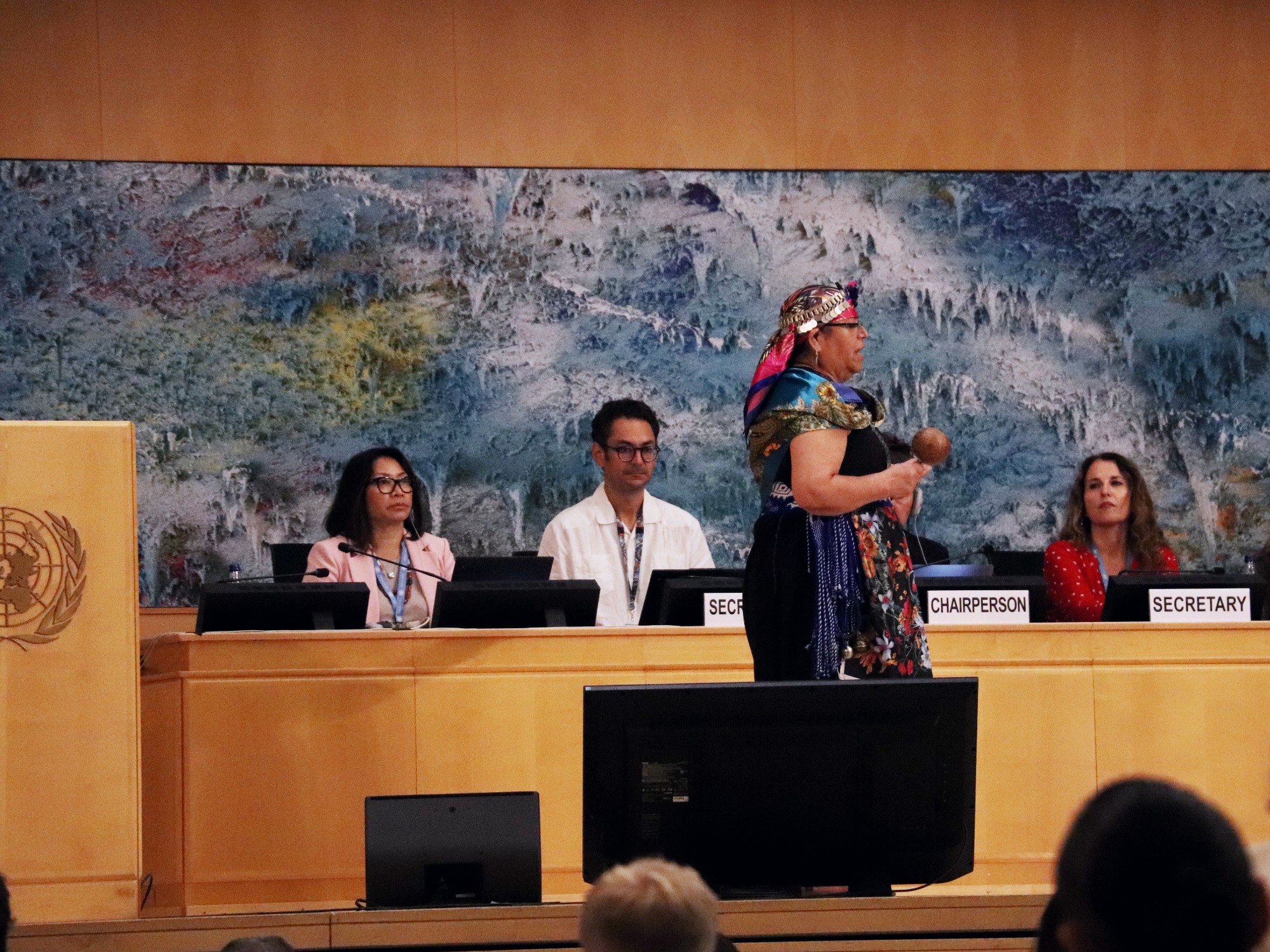
Indigenous people demand more say at the UN, as new crises hit their homelands
Indigenous nations live ‘on the frontlines’ of climate, conflict and new tech. But their voices remain sidelined in the global halls of power.