Bringing support to Indigenous students and communities, while fulfilling a dream
Candice Loring holds the first Indigenous-specific position with Mitacs

In May 2019, Candice Loring was at the late Dr. Gregory Younging’s funeral. A member of Opaskwayak Cree Nation, he was not only a professor at the Indigenous Studies Program at the University of British Columbia Okanagan (UBCO), but a publisher of Theytus Books, the oldest Indigenous publishing house in Canada.
“I was sitting in the audience and, you know, remembering being a student and all of my aspirations of working towards the betterment of Indigenous people,” says Loring.
In that moment, Loring felt inspired to go back to the university to work with Indigenous students and professors.
“I just didn’t feel like I was really fulfilling that in my career at the time, and I left my job that week after his funeral,” she says.
Loring then phoned up Mitacs, a nonprofit organization that operates research and training programs. She called to see if the job she had been offered the winter before was still available. At the time she had declined because she felt fulfilled, that feeling had since changed.
“I followed this opportunity out of passion,” she says.
In August 2019, Loring was officially offered the first Indigenous-specific position with Mitacs. She is now the organization’s director of business development and Indigenous community engagement.

“Indigenous communities are my focus, and working with Indigenous-owned businesses and organizations or communities working with their economic development corporations,” Loring says.
When it comes to the Indigenous projects, Mitacs wants to ensure that the organization is not repeating historical wrongs.
In order to accomplish this, “the research is community-led and driven by the community or the Indigenous organization,” she says.
How research students are bringing change
In fact, adds Loring, “We have an extensive network of highly skilled research students. I can bring students in from our national network across Canada.”
One of Mitacs’ internships alone is $15,000 and is four to six months long. The nonprofit funds 55 per cent and the partner organization funds 45 per cent. The research student spends half of their time with the partner organization and the other half with their academic supervisor.
“Some of the projects we do are pretty incredible,” Loring says.
This year, one of those projects comes from Melissa Tremblay. She’s a Métis woman who completed her PhD at the University of Alberta, where she is currently an assistant professor of educational psychology. Tremblay developed Successful Families, a supportive housing program designed for young mothers to stay together with their children in safer environments. It has already shown a positive impact. So much so that Tremblay went on to win Mitacs’ first award in the Indigenous categories, for outstanding innovation.
Giving back to the community
When an Indigenous community or business has a research or innovation need they can turn to Loring and Mitacs.
For instance, an Indigenous community recently reached out to Mitacs because one of their lakes has been contaminated and they need support.
“Then we would be bringing in doctors who specialize in marine biology and then figure out how we can get the contaminants out of that lake,” Lorings says.
The different opportunities Mitacs can offer is driven by the people; if Indigenous communities have a need and are asking for something to be done, Mitacs will provide guidance.
“It’s an industry, organizational pull model in which the research is done through the lens of that partner organization,” Loring says.
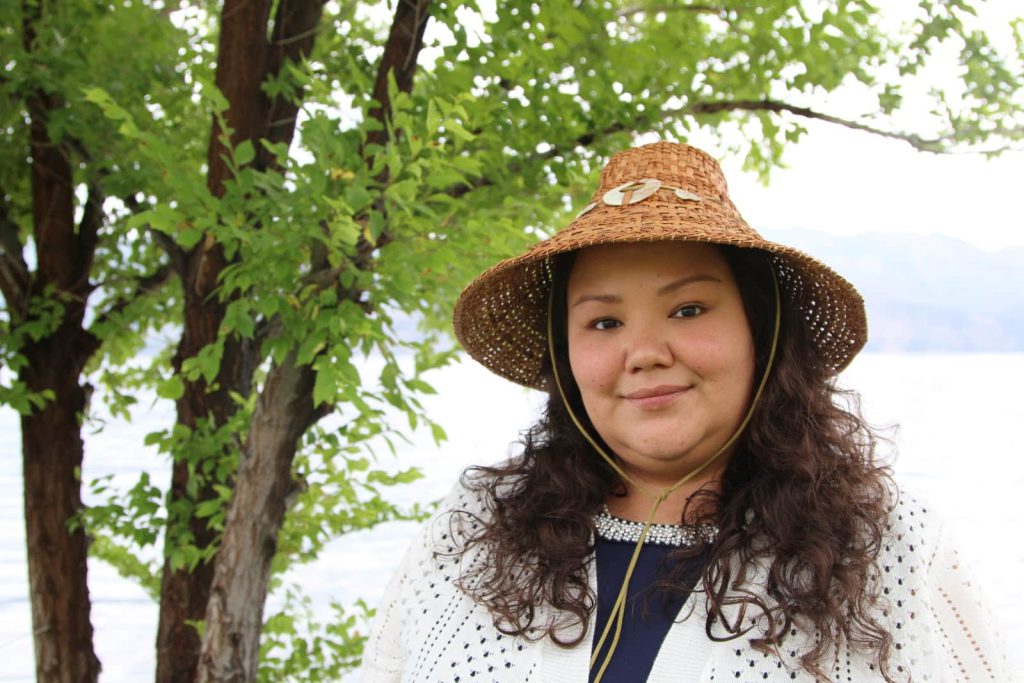
Fulfilling an unattainable dream
For Loring, working to support Indigenous students and communities is meaningful.
A mother of two, Loring is a member of the Gitwangak band from the Gitxsan Nation, located in Kitwanga, B.C. She grew up in a small community with low socioeconomic status and dropped out of high school in Grade 10.
“My mom being a single mom, my sisters both struggled with addiction, drug addiction. My father was an alcoholic and there were a lot of things in my life that definitely influenced me to not try,” she says.
University became an unattainable dream for Loring. She started her family at the young age of 23, and knew she wanted to be a role model for children, encouraging them to never give up trying. Though it took her time to find that resolve.
“I talked about losing hope or losing that dream at some point, that I didn’t think I could achieve anything I wanted to,” she says.
Loring returned to school through the Aboriginal Access Studies program at UBCO in January 2012.
“I found myself in a colonial institution at UBCO, truly finding myself as an Indigenous person and learning about colonization of the mind, and understanding why I felt so disconnected to my community, into my culture,” Loring says.
Now, she says, “I wake up every day feeling blessed and grateful that I have this opportunity and to continue to help businesses with their economic stimulus through COVID-19 and post-COVID-19.”
“I surely believe everyone is one choice away from changing the rest of their life.”
Author
We live in a media ecosystem that thrives on misinformation. Big Tech and AI companies are consuming the work of real human beings and Canadian news has been banned on Facebook and Instagram.
And yet, I have hope for journalism because of the work we’re doing at IndigiNews.
At IndigiNews, we embody tâpwêwin — the Cree value of integrity and responsibility in truth-telling. We are committed to our independent, Indigenous-led newsroom rooted in community, accountability, and relationality. We believe storytelling is a sacred fire that connects our pasts, presents, and futures through the storytellers in our Storytelling Lodge. IndigiNews creates space for Indigenous journalists, storytellers, Knowledge Keepers, and communities to gather, learn, and share stories that matter.
As a registered charity, we are building a fire that allows our work not just to ignite but to thrive. Rather than relying on advertising or corporate acquisition, IndigiNews is sustained by people like you who believe Indigenous stories are important for the future of our communities.
Your support is making a real difference.
Our community of supporters, our Firekeepers, make it possible to grow our newsroom, publish award-winning journalism, train emerging Indigenous journalists through initiatives like the ReFocus Photojournalism Fellowship, and publish trustworthy stories that serve our communities across the country. Every story we publish helps fill in gaps left by mainstream media and ensures Indigenous perspectives are represented with care, accuracy and respect.
But there is still more work to do.
As the media landscape becomes more and more uncertain, community support is as necessary and essential as it’s ever been. Every new Firekeeper helps protect the independence of our newsroom and strengthens journalism that is accountable to our many and varied communities over corporations.
That’s why we’re inviting you to become a Firekeeper.
Firekeepers tend to and protect the sacred fire. Your monthly contributions directly support IndigiNews’s Storytelling Lodge, helps sustain our independent, Indigenous-led newsroom, and ensures future generations of Indigenous storytellers have the resources they need to do the work.
As a registered Canadian charity, all eligible donations receive a charitable tax receipt.
If you believe Indigenous stories matter, if you value independent journalism, and if you want to help build a strong future for Indigenous media, we invite you to join our circle of Firekeepers today.
Together, we can keep the fire burning.
— Eden Fineday, Publisher, IndigiNews
Support us nowLatest Stories
-
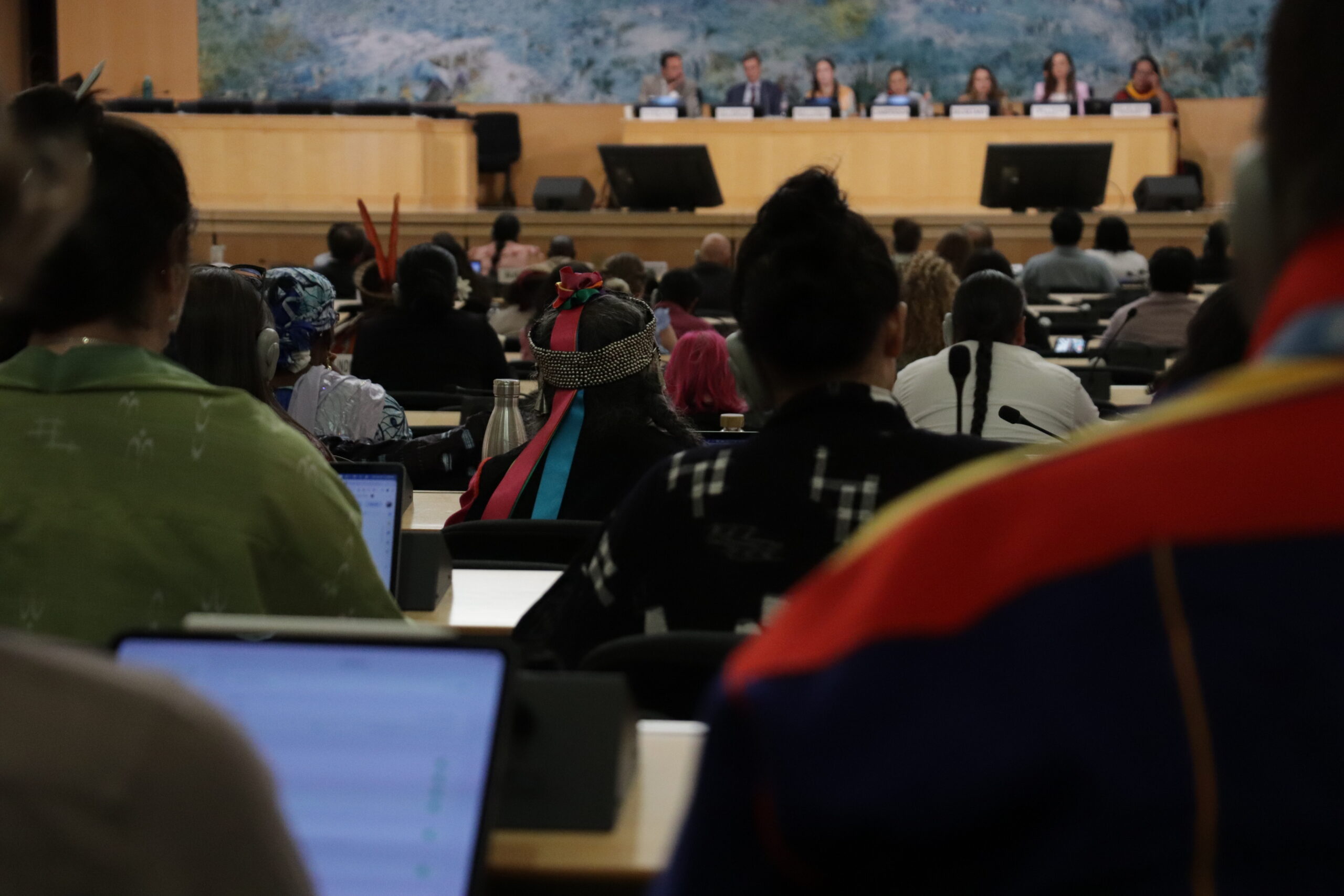
Indigenous leaders give the UN a roadmap for protecting their peoples
Amidst prayers and vows of solidarity, UN Expert Mechanism on the Rights of Indigenous Peoples ends annual meetings with demands for ‘action we’re not seeing globally’
-
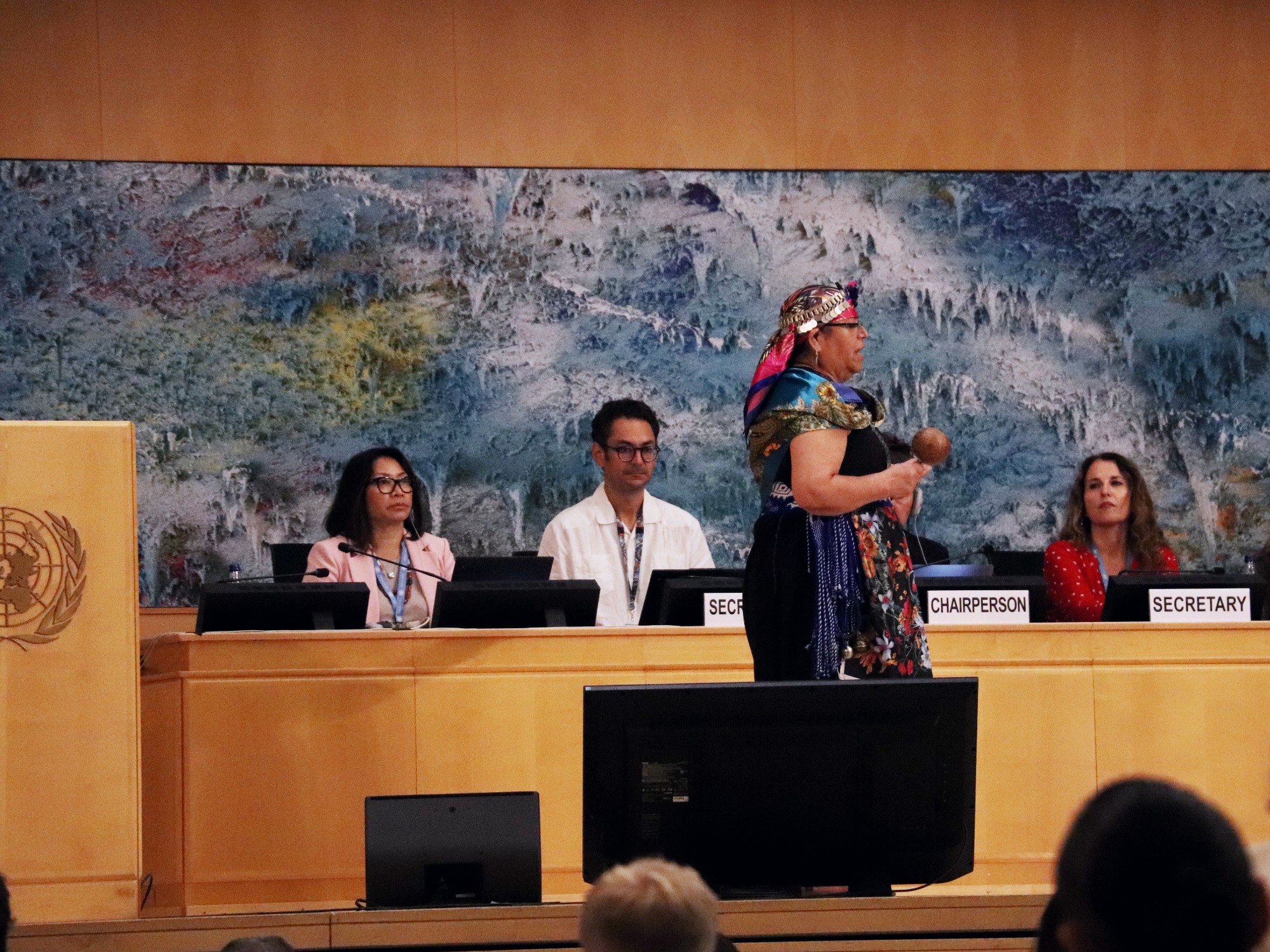
Indigenous people demand more say at the UN, as new crises hit their homelands
Indigenous nations live ‘on the frontlines’ of climate, conflict and new tech. But their voices remain sidelined in the global halls of power.