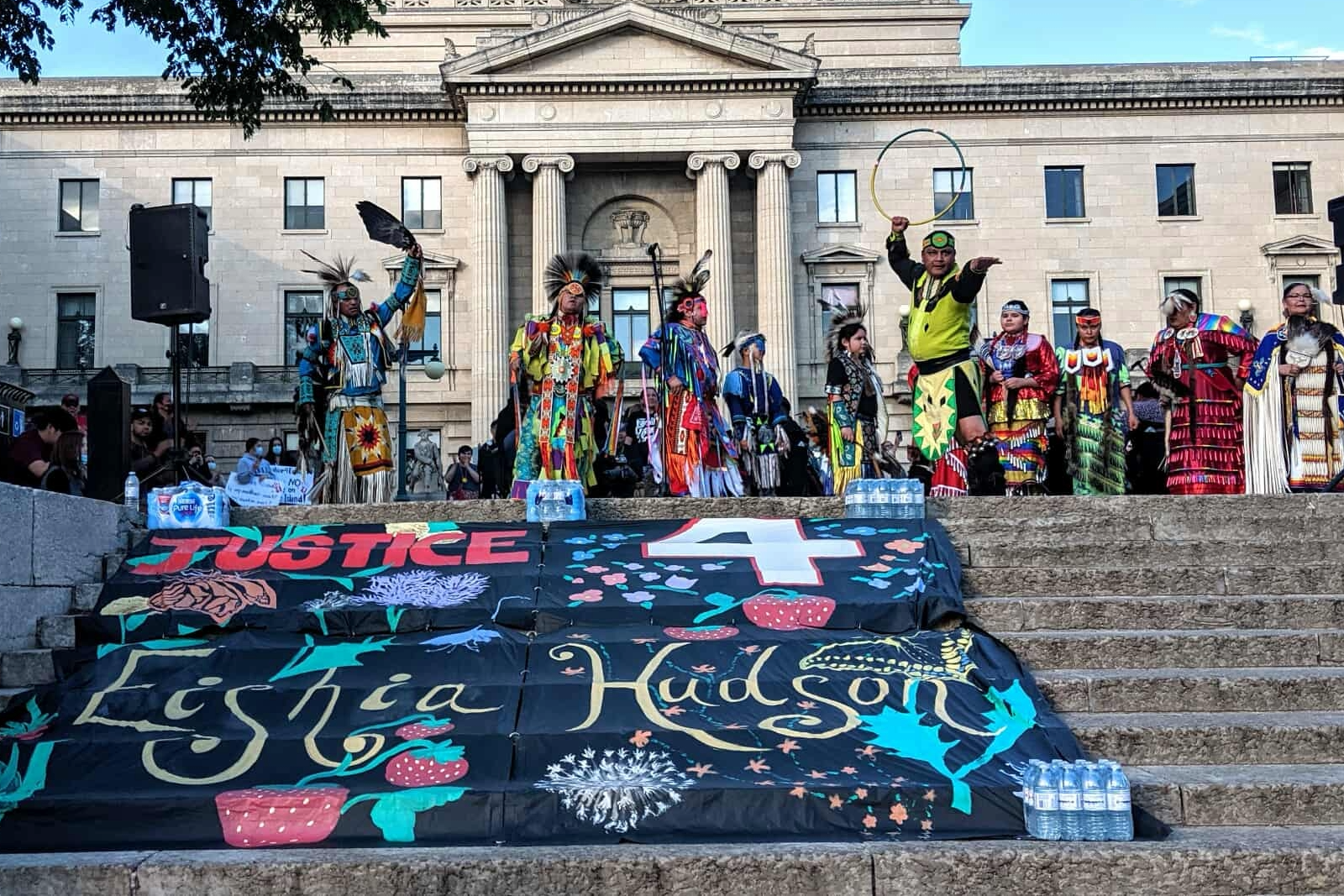
Decolonizing your grown-up bookshelf
We’ve compiled a list of five books that feature Indigenous authors and illustrators

Over the past couple of months, IndigiNews has been exploring what it might look like to decolonize the bookshelves of children and teens – but what about for adults? Decolonizing bookshelf
Jenessa Joy Klukas, child welfare and education storyteller, has compiled a list of five books by Indigenous authors, across genres, that are worth adding to your personal library.
Son of a Trickster
By Eden Robinson
Fiction
This is a coming-of-age novel which explores the complexities of being an Indigenous teen in a small town. It also delves into the social issues of poverty, addiction and family dynamics. This the first book in a trilogy along with Trickster Drift and Return of the Trickster.
Eden Robinson is from the Haisla and Heiltsuk First Nations.
From the Ashes
By Jesse Thistle
Memoir
This heartbreaking memoir walks through Jesse Thistle’s life as an Indigenous man. As he and his brothers enter the foster “care” system, Thistle battles with memories of his father who lived with a drug addiction. It also follows Thistle’s own struggles with substance use, his experiences of houselesness, and how he eventually found his way back to himself. This is a story of courage, community and a reawakening of intergenerational strength.
Jessie Thistle is Métis/Cree, and is an assistant professor at York University.
river woman
By Katherena Vermette
Poetry
river woman is Vermette’s second book of poetry, which explores and celebrates love as “postcolonial action.” These poems address how her personal kinship with trauma has shapeshifted over time, and how she searches for moments that have been lost.
Katherena Vermette is a Métis poet and novelist from Treaty 1 territory.
Split Tooth
By Tanya Tagaq
Memoir/Fiction
This book is a coming-of-age story which collides the genres of fiction and memoir. The story follows the life of a young girl in Nunavut in the 1970’s as she experiences the wonders of the world around her, through ice, sky, and animals, along with the trials that alcohol addiction and violence bring. When she becomes pregnant she’s forced to face a crushing reality. Split Tooth is a beautiful weaving of narrative and genres, and blurs the lines between myth and reality.
Tanya Tagaq is an Inuk writer and musician.
Five Little Indians
By Michelle Good
Fiction
Five Little Indians follows the life of five youth as they leave residential “school” for adulthood. After being detained for so long, these five characters learn to navigate the unfamiliar outside world, while trying to reconcile with the trauma of their childhood. Harper Collins Publishing says that “with compassion and insight, Five Little Indians chronicles the desperate quest of these residential school survivors to come to terms with their past and, ultimately, find a way forward.”
Michelle Good is a member of the Red Pheasant Cree Nation in Saskatchewan.
Author
We live in a media ecosystem that thrives on misinformation. Big Tech and AI companies are consuming the work of real human beings and Canadian news has been banned on Facebook and Instagram.
And yet, I have hope for journalism because of the work we’re doing at IndigiNews.
At IndigiNews, we embody tâpwêwin — the Cree value of integrity and responsibility in truth-telling. We are committed to our independent, Indigenous-led newsroom rooted in community, accountability, and relationality. We believe storytelling is a sacred fire that connects our pasts, presents, and futures through the storytellers in our Storytelling Lodge. IndigiNews creates space for Indigenous journalists, storytellers, Knowledge Keepers, and communities to gather, learn, and share stories that matter.
As a registered charity, we are building a fire that allows our work not just to ignite but to thrive. Rather than relying on advertising or corporate acquisition, IndigiNews is sustained by people like you who believe Indigenous stories are important for the future of our communities.
Your support is making a real difference.
Our community of supporters, our Firekeepers, make it possible to grow our newsroom, publish award-winning journalism, train emerging Indigenous journalists through initiatives like the ReFocus Photojournalism Fellowship, and publish trustworthy stories that serve our communities across the country. Every story we publish helps fill in gaps left by mainstream media and ensures Indigenous perspectives are represented with care, accuracy and respect.
But there is still more work to do.
As the media landscape becomes more and more uncertain, community support is as necessary and essential as it’s ever been. Every new Firekeeper helps protect the independence of our newsroom and strengthens journalism that is accountable to our many and varied communities over corporations.
That’s why we’re inviting you to become a Firekeeper.
Firekeepers tend to and protect the sacred fire. Your monthly contributions directly support IndigiNews’s Storytelling Lodge, helps sustain our independent, Indigenous-led newsroom, and ensures future generations of Indigenous storytellers have the resources they need to do the work.
As a registered Canadian charity, all eligible donations receive a charitable tax receipt.
If you believe Indigenous stories matter, if you value independent journalism, and if you want to help build a strong future for Indigenous media, we invite you to join our circle of Firekeepers today.
Together, we can keep the fire burning.
— Eden Fineday, Publisher, IndigiNews
Support us nowLatest Stories
-
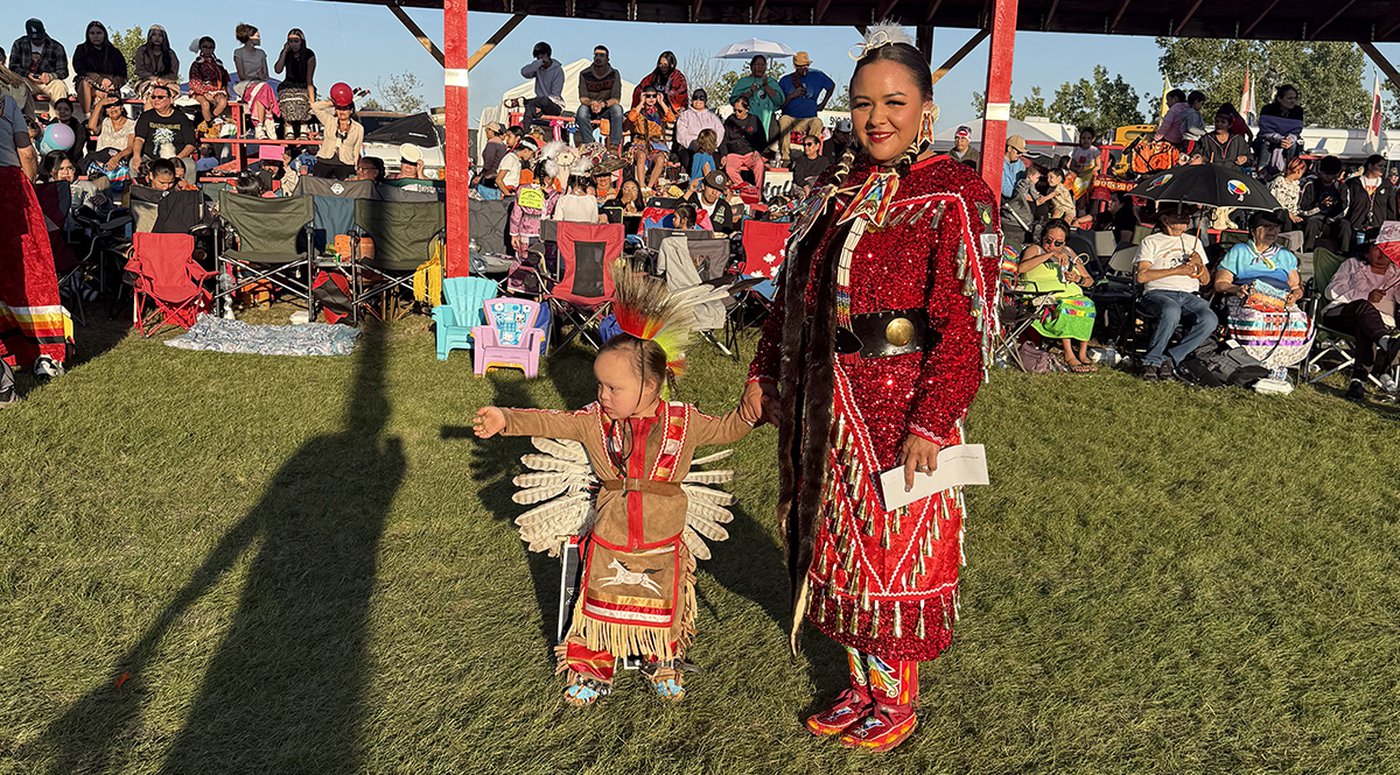
Beloved on the powwow circuit, young boy’s connection to the drum inspires
Now four, Waseskwan Redcrow was dancing ‘before he could even fully walk’ — his family says participating in powwows has brought them joy and belonging
-
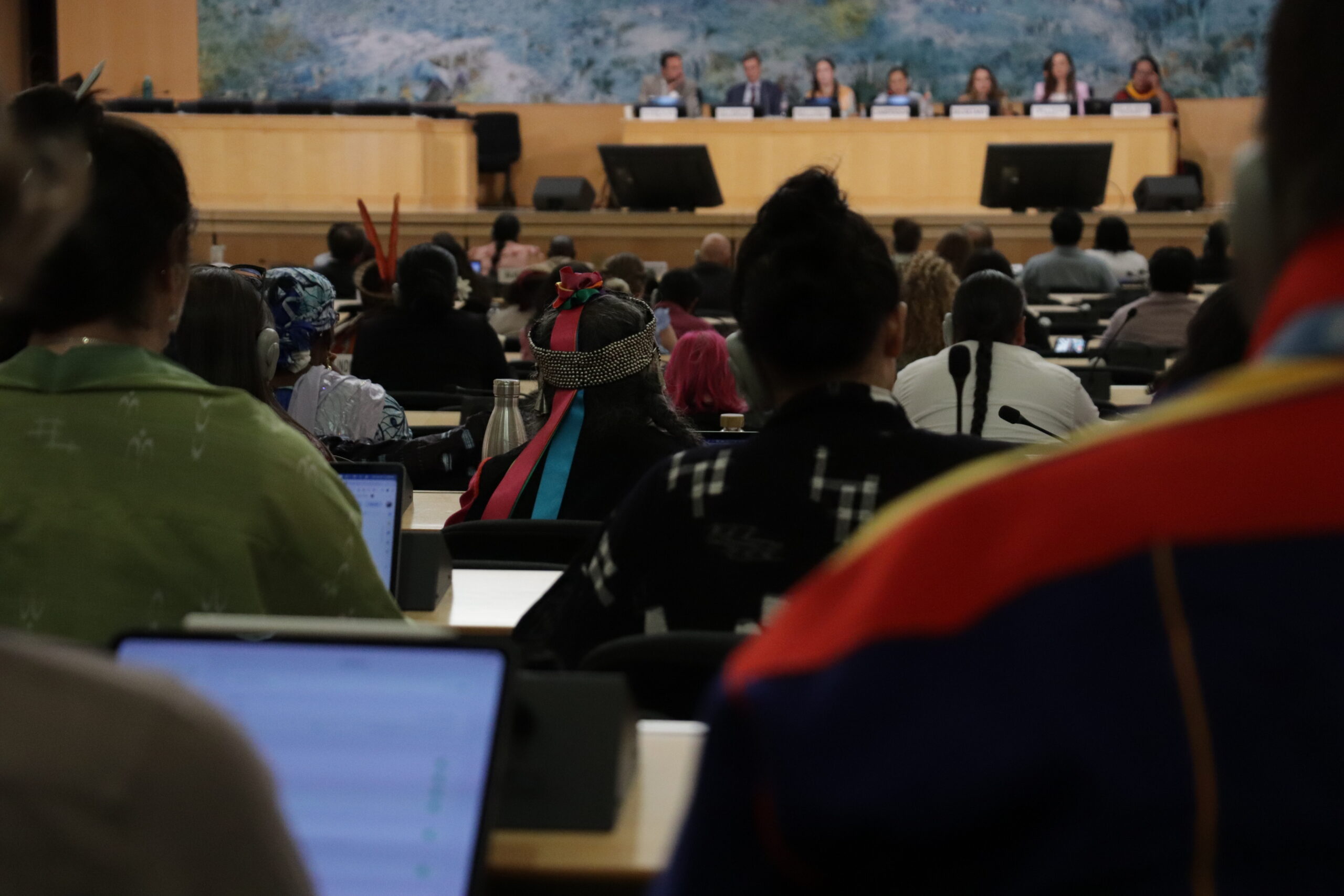
Indigenous leaders give the UN a roadmap for protecting their peoples
Amidst prayers and vows of solidarity, UN Expert Mechanism on the Rights of Indigenous Peoples ends annual meetings with demands for ‘action we’re not seeing globally’