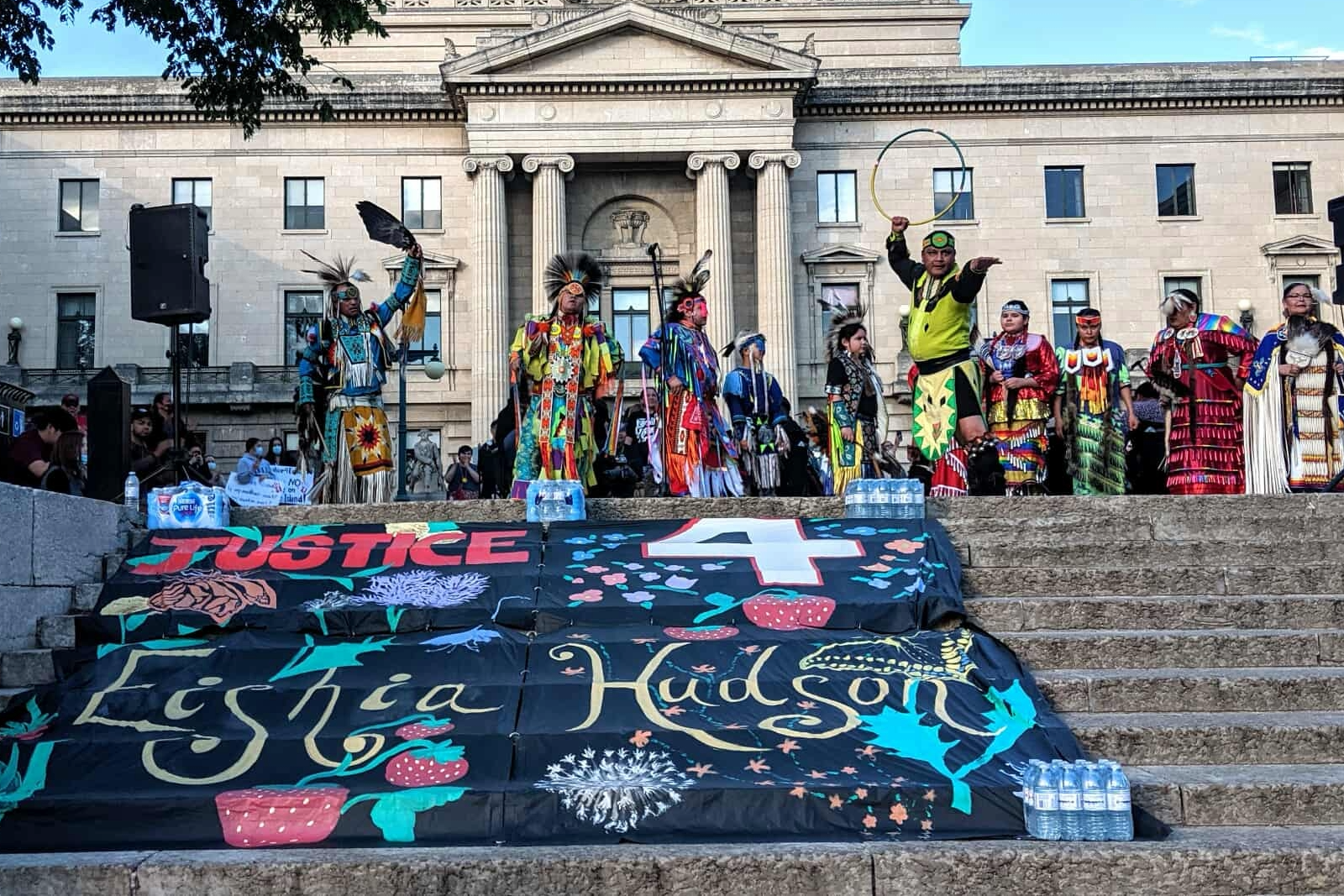
Decolonizing your teen’s bookshelf
We’ve compiled a list of young adult fiction books by Indigenous authors.

The project of decolonization requires readers, young and old, to diversify the stories they consume.
Earlier this month IndigiNews explored a list of kids books written and illustrated by Indigenous creators, and we highlighted the need for children’s books that embrace diversity and Indigenous identity.
To encourage our readers to keep reading, IndigiNews Education and Child Welfare Storyteller Jenessa Joy Klukas has compiled a list of young adult fiction books that can capture the hearts and minds of Indigenous and non-Indigenous Youth alike (and maybe even adults too).
These fiction books feature Indigenous protagonists and a wide range of storylines that explore everything from dystopian futures, to current issues, to coming of age.
Walking in Two Worlds
By Wab Kinew
Walking in Two Worlds follows Anishinaabe teen, Bagonegizzhigok – or Bugz as she’s most often called – who is a gamer caught between two worlds, both real and virtual. Set in the future where virtual worlds are part of everyday life, Bugz plays in the “floraverse,” where her avatar is confident and dominant, and a far cry from who she is in the real world – a shy youth dealing with the stresses of teenage angst and life on the Rez.
Wab Kinew is a bestselling author, a member of the Midewin, and was an Honorary Witness during the Truth and Reconciliation Commission of Canada (a witness is generally a keeper of history for significant events). He currently resides in Manitoba and is a provincial politician.
The Barren Grounds
David A. Robertson
The Barren Grounds follows the story of two Indigenous kids, Morgan and Eli who, having been forced away from their families and communities, wind up living together in a foster home in Winnipeg. They both struggle to fit in at school and in their new home, but they eventually find a secret portal to another reality. The publisher, Penguin Randomhouse, describes the book as “Narnia meets traditional Indigenous stories of the sky and constellations.”
David A. Robertson is a member of the Norway House Cree Nation, and won a Governor General’s Literary Award in 2017 for his book When We Were Alone.
The Marrow Thieves
By Cherie Dimaline
The Marrow Thieves is a dystopian novel that explores a future where the world is almost completely destroyed due to climate change. Indigenous Peoples are hunted for their bone marrow, as it contains the cure to something that most of humanity has lost – the ability to dream. Frenchie, a dynamic protagonist, and his companions, flee northwards to hide and survive.
Cherie Dimaline is a writer, editor and a registered and claimed member of the Metis Nation of Ontario. Her award-winning fiction has been published internationally and she received numerous awards for The Marrow Thieves, including the 2017 Governor General’s Literary Award in the Young People’s Literature category.
Surviving the City
By Tasha Spillett, illustrated by Natasha Donovan
Surviving the City is a graphic novel set in Winnipeg that follows two best friends, Miikwan and Dez, who do everything together. But when Dez’s Grandmother becomes ill, she’s told she may have to move into a group home. To avoid such a fate, she disappears, leaving Miikwan devastated. This graphic novel explores themes of friendship, colonialism, womanhood and the anguish of a missing loved one.
Tasha Spillett, is a Inninewak (Cree) and Trinidadian woman who calls on her bloodlines for her strength in the work she does.
This Place: 150 Years Retold
Multiple authors and illustrators.
This Place is a graphic novel anthology that explores Indigenous perspectives through ten stories that combine fiction and non-fiction. Familiar stories and characters can be found in these pages – such as Métis businesswoman Annie Bannatyne, Louis Riel, the impact of the Sixties Scoop, and the “child welfare system.” This book also contains themes of magic realism, serial killings, psychic battles and time travel.
You can watch the story trailer here.
Author
We live in a media ecosystem that thrives on misinformation. Big Tech and AI companies are consuming the work of real human beings and Canadian news has been banned on Facebook and Instagram.
And yet, I have hope for journalism because of the work we’re doing at IndigiNews.
At IndigiNews, we embody tâpwêwin — the Cree value of integrity and responsibility in truth-telling. We are committed to our independent, Indigenous-led newsroom rooted in community, accountability, and relationality. We believe storytelling is a sacred fire that connects our pasts, presents, and futures through the storytellers in our Storytelling Lodge. IndigiNews creates space for Indigenous journalists, storytellers, Knowledge Keepers, and communities to gather, learn, and share stories that matter.
As a registered charity, we are building a fire that allows our work not just to ignite but to thrive. Rather than relying on advertising or corporate acquisition, IndigiNews is sustained by people like you who believe Indigenous stories are important for the future of our communities.
Your support is making a real difference.
Our community of supporters, our Firekeepers, make it possible to grow our newsroom, publish award-winning journalism, train emerging Indigenous journalists through initiatives like the ReFocus Photojournalism Fellowship, and publish trustworthy stories that serve our communities across the country. Every story we publish helps fill in gaps left by mainstream media and ensures Indigenous perspectives are represented with care, accuracy and respect.
But there is still more work to do.
As the media landscape becomes more and more uncertain, community support is as necessary and essential as it’s ever been. Every new Firekeeper helps protect the independence of our newsroom and strengthens journalism that is accountable to our many and varied communities over corporations.
That’s why we’re inviting you to become a Firekeeper.
Firekeepers tend to and protect the sacred fire. Your monthly contributions directly support IndigiNews’s Storytelling Lodge, helps sustain our independent, Indigenous-led newsroom, and ensures future generations of Indigenous storytellers have the resources they need to do the work.
As a registered Canadian charity, all eligible donations receive a charitable tax receipt.
If you believe Indigenous stories matter, if you value independent journalism, and if you want to help build a strong future for Indigenous media, we invite you to join our circle of Firekeepers today.
Together, we can keep the fire burning.
— Eden Fineday, Publisher, IndigiNews
Support us nowLatest Stories
-
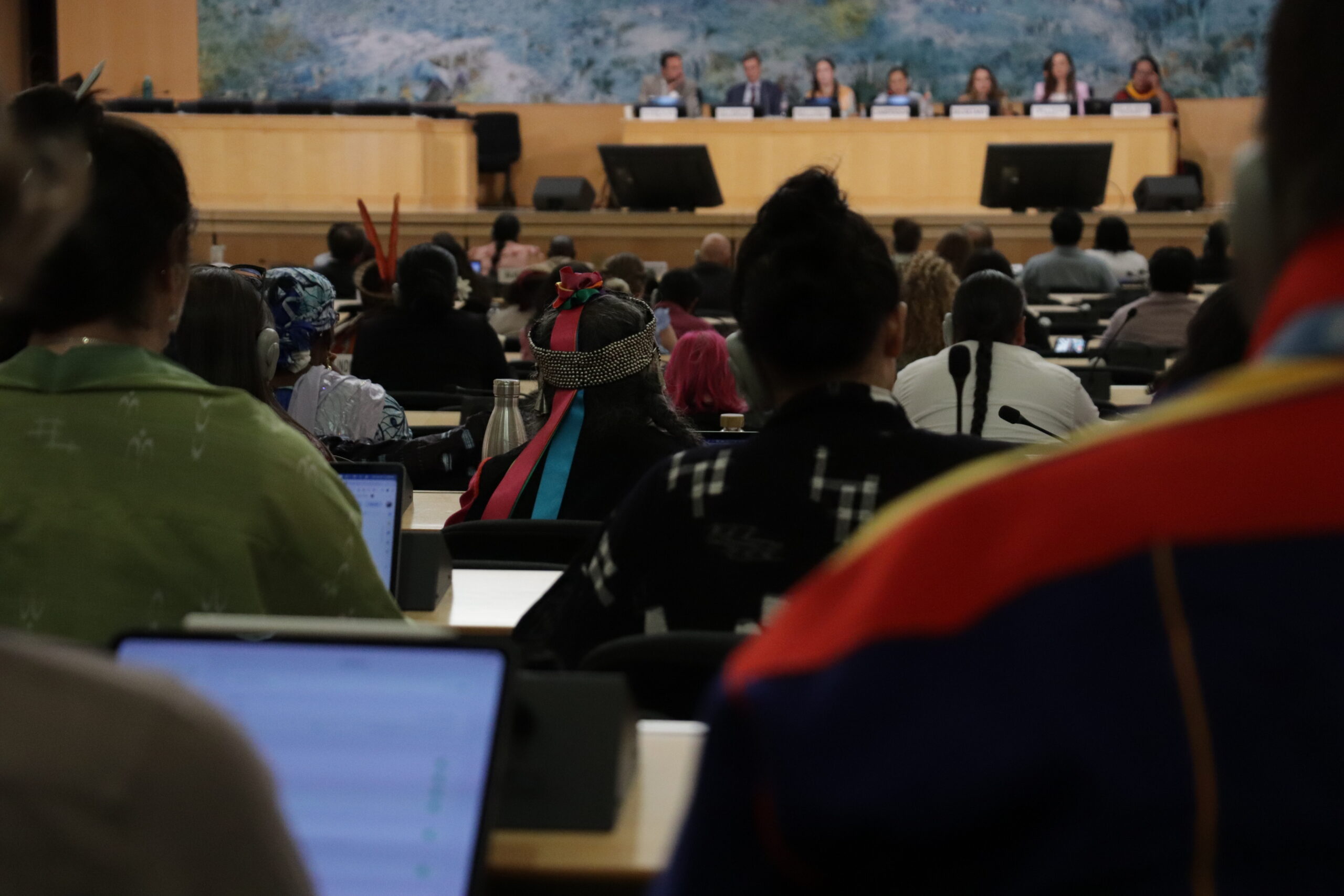
Indigenous leaders give the UN a roadmap for protecting their peoples
Amidst prayers and vows of solidarity, UN Expert Mechanism on the Rights of Indigenous Peoples ends annual meetings with demands for ‘action we’re not seeing globally’
-
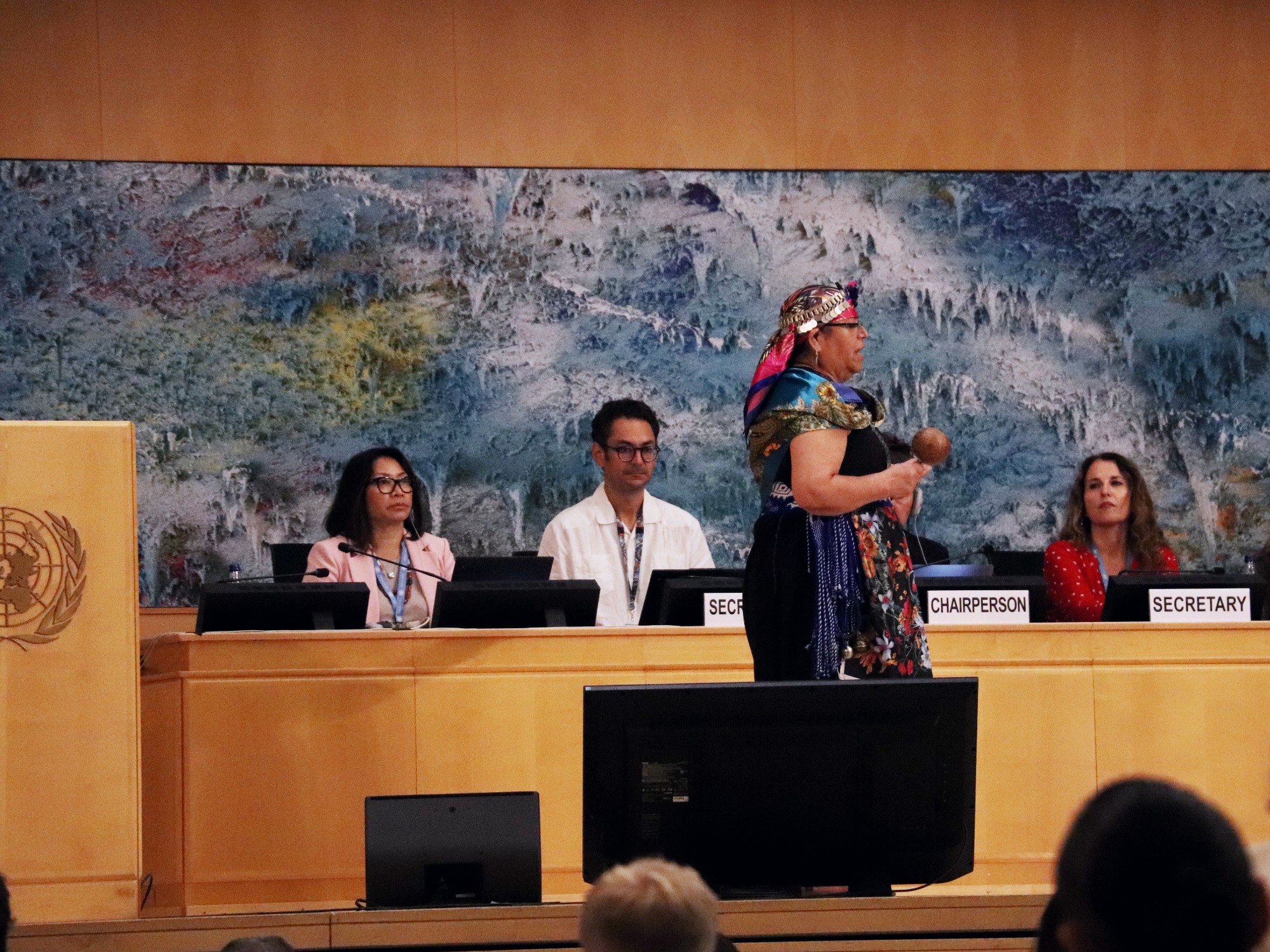
Indigenous people demand more say at the UN, as new crises hit their homelands
Indigenous nations live ‘on the frontlines’ of climate, conflict and new tech. But their voices remain sidelined in the global halls of power.