Drastic droughts on the horizon, if syilx laws not upheld, says water expert
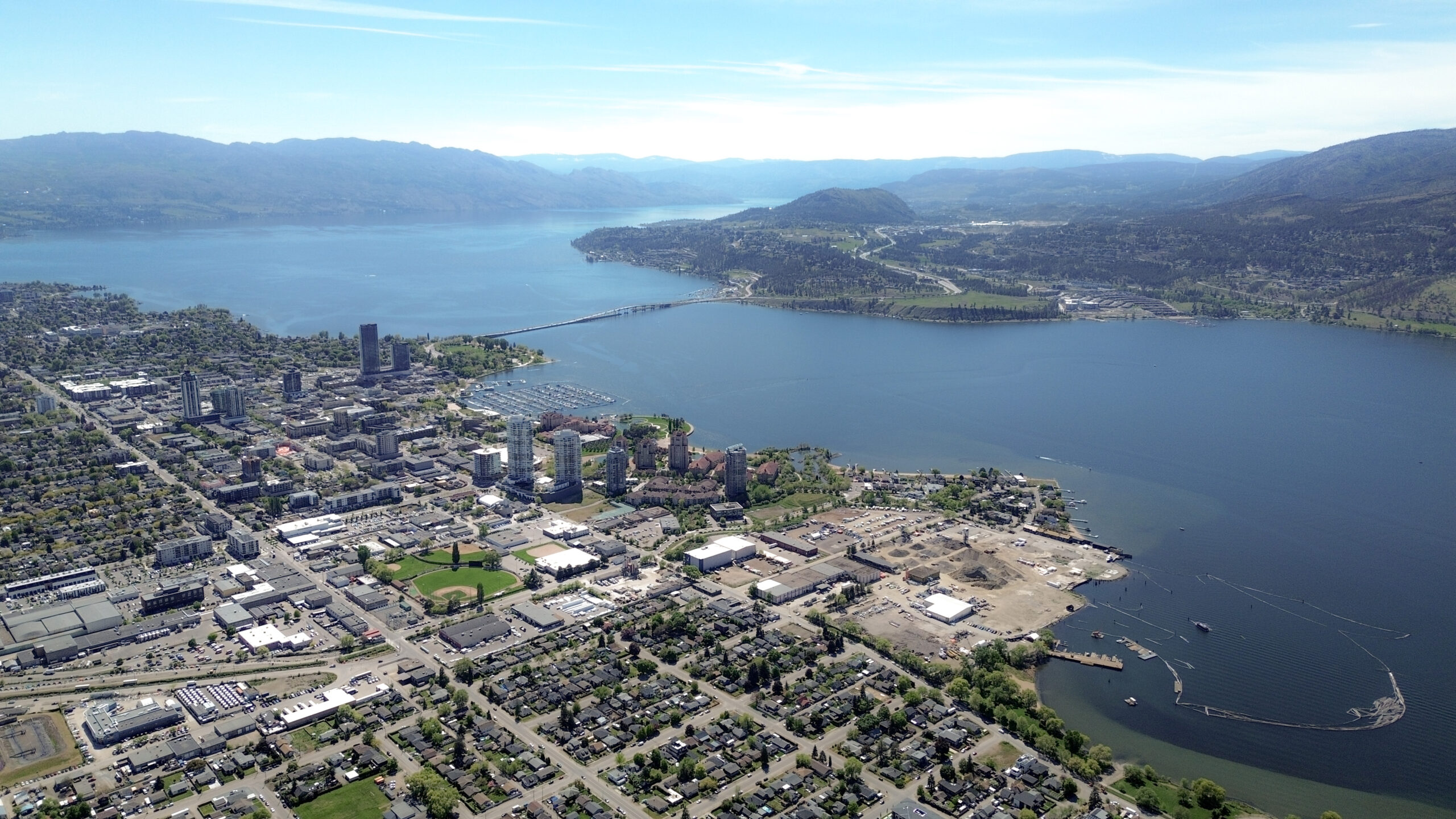
As devastating wildfires spread through B.C.’s interior, skawilx (Sarah Alexis) says there’s a parallel crisis that demands attention and action — droughts. “The climate change here is dramatic and incredibly scary,” says skawilx, a syilx woman living in nqmaplqs (head of Okanagan Lake). skawilx is a water advocate by birthright, she says. But she’s also enrolled…
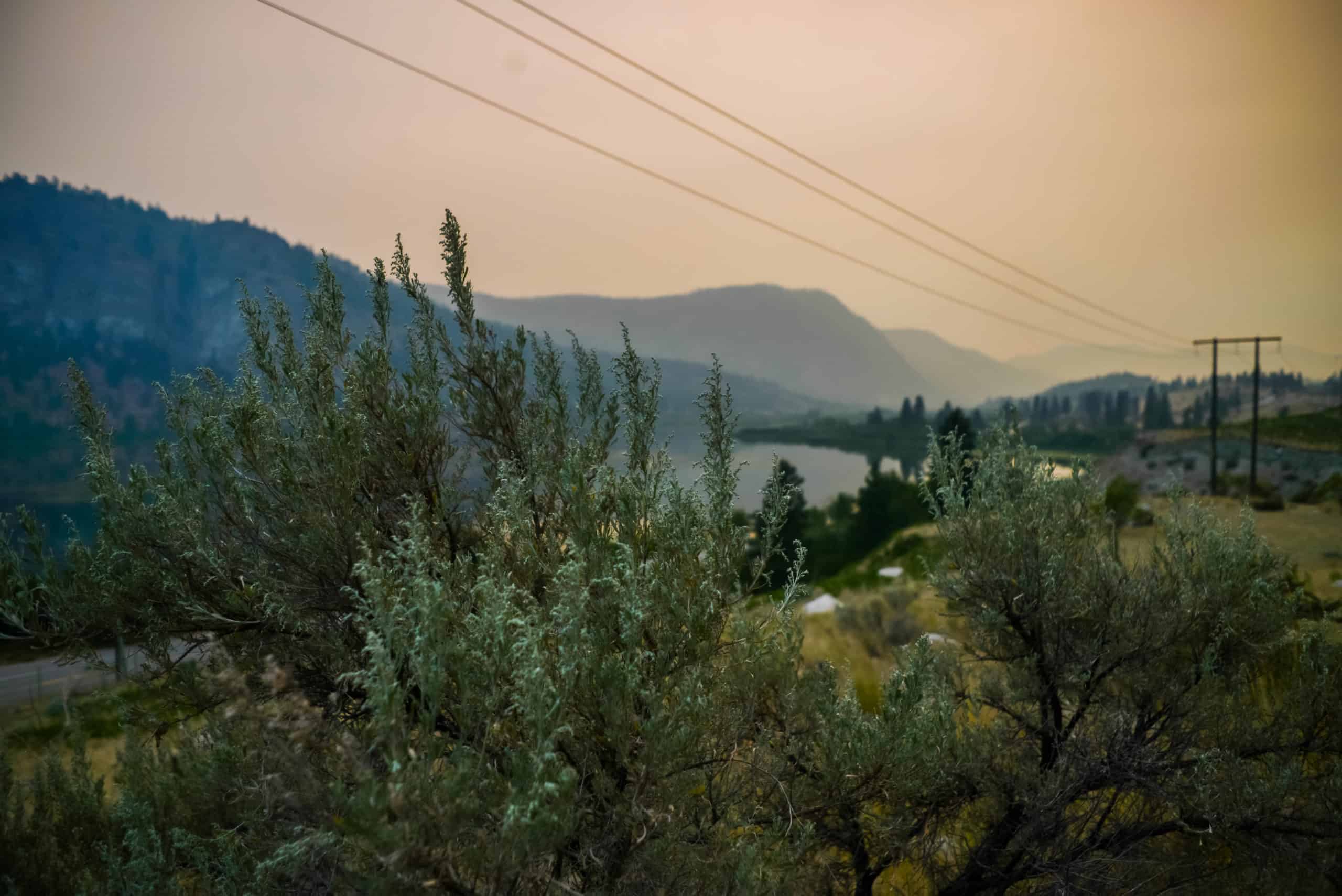
As devastating wildfires spread through B.C.’s interior, skawilx (Sarah Alexis) says there’s a parallel crisis that demands attention and action — droughts.
“The climate change here is dramatic and incredibly scary,” says skawilx, a syilx woman living in nqmaplqs (head of Okanagan Lake).
skawilx is a water advocate by birthright, she says. But she’s also enrolled in the interdisciplinary graduate studies program at University of British Columbia Okanagan (UBCO) where she’s focusing on syilx water responsibilities.
For the past seven years, skawilx has been studying the impacts of the climate crisis on the homelands that have sustained her Ancestors since time immemorial.
Her work for the Okanagan Nation Alliance’s natural resources department centers around land and water governance projects.
Her territory is currently experiencing a “Level Three Drought,” which means the region is “severely dry” and conservation measures are required, according to an information bulletin published July 15, 2021 by the Okanagan Basin Water Board (OBWB).
“In the Okanagan, a warm, dry spring and an unprecedented heat wave in June has stressed water sources and infrastructure,” the bulletin states.
“Water is also needed for fire suppression and protection, particularly in a year like this.”
#LandBack during droughts
Presently, there are 299 active fires burning across B.C., with a heavy concentration of fires in the “Kamloops” region — which covers much of Secwépemc and syilx territories.
In 2014, the Okanagan Nation Alliance (ONA) published the Syilx Nation Siwɬkʷ (Water) Declaration, setting out the inherent responsibilities of water management and sovereignty that syilx Peoples hold in their homelands, as well as their observations about how mismanagement of water has occurred.
“We see increasing need and an ever-hungry western-economic engine demanding more of our siwɬkʷ. The narrow minded focus of western-scientific approaches to ‘resource’ extraction and management have utterly failed to protect our sacred siwɬkʷ,” reads the declaration.
skawilx says, “When losing so much access to water, we get a lot more hazards that come in and we see a lot more forest fires which have been very predominant these past two decades, which has been very concerning.”
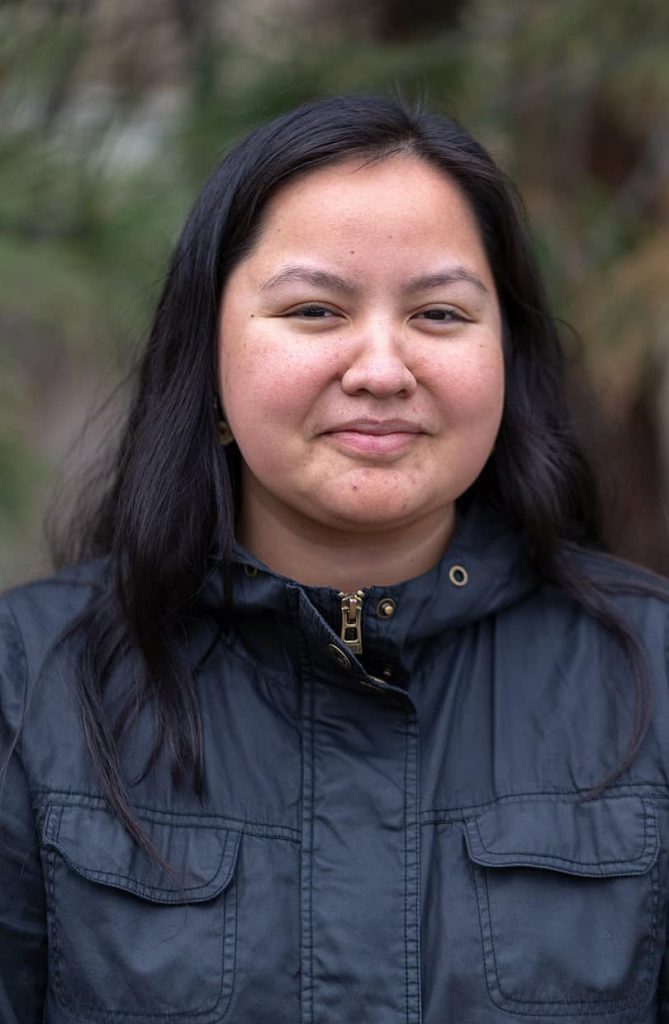
“Losing access to water stewardship is in tandem with losing access to water and land. It’s also losing access to culture and language. When we don’t have access to visiting bodies of water we lose out on practicing our syilx stewardship responsibilities that are tied to that place,” says skawilx.
It’s well known through both oral history and continued family practices that cikilaxwm, (controlled or prescribed burning), is one way the syilx people have cared for and managed the lands.
“A lot of families in our community know that we need to be doing a lot more burning, because burning has always been part of a huge practice as a way to mitigate some of those changes that come from the bigger umbrella of this climate catastrophe that we’re in right now,” she says.
The ONA supports cikilaxwm as a way to not only care for the land and nurture a healthier ecosystem, but also for the “safety and security of communities and people who live on this landscape,” according to its website.
‘It’s time for others to know this land the way syilx people do’
As Indigenous Peoples, we have a responsibility to also take care of others outside of our own communities, skawilx says.
“That’s our responsibility as sqilxw people to always consistently be there to role model how we need to live in this area. We know it, it’s inherently who we are … It’s in our body, it’s in our DNA, it’s in our blood memory.”
She points out that settlers living on syilx lands in the Okanagan use abnormal amounts of water.
On average, Okanagan residents use 675 liters of water per day — more than double the Canadian average of 329 liters per day, according to the OBWB. During the summer, average water usage jumps to over 1000 liters per day per person in the Okanagan.
“It’s this idea that we have an abundance of water. It’s frivolous,” says skawilx.
“For [sqilxw people], it’s different, because we need to know [about the land] where we live. We need to know where our water comes from, what the terrain is, which plants and animals come from there, and we need to watch them and study from them so we can see the cycles of when we can harvest, when we can start gathering, or hunting, or practicing certain ceremonies. We watch so we know when we can do these things,” she says.
That knowing is another huge part of our waterways. As people, I think it’s in our natural instinct is to know where the closest body of water is. It’s about recognizing your place.”
In her view, settlers don’t “have that same recognition.”
“It’s not that they don’t belong here, it’s that they don’t have their roots here as long as we do,” she says.
Folks living on syilx territory in the Okanagan essentially need to “become syilx, just as we are, for this place to truly thrive,” she says.
“The droughts that we see are only indicative of the bigger droughts that we are going to see if we keep on this trajectory that we are on.”
Now is the time for true control over syilx lands to be transferred back to the syilx people, if we want to see healing happen for the timxw (life forces) of the territory, says skawlix.
“You don’t need to be blood for us to take care of one another. It’s a very sqilxw thing to ask why would we allow our neighbour to suffer? Why would we allow a child to suffer? If we have the capacity and capability to make a change then why wouldn’t we do it?” she says.
Editor’s note: We don’t use capital letters in nsyilxcən words. This is because, according to nsyilxcən language holders, capitalization insinuates that someone or something holds more importance than another, and this belief does not fall in line with syilx ethics.
Author
We live in a media ecosystem that thrives on misinformation. Big Tech and AI companies are consuming the work of real human beings and Canadian news has been banned on Facebook and Instagram.
And yet, I have hope for journalism because of the work we’re doing at IndigiNews.
At IndigiNews, we embody tâpwêwin — the Cree value of integrity and responsibility in truth-telling. We are committed to our independent, Indigenous-led newsroom rooted in community, accountability, and relationality. We believe storytelling is a sacred fire that connects our pasts, presents, and futures through the storytellers in our Storytelling Lodge. IndigiNews creates space for Indigenous journalists, storytellers, Knowledge Keepers, and communities to gather, learn, and share stories that matter.
As a registered charity, we are building a fire that allows our work not just to ignite but to thrive. Rather than relying on advertising or corporate acquisition, IndigiNews is sustained by people like you who believe Indigenous stories are important for the future of our communities.
Your support is making a real difference.
Our community of supporters, our Firekeepers, make it possible to grow our newsroom, publish award-winning journalism, train emerging Indigenous journalists through initiatives like the ReFocus Photojournalism Fellowship, and publish trustworthy stories that serve our communities across the country. Every story we publish helps fill in gaps left by mainstream media and ensures Indigenous perspectives are represented with care, accuracy and respect.
But there is still more work to do.
As the media landscape becomes more and more uncertain, community support is as necessary and essential as it’s ever been. Every new Firekeeper helps protect the independence of our newsroom and strengthens journalism that is accountable to our many and varied communities over corporations.
That’s why we’re inviting you to become a Firekeeper.
Firekeepers tend to and protect the sacred fire. Your monthly contributions directly support IndigiNews’s Storytelling Lodge, helps sustain our independent, Indigenous-led newsroom, and ensures future generations of Indigenous storytellers have the resources they need to do the work.
As a registered Canadian charity, all eligible donations receive a charitable tax receipt.
If you believe Indigenous stories matter, if you value independent journalism, and if you want to help build a strong future for Indigenous media, we invite you to join our circle of Firekeepers today.
Together, we can keep the fire burning.
— Eden Fineday, Publisher, IndigiNews
Support us nowLatest Stories
-
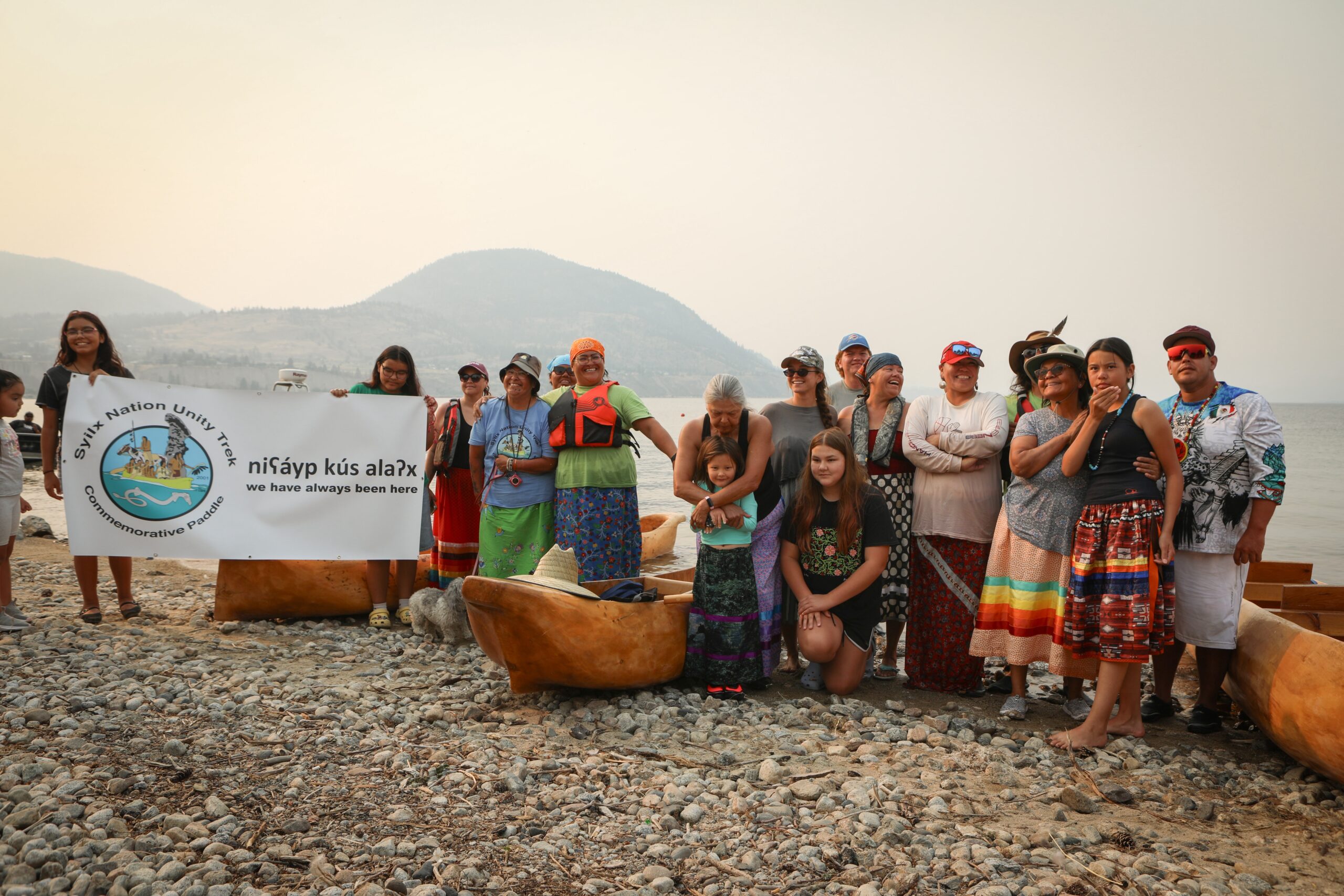
Travelling in dugout canoes, syilx Okanagan paddlers complete weeklong Unity Trek
‘Unity is connecting the people to each other, and connecting ourselves to the land,’ said one participant about the commemorative journey that wrapped up on Aug. 1
-
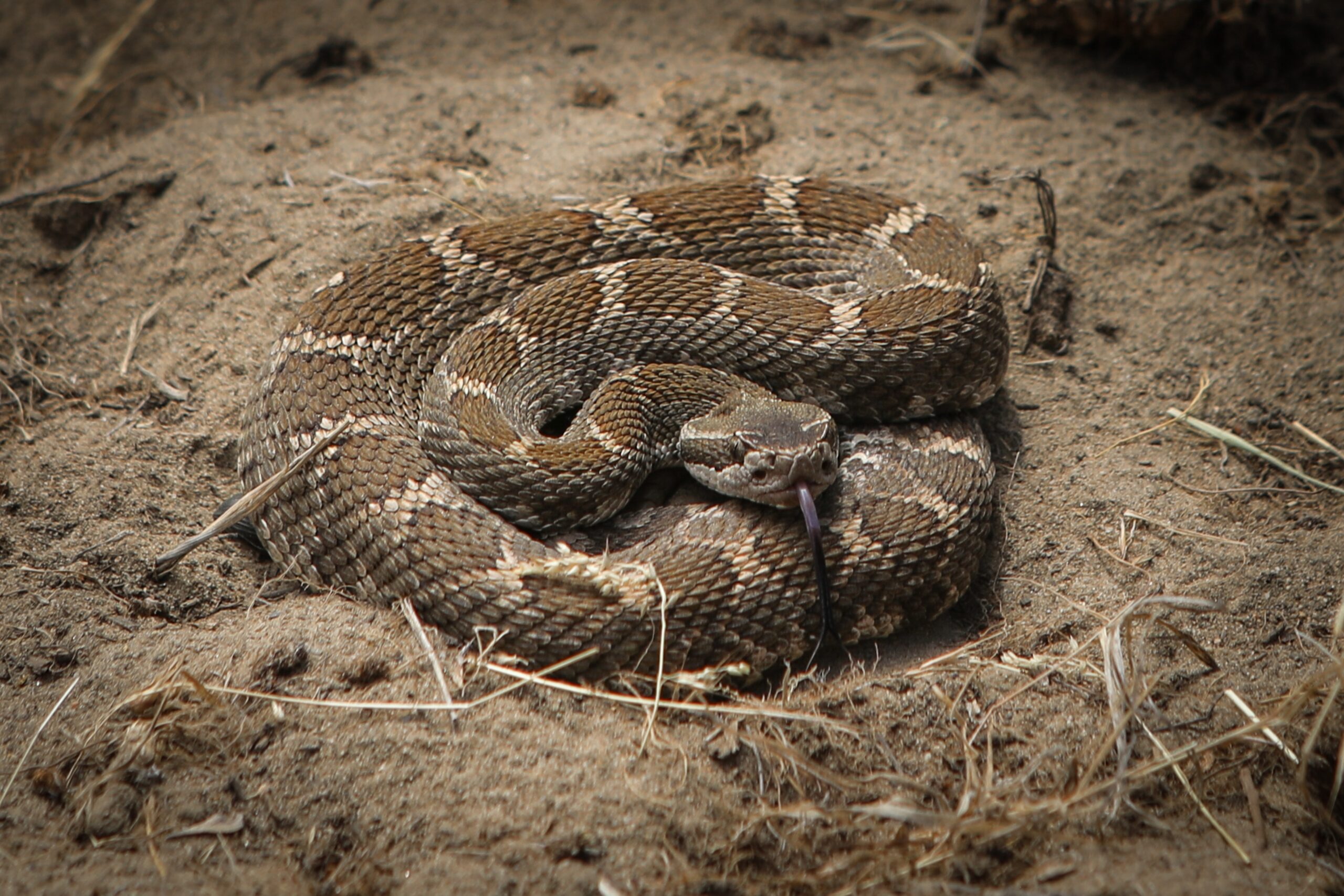
In the Okanagan desert, snakes offer lessons on protecting a fragile ecosystem
For two decades, researchers at the Nk’Mip Desert Cultural Centre have tracked snakes across syilx homelands — while helping people appreciate the often-feared creatures