How “Design Thinking” will help the BC Royal Museum Change
The Design Thinking Challenge is a collaboration between 10 universities in both Canada and the United States, where students are given a challenge to try and solve through research and conversation.

Royal Roads University (RRU), based out of Victoria, B.C. hosted its annual “Design Thinking Challenge” for the fifth year in a row.
Michael Pardy and Amy Zidulka are both associate professors at Royal Roads University, who started the Design Thinking Challenge in 2017. “The design challenge is about looking forward,” Pardy says. “Design thinking is an approach to solving complex problems.”
The Design Thinking Challenge is a collaboration between 10 universities in both Canada and the United States, where students are given a challenge to try and solve through research and conversation. This year the participating institutions were Camosun College, Kings University, Idaho State University, Assiniboine Colleges, University of Toronto: Rotman, HEC Montreal, McMaster University, Royal Roads University, Wilfrid Laurier University, and Okanagan College.
This year, “The Design Thinking Challenge” was organized at the same time as the first “Royal Roads Design Thinking Educators’ Conference” – a conference designed to help cultivate educators to teach deeply in design teaching positions.
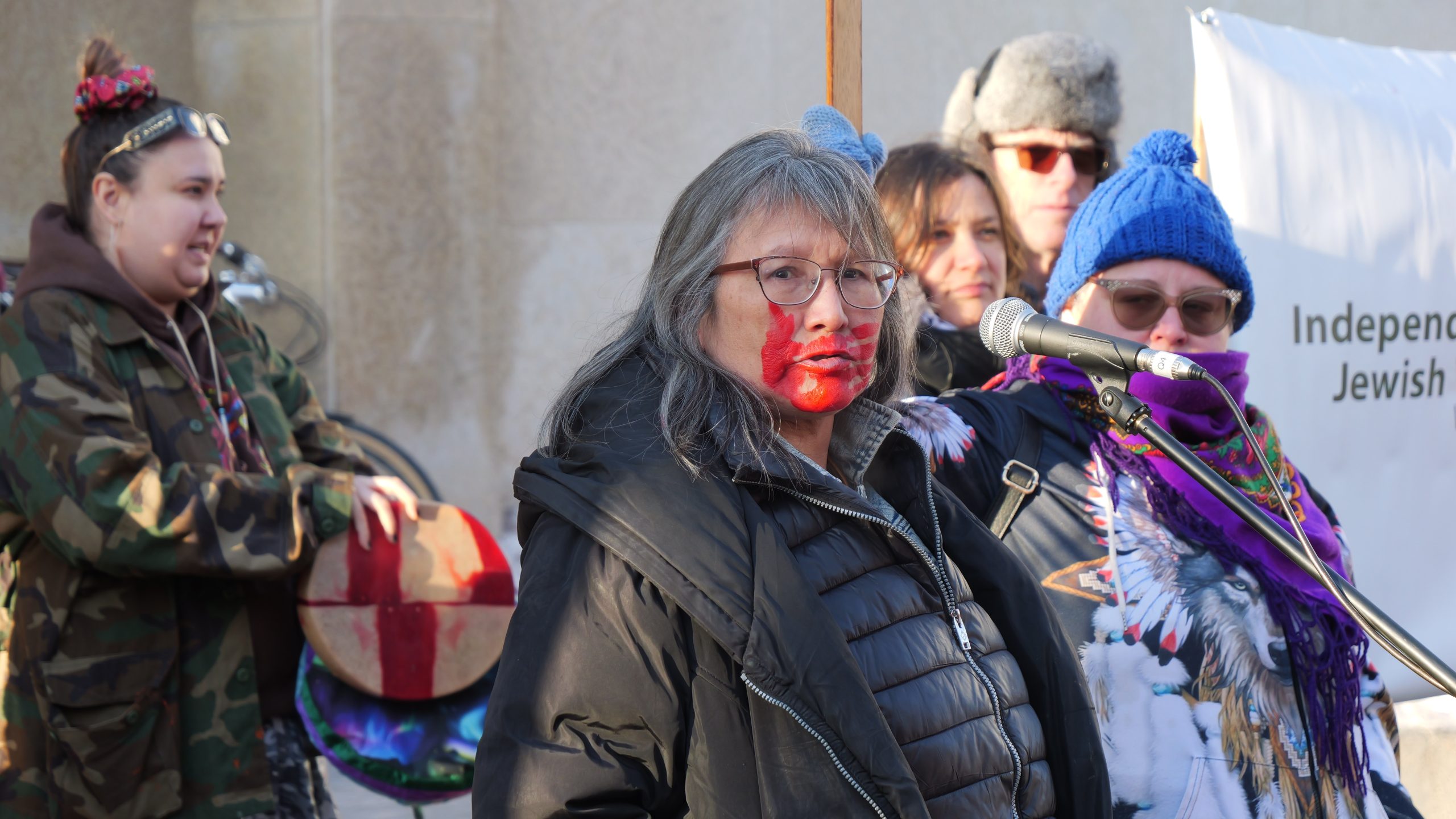
One of the keynote speakers for the Design Thinking Educators Conference is Doreen Arrowmaker, of Gamètì, Northwest Territories. Arrowmaker, is an RRU graduate of the Masters of Global Management program, and is the first female chief of Gamètì.
Arrowmaker learned about Design Thinking while studying at Royal Roads. As a keynote speaker for the Design Thinking Educators Conference she discussed innovation from an Indigenous perspective – specifically applying design thinking to the lack of housing in Indigenous communities.
“First Nations’ communities infrastructure needs are way below par,” Arrowmaker says.
But housing is only scratching the surface of the issue. “There’s all [these] social issues and other trauma related issues associated with housing. Trying to figure out how to get a home for people, you actually have to sit down and talk to people and figure out all the other stuff.” Arrowmaker explains. “I talked about financial literacy, that’s another area that needs to be explored as well as the buildings.”
Design Thinking accounts for all these elements – considering what needs to be done to fix a problem by looking at it through the people experiencing it.
“Come to this field with an open mind,” Arrowmaker recommends staying away from one-size fits all solutions that other systems recommend. “I think we need to raise awareness for this type of approach…like if we’re dealing with social issues.”
“That’s the beauty of innovation. It touches on a lot of different areas in life. It’s not just one one area.”
Reaching beyond walls and into communities
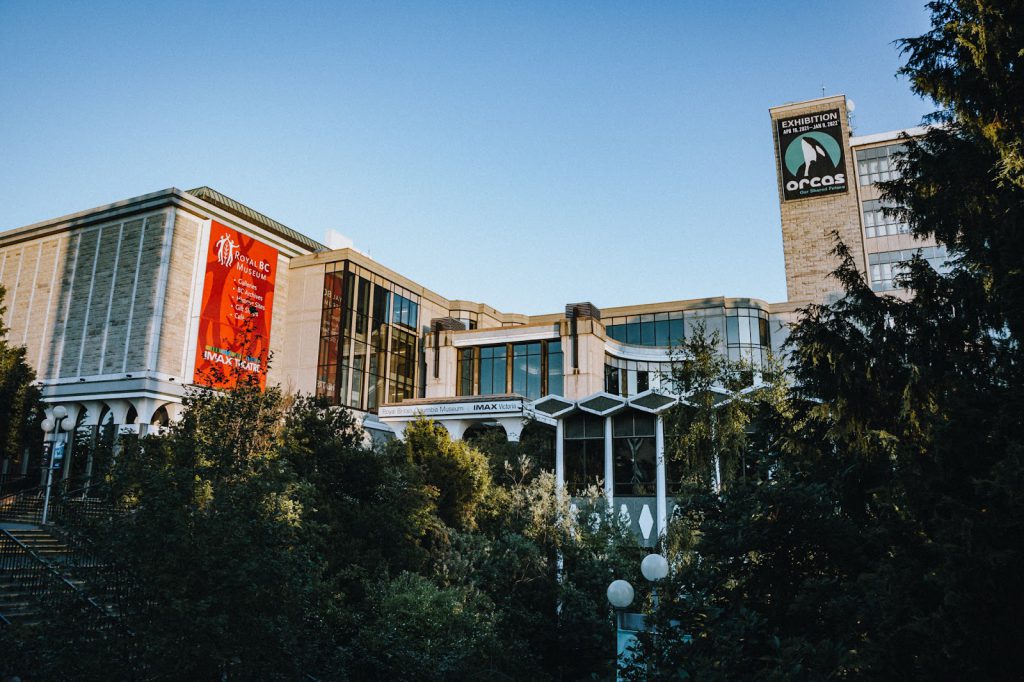
The problem that teams were challenged to envision a solution for this year was how the Royal B.C. Museum (RBCM) can “reach beyond its walls and physical exhibits,” reads an RRU press release, as well as how BCRM “might offer a more vibrant experience for the people and communities it serves.”
The prompt is meant to be broad, Pardy explains. It’s created for undergraduate students to discover the issues within the research they’re doing, and the people they’re talking to.
“The things that set design thinking apart from perhaps other forms of critical thinking, are that there is a focus on the people impacted by the problem that they can and should have voiced in the design process,” says Pardy.
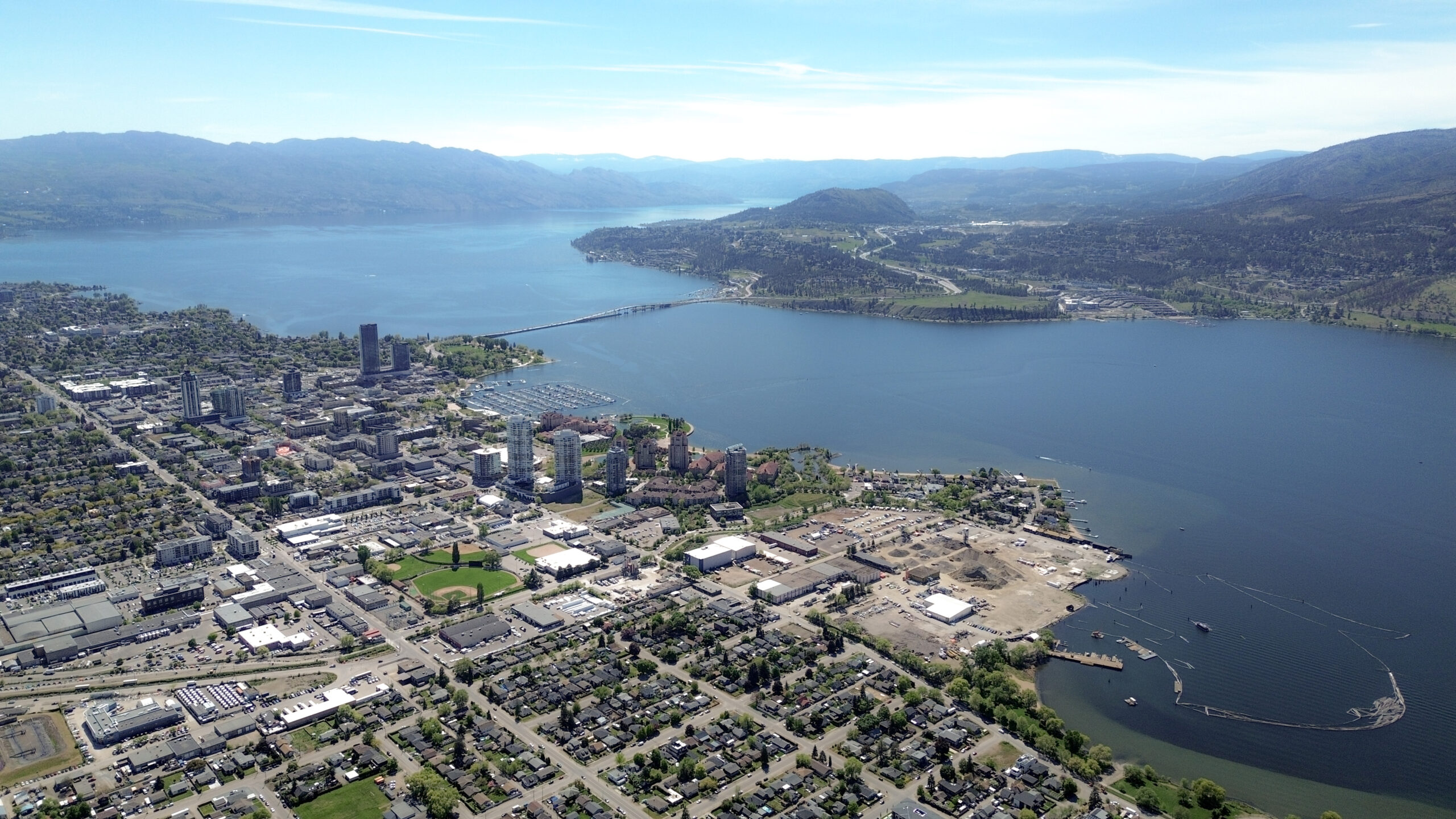
The winning team, Okanagan College, went out and talked directly to university students about why they don’t go to museums – gathering what Pardy says is “empathetic research.”
“Basically, what [empathetic research] means is that you go and talk to the people who are affected by the thing you’re researching, and learn from them and come to understand the problem through their eyes.” This contrasts to typical business models he says, since “traditional” business research would be largely dependent on survey and marketing research.
Through this process, Okanagan College discovered that young people viewed museums as “static; as boring; as a place for families or for older people,” says Pardy.
“In other words, not a place that would necessarily be something that they would want to go and participate in or to enjoy.”
Okanagan College provided solutions and direction on how to make museums more “enticing” for young people.
The Royal B.C. Museum, based in downtown Victoria, B.C. was founded in 1886, and says on their website that they “strive to broaden understanding about our province and inspire curiosity and wonder” through “research and learning.”
In recent months, the RBCM has been making headlines for major changes – shutting down major exhibits, some that have been around for over fifty years. These exhibits include “Old Town” and the “First Peoples Gallery,” as it has been criticized for pushing a colonial narrative.
Kim Gough, is the learning program developer at RBCM and says they’ve used design theory while developing certain programs.“We’re big fans of it,” she says.
As the museum goes through major changes, Gough says that this is a good time to gain new research and new insight from outside sources.
“What I hope to get out of this is perspective,” Gough continues. “From an audience that maybe I haven’t considered or an audience I don’t really know very well myself.”
Author
We live in a media ecosystem that thrives on misinformation. Big Tech and AI companies are consuming the work of real human beings and Canadian news has been banned on Facebook and Instagram.
And yet, I have hope for journalism because of the work we’re doing at IndigiNews.
At IndigiNews, we embody tâpwêwin — the Cree value of integrity and responsibility in truth-telling. We are committed to our independent, Indigenous-led newsroom rooted in community, accountability, and relationality. We believe storytelling is a sacred fire that connects our pasts, presents, and futures through the storytellers in our Storytelling Lodge. IndigiNews creates space for Indigenous journalists, storytellers, Knowledge Keepers, and communities to gather, learn, and share stories that matter.
As a registered charity, we are building a fire that allows our work not just to ignite but to thrive. Rather than relying on advertising or corporate acquisition, IndigiNews is sustained by people like you who believe Indigenous stories are important for the future of our communities.
Your support is making a real difference.
Our community of supporters, our Firekeepers, make it possible to grow our newsroom, publish award-winning journalism, train emerging Indigenous journalists through initiatives like the ReFocus Photojournalism Fellowship, and publish trustworthy stories that serve our communities across the country. Every story we publish helps fill in gaps left by mainstream media and ensures Indigenous perspectives are represented with care, accuracy and respect.
But there is still more work to do.
As the media landscape becomes more and more uncertain, community support is as necessary and essential as it’s ever been. Every new Firekeeper helps protect the independence of our newsroom and strengthens journalism that is accountable to our many and varied communities over corporations.
That’s why we’re inviting you to become a Firekeeper.
Firekeepers tend to and protect the sacred fire. Your monthly contributions directly support IndigiNews’s Storytelling Lodge, helps sustain our independent, Indigenous-led newsroom, and ensures future generations of Indigenous storytellers have the resources they need to do the work.
As a registered Canadian charity, all eligible donations receive a charitable tax receipt.
If you believe Indigenous stories matter, if you value independent journalism, and if you want to help build a strong future for Indigenous media, we invite you to join our circle of Firekeepers today.
Together, we can keep the fire burning.
— Eden Fineday, Publisher, IndigiNews
Support us nowLatest Stories
-
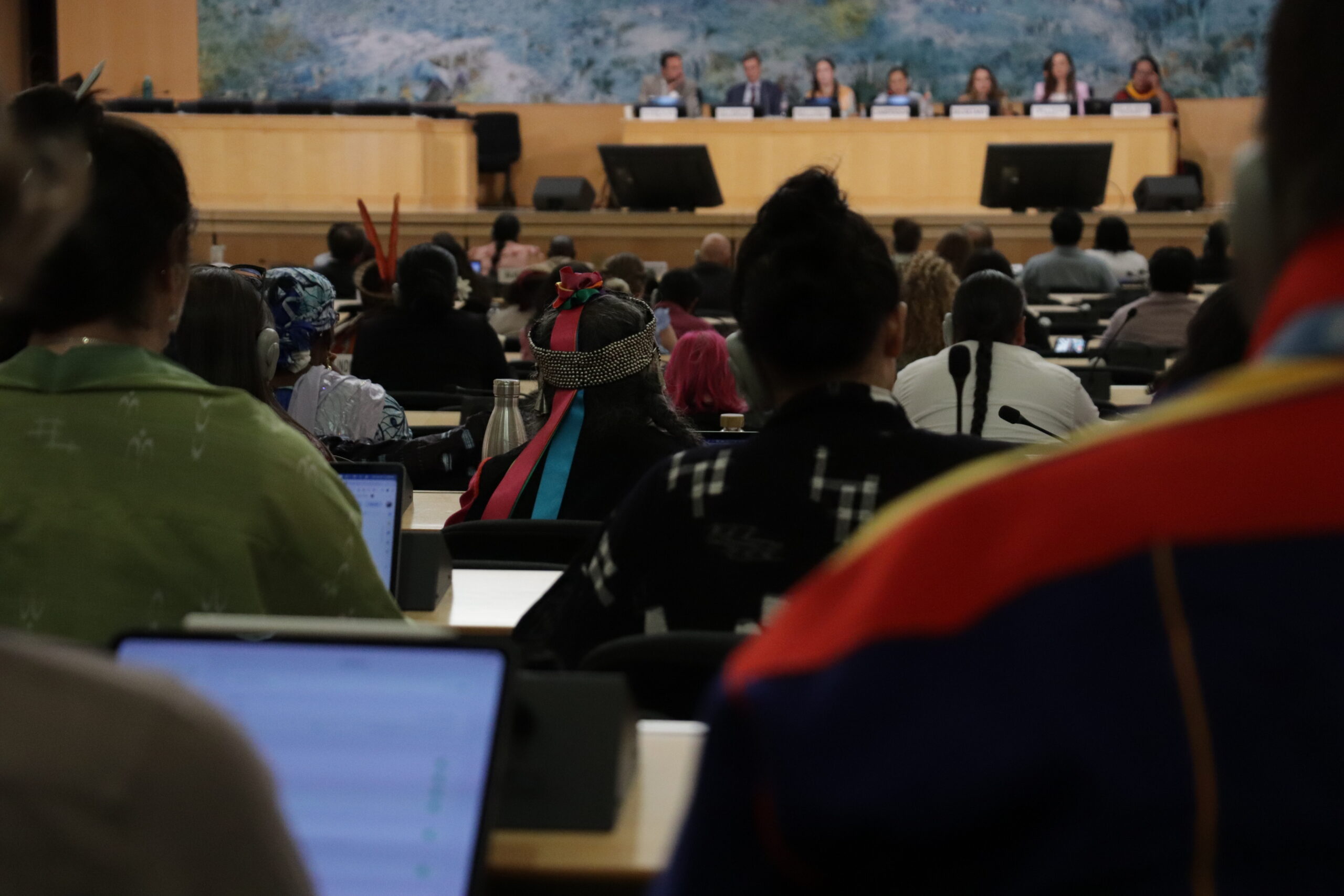
Indigenous leaders give the UN a roadmap for protecting their peoples
Amidst prayers and vows of solidarity, UN Expert Mechanism on the Rights of Indigenous Peoples ends annual meetings with demands for ‘action we’re not seeing globally’
-
Indigenous people demand more say at the UN, as new crises hit their homelands
Indigenous nations live ‘on the frontlines’ of climate, conflict and new tech. But their voices remain sidelined in the global halls of power.