How Duncan McCue approached his new hard-hitting podcast, ‘Kuper Island’
Duncan McCue goes in-depth with IndigiNews to share what it took to create the hard-hitting podcast ‘Kuper Island’

Trigger Warning: This story and the accompanying video contain in-depth conversations about the violence, and trauma experienced within Canada’s residential “school” system. Please prioritize your wellness and spirit, and read this with care.
“Residential schools were like bombs in our family,” Duncan McCue shares with IndigiNews when talking about what it was like to create the eight-part series podcast, ‘Kuper Island,’ for CBC Podcasts.
The podcast was released on May 17.
“Our podcast is about three children who survived the Kuper Island Residential School: Tony and James and Belvie. They shared their truths with an intimacy that will make you laugh and cry – and may help you understand how we move forward from the shameful legacy of Indian residential schools toward a fairer and more courageous country,” says McCue who is Anishinaabe, and a member of the Chippewas of Georgina Island First Nation.
“When the former Chief of Penelakut first told me how her community has grappled with the restless spirits of children ever since the Kuper Island Residential School closed, I knew it was a story more people needed to hear. I wanted to go beyond the cold, hard numbers of unmarked graves, to help people understand the deaths of children at a residential school aren’t a thing of the past.”
McCue says that in the first thirty years at the Kuper Island Residential School, the survival rate was 60 per cent.
“The Kuper Island School had a nearly a 40 per cent death rate […] four out of every 10 children that went to Kuper Island in those first 30 years died,” he shared with IndigiNews in an interview on May 12.
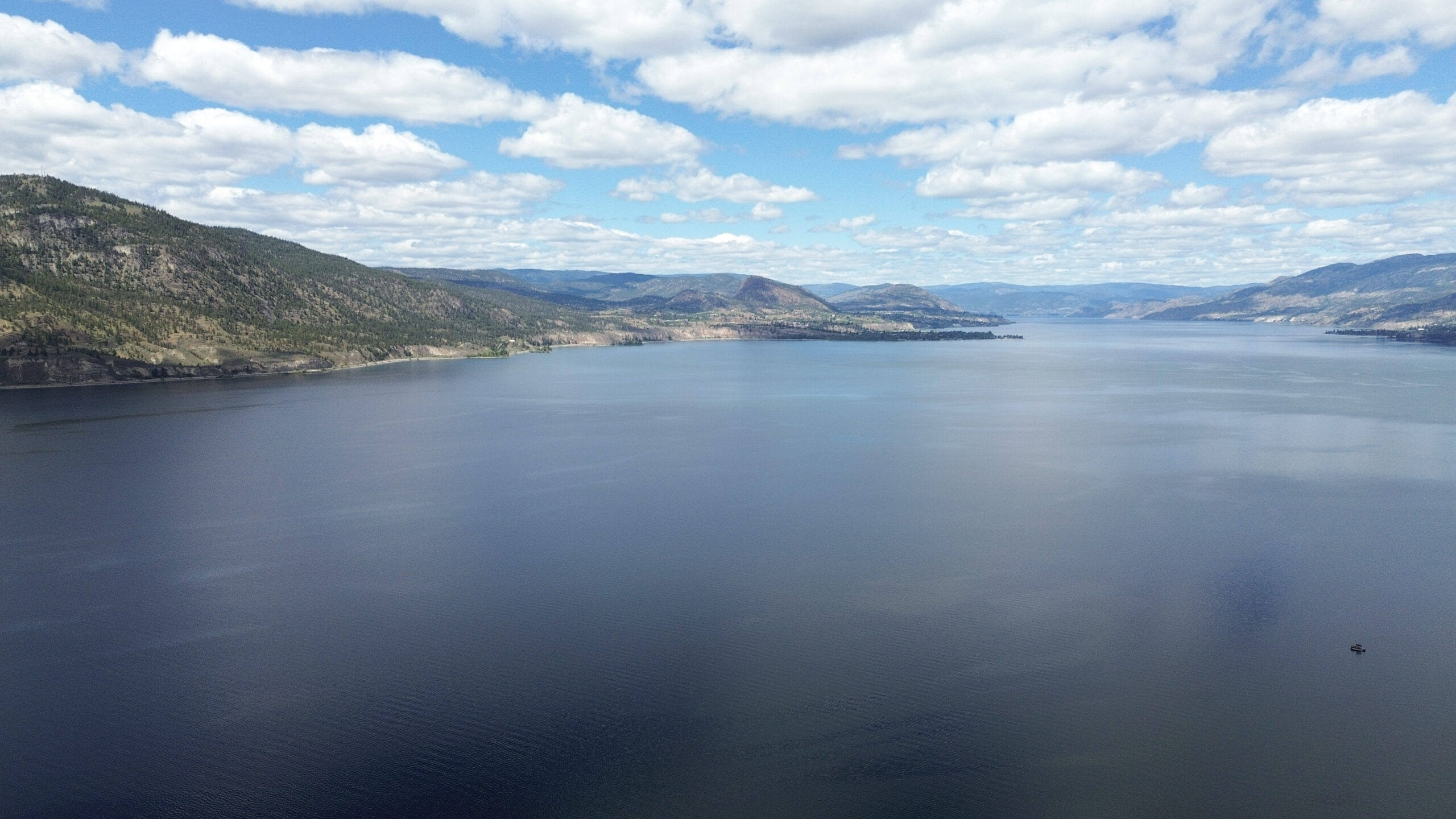
“Kuper Island is in the middle of […] the Salish Sea. And children were trying to get away from the place so badly that they were setting out into the Salish Sea, and some of them died. And you have to ask yourself why I mean, what would drive a child to do that?”
That’s the question that sent McCue and his co-producers Jodie Martinson and Martha Troian to Spune’luxutth homelands, on what’s been briefly known as Penelakut Island, and formerly Kuper Island.
Listen in as Kelsie Kilawna, Cultural Editor and Senior Aunty for IndigiNews talks to McCue about what it was like to cover such a heavy story, specifically for him as an Indigenous man and storyteller.
Editors Note: This article was updated from a previous version to correct a spelling error. Thank you to our cuzzin for pointing it out.
Dear cuzzins, if you or anyone you know is struggling with a visit with depression, suicidal ideation or attempts we want you to know help is available at KUU-US Crisis Line Society.
Adults/Elders (250-723-4050), Child/Youth (250-723-2040), Toll free (1-800-588-8717), or the Métis Line (1-833-MétisBC).
Author
We live in a media ecosystem that thrives on misinformation. Big Tech and AI companies are consuming the work of real human beings and Canadian news has been banned on Facebook and Instagram.
And yet, I have hope for journalism because of the work we’re doing at IndigiNews.
At IndigiNews, we embody tâpwêwin — the Cree value of integrity and responsibility in truth-telling. We are committed to our independent, Indigenous-led newsroom rooted in community, accountability, and relationality. We believe storytelling is a sacred fire that connects our pasts, presents, and futures through the storytellers in our Storytelling Lodge. IndigiNews creates space for Indigenous journalists, storytellers, Knowledge Keepers, and communities to gather, learn, and share stories that matter.
As a registered charity, we are building a fire that allows our work not just to ignite but to thrive. Rather than relying on advertising or corporate acquisition, IndigiNews is sustained by people like you who believe Indigenous stories are important for the future of our communities.
Your support is making a real difference.
Our community of supporters, our Firekeepers, make it possible to grow our newsroom, publish award-winning journalism, train emerging Indigenous journalists through initiatives like the ReFocus Photojournalism Fellowship, and publish trustworthy stories that serve our communities across the country. Every story we publish helps fill in gaps left by mainstream media and ensures Indigenous perspectives are represented with care, accuracy and respect.
But there is still more work to do.
As the media landscape becomes more and more uncertain, community support is as necessary and essential as it’s ever been. Every new Firekeeper helps protect the independence of our newsroom and strengthens journalism that is accountable to our many and varied communities over corporations.
That’s why we’re inviting you to become a Firekeeper.
Firekeepers tend to and protect the sacred fire. Your monthly contributions directly support IndigiNews’s Storytelling Lodge, helps sustain our independent, Indigenous-led newsroom, and ensures future generations of Indigenous storytellers have the resources they need to do the work.
As a registered Canadian charity, all eligible donations receive a charitable tax receipt.
If you believe Indigenous stories matter, if you value independent journalism, and if you want to help build a strong future for Indigenous media, we invite you to join our circle of Firekeepers today.
Together, we can keep the fire burning.
— Eden Fineday, Publisher, IndigiNews
Support us nowLatest Stories
-
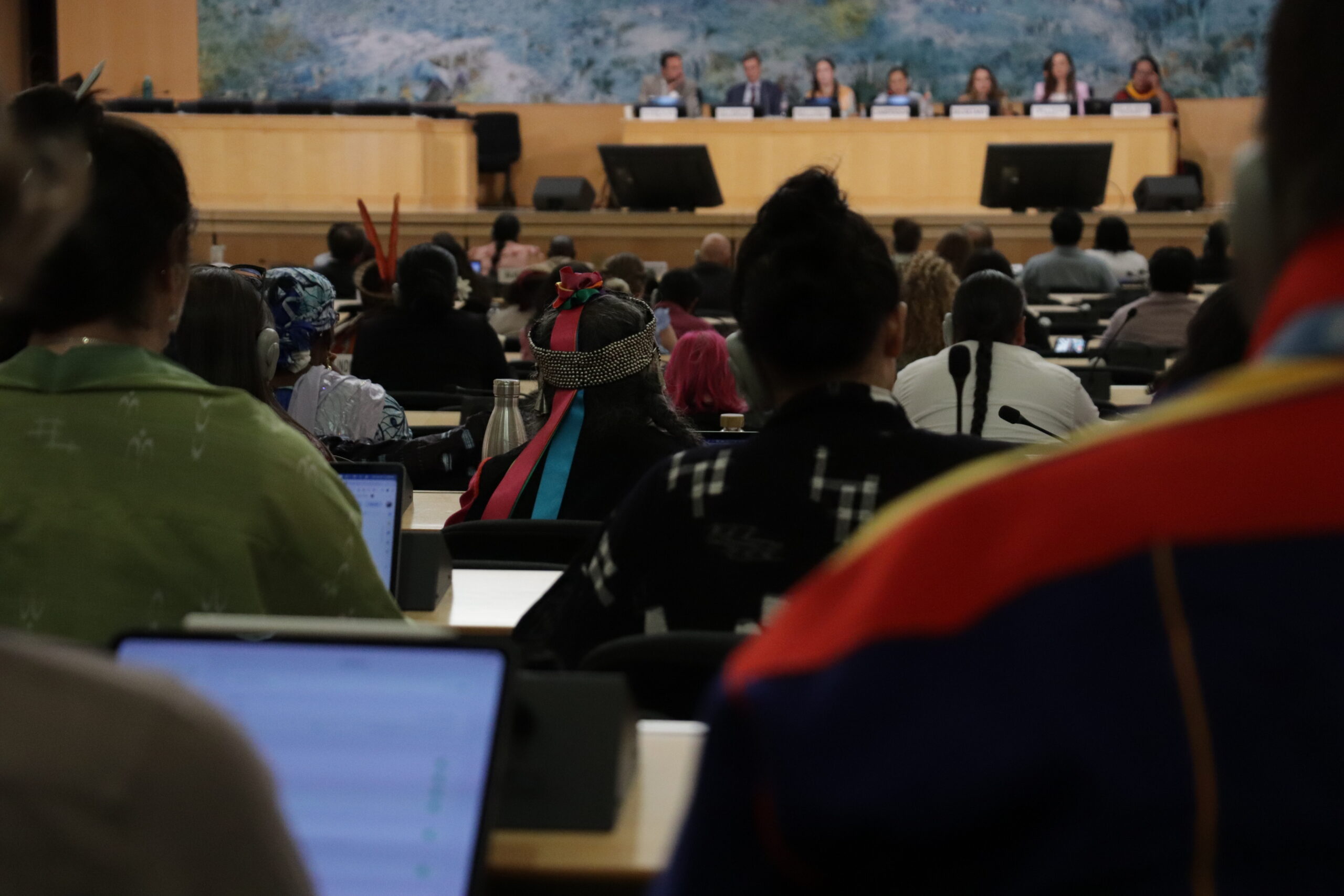
Indigenous leaders give the UN a roadmap for protecting their peoples
Amidst prayers and vows of solidarity, UN Expert Mechanism on the Rights of Indigenous Peoples ends annual meetings with demands for ‘action we’re not seeing globally’
-
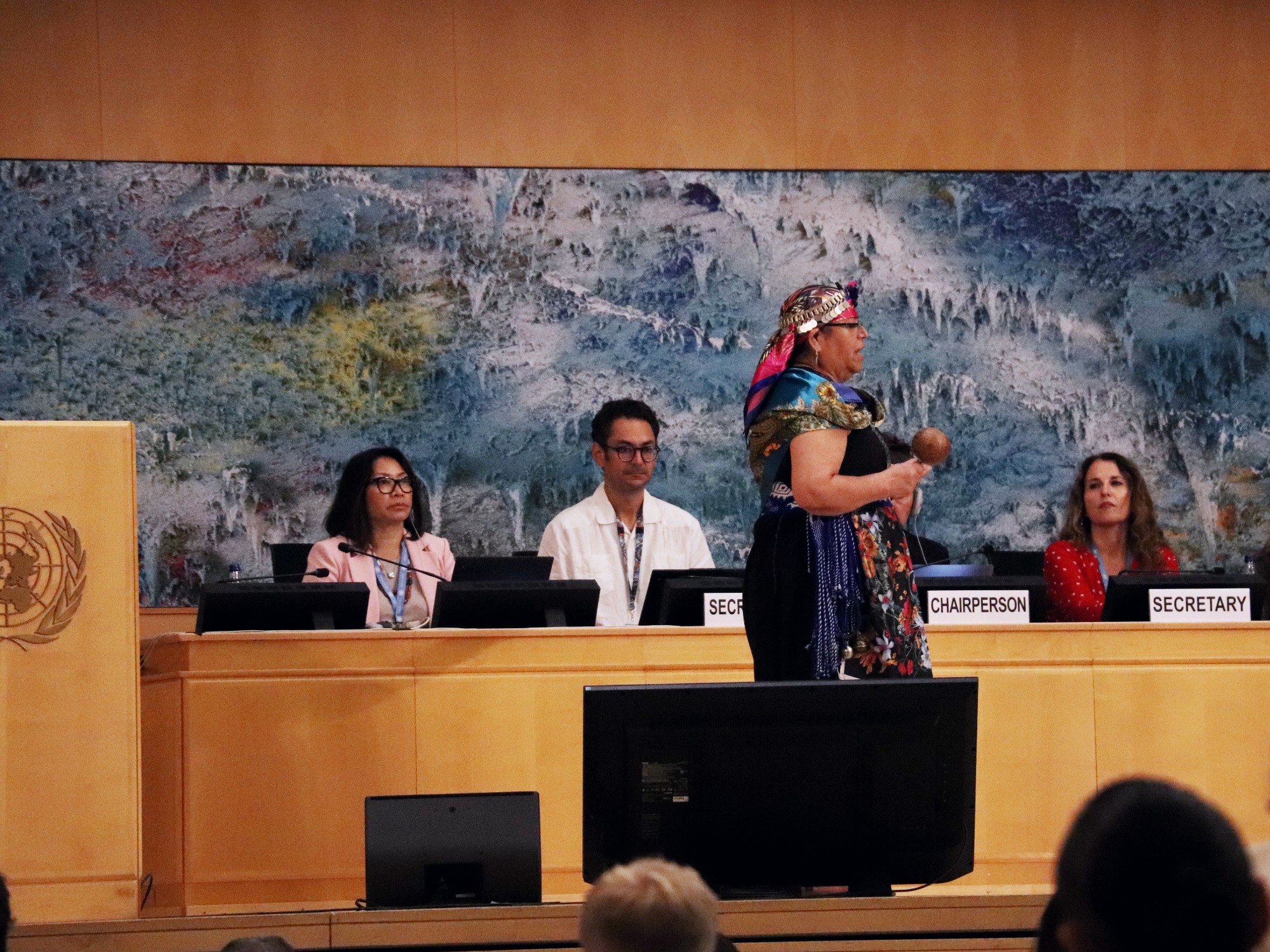
Indigenous people demand more say at the UN, as new crises hit their homelands
Indigenous nations live ‘on the frontlines’ of climate, conflict and new tech. But their voices remain sidelined in the global halls of power.