How snk̓lip brought salmon to snpinktn
The shortened captikʷl on the syilx Place Name qʷc̓iʔs snk̓lip (coyote’s winter home)

This is the first installment of IndigiNews’ Okanagan mini series on significant place names throughout the syilx Territory. Our goal is to give the original ancestral place names space, and reclaim them for them for our Nation.
Jeannette Armstrong shares her knowledge on the place name for qʷc̓iʔs snk̓lip, which is “geographically, the centre of the Okanagan,” she says.
snk̓lip is a coyote and qʷc̓iʔs means winter home, so the phrase translated from nsyilxcən (the syilx language) to English is “coyote’s winter home,” explains Armstrong, who is a professor of Indigenous Studies and a Canada Research Chair in Indigenous Knowledge and Philosophy at UBC Okanagan.
There are many stories of snk̓lip (coyote), who teaches the syilx people their laws through captikʷl (the documentation of syilx knowledge), about how they should treat each other, how to live and survive on the land and what protocols to follow.
In this shortened captikʷl, you will learn how snk̓lip brought salmon to people of snpinktn (Penticton) and how snk̓lip got his forever qʷc̓iʔs (winter home) built in snpinktn.
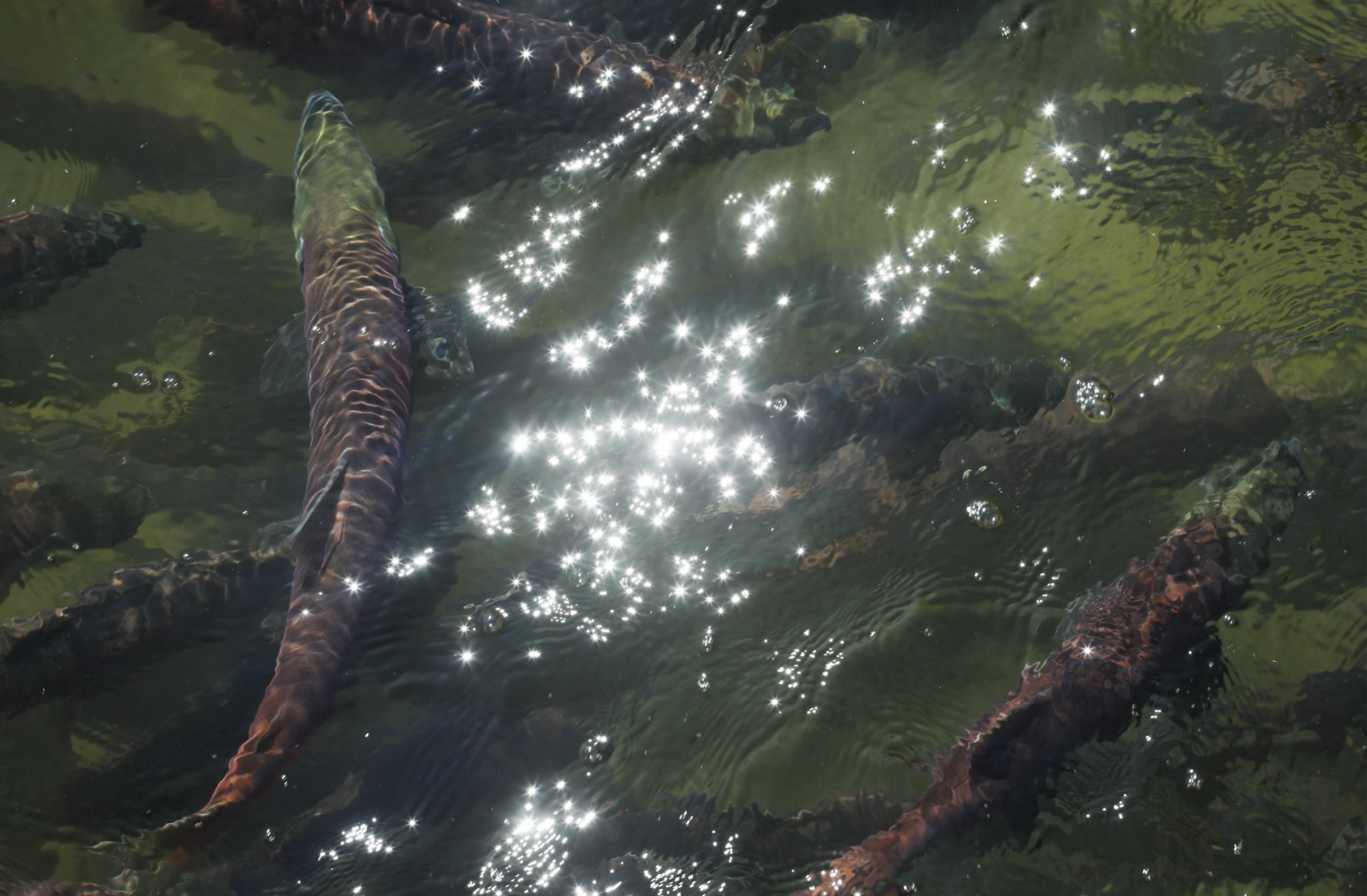
snk̓lip was at the mouth of the Columbia and found these sisters who had dammed the river so salmon couldn’t come through.
snk̓lip had to find a way to trick the sisters into accepting him, so he could break the dam and bring salmon to the People.
So snk̓lip decided he would change himself into a little baby. First, he would get the sisters to accept him as a little brother. Then he would become their husband to ensure an alliance was made.
The law snk̓lip is teaching us by becoming their husband is how chiefs traditionally made marriages in these other villages. So they’d have relatives in that community to trade and get food from.
The marriage allowed snk̓lip to break the dam and bring the salmon up. After, he went to every community in the syilx Territory and asked if they wanted salmon to swim up to their waterways.
The people from snpinktn agreed — however snk̓lip said if they wanted salmon, then he would need a home there, and he would need to have a wife in order to have a home.
So the Hereditary Chief built qʷc̓iʔs snk̓lip (coyote’s winter home) for snk̓lip and gave him a wife because he brought salmon to the people.
“They built his home because they wanted him to be here and so that he’d always come back,” says Armstrong, who is a Penticton Indian Band member.
“For us, it’s a marker and it marks who we are as a people from this community.”
qʷc̓iʔs snk̓lip holds another significance to the people from snpinktn because it also relates to the name of the community. pinktn means all the time or permanently. So snpinktn relates to a place where there will always be syilx people.
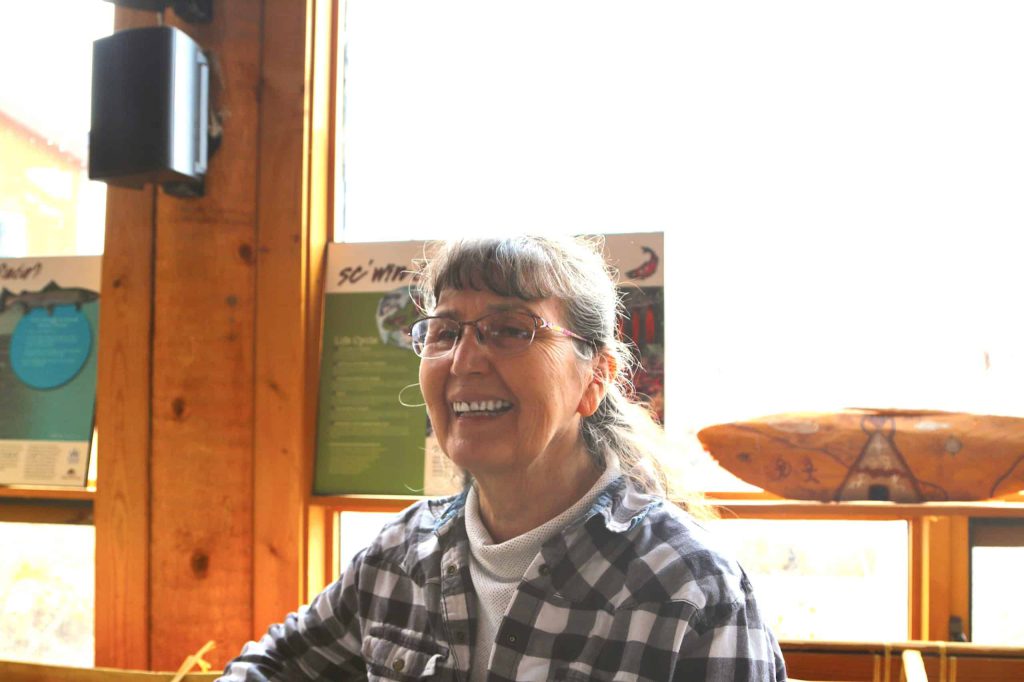
“There’s never going to be a time when our people are not here,” Armstrong adds.
The difference of a qʷc̓iʔs (winter home) to a sxʷulłxʷ (summer home) is that a sxʷulłxʷ (summer home) moves around with you while travelling to hunt or dig roots.
“The qʷc̓iʔs stays in place; you never move the qʷc̓iʔs around. You never move your home around,” Armstrong explains.
The Penticton Indian Band logo of two snk̓lip facing each other was designed by Armstrong, in honour of qʷc̓iʔs snk̓lip and snk̓lip’s two sides — what is good and bad for the people.
One side is a teacher of the law, good and betterment for people. The other side of it is that the only way you can know what’s good is you also have to be knowledgeable about what’s not good for the people.
So snk̓lip also shows us that the worst traits of any person are to be selfish, greedy, lazy, a bully, conniving, oversexed with many wives — by being all those things himself, he teaches the syilx people is that if you can see how bad those things are, for you as an individual or family or for your community, then you should be able to change for the better.
The side is where it becomes law that the people are not to do these things or act that way. You’re not to treat anybody in their community disrespectfully, lie about them, abuse them or hurt them — because they’re your people.
“When people are like that, they’re breaking the law. That’s what that house means, qʷc̓iʔs snk̓lip, so all the communities in the syilx nation, that’s how we’re supposed to be,” says Armstrong.
Armstrong tells IndigiNews it is crucial to her to uphold and pass on her knowledge about ancestral syilx place names because this is unceded territory and place names identify the people and the knowledge of that place.
“Things like that I think are not only just for us to think about as a story, but also to understand our responsibility to who we are and what we’re supposed to take care of and keep going,” says Armstrong.
_______________________
Cultural Knowledge shared in this story is not to be used for monetization of any kind. Please take this as a gift. It is an offering of story and being invited into this knowledge should be considered an honour. Please keep it safe.
Kinship Connection: Athena Bonneau is the granddaughter of Jeannette Armstrong, featured in this story. It is with great honour we share our kinship ties.
Language Protocol: According to nsyilxcən language speakers, there are no capitalizations in the spellings of any nsyilxcən words. In an egalitarian society, capitalization insinuates there is something that holds more importance over another, and that does not fall in line with syilx ethics.
Author
We live in a media ecosystem that thrives on misinformation. Big Tech and AI companies are consuming the work of real human beings and Canadian news has been banned on Facebook and Instagram.
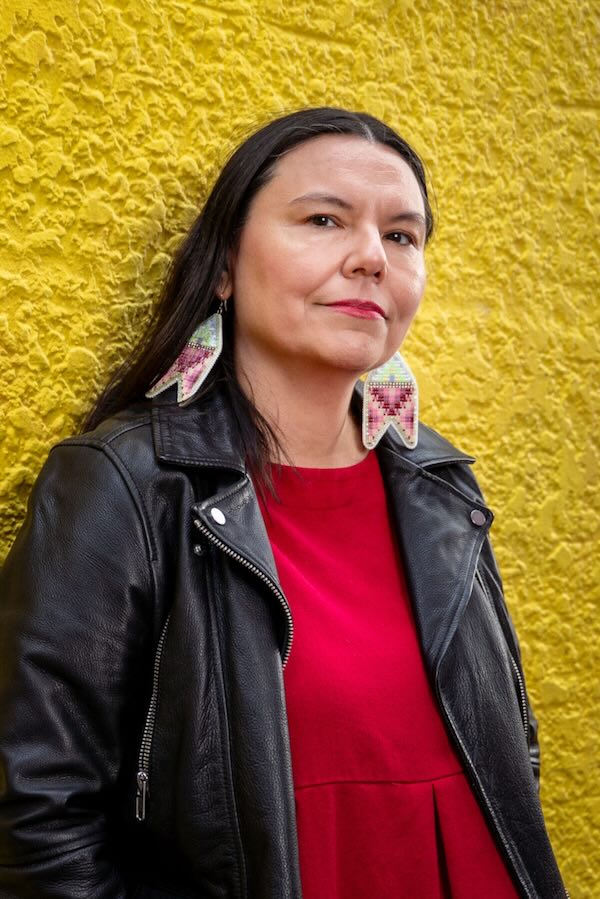
And yet, I have hope for journalism because of the work we’re doing at IndigiNews.
At IndigiNews, we embody tâpwêwin — the Cree value of integrity and responsibility in truth-telling. We are committed to our independent, Indigenous-led newsroom rooted in community, accountability, and relationality. We believe storytelling is a sacred fire that connects our pasts, presents, and futures through the storytellers in our Storytelling Lodge. IndigiNews creates space for Indigenous journalists, storytellers, Knowledge Keepers, and communities to gather, learn, and share stories that matter.
As a registered charity, we are building a fire that allows our work not just to ignite but to thrive. Rather than relying on advertising or corporate acquisition, IndigiNews is sustained by people like you who believe Indigenous stories are important for the future of our communities.
Your support is making a real difference.
Our community of supporters, our Firekeepers, make it possible to grow our newsroom, publish award-winning journalism, train emerging Indigenous journalists through initiatives like the ReFocus Photojournalism Fellowship, and publish trustworthy stories that serve our communities across the country. Every story we publish helps fill in gaps left by mainstream media and ensures Indigenous perspectives are represented with care, accuracy and respect.
But there is still more work to do.
As the media landscape becomes more and more uncertain, community support is as necessary and essential as it’s ever been. Every new Firekeeper helps protect the independence of our newsroom and strengthens journalism that is accountable to our many and varied communities over corporations.
That’s why we’re inviting you to become a Firekeeper.
Firekeepers tend to and protect the sacred fire. Your monthly contributions directly support IndigiNews’s Storytelling Lodge, helps sustain our independent, Indigenous-led newsroom, and ensures future generations of Indigenous storytellers have the resources they need to do the work.
As a registered Canadian charity, all eligible donations receive a charitable tax receipt.
If you believe Indigenous stories matter, if you value independent journalism, and if you want to help build a strong future for Indigenous media, we invite you to join our circle of Firekeepers today.
Together, we can keep the fire burning.
— Eden Fineday, Publisher, IndigiNews
Support us nowLatest Stories
-
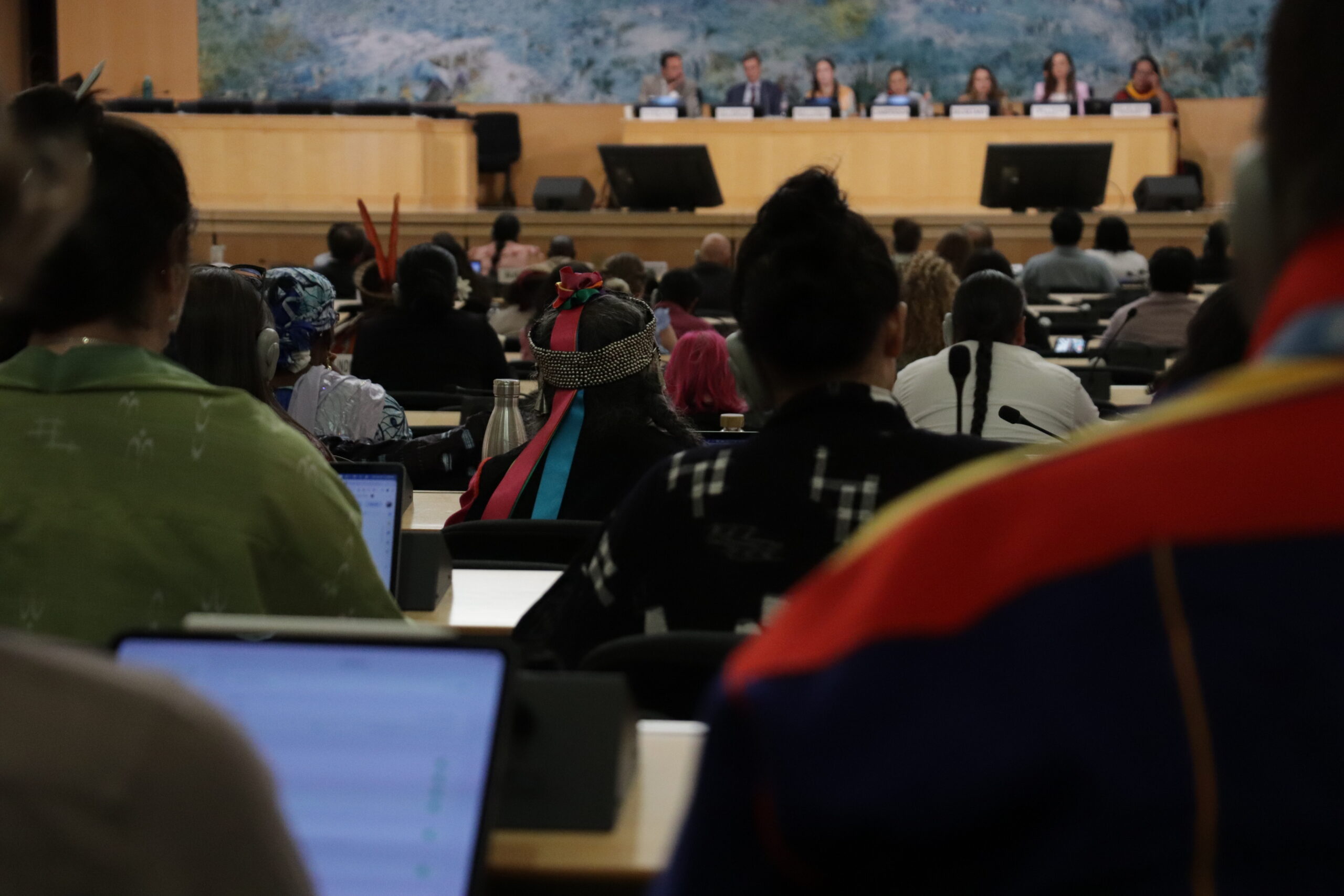
Indigenous leaders give the UN a roadmap for protecting their peoples
Amidst prayers and vows of solidarity, UN Expert Mechanism on the Rights of Indigenous Peoples ends annual meetings with demands for ‘action we’re not seeing globally’
-
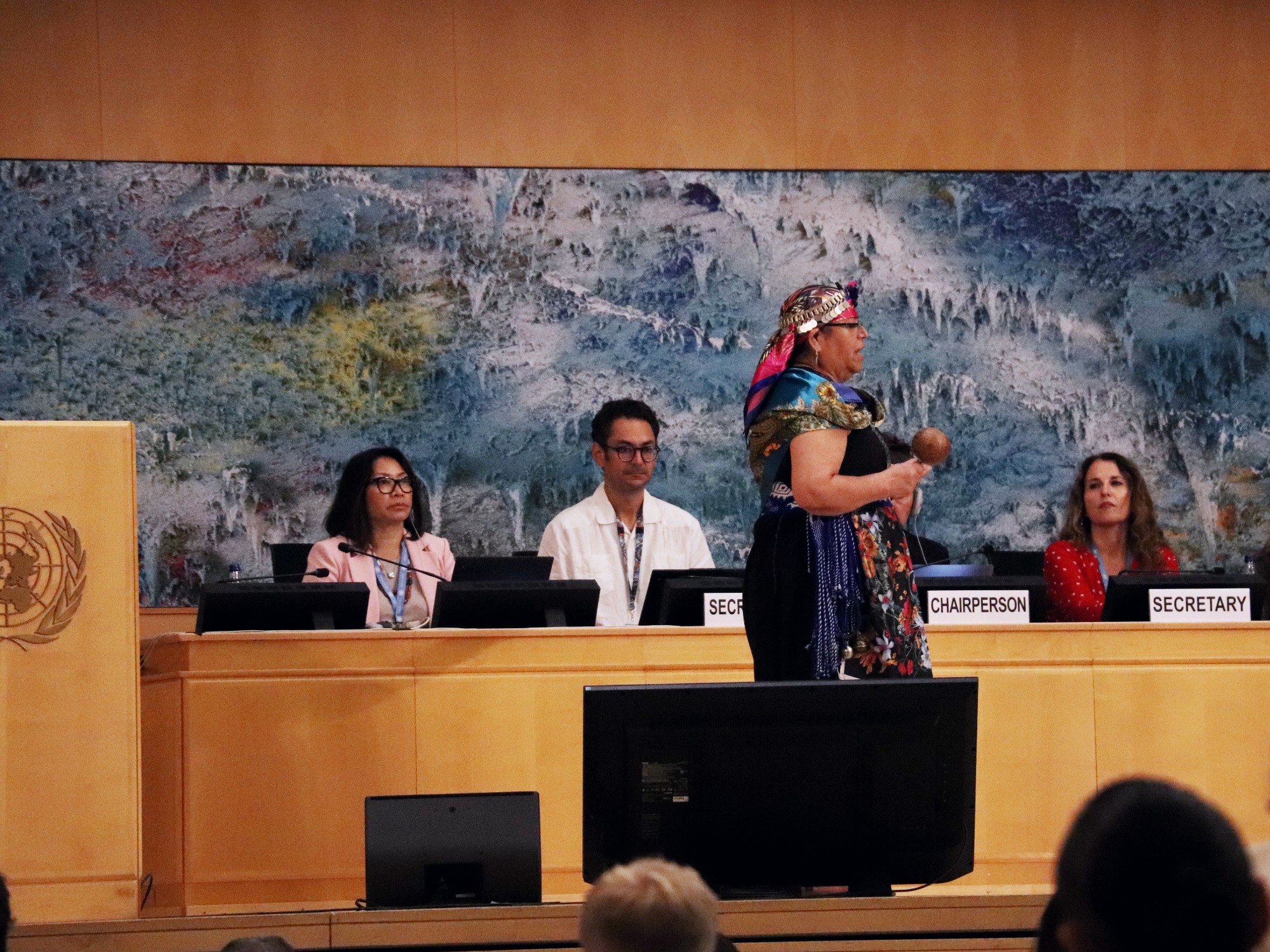
Indigenous people demand more say at the UN, as new crises hit their homelands
Indigenous nations live ‘on the frontlines’ of climate, conflict and new tech. But their voices remain sidelined in the global halls of power.