Legacy of smǝlqmíx Elder cewel’na Leon Louis honoured at syilx water gathering
The work of the ONA forum — held earlier this spring — was dedicated to the leader ‘to honour him and his life’s journey’ as an advocate for the land, water and tmixʷ (all living things)
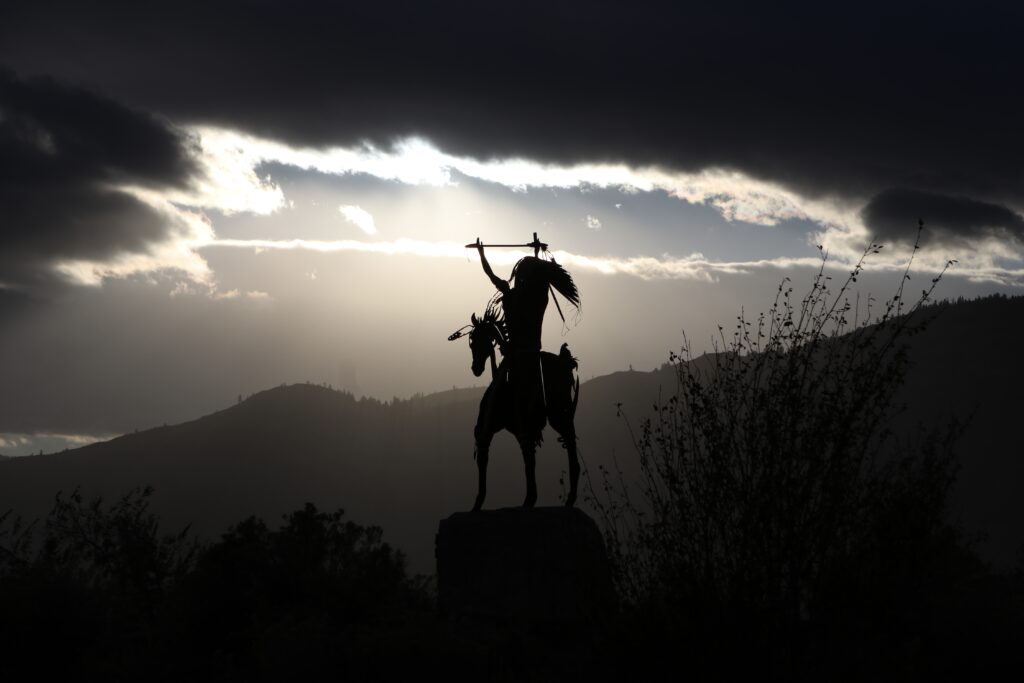
Like his ancestors before him, cewel’na Leon Louis was committed to upholding syilx laws and responsibilities that ensure future generations have the same access to clean lands and waters as he did.
The late smǝlqmíx Elder from the Lower Similkameen Indian Band regularly attended and led water ceremonies on both sides of the international colonial border; at different creeks, rivers and lakes throughout the vast territory of the cross-boundary syilx Okanagan Nation.
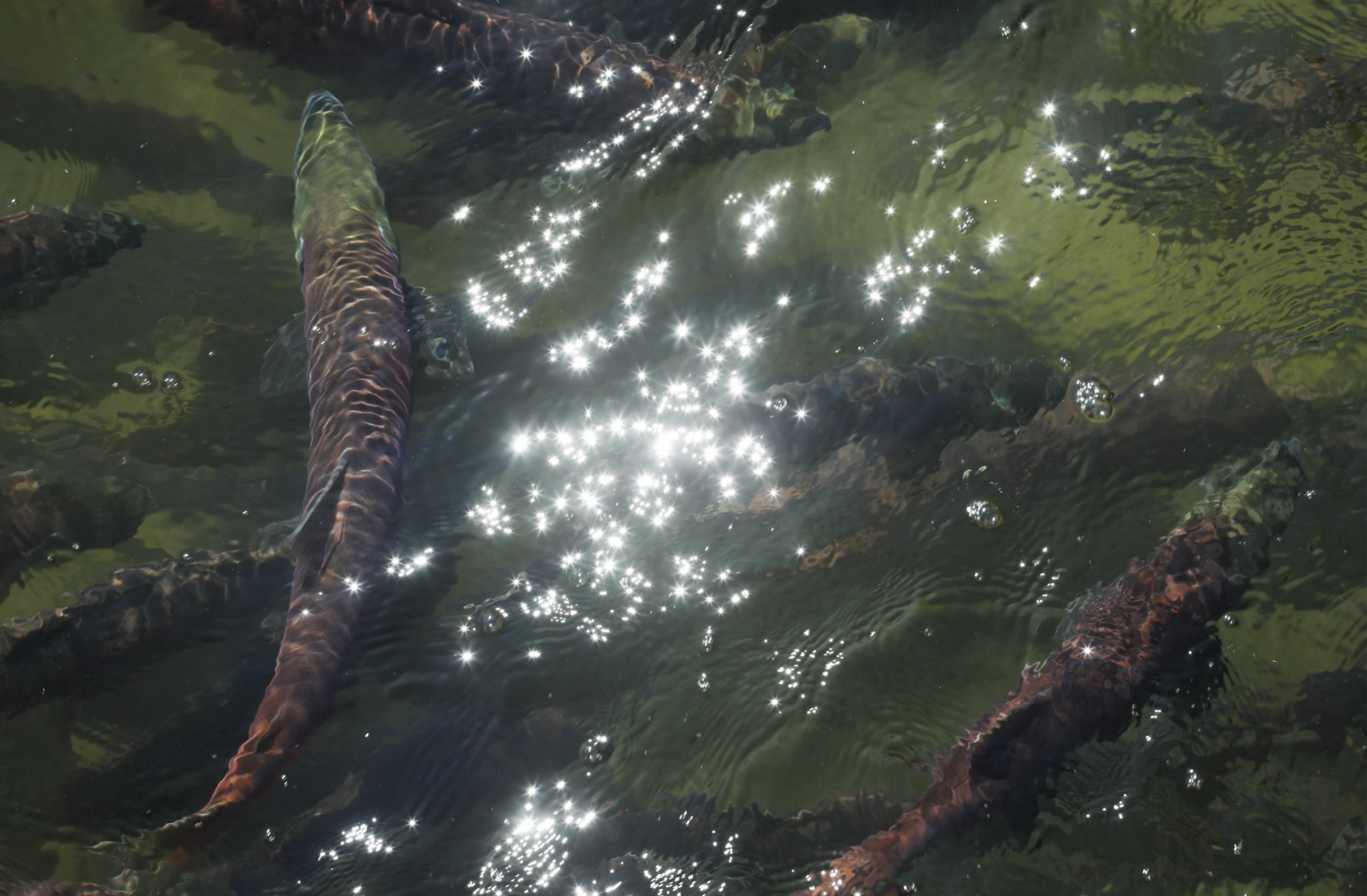
It was at these ceremonies where he prayed for the health of siwɬkʷ (water); for the tmxʷulaxʷ (the land); for the tmixʷ (all living things) — such as ntytyix (Chief Salmon) — and for his own people, including those seven generations from now.
“The ones that are not yet born — they deserve to have clean food, clean water,” cewel’na said during a tour of kłlilx’w (Spotted Lake) that he facilitated in 2022.
From pollution caused by industries like mining, to the hundreds of dams blocking salmon from returning to the Columbia River watershed, cewel’na spoke out against the negative impacts that legacy settler projects and infrastructure are having on regional waterways.
Before colonialism, cewel’na told IndigiNews that syilx people “could drink water out of any lake, any river, any creek.”
“Now, look at it — it’s scary to drink water now. You have no idea what you’re drinking,” he said.
Two years ago, cewel’na warned that we are living in the age of a syilx prophecy that spoke of a time where “we won’t have any access to any of our foods, our medicines, the water.”
“Our Elders, they fought to keep the water clean, just for (settlers) even. Just for us. And look at what we’re doing to it now,” he said.
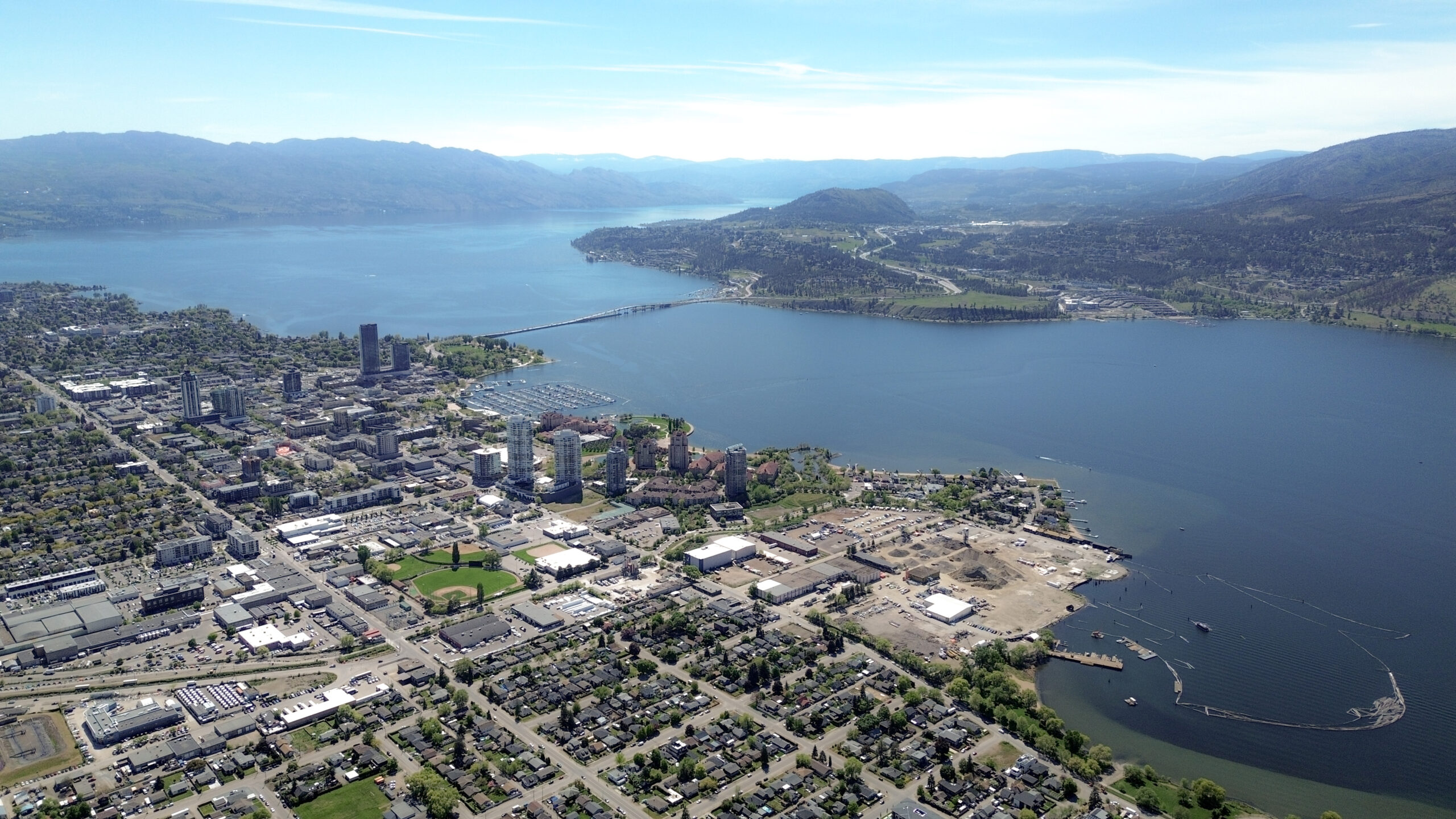
In staying true to his commitment to advocating for clean water and for every being relying on it, cewel’na had registered to attend the Okanagan Nation Alliance’s (ONA) annual siwɬkʷ Water and Climate Forum, a two-day gathering in kiʔláwnaʔ (Kelowna) that brought together more than 320 people.
But just two days before the gathering kicked off, cewel’na passed away on March 21. He would’ve been 75 years old this October.
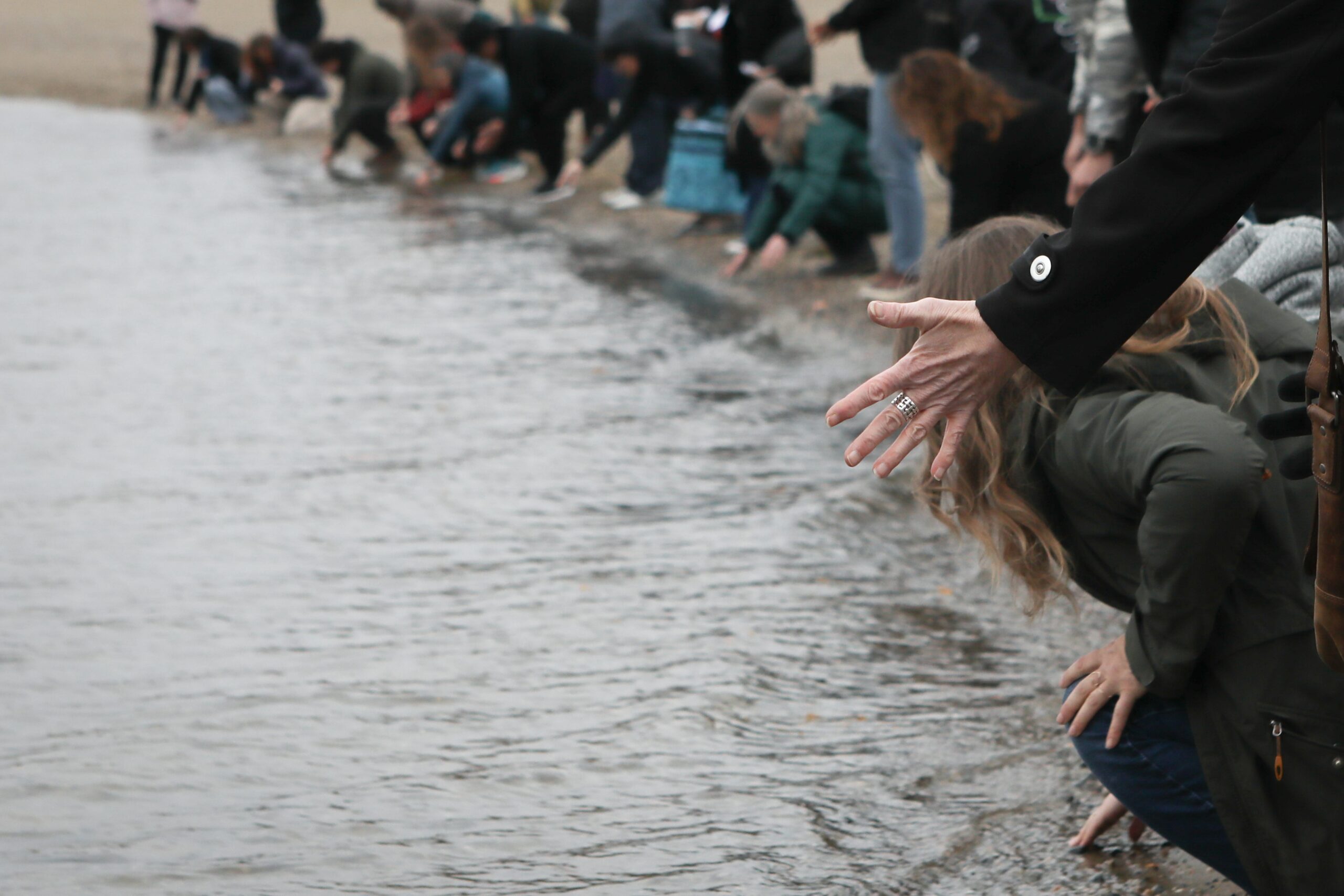
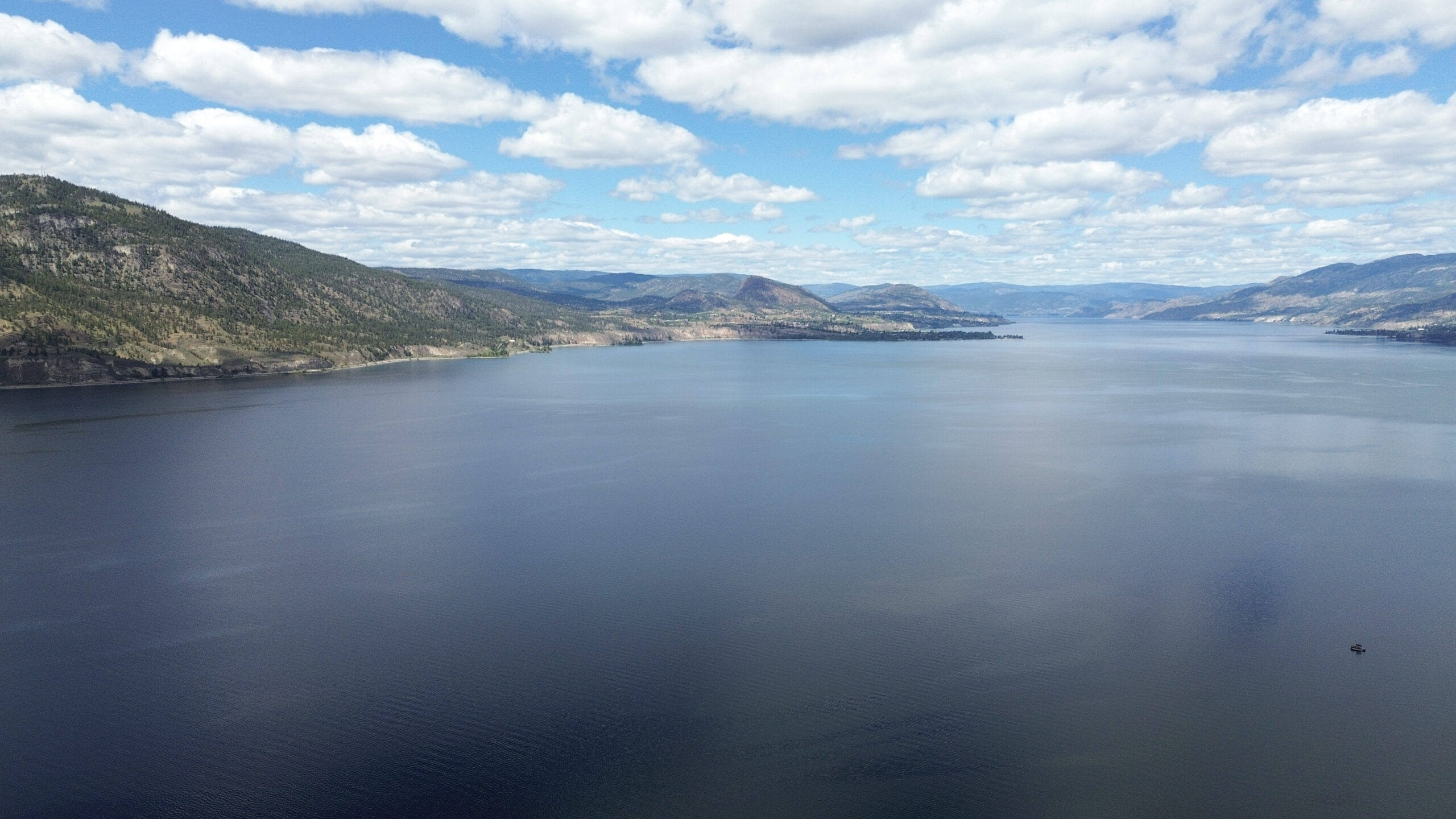
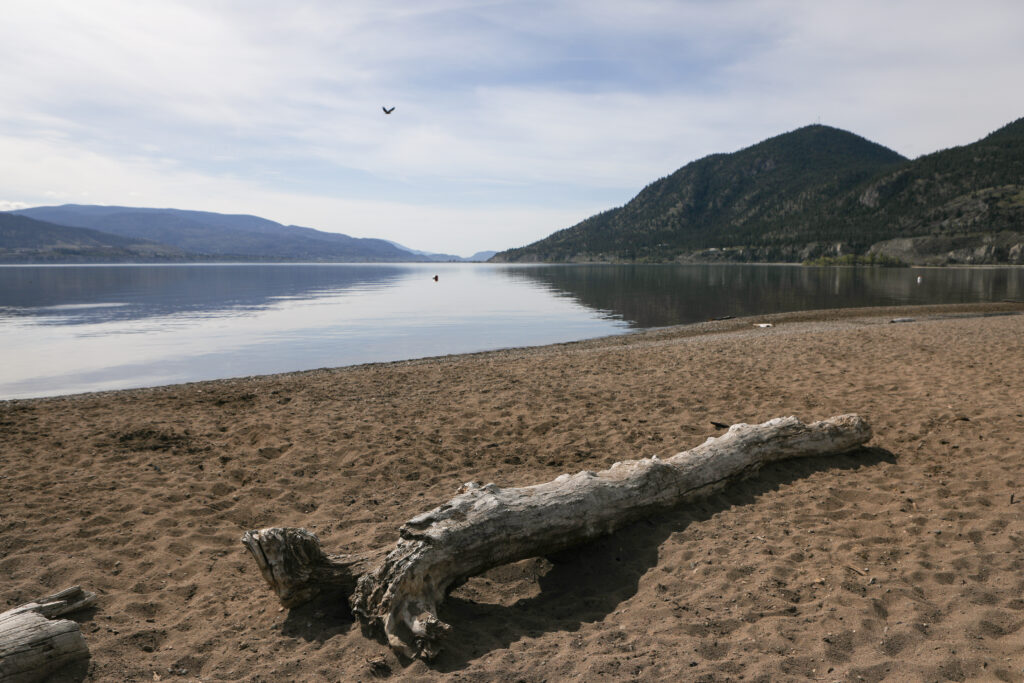
On the morning of the day that he was to be laid to rest in his home community on March 24, dozens of people from the water forum participated in a water ceremony at kɬúsx̌nítkʷ (Okanagan Lake), led by xwayluxalqs (Fox Dress) Tricia Manuel.
Small ceremonial jars carrying the clean and clear headwaters of the Similkameen River, and Pennask and Mission Creeks, were distributed by Manuel and the ONA water team, to serve as reminders for people of the important role they play in helping to preserve the pristine.
“I tell my grandkids, ‘I do these ceremonies so that your grandkids will have water,’” said xwayluxalqs.
Like cewel’na, she said that we are living in a time of prophecy.
“All the lake systems, all the rivers, all the creekbeds are getting dry,” she said.
“Have faith in what you’re doing … We pray that the water is clean, clear and plentiful for all of life, for all of time.”
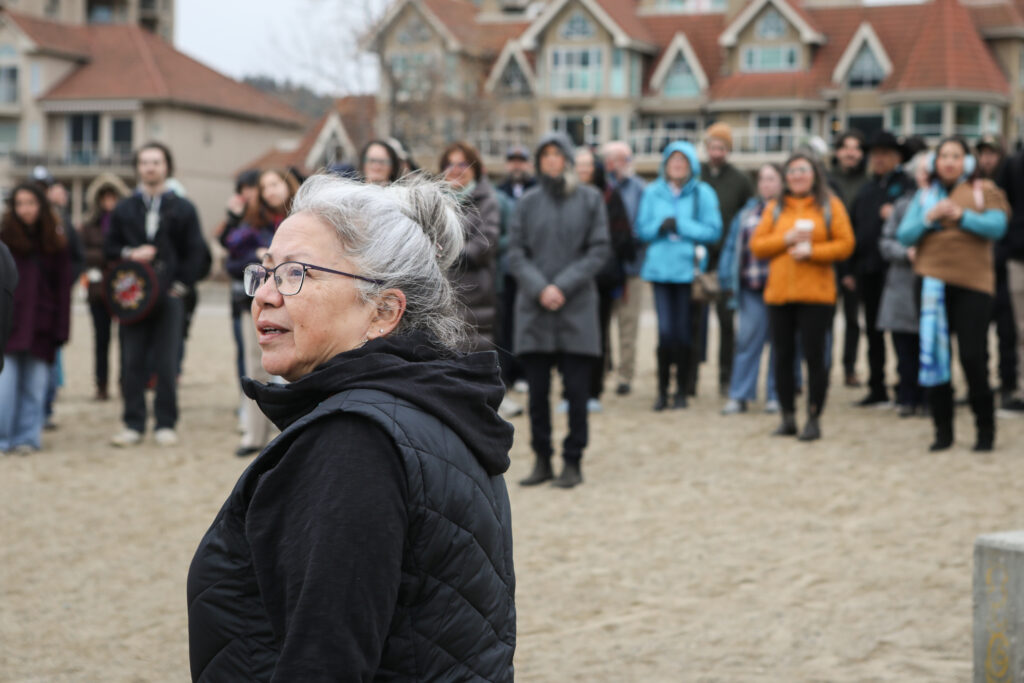
While cewel’na’s passing left an emotional undertone for many at the forum, community members acknowledged that cewel’na would’ve wanted the event to go on.
In his opening prayer after the forum’s water ceremony, Westbank First Nation (WFN) councillor c̓ris Jordan Coble thanked those in the room for attending. He reminded them that cewel’na would’ve been proud of the work they were all doing in standing up for water.
“The work that … I know (cewel’na) still continues to be proud of. Because the work has to carry on. That’s just the way we do it as Okanagan people — as sqilx’w people, as syilx people,” said c̓ris.
“We carry on with the work, no matter how hard it gets.”
qʷəqʷim̓cxn Tessa Terbasket, ONA’s water program lead who spearheaded the forum, told IndigiNews that the gathering was made possible thanks to the work and the direction of Elders like cewel’na, who she described as “a water Elder.”
“This is his work. This is why we are here today,” she said. “He was all about this gathering. He was about relationships. He was about water.”
qʷəqʷim̓cxn said that the forum was dedicated to cewel’na — “to honour him and his life’s journey.”
“We’re doing it for cewel’na. That’s what we discussed as staff; this is for Leon and this is what he would’ve wanted,” she said.
“How he did his work was bringing people together around water, and doing prayer and ceremony. That is how he built his relationships … He really truly was a believer of the [syilx] Nation, and coming together as one.”
‘A fourth year of drought conditions’
While humans are having their impacts, both water quality and quantity in the region throughout much of the 21st century have also been increasingly threatened by a combination of consecutive droughts, floods and wildfires — all of which are being exacerbated by climate change.
Nelson Jatel, the water stewardship director for Okanagan Basin Water Board, said in a public webinar on May 8 that the Okanagan Basin — which is home to around 380,000 people — is “going through a fourth year of drought conditions.”
This comes in a year where the Okanagan’s snow-pack level – which refers to the depth of liquid water contained in mountain snowpacks – dropped from 90 per cent of normal in January, to 67 per cent of normal in February, according to the Province of B.C.
As of May, the snow-pack level is measured at 31 per cent of normal. Last May, the snow-pack level was recorded at 67 per cent of normal.
According to data obtained by IndigiNews, Interior Health issued 1,059 water system advisories in the Okanagan‑Similkameen regions between 2016 and 2025.
Of these advisories — which are issued “as a precaution when there is a risk the water may not be safe to drink” — 649 were boil water notices.
At the time of publication, 74 of the 1,059 water advisories remain in effect, including four from 2016 and 20 from 2023.
Nearly half of the water system advisories — 412 to be exact, which includes 193 boil water notices — were issued for the Central Okanagan district alone, the jurisdiction that Westbank First Nation, and the major municipalities of “Kelowna” and “West Kelowna,” fall within.
Post-wildfire landscapes are also contributing to water quality declines, Jatel said, as these landscapes can feed harmful sediments and nutrients into waterways.
Wildfire events in 2017, 2021 and 2023 “affected several Okanagan source watersheds,” he noted.
In 2023, 153 water advisories were issued by Interior Health for the Okanagan-Similkameen – the most advisories to be issued for the two regions between 2016 and 2025.
The water quality of kɬúsx̌nítkʷ (Okanagan Lake) alone is also threatened by invasive mussels, algae blooms, microplastics, and more.
The near total disappearance of keystone aquatic species — from salmon to crayfish — from regional waterways due to agricultural development and habitat degradation in the last century are viewed as indicators by syilx experts that humans have fallen out of balance with maintaining the ecological health of water and aquatic beings.

But despite the prophecy’s fulfillment, which cewel’na attributed to global capitalism, he said syilx people want to work with settler communities to advance progress.
“We just need to do it in a better way, that’s all,” cewel’na told IndigiNews two years ago.
“We need to remember to take care of the land, take care of the water. Not only for us, but for seven generations to come.”
cewel’na said he believed that the efforts and prayers of people can help such issues change course, and restore balance between the human and non-human worlds.
“You can’t lose hope. You always gotta keep going. Everything I do is to help my people. I cannot get discouraged,” he said.
“You always gotta believe. If I didn’t believe, I wouldn’t be here. You have to believe.”
It was his spirit and connection to his ancestors, by way of ceremony, that kept him strong, he said.
“When I do ceremony, I’m still having that connection with the land. Once I stop doing ceremony, that’s when I lose connection to the land,” he said.
Author
We live in a media ecosystem that thrives on misinformation. Big Tech and AI companies are consuming the work of real human beings and Canadian news has been banned on Facebook and Instagram.
And yet, I have hope for journalism because of the work we’re doing at IndigiNews.
At IndigiNews, we embody tâpwêwin — the Cree value of integrity and responsibility in truth-telling. We are committed to our independent, Indigenous-led newsroom rooted in community, accountability, and relationality. We believe storytelling is a sacred fire that connects our pasts, presents, and futures through the storytellers in our Storytelling Lodge. IndigiNews creates space for Indigenous journalists, storytellers, Knowledge Keepers, and communities to gather, learn, and share stories that matter.
As a registered charity, we are building a fire that allows our work not just to ignite but to thrive. Rather than relying on advertising or corporate acquisition, IndigiNews is sustained by people like you who believe Indigenous stories are important for the future of our communities.
Your support is making a real difference.
Our community of supporters, our Firekeepers, make it possible to grow our newsroom, publish award-winning journalism, train emerging Indigenous journalists through initiatives like the ReFocus Photojournalism Fellowship, and publish trustworthy stories that serve our communities across the country. Every story we publish helps fill in gaps left by mainstream media and ensures Indigenous perspectives are represented with care, accuracy and respect.
But there is still more work to do.
As the media landscape becomes more and more uncertain, community support is as necessary and essential as it’s ever been. Every new Firekeeper helps protect the independence of our newsroom and strengthens journalism that is accountable to our many and varied communities over corporations.
That’s why we’re inviting you to become a Firekeeper.
Firekeepers tend to and protect the sacred fire. Your monthly contributions directly support IndigiNews’s Storytelling Lodge, helps sustain our independent, Indigenous-led newsroom, and ensures future generations of Indigenous storytellers have the resources they need to do the work.
As a registered Canadian charity, all eligible donations receive a charitable tax receipt.
If you believe Indigenous stories matter, if you value independent journalism, and if you want to help build a strong future for Indigenous media, we invite you to join our circle of Firekeepers today.
Together, we can keep the fire burning.
— Eden Fineday, Publisher, IndigiNews
Support us nowLatest Stories
-
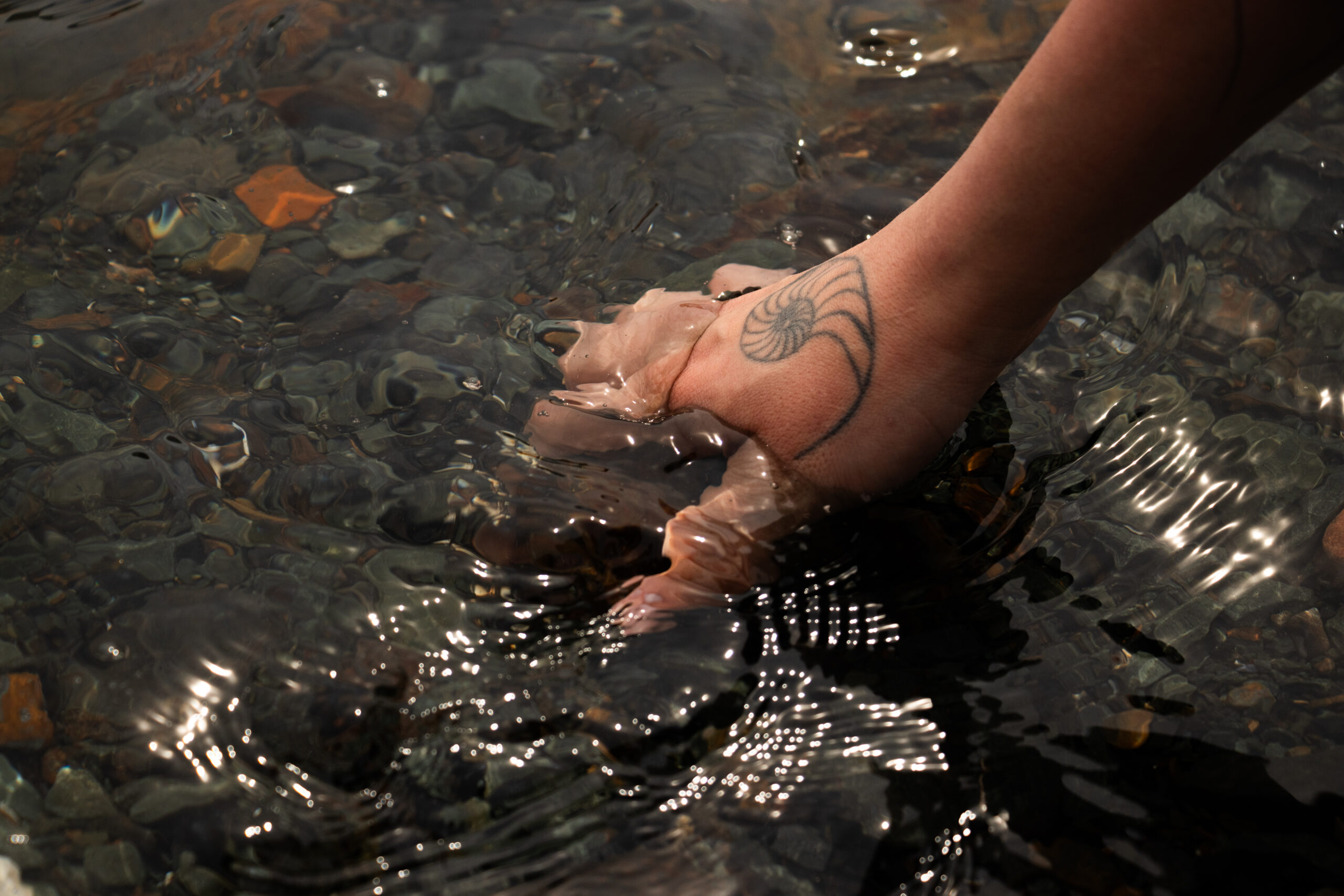
Through their lenses: Showcasing the work of our 2026 ReFocus fellows
Get to know our photojournalism training cohort through a series of portraits shot during a week in Kjipuktuk (Halifax)
-
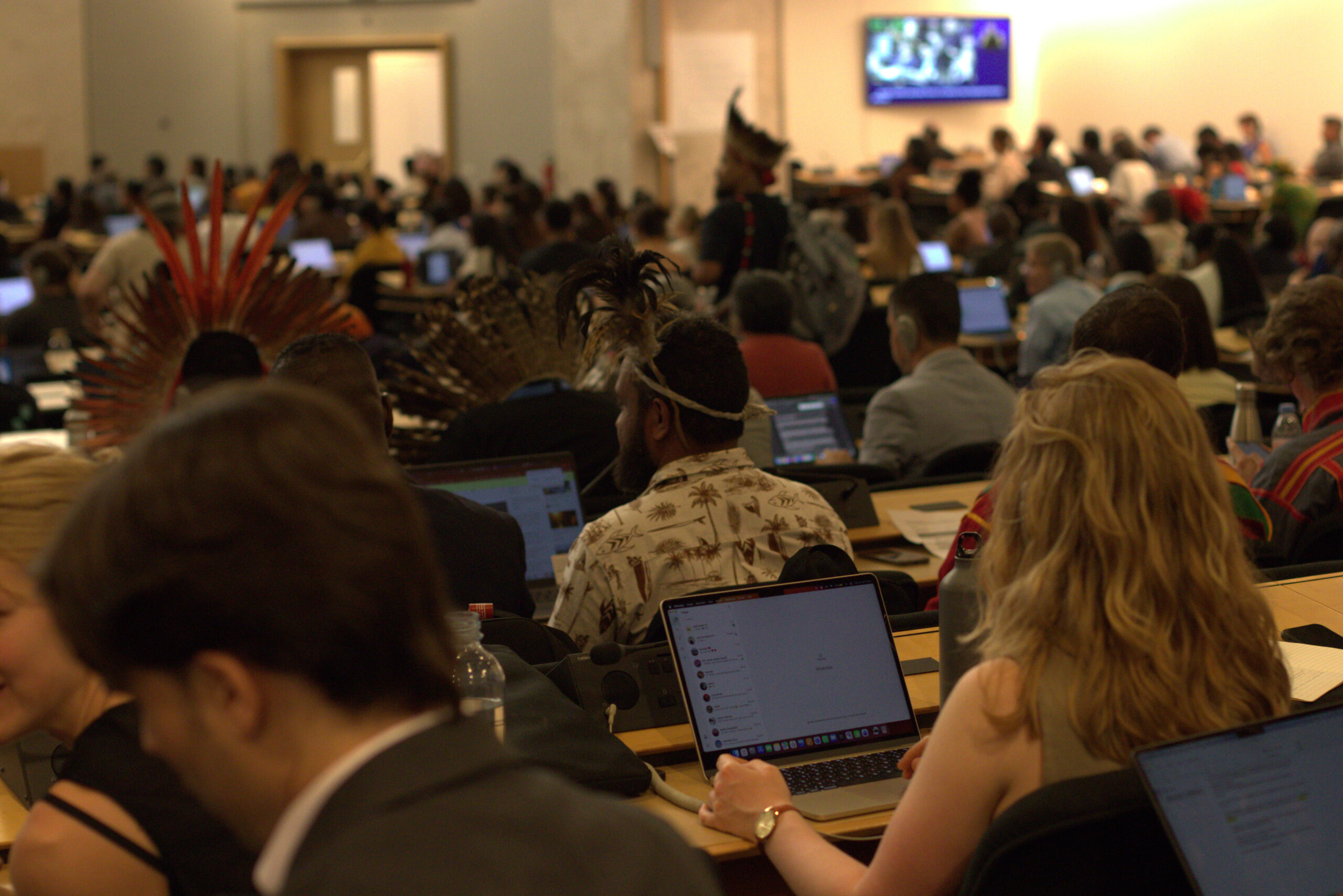
AI data centers are booming. Indigenous People want help protecting their lands and knowledge
Indigenous leaders warn the UN that the rapid growth of artificial intelligence facilities threatens their rights