Penticton Indian Band is using syilx traditional methods to reduce wildfire risk
Prescribed burns to happen in syilx territory around Penticton now through February, says band’s director of natural resources.

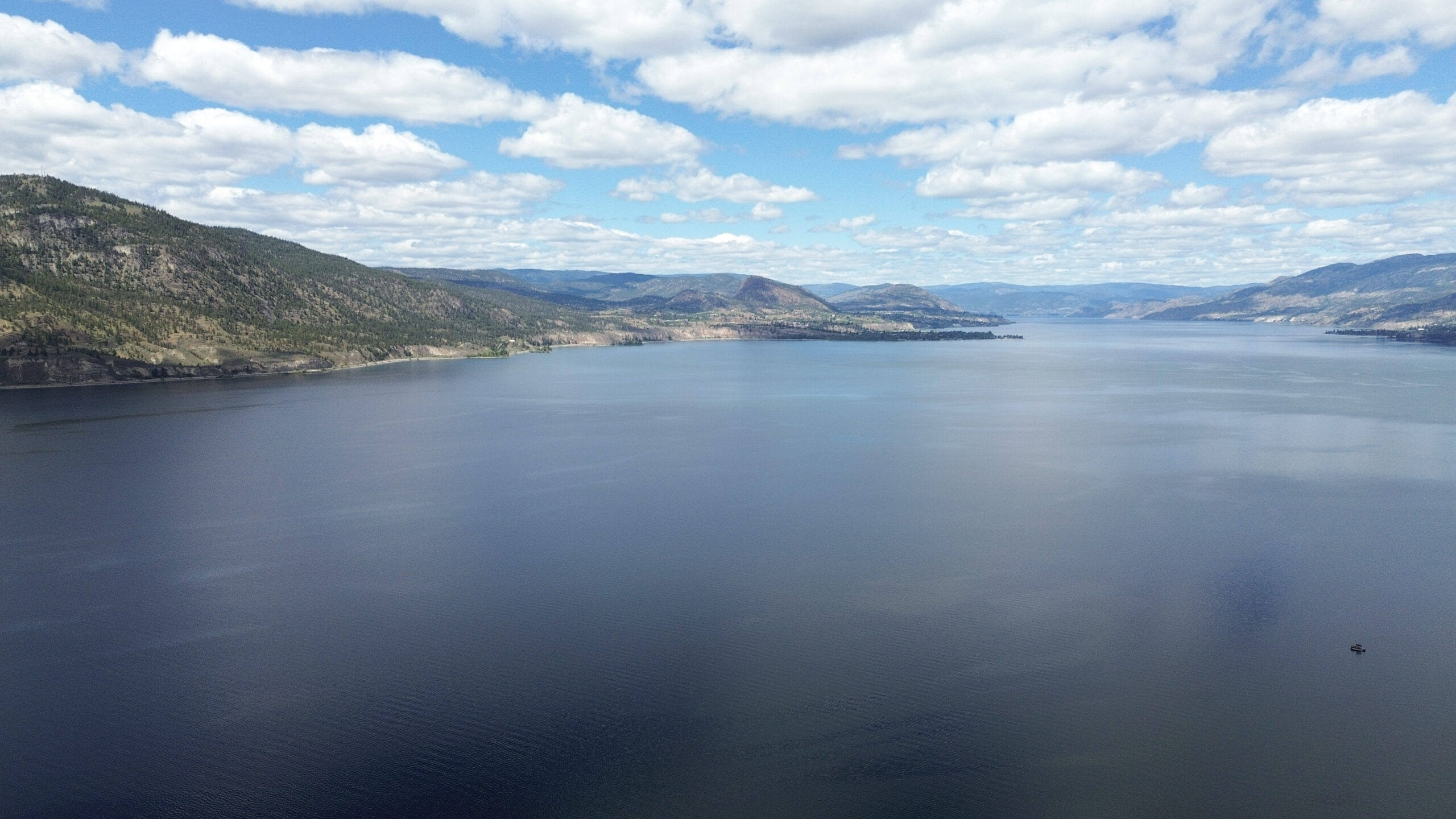
The Penticton Indian Band (PIB) is working with BC Wildfire Service on a new wildfire risk reduction project using traditional syilx methods.
“All of the PIB [wildfire risk reduction] projects are informed by Elders and knowledge keepers,” says James Pepper, director of PIB’s natural resource department. “They write the prescriptions, then we implement them.”
Pepper says PIB has done several wildfire risk reduction projects throughout the Southern Okanagan over the last few years.
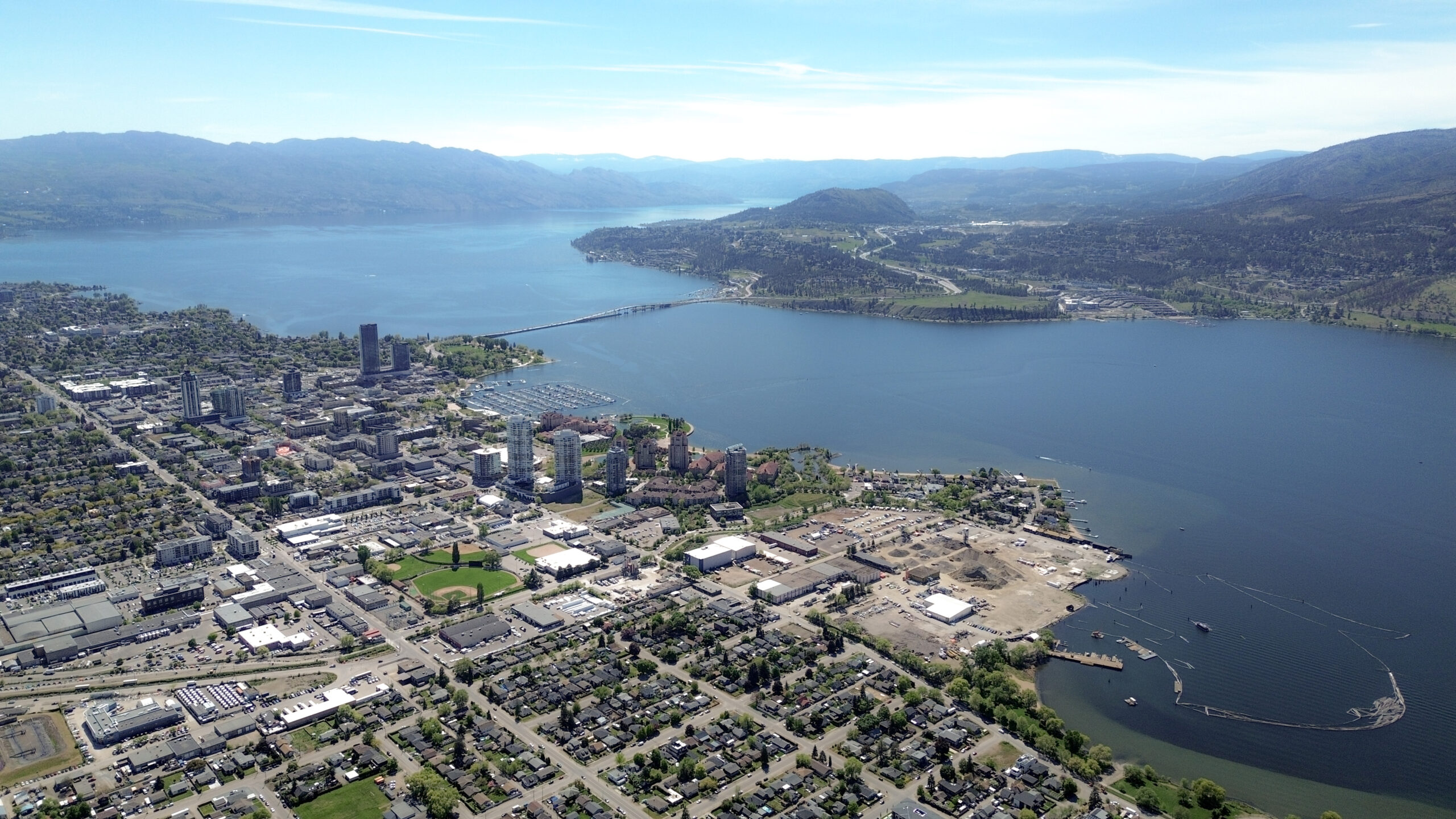
The latest project, which started on Nov. 9, involves burning around 1,300 piles of wood debris in syilx territory around the city of Penticton — in the Penticton Creek watershed, around White Lake Basin, along the Naramata Bench and in the urban Carmi area.
“Smoke and/or flames may be visible from Kelowna, Peachland, Summerland, Penticton, Okanagan Falls and HWY 97,” according to PIB’s media release.
“We remove residual timber, we prune the base of larger trees, and we clean up fuel debris on the ground,” says Pepper, who worked in PIB’s natural resources department since 2015.
“Sometimes, depending on the amount of fuel on the ground, we pile it and burn it. And sometimes if it’s less fuel or an appropriate amount of fuel, we spread it out and do a prescribed burn.”
Pepper says the project will be carried out between now and February, and the main goal is to prevent catastrophic wildfires in the upcoming fire season.
“Traditional prescribed burning has been suppressed for many decades. And as a result, fuel has built [on the] forest floor,” he says.
“If there’s a wildfire now, it’s kind of catastrophic. It burns very, very hot and it can move very quickly and burn a lot of ground. Whereas previously, when it was managed by the syilx people, these fires were way less intense and didn’t spread so quickly or burn so hot.
“In the Okanagan, the forests are actually fire dependent. A lot of the seeds won’t open up unless heat and fire is introduced, so fire is a natural part of the life cycle.”
Pepper says PIB is working closely with syilx elders and traditional fire knowledge keepers from multiple communities throughout the syilx Okanagan Nation to ensure this collaborative project follows syilx protocols.
“We’re restoring the landscape back to a managed landscape in the syilx traditional way in collaboration with the province via BC Wildfire.”
After “years and years of lobbying by Indigenous Peoples,” Pepper says the province is providing more resources to implement traditional practices.
“We have a really strong and wonderful partnership with the BC Wildfire Service,” he adds. “We keep [them] informed with the traditional firekeepers’ knowledge and then they incorporate Western scientific knowledge as well.”
“The traditional approach doesn’t necessarily measure kilojoules of energy on the ground, but that information is important and that’s what the scientific part does … it just makes the process more robust and even better.”
He says they decide which areas to burn based on available funding (which tends to be targeted toward “urban forest interface”), as well as “cultural significance and needs.”
“We really do want to reach out to other Indigenous communities, syilx communities to show them how we got to where we are. We have a very large, well-trained crew now.”
He says this year’s crew includes 19 people from PIB and five from BC Wildfire.
“We’re hopeful that the province will continue to recognize this as being a very important proactive measure, as well as the Indigenous leadership … given the thousands of years of knowledge and experience in this regard, and that all communities will be able to develop programs for the good of all.”
To report a wildfire, unattended campfire, or open burning violation in B.C., call 1-800-663-5555 toll-free or *5555 on a cell phone.
Author
We live in a media ecosystem that thrives on misinformation. Big Tech and AI companies are consuming the work of real human beings and Canadian news has been banned on Facebook and Instagram.
And yet, I have hope for journalism because of the work we’re doing at IndigiNews.
At IndigiNews, we embody tâpwêwin — the Cree value of integrity and responsibility in truth-telling. We are committed to our independent, Indigenous-led newsroom rooted in community, accountability, and relationality. We believe storytelling is a sacred fire that connects our pasts, presents, and futures through the storytellers in our Storytelling Lodge. IndigiNews creates space for Indigenous journalists, storytellers, Knowledge Keepers, and communities to gather, learn, and share stories that matter.
As a registered charity, we are building a fire that allows our work not just to ignite but to thrive. Rather than relying on advertising or corporate acquisition, IndigiNews is sustained by people like you who believe Indigenous stories are important for the future of our communities.
Your support is making a real difference.
Our community of supporters, our Firekeepers, make it possible to grow our newsroom, publish award-winning journalism, train emerging Indigenous journalists through initiatives like the ReFocus Photojournalism Fellowship, and publish trustworthy stories that serve our communities across the country. Every story we publish helps fill in gaps left by mainstream media and ensures Indigenous perspectives are represented with care, accuracy and respect.
But there is still more work to do.
As the media landscape becomes more and more uncertain, community support is as necessary and essential as it’s ever been. Every new Firekeeper helps protect the independence of our newsroom and strengthens journalism that is accountable to our many and varied communities over corporations.
That’s why we’re inviting you to become a Firekeeper.
Firekeepers tend to and protect the sacred fire. Your monthly contributions directly support IndigiNews’s Storytelling Lodge, helps sustain our independent, Indigenous-led newsroom, and ensures future generations of Indigenous storytellers have the resources they need to do the work.
As a registered Canadian charity, all eligible donations receive a charitable tax receipt.
If you believe Indigenous stories matter, if you value independent journalism, and if you want to help build a strong future for Indigenous media, we invite you to join our circle of Firekeepers today.
Together, we can keep the fire burning.
— Eden Fineday, Publisher, IndigiNews
Support us nowLatest Stories
-
Indigenous leaders give the UN a roadmap for protecting their peoples
Amidst prayers and vows of solidarity, UN Expert Mechanism on the Rights of Indigenous Peoples ends annual meetings with demands for ‘action we’re not seeing globally’
-
Indigenous people demand more say at the UN, as new crises hit their homelands
Indigenous nations live ‘on the frontlines’ of climate, conflict and new tech. But their voices remain sidelined in the global halls of power.