Rez culture isn’t our culture, says Chief Clarence Louie (y̓ilmixʷm ki law na)
The Osoyoos Indian Band chief says his first book — Rez Rules — is blunt. ‘I tell the truth.’

Chief Clarence Louie (y̓ilmixʷm ki law na) of the Osoyoos Indian Band (OIB) wants people to know that “rez culture” is not his culture — and he’s written a book about it.
Rez Rules is due to be released this fall, and Louie’s hoping Indigenous people and government workers in Canada and the United States will pick it up.
“Most of the book is about the rez culture … which is not our culture. Reserves are not our culture,” Louie tells IndigiNews. “Land ownership is not our culture, elections are not our culture, status cards are not our culture, but it’s what we have grown up with.”
He’s careful to distinguish between rez culture — which he doesn’t identify with — and rez rules, which he says he often cites.
“I use that often in my speeches. A rez rule should be this: no lazy asses. Or a rez rule should be this: if you want to call yourself a warrior, then get a job. You’re not a warrior if you’re on welfare,” he says.
In writing this book, Louie’s first, he says he drew upon his experiences growing up on the OIB reservation, and the role he’s played for the past 37 years — as OIB’s elected chief.
“I’ve often heard people say that one sentence can guide you through the rest of your life,” he says. It can “straighten out your life or give you that boost that you need to get through, whether it’s university or college … personal issues or even business and politics. Rez issues suck.”
IndigiNews asked about the significance of the book’s subtitle: “My Indictment of Canada’s and America’s Systemic Racism Against Indigenous Peoples.”
He says he writes about systemic racism — “whether it’s the slave trade or broken treaties and all the land rip-offs against First Nations people … [and] racism in the police departments.”
“Most people don’t realize the racism that Canada and the U.S. were built upon, and there’s a lot of unfinished business between the Natives and the Canadian and American governments.”
Some things were harder to write about than others, he says. “Like writing about residential school. Nothing pisses me off much more than that, but it has to be said. It’s got to be brought out.”
Louie says he was inspired to write a book after receiving an email from a Grade 4 student who was doing a class project on leadership.
“She sent me [questions] in her little girl handwriting,” he says. “I answered these four questions in way more detail than a Grade 4 student would need.”
Louie says he also shares what he’s learned about First Nations-led economic and business development.
“I think with everybody who writes, mainly it’s to share knowledge, sharing stories and it might help some people.”
Louie says his new book comes with an audio CD in English. Asked what advice he has for new writers, he says: “Get it done … Be ready for long hours and lots of work and a lot of editing and re-editing.”
Author
We live in a media ecosystem that thrives on misinformation. Big Tech and AI companies are consuming the work of real human beings and Canadian news has been banned on Facebook and Instagram.

And yet, I have hope for journalism because of the work we’re doing at IndigiNews.
At IndigiNews, we embody tâpwêwin — the Cree value of integrity and responsibility in truth-telling. We are committed to our independent, Indigenous-led newsroom rooted in community, accountability, and relationality. We believe storytelling is a sacred fire that connects our pasts, presents, and futures through the storytellers in our Storytelling Lodge. IndigiNews creates space for Indigenous journalists, storytellers, Knowledge Keepers, and communities to gather, learn, and share stories that matter.
As a registered charity, we are building a fire that allows our work not just to ignite but to thrive. Rather than relying on advertising or corporate acquisition, IndigiNews is sustained by people like you who believe Indigenous stories are important for the future of our communities.
Your support is making a real difference.
Our community of supporters, our Firekeepers, make it possible to grow our newsroom, publish award-winning journalism, train emerging Indigenous journalists through initiatives like the ReFocus Photojournalism Fellowship, and publish trustworthy stories that serve our communities across the country. Every story we publish helps fill in gaps left by mainstream media and ensures Indigenous perspectives are represented with care, accuracy and respect.
But there is still more work to do.
As the media landscape becomes more and more uncertain, community support is as necessary and essential as it’s ever been. Every new Firekeeper helps protect the independence of our newsroom and strengthens journalism that is accountable to our many and varied communities over corporations.
That’s why we’re inviting you to become a Firekeeper.
Firekeepers tend to and protect the sacred fire. Your monthly contributions directly support IndigiNews’s Storytelling Lodge, helps sustain our independent, Indigenous-led newsroom, and ensures future generations of Indigenous storytellers have the resources they need to do the work.
As a registered Canadian charity, all eligible donations receive a charitable tax receipt.
If you believe Indigenous stories matter, if you value independent journalism, and if you want to help build a strong future for Indigenous media, we invite you to join our circle of Firekeepers today.
Together, we can keep the fire burning.
— Eden Fineday, Publisher, IndigiNews
Support us nowLatest Stories
-
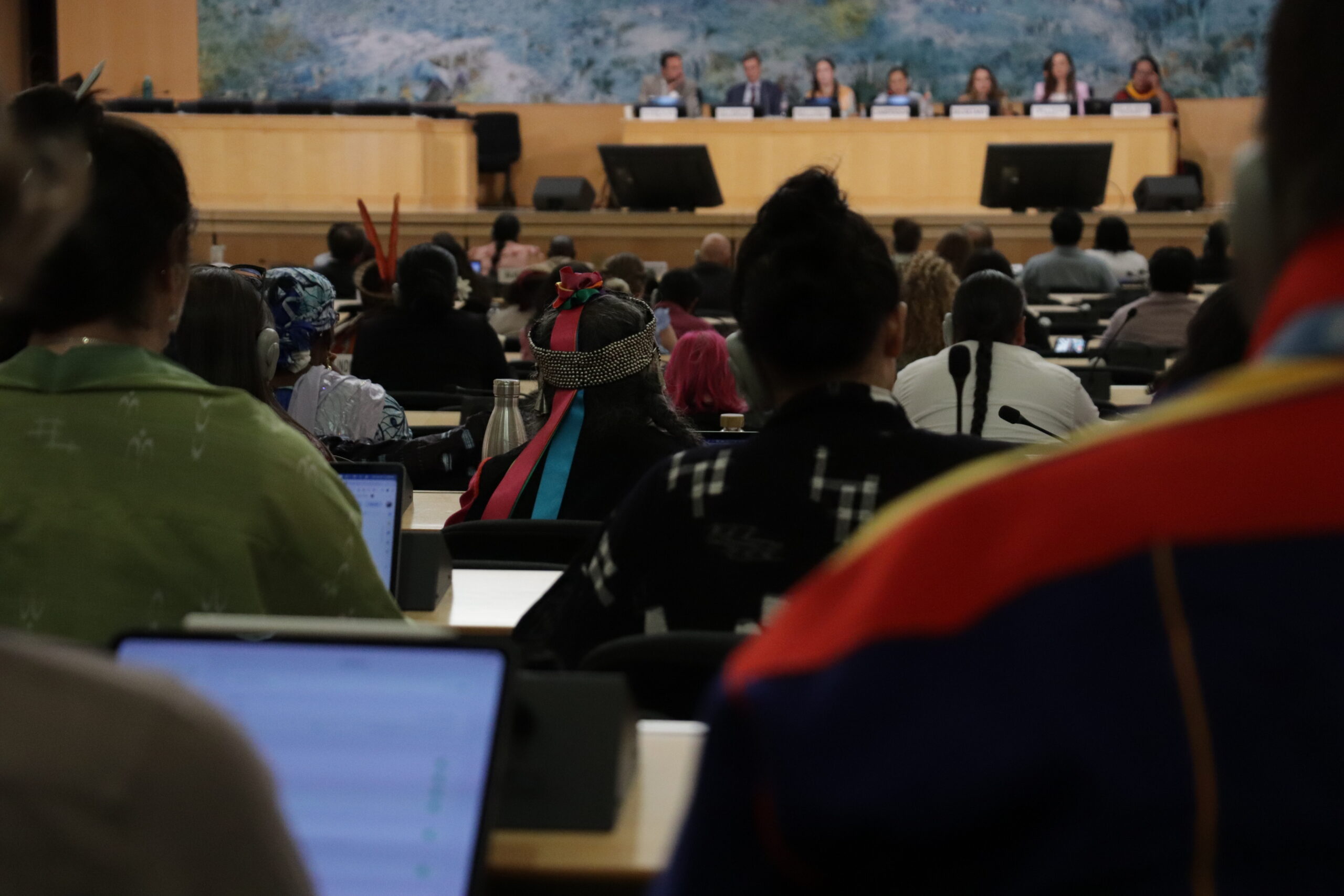
Indigenous leaders give the UN a roadmap for protecting their peoples
Amidst prayers and vows of solidarity, UN Expert Mechanism on the Rights of Indigenous Peoples ends annual meetings with demands for ‘action we’re not seeing globally’
-
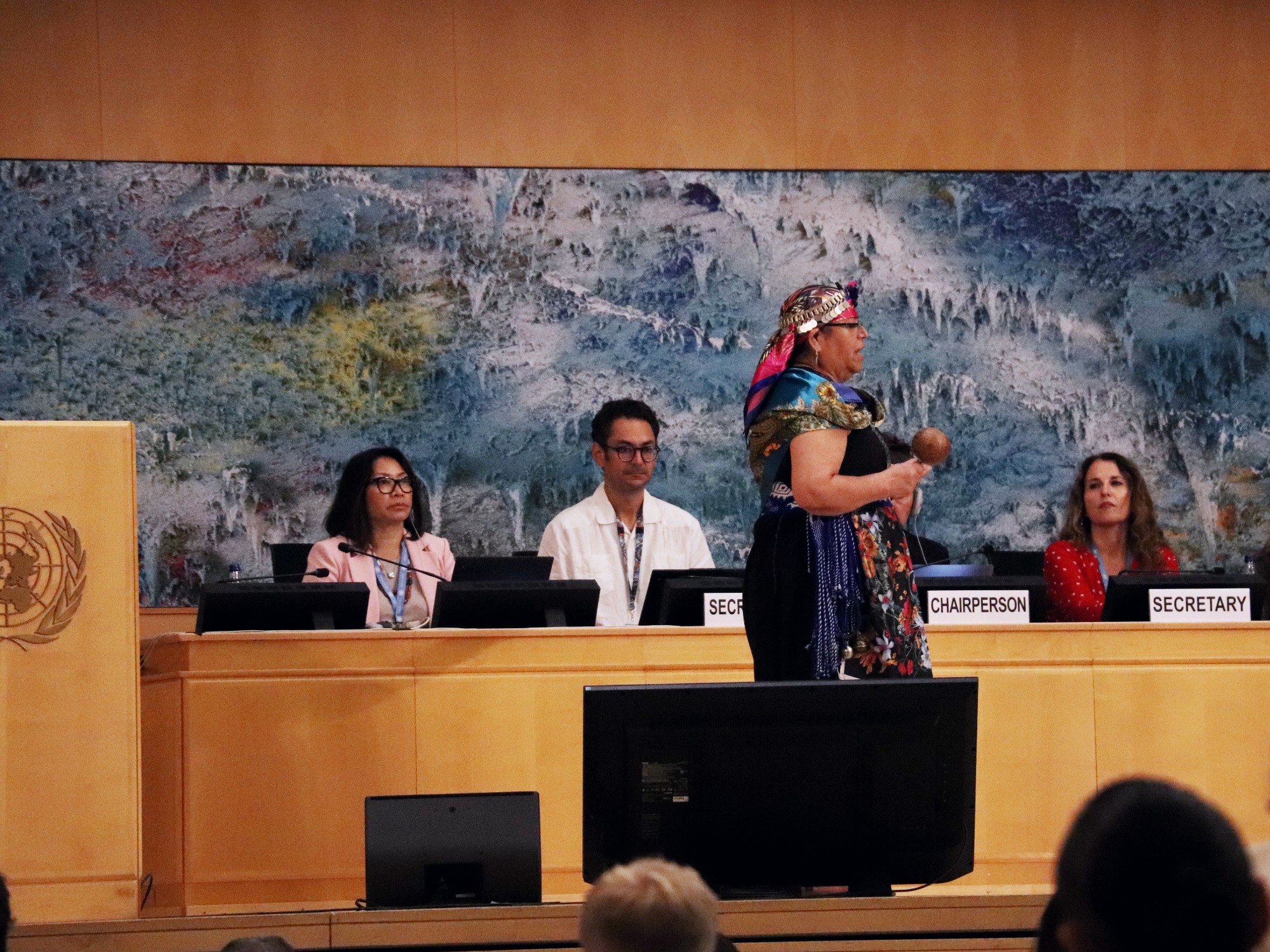
Indigenous people demand more say at the UN, as new crises hit their homelands
Indigenous nations live ‘on the frontlines’ of climate, conflict and new tech. But their voices remain sidelined in the global halls of power.