The Baker’s Burnt Bread
IndigiNews is publishing stories from Alphonse Little Poplar, recorded and transcribed in 1986, to share his incredible memories and gentle storytelling.

Trigger Warning: This story contains content about child abuse at the so-called residential “schools.” Please read with care for your spirit and well-being.
In 1986, Alphonse Little Poplar and Irene Fineday welcomed a family friend named David Doyle to their family land on the Sweetgrass First Nation. Mr. Doyle spent three months staying in a small building next to their home, over the winter. He spent his evenings interviewing Alphonse, recording these interviews on a cassette recorder. After leaving the reserve, Mr. Doyle had their contents transcribed. Unfortunately, over time all of the cassettes save for one were accidentally destroyed.
In June of 2020, Mr. Doyle gifted Eden Fineday, IndigiNews’ Business Aunty, and Alphonse and Irene’s granddaughter, with ownership and possession of the manuscript containing all of her grandfather’s transcribed stories. IndigiNews is publishing these stories so that Alphonse’s incredible memories and gentle storytelling may be shared with our readers.
Portions of this manuscript have previously been published in the Battlefords News Optimist.
They would take us for a walk if we were good. Now they would call it a “field trip.”
It was a little more than a mile from the school to the river. We would go down to the river and fool around. We were coming up the hill and we were pretty well on top of the hill when this car came along, just creeping his way up the hill. It was the baker.
We jumped on and hung on to the spare tire that is in the middle at the back of the car. There was a little bumper on both sides. That old car would power out. Before it would stop dead we would all jump off, then we’d jump on again as soon as he started to go again.
We got that guy mad. He kind of stopped there. He was going to jump out and get us, but we pretended we were going to run away. We hung on as he got to the top of the hill. My cousin Ben stayed with him for quite a while, but then jumped off.
That guy speeded up as soon as we got on the level. Gee whiz, the cloud of dust we kicked up. I was fighting dust back there and I didn’t want to jump. “Surely he will slow down over there.” I thought, “He knows I‘m behind here.”
He didn’t slow down. I had to jump off there; I had no choice. If we went past the church, they would see me from the school and I would get a licken. I jumped off. The last thing I remember is hitting the road. When I woke up I was off the road, up a little bank and on the grass. The other boys came along just as I woke up. They had walked a mile. How long does it take to walk a mile? I had been knocked out that long.
At that school we used to get soup that was filled with not much more than the crusts of the bread that baker burnt. They would want to see us eat that burnt bread.
They would say, “If you eat that stuff you will get to be good singers.” We ate lots of that burnt stuff, but we never got to be good singers. Maybe we would have been if we hadn’t eaten it.
Dear cuzzins, if you or anyone you know is struggling with a visit with depression, suicidal ideation or attempts we want you to know help is available at KUU-US Crisis Line Society.
Adults/Elders (250-723-4050), Child/Youth (250-723-2040), Toll free (1-800-588-8717), or the Métis Line (1-833-MétisBC).
Author
We live in a media ecosystem that thrives on misinformation. Big Tech and AI companies are consuming the work of real human beings and Canadian news has been banned on Facebook and Instagram.
And yet, I have hope for journalism because of the work we’re doing at IndigiNews.
At IndigiNews, we embody tâpwêwin — the Cree value of integrity and responsibility in truth-telling. We are committed to our independent, Indigenous-led newsroom rooted in community, accountability, and relationality. We believe storytelling is a sacred fire that connects our pasts, presents, and futures through the storytellers in our Storytelling Lodge. IndigiNews creates space for Indigenous journalists, storytellers, Knowledge Keepers, and communities to gather, learn, and share stories that matter.
As a registered charity, we are building a fire that allows our work not just to ignite but to thrive. Rather than relying on advertising or corporate acquisition, IndigiNews is sustained by people like you who believe Indigenous stories are important for the future of our communities.
Your support is making a real difference.
Our community of supporters, our Firekeepers, make it possible to grow our newsroom, publish award-winning journalism, train emerging Indigenous journalists through initiatives like the ReFocus Photojournalism Fellowship, and publish trustworthy stories that serve our communities across the country. Every story we publish helps fill in gaps left by mainstream media and ensures Indigenous perspectives are represented with care, accuracy and respect.
But there is still more work to do.
As the media landscape becomes more and more uncertain, community support is as necessary and essential as it’s ever been. Every new Firekeeper helps protect the independence of our newsroom and strengthens journalism that is accountable to our many and varied communities over corporations.
That’s why we’re inviting you to become a Firekeeper.
Firekeepers tend to and protect the sacred fire. Your monthly contributions directly support IndigiNews’s Storytelling Lodge, helps sustain our independent, Indigenous-led newsroom, and ensures future generations of Indigenous storytellers have the resources they need to do the work.
As a registered Canadian charity, all eligible donations receive a charitable tax receipt.
If you believe Indigenous stories matter, if you value independent journalism, and if you want to help build a strong future for Indigenous media, we invite you to join our circle of Firekeepers today.
Together, we can keep the fire burning.
— Eden Fineday, Publisher, IndigiNews
Support us nowLatest Stories
-
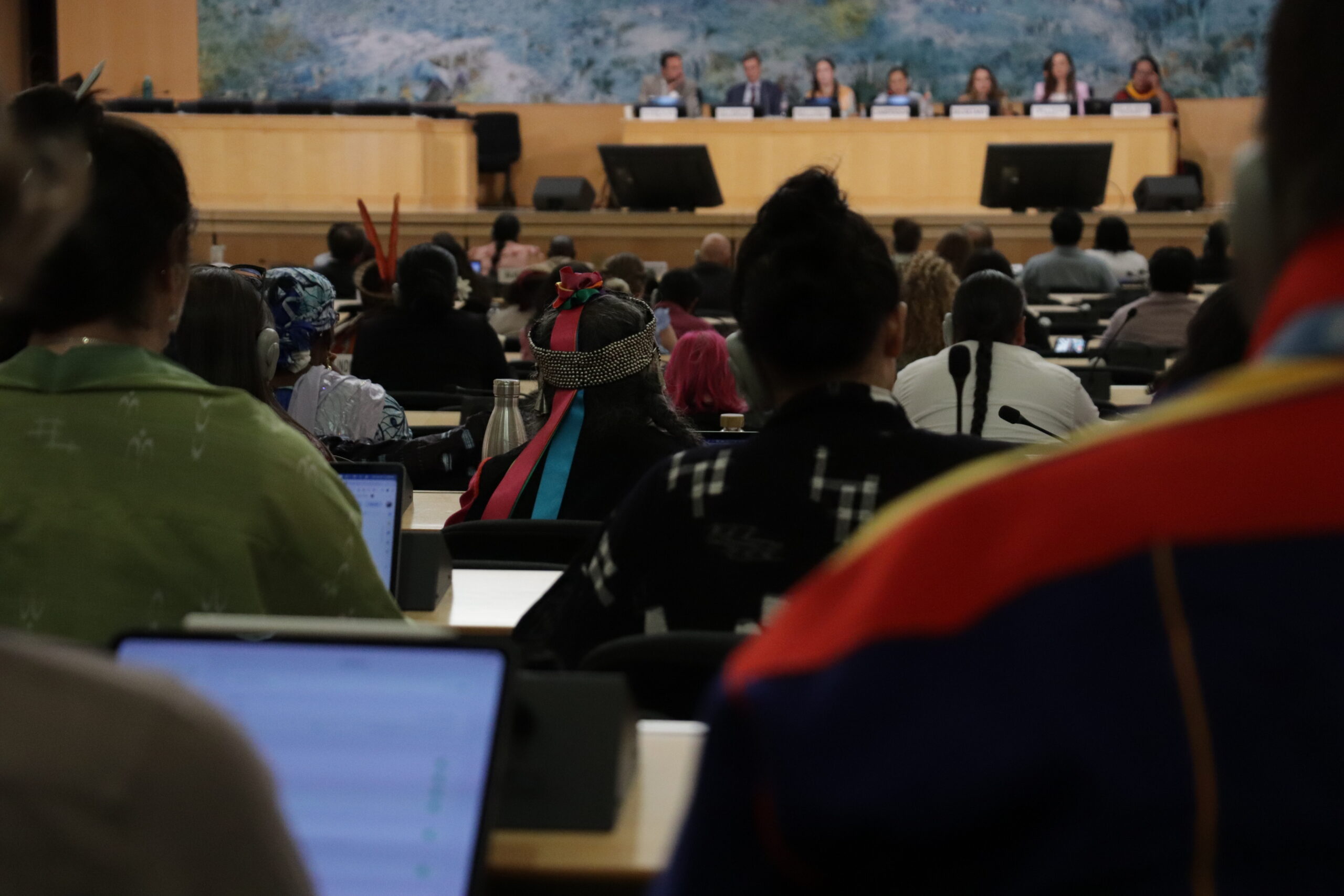
Indigenous leaders give the UN a roadmap for protecting their peoples
Amidst prayers and vows of solidarity, UN Expert Mechanism on the Rights of Indigenous Peoples ends annual meetings with demands for ‘action we’re not seeing globally’
-
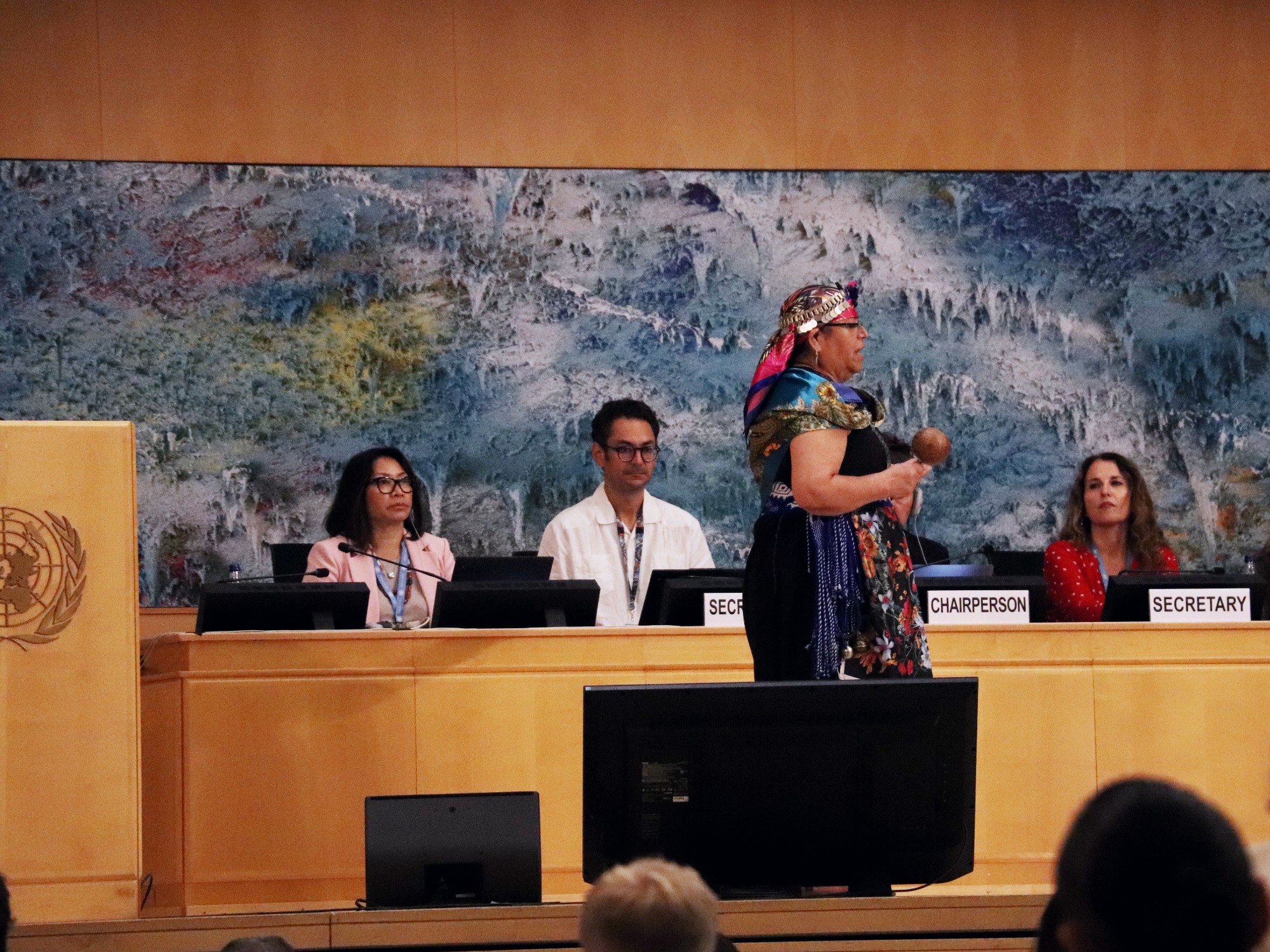
Indigenous people demand more say at the UN, as new crises hit their homelands
Indigenous nations live ‘on the frontlines’ of climate, conflict and new tech. But their voices remain sidelined in the global halls of power.